I was standing in my kitchen, juggling a hot pan, a handful of noodles, and a stubborn slice of beef that refused to stay tender. The moment I realized I had forgotten to pre‑soak the noodles, I watched my confidence evaporate faster than the steam from the skillet. That disaster was the spark that forced me to reinvent the classic stir‑fry, turning a potential flop into a flavor explosion. If you’ve ever stared at a pot of over‑cooked noodles and felt your culinary dreams crumble, you’re in the right place.
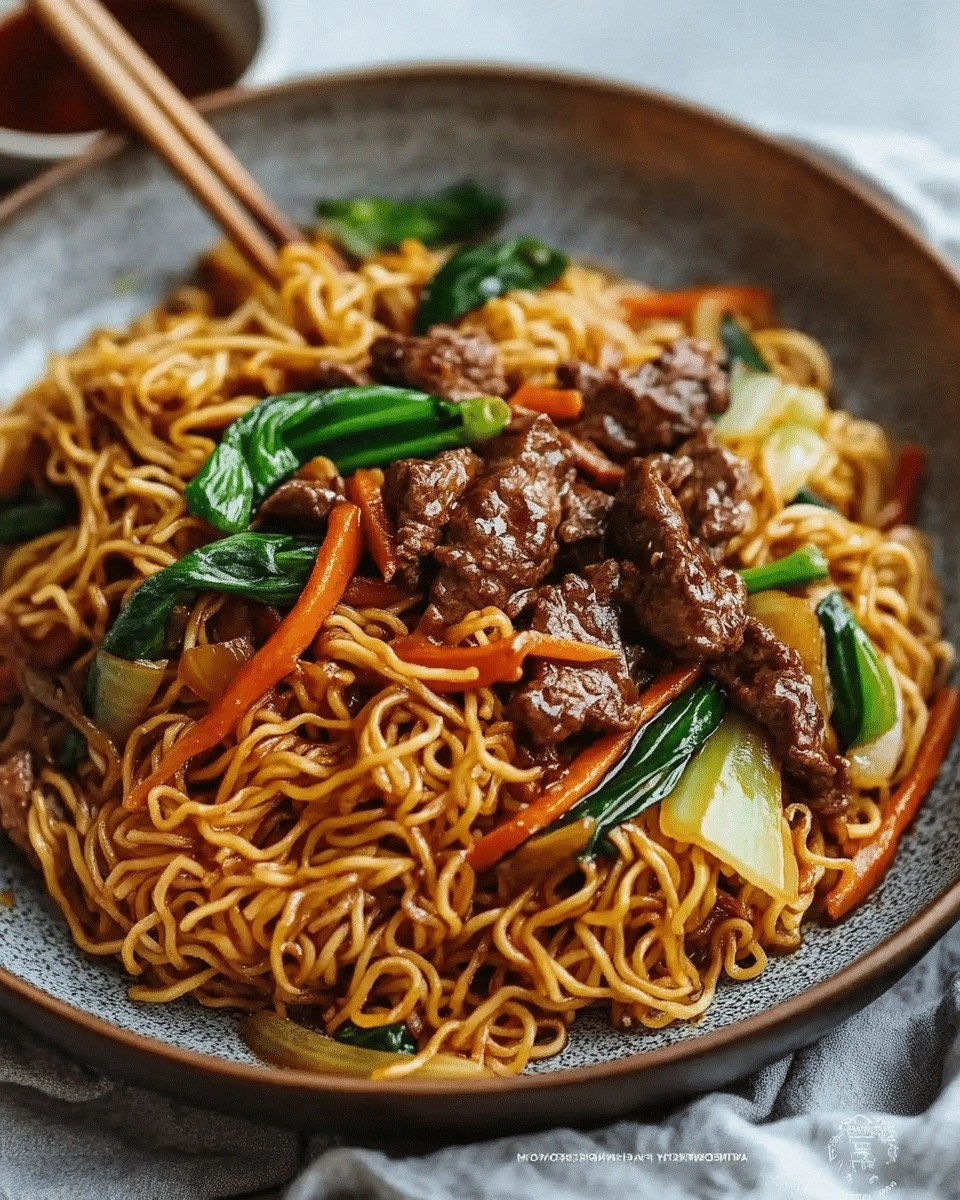
The scent of sizzling garlic and ginger hit me like a warm hug, the clatter of the wok a steady drumbeat that promised something extraordinary. The noodles glistened with a glossy sheen as they danced in the pan, their surfaces catching the amber glow of the stove. The beef, sliced thinly and marinated, released a savory perfume that mingled with the sweet undertone of hoisin and the sharp bite of soy. Every bite offered a symphony of textures—crisp vegetables, chewy noodles, and that satisfying snap when the beef met the heat.
What makes this version stand out is that it isn’t just a recipe; it’s a manifesto for flavor. I’ve stripped away the clutter, kept only the ingredients that sing together, and introduced a sauce that coats the noodles like velvet while the edges of the beef sear into a caramelized crust. The result is a dish that feels both comforting and adventurous, a crowd‑pleaser that can be whipped up in under an hour yet leaves an indelible taste memory. I dare you to taste this and not go back for seconds.
Okay, ready for the game‑changer? Let me walk you through every single step — by the end, you'll wonder how you ever made it any other way.
What Makes This Version Stand Out
- Flavor: The sauce is a layered masterpiece of soy, oyster, hoisin, and a whisper of sugar that balances umami with a subtle sweetness, creating depth that ordinary stir‑fries lack.
- Texture: The noodles are pre‑soaked to achieve that perfect al dente bite, while the beef is sliced against the grain for maximum tenderness, giving each bite a satisfying contrast.
- Speed: From prep to plate, this dish takes less than 45 minutes, making it an ideal dinner for busy weekdays without compromising on taste.
- Ingredient Quality: Fresh, high‑grade beef and hand‑picked vegetables elevate the dish, proving that quality ingredients can transform a simple recipe into a gourmet experience.
- Simplicity: With only a handful of pantry staples and a single pan, the method is straightforward, reducing kitchen chaos while maximizing flavor.
- Make‑Ahead Potential: The dish can be prepared ahead of time, reheated with a splash of water, and still taste as fresh as when it was first cooked.
- Visual Appeal: The vibrant colors of bell pepper, carrot, and green onions juxtaposed with the glossy sauce make for a plate that looks as good as it tastes.
Alright, let's break down exactly what goes into this masterpiece...
Inside the Ingredient List
The Flavor Base
The sauce is the heart of the dish, and it starts with a trio of savory liquids—soy sauce, oyster sauce, and hoisin sauce. Soy sauce provides the essential saltiness and depth, while oyster sauce adds a subtle sweetness and a velvety texture. Hoisin sauce rounds out the profile with its thick consistency and sweet, slightly tangy undertone. Together, they form a sauce that coats the noodles like velvet, ensuring every strand is infused with flavor. If you skip any of these, the dish will feel flat; the sauce will lose its complex balance. If you’re in a pinch, you can substitute equal parts soy sauce and hoisin with a splash of Worcestershire sauce, though the flavor will shift slightly.
The Texture Crew
Noodles are the backbone of this dish, and their texture is paramount. Wide rice noodles or egg noodles are preferred for their chewiness and ability to absorb the sauce without becoming mushy. Pre‑soaking the noodles for 10–15 minutes softens them just enough to hold their shape while cooking. If you use instant noodles, you’ll miss that satisfying bite and the noodles will tend to clump. The carrots and bell pepper add crunch, while the bean sprouts provide a fresh pop of moisture. Skipping the vegetables will make the dish less vibrant and reduce the textural contrast that keeps each bite interesting.
The Unexpected Star
The beef, sliced thinly against the grain, is the star that brings richness and protein to the plate. Choosing a cut like flank steak or sirloin ensures tenderness while keeping the price reasonable. Marinating the beef with a splash of soy sauce, a pinch of sugar, and a dash of sesame oil before cooking infuses it with flavor and helps it stay juicy. If you cut the beef too thick, it will become tough; if it’s too thin, it will overcook and dry out. A quick 15‑minute marination is enough to elevate the meat without losing its natural flavor.
The Final Flourish
Sesame oil and toasted sesame seeds add a nutty aroma that rounds off the dish. The oil is used during cooking to give the beef a glossy finish, while the seeds are sprinkled on top for crunch and visual appeal. If you’re not a fan of sesame, you can replace it with a light drizzle of peanut oil for a different nutty profile. The optional garnish of green onions not only adds a fresh, sharp note but also brings a pop of color that makes the dish Instagram‑worthy. Each component is carefully chosen to complement the others, creating a harmonious balance of flavors and textures.
Everything's prepped? Good. Let's get into the real action...
The Method — Step by Step
- Begin by marinating the beef. In a bowl, combine 400g sliced beef, 1 tablespoon soy sauce, 1 teaspoon sugar, and 1 tablespoon sesame oil. Toss until the beef is evenly coated, cover, and let sit for 15 minutes. This short marination period infuses the meat with savory depth while preventing it from drying out during searing.
- While the beef marinates, soak the noodles. Place 200g wide rice noodles in a large bowl of warm water and let them soften for 10–12 minutes. Drain and set aside; the noodles should still have a slight bite. If you’re in a hurry, a quick rinse with hot water works, but the flavor profile will be slightly less robust.
- Prepare the sauce. In a small bowl, whisk together 2 tablespoons soy sauce, 1 tablespoon oyster sauce, 1 tablespoon hoisin sauce, 1 teaspoon sugar, and 1 tablespoon sesame oil. Set aside; this sauce will be added to the pan in the final stage and will coat the noodles like a silky glaze.
- Heat a large wok or skillet over medium‑high heat and add 1 tablespoon vegetable oil. Once the oil shimmers, add the marinated beef in a single layer. Sear for 2–3 minutes on each side, letting the edges develop a caramelized crust. The beef should smell toasty and release a savory aroma that makes your mouth water.
- Add the aromatics—2 minced garlic cloves and 1 tablespoon minced ginger—into the pan. Stir quickly for about 30 seconds until fragrant, being careful not to burn the garlic. The aromatic base sets the stage for the sauce’s depth.
- Introduce the vegetables. Toss in 1 julienned carrot, 1 sliced bell pepper, 1 cup bean sprouts, and 3 sliced green onions. Cook for 2–3 minutes, allowing the vegetables to soften slightly while still retaining a crisp bite. The colors should brighten, creating a visual feast.
- Add the soaked noodles to the pan and pour the prepared sauce over them. Toss everything together, ensuring the noodles are evenly coated. Let the mixture cook for another 2–3 minutes, letting the sauce thicken and cling to each strand. The noodles should look glossy and slightly sticky.
- Finish the dish by sprinkling 1 tablespoon toasted sesame seeds and a drizzle of sesame oil. Give one final toss to distribute the seeds evenly. Plate the noodles hot, garnish with additional green onions if desired, and serve immediately while the steam rises.
That's it — you did it. But hold on, I've got a few more tricks that'll take this to another level...
Insider Tricks for Flawless Results
The Temperature Rule Nobody Follows
Cooking beef at the right heat is critical. Too low, and the meat will steam instead of sear; too high, and it will char and lose moisture. Aim for a medium‑high flame that lets the beef develop a caramelized crust within 2–3 minutes per side. If you’re using a gas stove, a slight flame flare can be a sign you’re at the right temperature. This trick ensures juicy, flavorful bites every time.
Why Your Nose Knows Best
Your sense of smell is the quickest indicator that the sauce is ready. As soon as the aroma becomes rich and slightly caramelized, it’s time to add the noodles. If you rely solely on time, you risk overcooking the noodles or under‑seasoning the dish. Trust the scent, and you’ll avoid the dreaded mushy noodle situation.
The 5-Minute Rest That Changes Everything
After the beef is seared, let it rest for 5 minutes before adding it back to the pan with the sauce. This brief pause allows the juices to redistribute, keeping the meat tender. A quick rest also gives the sauce a chance to thicken slightly, ensuring it coats the noodles perfectly. Skip this step and you’ll end up with unevenly seasoned noodles.
The Quick Toss Trick
When tossing the noodles with the sauce, use a pair of tongs instead of a spoon. The tongs grip the strands more effectively, preventing them from breaking. This simple tool swap keeps the noodles intact and gives the dish a polished look. It’s a small change that makes a big difference.
The Secret to Crispy Edges
If you love that crispy edge on the noodles, leave the pan slightly uncovered during the last minute of cooking. This allows excess moisture to evaporate, creating a subtle crunch around the noodle strands. The result is a delightful contrast between the soft interior and the crisp exterior.
Creative Twists and Variations
Spicy Szechuan Kick
Add a tablespoon of Szechuan peppercorn paste and a pinch of red chili flakes to the sauce for an addictive heat that tingles the tongue. This variation is perfect for heat lovers and adds a bold, numbing undertone that pairs wonderfully with the savory beef.
Mushroom Medley
Replace the bell pepper with a mix of shiitake and oyster mushrooms. Sauté the mushrooms until they release their juices, then proceed with the recipe. The earthy flavor complements the beef and adds an extra layer of depth.
Thai Twist
Swap hoisin sauce for a spoonful of Thai sweet chili sauce and add a splash of lime juice at the end. Garnish with fresh cilantro and a handful of crushed peanuts for a tropical flair that transports you to Bangkok.
Vegan Version
Use marinated tofu or tempeh instead of beef, and replace sesame oil with a neutral oil. The sauce remains the same, giving you a plant‑based dish that still delivers the same umami punch.
Breakfast Bites
Add a fried egg on top of the noodles and sprinkle with a pinch of flaky sea salt. The runny yolk creates a rich, creamy sauce that turns the dish into a hearty breakfast or brunch option.
Gluten‑Free Edition
Use rice noodles and ensure your soy sauce is gluten‑free. The result is a dish that’s safe for gluten‑sensitive diners without sacrificing flavor or texture.
Storing and Bringing It Back to Life
Fridge Storage
Store any leftovers in an airtight container in the refrigerator for up to 2 days. The noodles may absorb some moisture, but they’ll still taste great when reheated. Use a small splash of water or broth before reheating to restore the sauce’s silky texture.
Freezer Friendly
For longer storage, divide the dish into portions and freeze in freezer‑safe bags for up to 1 month. Thaw overnight in the refrigerator and reheat in a skillet over medium heat, adding a bit of water to loosen the sauce. The flavors will remain vibrant, and the texture will stay intact.
Best Reheating Method
The key to reheating is to do it gently. Warm the dish in a skillet over low heat, stirring occasionally. Add a splash of water or broth to prevent the noodles from drying out. The result will be a dish that tastes almost as fresh as when it was first cooked.