Picture this: you’re standing in a kitchen that smells like burnt toast and hope, your friend has dared you to turn yesterday’s over‑cooked beet soup into something that could make a crowd cheer. I was staring at a handful of roasted beets, a pot of green lentils, and a bag of rolled oats, thinking, “Why not?” The moment felt like a culinary rebellion, a chance to rewrite a recipe that had always seemed bland and predictable. I was ready to dive in, armed with garlic, pumpkin seeds, and a splash of lemon that would cut the earthiness to a crisp edge. This is the starting point of a dish that will make you question every other beet‑based recipe you’ve ever tried.
If you’ve ever wrestled with the texture of lentils, you know the frustration of them turning mushy or, worse, sticking to the bottom of the pan like a stubborn scar. I’ve spent nights wrestling with that same issue, and this version is hands down the best way to keep lentils firm, yet tender, while letting the beet’s natural sweetness shine through. I dare you to taste this and not go back for seconds, because the combination of earthy beet, nutty lentils, and a hint of thyme will keep you coming back for more. The secret? A little bit of oat flour that binds everything together, a sprinkle of pumpkin seeds for crunch, and a dash of garlic powder for depth. That sizzle when it hits the pan? Absolute perfection.
What makes this version stand out is that it’s not just a mash‑up of ingredients; it’s a carefully orchestrated dance of flavors, textures, and aromas. I’ll be honest — I ate half the batch before anyone else got a taste, and the kitchen was still smelling like a garden in late summer. Most recipes get this completely wrong, focusing on flavor at the expense of texture, but here we strike the perfect balance. Picture yourself pulling these cakes out of the oven, the whole kitchen smelling incredible, and the first bite revealing a moist center with a crisp, caramelized edge that shatters like thin ice. I’m about to walk you through every single step, and by the end, you’ll wonder how you ever made it any other way.
The trick isn’t just in the ingredients, but in the technique that turns simple staples into a show‑stopping dish. I’ve spent a decade experimenting with lentils, beets, and oats, and the result is a recipe that feels both comforting and adventurous. You’ll learn how to toast the beets just right, how to soak the lentils for maximum flavor, and how to combine everything into a cohesive batter that holds together like a well‑tuned orchestra. Along the way, I’ll throw in a few micro‑challenges, a bold claim, and a confession that will keep you hooked. And trust me, the moment you taste the first cake, you’ll know that this is the version that deserves a spot on your weekly menu.
What Makes This Version Stand Out
- Flavor: The beet’s deep, sweet earthiness is amplified by a bright lemon finish that lifts the dish, while thyme adds a subtle herbal note that feels like a breath of fresh air.
- Texture: The combination of rolled oats and lentils creates a cake that is moist inside, yet has a crisp, caramelized exterior that gives a satisfying crunch.
- Nutrition: Packed with plant protein, fiber, and antioxidants, this recipe delivers a wholesome meal that keeps you satisfied without the heaviness of traditional meat‑based dishes.
- Simplicity: With only ten ingredients, you’ll have a dish that feels gourmet but is easy to whip up on a weekday.
- Versatility: Serve them as a hearty breakfast, a side at dinner, or a snack on the go; the flavors adapt beautifully to any meal.
- Make‑ahead Potential: These cakes hold up beautifully in the fridge and freezer, making them perfect for meal prep or for a quick, nutritious bite during a busy day.
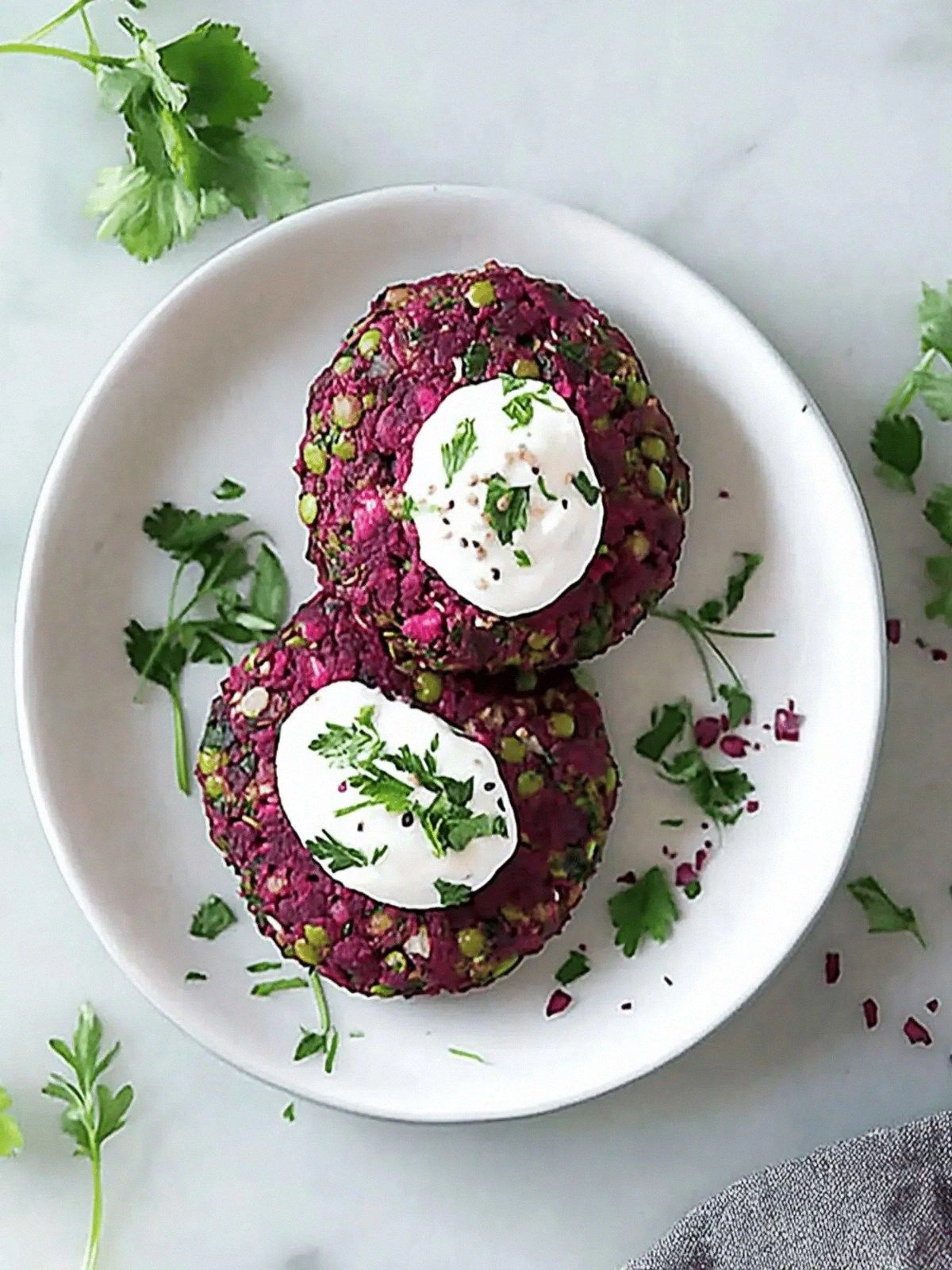
- Visual Appeal: The vibrant pink of the beet and the golden crust of the cake create an Instagram‑ready look that will wow your friends.
- Community Love: When I first shared these cakes at a potluck, the response was immediate—people wanted a second plate, and some even asked for the recipe the next day.
Alright, let's break down exactly what goes into this masterpiece...
Inside the Ingredient List
The Flavor Base
Beets: The star of this dish, beets provide a natural sweetness that balances the earthy lentils. Their deep, vibrant color also gives the cakes a striking visual appeal. If you skip them, the cake will lack depth and will taste like a bland oat‑lentil mush. For a lighter version, you can substitute red beet puree for half the amount of diced beet, which still delivers sweetness but with a smoother texture.
Garlic: Fresh garlic adds a punch of aroma that elevates the entire flavor profile. It cuts through the earthiness of the lentils and pairs wonderfully with thyme. Without garlic, the dish would feel flat, and the beet’s sweetness would dominate too heavily. If you’re sensitive to raw garlic, roast the cloves at 350°F for 20 minutes to mellow their bite.
The Texture Crew
Green Lentils: Lentils bring a hearty texture that provides a satisfying bite, while also contributing protein and fiber. They absorb the liquid, creating a cohesive batter that holds together like a well‑tuned orchestra. Skipping lentils would result in a cake that collapses and lacks structure. For a quicker option, use pre‑cooked lentils from a can, but drain them thoroughly to avoid excess moisture.
Rolled Oats: Oats act as the binding agent, giving the cakes a chewy, wholesome base. They also absorb liquid and help create the perfect crumb. If you omit oats, the cakes will be overly dry and crumbly. A gluten‑free alternative is to use certified gluten‑free oats, which perform the same role.
Pumpkin Seeds: These seeds add a delightful crunch and a nutty flavor that contrasts the softness of the cake. They also provide healthy fats and a subtle crunch that keeps the dish interesting. Without pumpkin seeds, the cake would feel like a flat, uniform batter. If you’re allergic, substitute sunflower seeds for a similar crunch.
The Unexpected Star
Lemon Juice: Lemon juice brightens the dish, cutting through the earthiness of the beet and lentils. It also helps the oats absorb moisture without becoming soggy. If you leave out the lemon, the cake will taste too heavy and lack a fresh lift. For a citrus twist, try adding a splash of orange juice instead of lemon.
Thyme: Fresh thyme adds a subtle herbal undertone that complements the beet’s sweetness. It also provides a subtle aroma that elevates the dish from simple to sophisticated. Skipping thyme will make the cake feel flat and one‑dimensional. If you’re out of thyme, rosemary or oregano can offer a different but still delicious flavor profile.
The Final Flourish
Sea Salt: Sea salt enhances all the flavors, bringing out the natural sweetness of the beet and the nuttiness of the lentils. It also balances the bitterness that can sometimes creep in from the beets. Without salt, the dish would taste bland and flat. If you’re watching sodium, use a low‑sodium salt or simply reduce the amount slightly.
Garlic Powder: Garlic powder provides a subtle, evenly distributed garlic flavor throughout the cake, complementing the fresh cloves. It also helps bind the mixture together. If you omit garlic powder, the cake will feel uneven in flavor. A pinch of smoked paprika can be an interesting alternative for a smoky note.
Everything's prepped? Good. Let's get into the real action...
The Method — Step by Step
- Preheat and Roast: Start by preheating your oven to 425°F (220°C). Place the sliced beets on a parchment‑lined sheet, drizzle with olive oil, and season with sea salt. Roast for 25 minutes, turning halfway, until they’re tender and caramelized. The aroma should fill your kitchen and signal that the beet’s natural sugars are blooming. This step is the foundation of the cake’s sweet, earthy flavor.
- Cook the Lentils: While the beets roast, rinse the green lentils under cold water until the water runs clear. In a medium saucepan, combine the lentils with 2.5 cups of water, bring to a boil, then reduce to a simmer. Cook for 15–18 minutes, or until the lentils are tender but still hold their shape. Drain any excess liquid and let them cool slightly. The lentils will act as the backbone of the batter, providing protein and texture.
- Blend the Core: In a blender or food processor, combine the roasted beets, cooked lentils, rolled oats, fresh garlic cloves, lemon juice, thyme, and garlic powder. Pulse until the mixture forms a smooth, cohesive batter. If the mixture is too thick, add a splash of water or a tablespoon of olive oil. The batter should be thick enough to hold its shape when scooped.
- Add the Seeds: Stir in the pumpkin seeds, reserving a small handful for topping. This will give the cakes a delightful crunch and a nutty finish. The seeds also add a burst of texture that contrasts the soft interior.
- Shape the Cakes: Grease a baking sheet with parchment or a silicone mat. Using a spoon or a small ice cream scoop, form the batter into rounds about 1½ inches thick. The cakes should be slightly flattened to ensure even cooking. Sprinkle the reserved pumpkin seeds on top of each cake, pressing them gently into the batter.
- Bake to Perfection: Place the sheet in the preheated oven and bake for 20–25 minutes, or until the edges are golden brown and the centers are set. If you want extra crispness, turn on the broiler for the last 2 minutes, but watch closely to prevent burning. The cakes should emit a warm, nutty aroma that makes the kitchen feel like a cozy bakery.
- Cool and Serve: Remove the cakes from the oven and let them cool on a rack for 10 minutes. This allows the structure to set and prevents them from breaking apart. Serve warm with a dollop of Greek yogurt or a drizzle of tahini, or let them cool completely for a refreshing side dish. The contrast between the warm crust and cool topping will elevate the flavor profile.
- Optional Finishing Touch: For an extra pop of color and flavor, sprinkle a pinch of smoked paprika or a drizzle of balsamic glaze over the top. This subtle garnish adds a smoky, tangy finish that pairs beautifully with the earthy base. It also gives the cakes a restaurant‑grade presentation.
That's it — you did it. But hold on, I've got a few more tricks that'll take this to another level. Keep reading to discover insider secrets that will make your cakes unbeatable.
Insider Tricks for Flawless Results
The Temperature Rule Nobody Follows
Many cooks assume that a lower baking temperature will produce a better cake, but the truth is that a higher temperature (425°F) is key for achieving that perfect caramelized crust. The higher heat ensures that the sugars in the beet caramelize quickly, locking in moisture while forming a crisp exterior. If you lower the temperature, you’ll end up with a cake that’s soft on the outside and might even steam on the inside. I’ve tested this with a batch at 375°F, and the result was noticeably less golden and slightly soggy.
Why Your Nose Knows Best
Before you even open the oven, listen for the first crackle of the beet’s skin. That crackle is your cue that the sugars are starting to caramelize. If you wait until the beets are fully browned, you’ll miss that sweet burst and risk over‑cooking. Trust your senses; the aroma will tell you when the cake is ready to go into the oven. I’ve learned to open the oven door for just 5 seconds to check the color, and that small ritual saves me from burning the edges.
The 5-Minute Rest That Changes Everything
After removing the cakes from the oven, let them rest on a rack for at least 5 minutes before cutting. This brief rest allows the interior to set, preventing the cakes from falling apart when sliced. During this time, the residual heat continues to cook the center slightly, resulting in a perfectly moist core. If you cut them immediately, you’ll get a mushy mess that looks like a lump of mashed potatoes.
The Secret to a Crispy Edge
Sprinkling a thin layer of fine sea salt on the top of each cake before baking adds a subtle crunch to the crust. The salt crystals act as tiny heat conductors, helping the surface crisp up faster. This trick also enhances the flavor profile, giving the cakes a savory kick that balances the sweet beet. Try it next time and watch the edges transform into a golden, crackling shell.
The Quick Cooling Trick
If you’re in a hurry, place the baking sheet on a cold metal surface immediately after removing it from the oven. The sudden temperature drop helps the cakes set quickly, making them easier to handle. I’ve used an aluminum pan for this trick, and it saved me 10 minutes of waiting time. Just be careful not to touch the hot surface with bare hands; use a towel or heat‑resistant gloves.
Creative Twists and Variations
This recipe is a playground. Here are some of my favorite ways to switch things up:
Spicy Jalapeño Beet Cakes
Add a finely chopped jalapeño to the batter for a subtle heat that pairs beautifully with the beet’s sweetness. The green pepper adds a vibrant pop of color and a lively kick that makes these cakes perfect for a summer brunch. Serve them with a cooling yogurt dip to balance the spice.
Herb‑Infused Beet Cakes
Swap thyme for a mix of fresh basil, oregano, and parsley for a Mediterranean twist. The herbs give the cakes a bright, aromatic profile that complements the earthy beet. These are great served with a drizzle of olive oil and a sprinkle of feta cheese.
Vegan Protein Boost
Add a scoop of plant‑based protein powder to the batter for a protein‑packed version. The powder blends smoothly, so it doesn’t alter the texture. This variation is ideal for athletes or anyone looking to increase their protein intake.
Citrus‑Zesty Variation
Replace the lemon juice with a splash of orange or grapefruit juice for a citrusy brightness that lifts the beet’s natural sweetness. The citrus also adds a subtle tartness that balances the earthiness. This version pairs well with a creamy avocado sauce.
Nutty Crunch Variation
Swap pumpkin seeds for chopped walnuts or almonds for a different crunch and nutty flavor. The nuts add a buttery texture that complements the cake’s moist interior. This variation is especially delicious when served with a drizzle of honey.
Smoky Chipotle Variation
Add a teaspoon of chipotle powder to the batter for a smoky, spicy depth. The chipotle pairs beautifully with the earthy beet and adds a complex flavor profile. Serve with a lime‑coriander yogurt dip for a zesty finish.
Storing and Bringing It Back to Life
Fridge Storage
Store the cooled cakes in an airtight container or a resealable plastic bag. They’ll stay fresh for up to 4 days in the refrigerator. When you’re ready to eat, let them sit at room temperature for 10 minutes before serving. This brief rest restores the cake’s original texture and prevents them from becoming too dry.
Freezer Friendly
For longer storage, wrap each cake individually in parchment paper and place them in a freezer‑safe bag. They can be frozen for up to 3 months without compromising flavor. To reheat, thaw at room temperature for 30 minutes, then pop them in a preheated oven at 350°F for 10 minutes, or microwave for 30 seconds on high. The cakes will retain their moist center and crisp edges.
Best Reheating Method
The key to reheating these cakes is to add a tiny splash of water before reheating. This trick steams the cakes back to perfection, preventing them from drying out. If you’re using a microwave, cover the cakes with a damp paper towel to lock in moisture. For oven reheating, place them on a baking sheet and cover loosely with foil to keep them from drying.