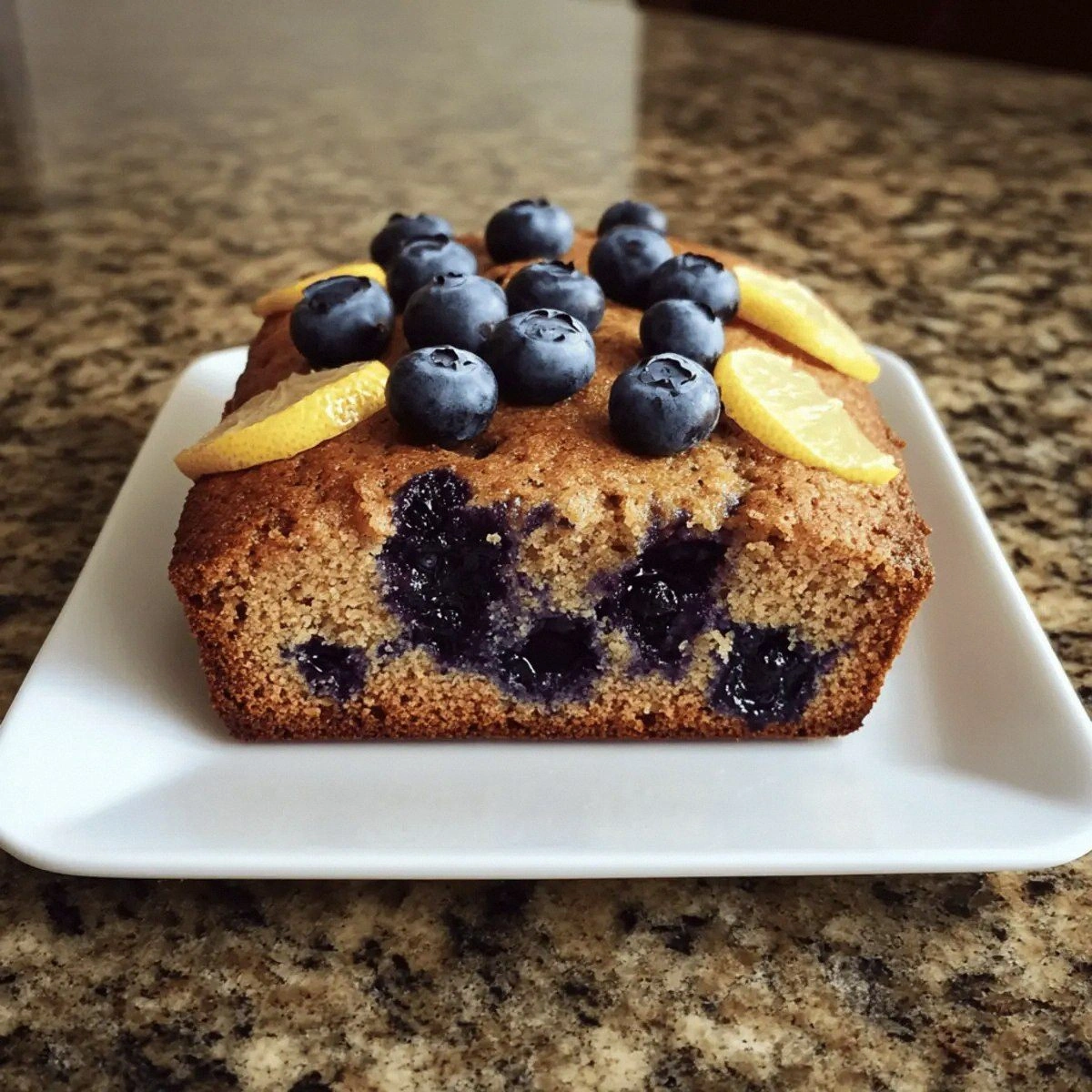
Picture this: a bright Saturday morning, the sun already peeking over the kitchen counter, and the scent of fresh blueberries dancing in the air. I had just finished a week of bland, gluten‑free muffins that tasted like cardboard, and the urge for something zesty and sweet had me staring at the fridge like a detective on a case. Suddenly, the idea struck—why not combine the bright, citrusy punch of lemon with the burst of blueberries, all while keeping it gluten‑free? I was ready to turn that craving into a masterpiece.
I started by pulling out the ingredients that would make this loaf stand apart: a gluten‑free all‑purpose flour that behaves like its wheat cousin, a generous splash of yogurt for moisture, and a generous dose of lemon zest that practically screams “summer.” The kitchen lights flickered as I mixed the dry ingredients, and the air filled with the faint, sweet aroma of sugar and vanilla. As the batter swirled, the blueberries began to pop, their tiny bursts of juice promising a juicy surprise in every bite. I could already taste the contrast—the tangy lemon against the mellow blueberries—like a duet of bright and deep notes.
But what really got me excited was the twist: I’d discovered that using a small amount of vegetable oil instead of butter gives the loaf a lighter, airier crumb while still keeping it moist. This is the secret that takes a gluten‑free loaf from “okay” to “wow.” It’s a game‑changer because most recipes rely on butter, which can make the crumb too heavy. I dare you to taste this and not go back for seconds; that’s a promise I’m willing to make.
I’ll be honest—when I first baked this, I almost ate half the loaf before anyone else could even get a slice. The crumb was so airy that it seemed to dissolve on the tongue, and the lemon hit the palate with a clean, refreshing aftertaste that left me craving more. If you’ve ever struggled with gluten‑free baking, you’re not alone, and I’ve got the fix. Picture yourself pulling this out of the oven, the whole kitchen smelling incredible, and the loaf steaming like a cloud of citrusy bliss. Let me walk you through every single step—by the end, you’ll wonder how you ever made it any other way.
What Makes This Version Stand Out
- Flavor: The bright citrus notes of fresh lemon juice and zest cut through the sweetness of the blueberries, creating a balanced taste that’s both refreshing and indulgent.
- Texture: The yogurt and oil blend gives the loaf a tender crumb that’s light and airy, yet moist enough to keep the blueberries from drying out.
- Ease: All ingredients are pantry staples; no fancy gadgets or obscure items are required.
- Gluten‑free confidence: Using a high‑quality gluten‑free flour blend ensures the loaf behaves like a regular one, avoiding the dreaded dense or crumbly outcome.
- Crowd‑pleaser: This loaf is perfect for brunches or potlucks—everyone will love the bright, fruity flavor that’s unmistakably homemade.
- Make‑ahead potential: Bake it a day ahead, wrap tightly, and it stays fresh and moist; it’s even better the next day.
- Ingredient quality: Fresh, high‑quality blueberries and real lemon zest elevate the flavor profile beyond typical store‑bought mixes.
- Versatility: You can easily swap in different fruits or spices to create seasonal variations.
Inside the Ingredient List
The Flavor Base
The gluten‑free all‑purpose flour is the backbone of this loaf. It’s not just a substitute; it’s a canvas that holds the flavors together. If you skip it, the loaf will crumble and collapse, like a sandcastle in a storm. For best results, choose a blend that contains xanthan gum; it gives the batter structure and keeps the crumb from being too gummy. If you’re on a budget, you can mix rice flour with a small amount of tapioca starch to mimic the same properties.
The Texture Crew
The yogurt and oil create a moist, tender crumb that feels like a cloud in your mouth. Yogurt adds acidity, which reacts with the baking powder to lift the loaf, while oil keeps it from drying out. If you’re allergic to dairy, substitute the yogurt with a plant‑based yogurt that has a similar thickness. Skipping the oil will make the loaf denser, but you can add an extra egg to compensate for moisture.
The Unexpected Star
Blueberries are the star of this loaf, but they’re more than just a sweet garnish. Their natural sugars caramelize slightly during baking, giving the loaf a subtle depth of flavor that balances the bright lemon. If fresh blueberries are out of season, frozen ones work just as well—just thaw them and pat dry before adding to avoid excess liquid. If you prefer a different fruit, try raspberries or blackberries for a slightly tart twist.
The Final Flourish
Lemon zest and juice are the final flourish that brings the loaf together. The zest provides aromatic oils that linger on the palate, while the juice adds a clean, tart note that brightens the entire loaf. A pinch of sea salt is essential; it balances the sweetness and enhances the fruit flavors. If you want an extra zing, add a splash of lemon juice to the batter after folding in the blueberries.
Everything's prepped? Good. Let's get into the real action.
The Method — Step by Step
- Preheat your oven to 350°F (175°C). Line a 9×5-inch loaf pan with parchment paper or grease it lightly. This step ensures that your loaf will release easily, keeping the crust crisp and golden.
- In a large bowl, whisk together the gluten‑free flour, baking powder, and sea salt until well combined. This is the moment where the dry ingredients get a chance to mingle, creating a uniform base that will support the batter.
- In a separate bowl, beat the eggs and sugar until pale and fluffy. The sugar dissolves and creates tiny air pockets, which help lift the loaf and give it a light texture. Don’t rush this step; a well‑beaten egg mixture is the secret to a tender crumb.
- Add the yogurt, lemon juice, lemon zest, vanilla extract, and vegetable oil to the egg mixture. Fold gently until the wet ingredients are incorporated. The mixture should be smooth but not overmixed; we want to keep the batter airy.
- Fold in the dry ingredients just until combined, being careful not to overwork the batter. Then, gently fold in the blueberries, making sure they’re evenly distributed. If the batter looks a bit lumpy, that’s okay—this will keep the blueberries from sinking.
- Pour the batter into the prepared loaf pan and smooth the top with a spatula. Tap the pan lightly on the counter to release any air bubbles, which will help prevent the loaf from cracking.
- Bake for 30–35 minutes, or until a toothpick inserted into the center comes out clean and the loaf is golden brown. The aroma will fill the kitchen like a citrus perfume, signaling that the loaf is ready.
- Remove the loaf from the oven and let it cool in the pan for 10 minutes before transferring it to a wire rack to cool completely. This resting period allows the crumb to set and the flavors to meld.
That's it— you did it. But hold on, I've got a few more tricks that'll take this to another level.
Insider Tricks for Flawless Results
The Temperature Rule Nobody Follows
Many bakers bake at 375°F, thinking higher heat means a crispier crust. However, 350°F is the sweet spot for this loaf—it allows the batter to rise evenly and keeps the blueberries from bursting too early. If you’re in a hot climate, reduce the oven temperature by 10°F to prevent the loaf from browning too quickly.
Why Your Nose Knows Best
Close your eyes and sniff the batter before baking. If it smells more like vanilla than lemon, you’re missing the citrus punch. Add a little more lemon zest or juice; the aroma is a reliable indicator of flavor balance.
The 5-Minute Rest That Changes Everything
After the loaf cools for 10 minutes in the pan, let it rest on a rack for an additional five minutes. This brief rest allows the steam to escape, preventing a soggy bottom and ensuring a crisp crust.
The Quick Chill Trick
If you’re short on time, place the cooled loaf in the fridge for 15 minutes before slicing. The cold helps the crumb set, making it easier to cut clean slices without the loaf crumbling.
The Sweetness Balancer
If your blueberries are particularly tart, consider adding a teaspoon of honey to the batter. This small adjustment balances the tartness without overpowering the lemon.
The Airy Finish
Sprinkle a dusting of powdered sugar over the cooled loaf for an elegant finish. The sugar adds a subtle crunch and a sweet contrast to the lemony brightness.
Creative Twists and Variations
This recipe is a playground. Here are some of my favorite ways to switch things up:
Orange‑Lemon Twist
Swap half of the lemon zest and juice for orange zest and juice. The result is a citrus duo that adds depth and a subtle sweetness. It’s perfect for a brunch that feels a bit more festive.
Almond Crunch
Add a quarter cup of chopped toasted almonds to the batter. The crunch contrasts with the soft blueberries, and the nutty flavor pairs beautifully with the lemon.
Berry Medley
Mix strawberries, raspberries, and blackberries with the blueberries for a rainbow of colors and flavors. Each berry brings its own sweetness profile, creating a complex, juicy loaf.
Pumpkin Spice
For a seasonal variation, stir in a tablespoon of pumpkin puree and a pinch of cinnamon. The pumpkin adds moisture and a warm spice note that complements the lemon.
Chocolate Chip Delight
Fold in a handful of dairy‑free chocolate chips. The chocolate adds a decadent contrast to the bright lemon and blueberries, turning the loaf into a dessert treat.
Herb‑Infused
Add a teaspoon of fresh thyme or rosemary to the batter. The herb infuses subtle earthiness that balances the citrus brightness, creating a sophisticated flavor profile.
Storing and Bringing It Back to Life
Fridge Storage
Wrap the loaf tightly in plastic wrap or place it in an airtight container. It stays fresh for up to 5 days. The moist crumb will stay soft, and the lemon flavor will remain vibrant.
Freezer Friendly
Slice the loaf before freezing so you can grab a single slice whenever you want. Freeze for up to 3 months. When ready, let the slices thaw at room temperature for 20 minutes before serving.
Best Reheating Method
To reheat a slice, place it on a microwave-safe plate and microwave on medium for 20–30 seconds. Add a tiny splash of water to the slice before reheating; it steams back to perfection, restoring the moist crumb.