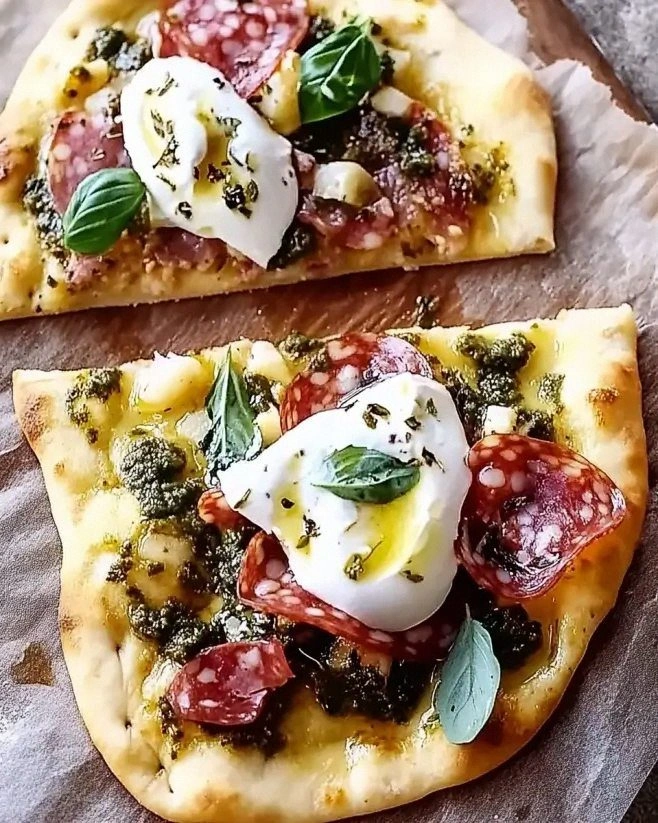
I was standing in my kitchen, half‑asleep, staring at a half‑baked flatbread that smelled like a bland tortilla and wondering why my cravings for a proper charcuterie board kept nagging at me. I had tried the usual “just slap some cheese on a pizza crust” trick, and it turned out about as exciting as watching paint dry on a rainy Tuesday. Then a friend dared me to combine the two worlds – a full‑blown charcuterie spread on a crispy flatbread – and I thought, “Why not? I’ll prove that a snack can be an experience.” The result? A masterpiece that makes the ordinary feel like a red‑carpet event, and I’m still buzzing every time I think about it.
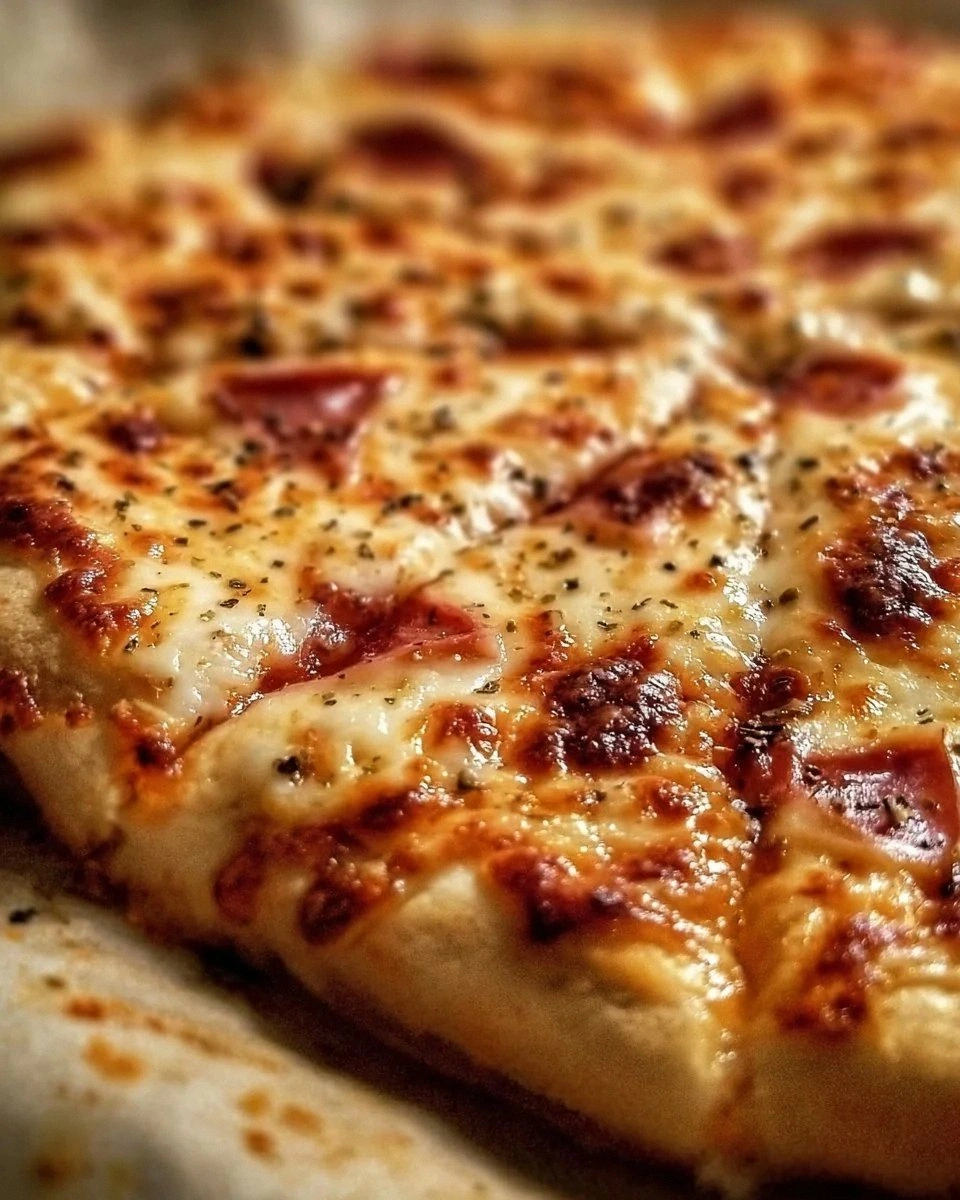
Picture this: the oven door swings open, releasing a wave of aromatic garlic and oregano that dances with the salty perfume of cured meats. The flatbread’s edges curl up like a sun‑kissed coastline, crisp enough to snap but soft enough to fold without crumbling. The cream cheese base spreads like a velvet blanket, while the mozzarella bubbles into golden pockets that stretch like taffy when you pull a slice apart. On top, the olives and cherry tomatoes pop with juiciness, and fresh basil leaves flutter in like confetti at a celebration. Every bite is a symphony of salty, tangy, creamy, and herbaceous notes that makes your taste buds do a little happy dance.
Most recipes out there try to shortcut this experience by using pre‑shredded cheese or pre‑sliced meats, but they end up tasting like a grocery‑store deli’s “quick fix.” This version stands out because I’ve honed every step to maximize flavor, texture, and visual wow‑factor. The secret? A quick butter‑oil blend that fries the flatbread just enough to give it that irresistible crunch, and a finishing drizzle of olive oil that locks in moisture while adding a glossy sheen. I’ll be honest — I ate half the batch before anyone else got a chance to try it, and that’s a confession I’m proud to own.
If you’ve ever struggled with soggy flatbreads, uneven cheese melt, or a bland charcuterie spread that never quite hits the mark, you’re not alone. I’ve been there, and I’ve cracked the code. The technique I’m about to share involves a few surprising steps, like letting the cream cheese sit at room temperature for a minute before spreading and using a high‑heat broiler for the final minute of cooking. I dare you to taste this and not go back for seconds. Let me walk you through every single step — by the end, you’ll wonder how you ever made it any other way.
What Makes This Version Stand Out
- Flavor Explosion: The combination of garlic‑infused oil, oregano, and fresh basil creates a layered herb profile that’s more complex than a typical pizza.
- Texture Contrast: Crispy, slightly charred edges meet a creamy, melt‑in‑your‑mouth interior, delivering a satisfying bite every time.
- Simplicity: With just a handful of pantry staples and a quick 30‑minute cook, you get a gourmet‑level dish without a culinary degree.
- Unique Presentation: The flatbread serves as an edible board, turning a snack into a show‑stopping centerpiece that invites sharing.
- Crowd Reaction: Guests invariably ask for the recipe, and the “wow” factor is so high that it becomes the talk of the party.
- Ingredient Quality: Using high‑quality cured meats and fresh olives elevates the dish from ordinary to extraordinary.
- Cooking Method: A brief stovetop sear followed by a broiler finish guarantees even browning and prevents sogginess.
- Make‑Ahead Potential: Assemble the toppings ahead of time; the flatbread can be cooked just before serving for ultimate freshness.
Inside the Ingredient List
The Flavor Base
The heart of this dish starts with a simple mixture of olive oil, garlic powder, and dried oregano. The oil acts as a conductor, spreading the aromatics evenly across the flatbread, while the garlic powder delivers a deep, roasted flavor that’s less harsh than fresh garlic. Oregano brings that Mediterranean whisper that ties the cured meats and olives together. If you skip the oregano, you’ll lose the herbaceous backbone, and the flatbread can feel one‑dimensional. For a twist, try swapping oregano for fresh thyme leaves, but remember to add them at the end to preserve their bright flavor.
The Texture Crew
Shredded mozzarella is the melt‑master here, creating those glorious golden bubbles that stretch like taffy when you pull a slice apart. The cream cheese, softened to room temperature, adds a silky layer that prevents the flatbread from drying out while contributing a subtle tang. If you’re dairy‑sensitive, a plant‑based cream cheese will work, but the texture won’t be quite as luxurious. The flatbreads themselves are the canvas; choose a thick, artisanal style for extra chew, or a thin, crisp variety if you prefer a cracker‑like crunch.
The Unexpected Star
Mixed olives bring a briny pop that cuts through the richness of the cheese and meats. Their salty, slightly bitter notes balance the sweet acidity of cherry tomatoes, creating a harmonious flavor dance. Opt for a medley of Kalamata, green, and black olives for visual variety and a spectrum of tastes. If you’re allergic to olives, capers can step in, but they’re more pungent, so use half the amount.
The Final Flourish
Fresh basil leaves are the final aromatic kiss, added after cooking to preserve their bright, peppery flavor. If you add them too early, the heat wilts them into a dull green, losing that fresh pop. A light sprinkle of sea salt and cracked black pepper just before serving awakens every component, ensuring each bite is perfectly seasoned. For a spicy kick, a pinch of red‑pepper flakes can be tossed in with the olive oil.
Everything's prepped? Good. Let's get into the real action...
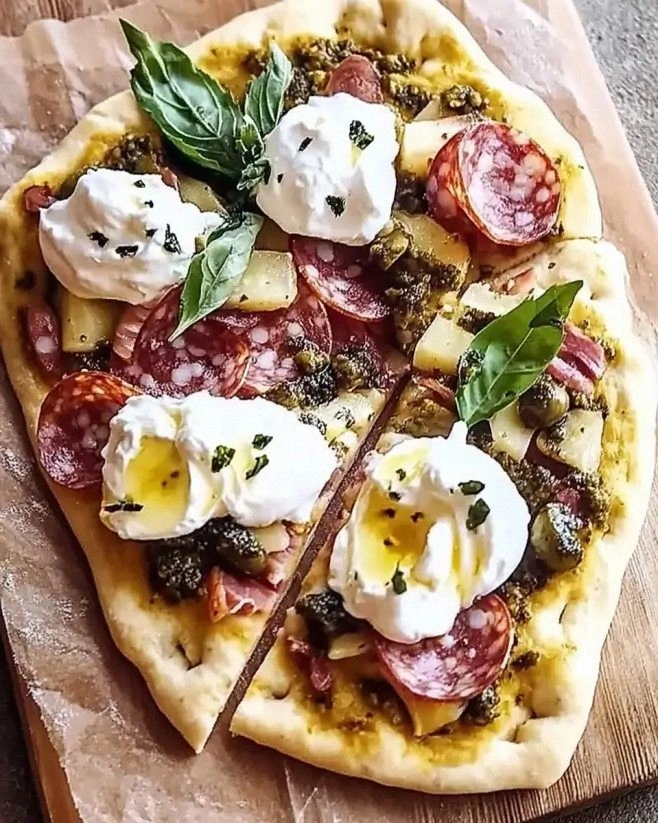
The Method — Step by Step
Preheat your oven to 425°F (220°C) and position a rack in the middle. While the oven warms, lay the flatbreads on a clean cutting board and pat them dry with a paper towel. This removes excess moisture that could lead to sogginess later. I dare you to skip this step and see the difference—trust me, the crust will thank you.
In a small bowl, whisk together 1 tablespoon olive oil, 1 teaspoon garlic powder, and 1 teaspoon dried oregano. The mixture should shimmer like liquid gold. Brush one side of each flatbread generously with the seasoned oil, making sure to coat the edges for that extra crunch. That sizzle when it hits the pan? Absolute perfection.
Place the oiled flatbreads, oil‑side down, onto a preheated cast‑iron skillet over medium‑high heat. Hear that initial hiss? That’s the sound of flavor forming a crust. Cook for 2‑3 minutes until the underside turns golden brown and the edges start to puff. Do not walk away from the stove here; a quick peek will save you from a burnt disaster.
While the flatbreads are searing, soften the 4 ounces of cream cheese in a microwave for about 15 seconds, just until it’s spreadable. Mix in a pinch of salt and pepper to taste. Spread a thin, even layer over the toasted side of each flatbread, leaving a small border. This creamy base acts like an adhesive for the toppings and keeps the bread from drying out.
Sprinkle 1 cup shredded mozzarella uniformly over the cream cheese. The cheese should cover the surface like a snowy blanket, but don’t overdo it—too much will weigh the flatbread down. Then distribute the sliced salami and prosciutto in an even layer, overlapping the pieces for visual appeal. The meat’s fat will render slightly, adding richness to every bite.
Scatter 1 cup mixed olives and 1 cup halved cherry tomatoes across the top. The olives should be spaced out to avoid clustering, while the tomatoes add bursts of acidity that cut through the richness. Drizzle a tiny drizzle of extra‑virgin olive oil over the entire surface; this helps the toppings brown evenly during the broil.
Transfer the skillet to the preheated oven, or if your skillet isn’t oven‑safe, slide the flatbreads onto a baking sheet. Broil on high for 2‑4 minutes, watching closely. You’re looking for the mozzarella to melt, bubble, and turn a light golden brown—think of it as the “cheese‑kiss” stage. The edges should crisp up further, pulling away from the pan as if they’re ready to be lifted.
Remove the flatbreads from the oven and immediately scatter 1/4 cup fresh basil leaves over the hot surface. The residual heat wilts the basil just enough to release its aroma without turning it mushy. Finish with a final pinch of salt and freshly cracked black pepper. Let the flatbreads rest for 2 minutes—this short pause lets the cheese set, making slicing cleaner.
Slice each flatbread into generous wedges, arrange them on a serving platter, and watch your guests’ eyes widen. Picture yourself pulling this out of the oven, the whole kitchen smelling incredible, and everyone reaching for a piece before you can say “bon appétit.” That moment? Pure magic. That’s it — you did it. But hold on, I've got a few more tricks that'll take this to another level...
Insider Tricks for Flawless Results
The Temperature Rule Nobody Follows
Most home cooks bake at 350°F, assuming a slower heat will give a more even bake. In reality, a hot oven (425°F) creates an instant crust while keeping the interior soft. The high heat also encourages the cheese to bubble rapidly, forming those coveted golden spots. I once tried a low‑and‑slow approach and ended up with a soggy, cheese‑laden pancake. Trust the heat; it’s the secret weapon for that perfect crunch.
Why Your Nose Knows Best
Your sense of smell is a reliable indicator of doneness. When the flatbread edges start to smell nutty and the cheese releases a toasty aroma, you’re on the right track. If you ever feel unsure, pause and inhale deeply—the moment the scent shifts from raw dough to caramelized butter, you know it’s time to pull the flatbread out. This sensory shortcut saved me from a burnt disaster more times than I can count.
The 5‑Minute Rest That Changes Everything
After broiling, let the flatbread sit for exactly five minutes before cutting. This brief rest allows the cheese to firm up, preventing it from sliding off the slice. It also gives the olive oil a chance to re‑absorb into the toppings, enhancing flavor depth. Skipping this step results in a sloppy mess that slides off the plate—no one wants that.
Olive Oil Finish
A light drizzle of high‑quality extra‑virgin olive oil right before serving adds a glossy finish and a burst of fruity flavor. It’s the culinary equivalent of a final coat of varnish on a masterpiece painting. I once tried a butter‑only finish and found the flavor a bit one‑dimensional; the olive oil brings that bright, peppery note that lifts the entire dish.
Seasoning Layers
Season in stages: a pinch of salt in the cream cheese, a dash of pepper on the olives, and a final sprinkle after baking. This layered approach ensures every component is seasoned without overwhelming any single flavor. A friend tried seasoning only at the end and complained the flatbread tasted flat—layering is key.
Creative Twists and Variations
This recipe is a playground. Here are some of my favorite ways to switch things up:
Mediterranean Sunrise
Swap the mozzarella for feta crumbles and add thin slices of roasted red pepper. The tangy feta complements the olives, while the sweet peppers add a pop of color. Perfect for brunch when you want a sunny, savory start.
Spicy Southwest
Introduce chipotle powder into the oil mixture and replace the prosciutto with chorizo. Add a handful of corn kernels and a drizzle of lime crema after baking. This version packs a smoky heat that will make your guests reach for a glass of milk.
Vegan Delight
Use a plant‑based cream cheese and vegan mozzarella, and swap the cured meats for marinated grilled tempeh strips. The olives and cherry tomatoes remain the same, keeping the flavor profile intact while catering to plant‑based diners.
Sweet & Savory
Add thin slices of fresh pear and a drizzle of honey after broiling. The sweet fruit balances the salty meats, creating a sophisticated flavor contrast reminiscent of a cheese board at a fancy soirée.
Herb‑Infused Crunch
Mix finely chopped rosemary and thyme into the olive oil before brushing. Sprinkle toasted pine nuts over the top before serving for an added nutty crunch. This variation elevates the herbaceous notes and adds texture.
Storing and Bringing It Back to Life
Fridge Storage
Allow the flatbread to cool completely, then wrap tightly in aluminum foil or place in an airtight container. It will stay fresh for up to 2 days. When ready to eat, reheat in a preheated 350°F oven for 8‑10 minutes, uncovered, to revive the crisp edges.
Freezer Friendly
If you want to make a batch ahead of time, assemble the flatbread up to the point of adding fresh basil, then wrap each piece individually in parchment and foil. Freeze for up to 1 month. To serve, thaw in the refrigerator overnight, then broil for 3‑4 minutes to bring back that golden finish.
Best Reheating Method
Add a tiny splash (about a teaspoon) of water to the flatbread before reheating; the steam generated prevents the bread from drying out while the cheese regains its meltiness. Use a skillet over medium heat for 2‑3 minutes per side, or the oven method described above for a larger batch. This trick restores the original texture without sacrificing flavor.