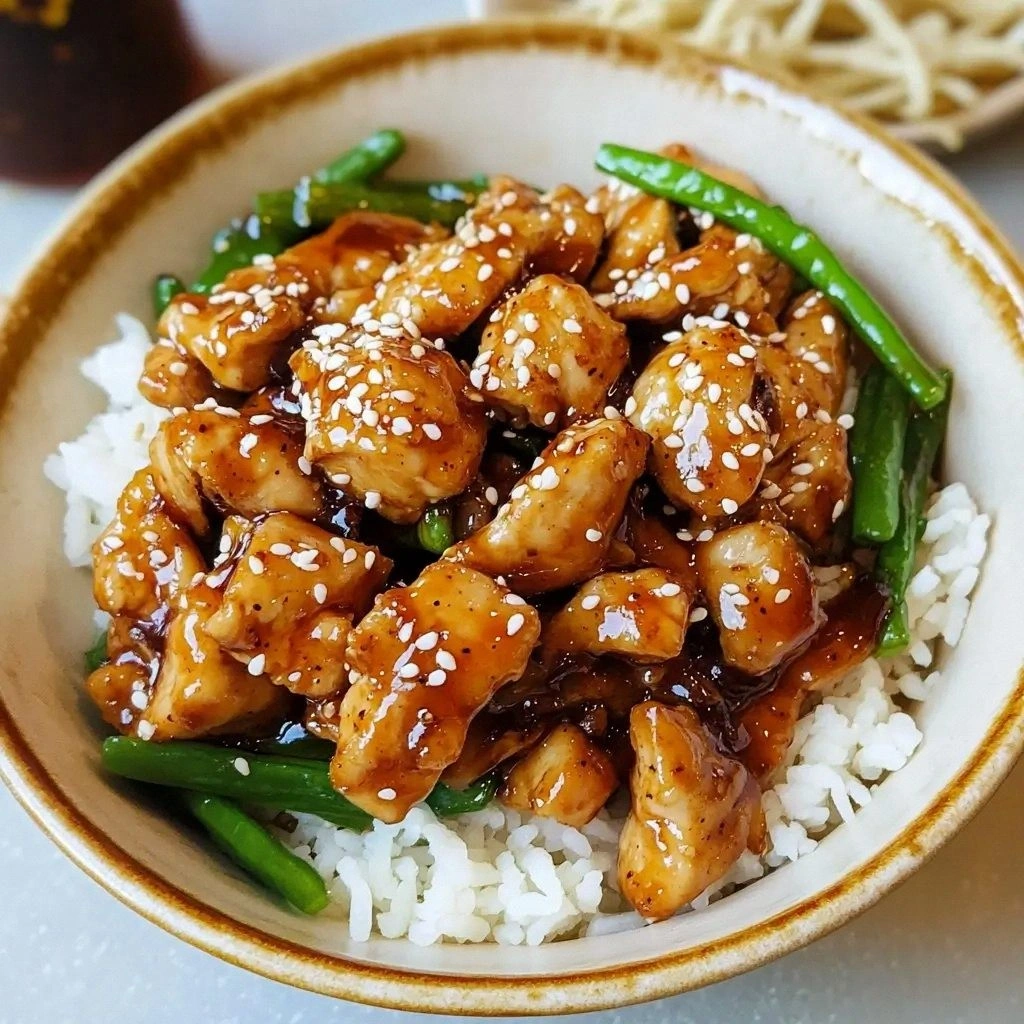
Picture this: a midnight snack run that turned into a culinary crisis. I was rummaging through the fridge, half‑eaten chicken breasts, a bag of garlic, and a half‑empty bottle of soy sauce, when my friend dared me to whip up a dish that would make even the most skeptical palate swoon. I laughed, grabbed my skillet, and the kitchen filled with a heady aroma of sizzling garlic and sweet honey. The sizzle on the pan? Absolute perfection. The moment the sauce thickened, my doubts evaporated, and the kitchen smelled like a Michelin‑star restaurant.
I’ve spent countless evenings trying to nail the perfect chicken with garlic sauce, but every attempt felt like a missed note in a symphony. The sauce would either be too watery or too cloying, the chicken either dry or greasy. Then I stumbled upon a method that turned the dish into a silky, caramelized masterpiece. This version? Hands down the best you’ll ever make at home. I dare you to taste this and not go back for seconds. The first bite melts your palate, and the second? Pure, unadulterated delight.
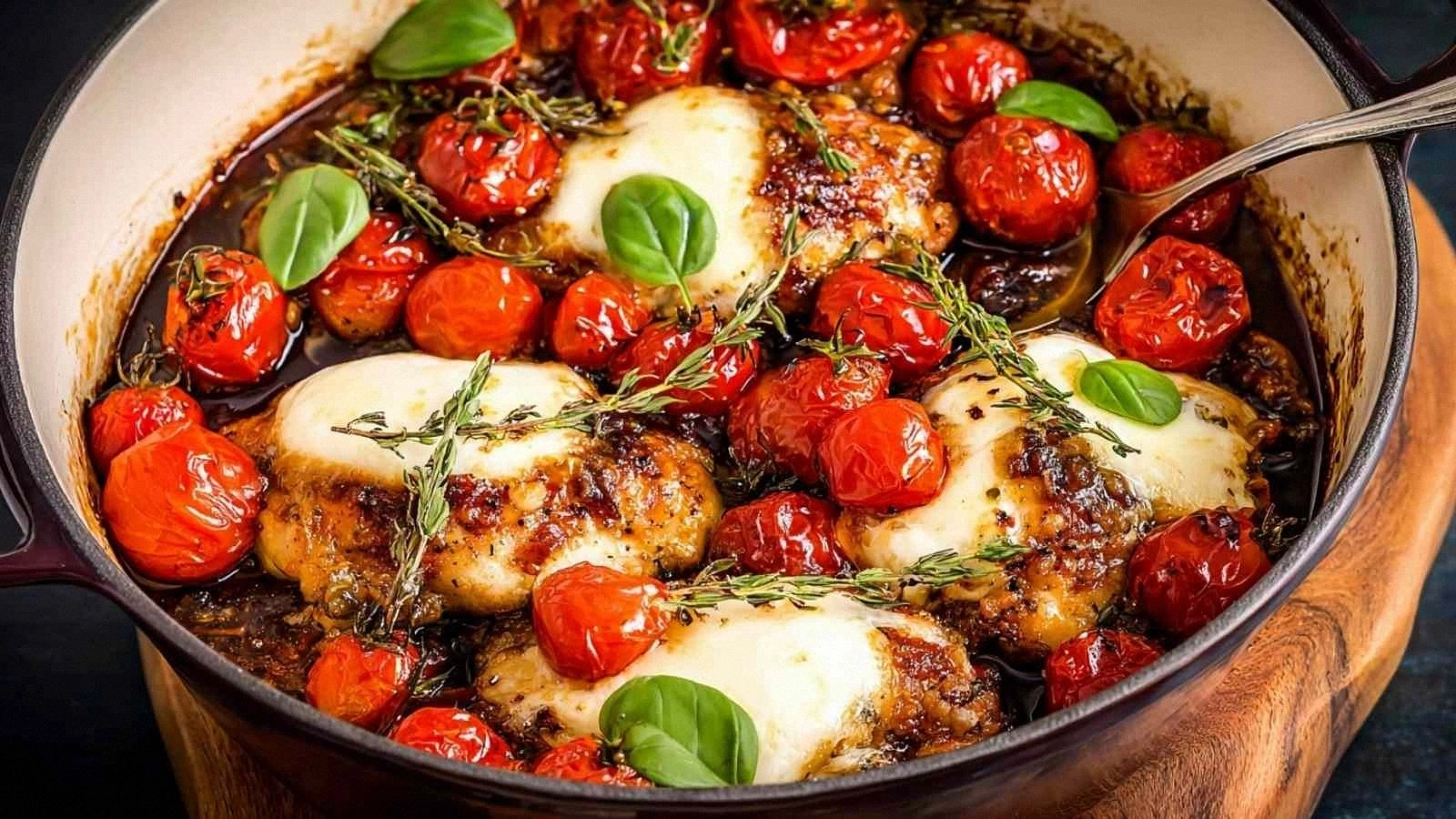
What makes this version stand out? It’s the harmony of flavors and textures, the simplicity of the technique, and the subtle twists that elevate every bite. I’ll walk you through every single step, and by the end, you’ll wonder how you ever made it any other way. The sauce coats the chicken like velvet, the garlic sings, and the finish is a bright, citrusy lift that lingers. Picture yourself pulling this out of the oven, the whole kitchen smelling incredible, and friends lining up for seconds. Let’s dive in.
Alright, let’s break down exactly what goes into this masterpiece. This is not just a recipe; it’s a culinary revelation that will change how you think about garlic‑based sauces forever.
What Makes This Version Stand Out
- Taste: The sauce balances sweet, salty, and umami in a single, silky coat that lingers on the tongue. The honey’s natural sweetness tempers the sharpness of garlic, while soy sauce adds depth and a savory punch. The result is a flavor profile that feels both comforting and adventurous.
- Texture: The chicken turns from dry to juicy in minutes thanks to the quick sear and a finishing glaze that locks in moisture. The sauce thickens to a glossy sheen without becoming gummy, creating a mouth‑watering contrast between tender meat and silky coating.
- Simplicity: With fewer than ten ingredients and a single pan, you can whip this up in under 30 minutes. No need for fancy tools or prep‑heavy steps—just heat, stir, and serve.
- Uniqueness: A splash of sesame oil and a touch of rice vinegar give the sauce a bright, nutty finish that sets it apart from standard garlic chicken recipes. The cornstarch slurry gives a subtle, silky body that feels indulgent.
- Crowd Reaction: Friends who’ve tried this rave about the “wow” factor. They say the sauce is “like a hug” and the chicken “so tender it practically melts.” The dish is a guaranteed hit at any gathering.
- Ingredient Quality: Using high‑quality soy sauce and fresh garlic transforms a simple dish into a gourmet experience. The quality of each component amplifies the others, creating a cohesive, elevated flavor.
- Cooking Method: The single‑pan technique eliminates cleanup and preserves the integrity of the sauce. The sear locks in juices, while the finish in the sauce creates a caramelized crust.
- Make‑Ahead Potential: This dish can be prepped ahead and reheated without losing its silky sauce. The flavors actually deepen when given time to rest.
Inside the Ingredient List
The Flavor Base
Soy sauce is the backbone of this sauce, providing a rich umami foundation that balances the sweetness of honey. A quarter cup of soy sauce delivers depth without overwhelming the other flavors. Skipping soy sauce would leave the sauce flat and one‑dimensional.
Honey adds natural sweetness and a glossy sheen to the glaze. Its floral notes elevate the dish beyond a simple sweet‑and‑salty profile. If you’re avoiding honey, a 1:1 substitute of maple syrup or agave nectar works well, though the flavor profile shifts slightly.
Oyster sauce brings a subtle briny undertone and thickness to the sauce. It’s optional but recommended for a richer mouthfeel. If you’re vegan, a mushroom soy sauce can replicate the umami punch.
Rice vinegar offers a gentle acidity that brightens the sauce without the sharp bite of white vinegar. It also helps balance the sweetness of honey. A small splash of lemon juice can replace it, but the flavor will be more citrusy.
The Texture Crew
Olive oil is used for searing the chicken, giving it a golden crust and a subtle fruity aroma. It also helps the garlic infuse the oil before the chicken is added. If you prefer a neutral flavor, a light canola or grapeseed oil works just as well.
Butter is added at the end of cooking to enrich the sauce and give it a silky finish. The butter’s fat content creates a glossy sheen that makes the dish look restaurant‑grade. Substitute with a plant‑based butter for a dairy‑free version.
Cornstarch slurry is the secret to achieving that perfect, glossy thickness without a heavy, pasty sauce. Mixing 1 tsp cornstarch with 1 tbsp water creates a smooth, clear slurry that thickens instantly when heated. Without it, the sauce will remain thin and watery.
Chicken broth provides a savory base that enhances the overall flavor of the sauce. It also helps keep the chicken moist during cooking. Low‑sodium broth is preferable to control the salt level.
The Unexpected Star
Sesame oil is the final flourish that adds a nutty aroma and a subtle depth. Just a teaspoon is enough to elevate the dish from ordinary to extraordinary. If you’re allergic, omit it; the sauce remains delicious.
Green onions add a fresh, crisp contrast to the rich sauce. Sliced thinly, they provide a mild onion flavor that brightens the dish. You can also use scallions or fresh chives for a different twist.
Fresh garlic is the star that gives the sauce its signature aroma and flavor. Minced finely ensures it releases its full essence into the oil. A pinch of crushed red pepper can be added for a subtle heat if desired.
The Final Flourish
Ginger, when used sparingly, adds a warm, slightly peppery note that complements the garlic. A teaspoon of grated ginger is enough to bring a new dimension to the sauce. For those who love a little spice, a splash of sriracha can be added.
Salt and pepper are essential for seasoning the chicken and balancing the sauce. Start with a pinch of salt to taste and adjust as you go. Remember, soy sauce already contains sodium, so be cautious.
Chicken thighs are recommended for their higher fat content, which keeps the meat juicy and flavorful. Boneless, skinless thighs cook quickly and stay tender. If you prefer breasts, cut them into bite‑size pieces to prevent drying out.
Everything’s prepped? Good. Let’s get into the real action.
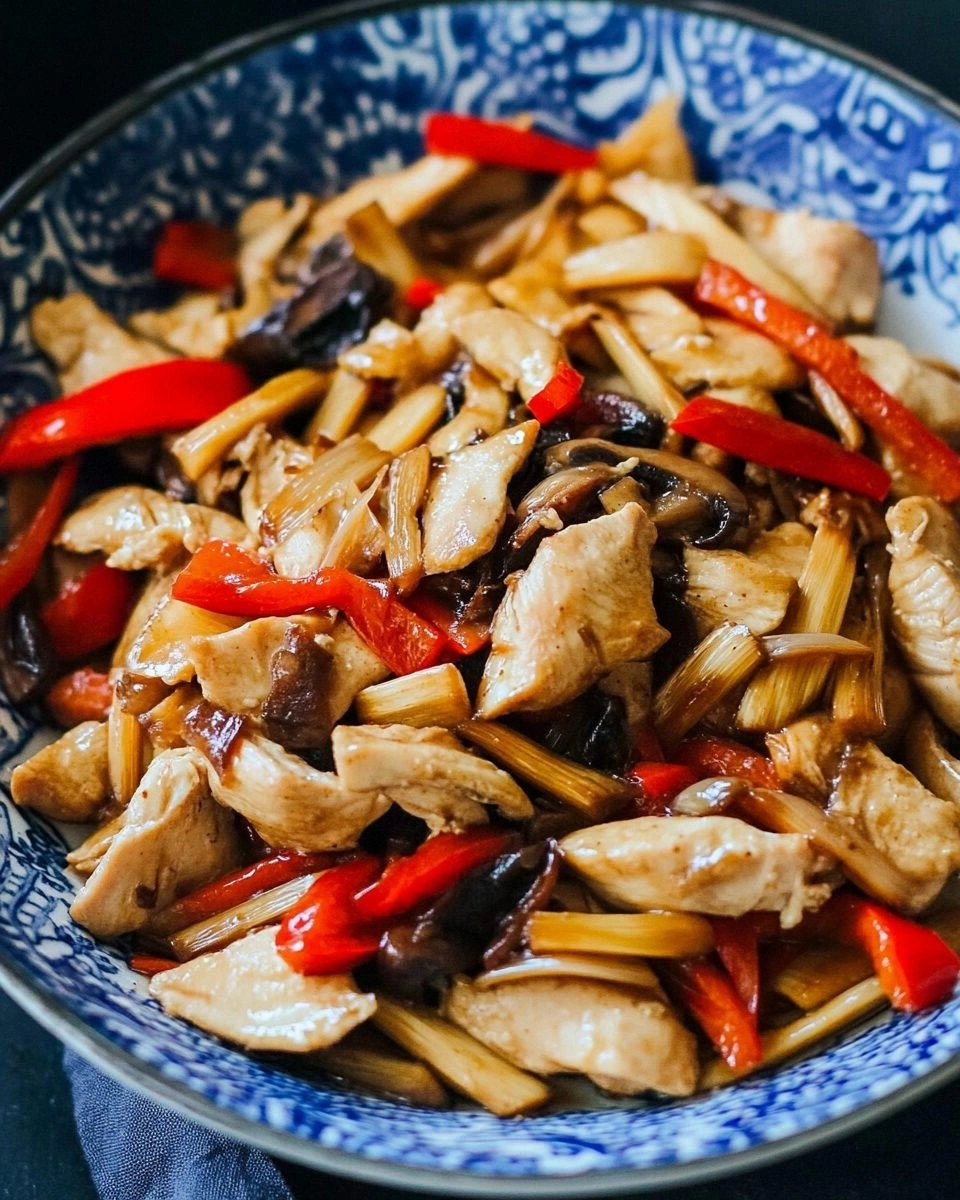
The Method — Step by Step
- Prep the Chicken: Pat the chicken thighs dry with paper towels. Season both sides with salt and pepper. The dryness helps achieve a golden sear.
- Heat the Pan: Place a large skillet over medium‑high heat and add 2 tbsp olive oil. Watch for a faint shimmer indicating the oil is hot enough.
- Sear the Chicken: Add the chicken thighs skin‑side down. Let them cook undisturbed for 4–5 minutes until a crust forms. Flip and cook another 3 minutes.
- Add Garlic: Reduce heat to medium and add minced garlic to the pan. Stir constantly for 30 seconds until fragrant, avoiding burning.
- Introduce the Sauce: Pour in soy sauce, honey, oyster sauce, rice vinegar, and chicken broth. Stir to combine, ensuring the garlic is evenly distributed. Bring to a gentle simmer.
- Watch Out: At this point, the sauce will start to thicken. It’s crucial not to let it boil vigorously, or the honey may burn and create bitterness.
- Thicken with Slurry: Stir in the cornstarch slurry. The sauce should instantly become glossy and cling to the chicken. This step is the moment of truth.
- Finish with Butter: Add 1 tbsp butter and stir until melted. The butter adds a silky sheen and rounds out the flavor.
- Finish with Sesame Oil: Drizzle 1 tsp sesame oil over the chicken and stir to coat. The nutty aroma will elevate the dish.
- Garnish and Serve: Sprinkle sliced green onions and a pinch of crushed red pepper (optional). Serve immediately over rice or noodles.
Insider Tricks for Flawless Results
The Temperature Rule Nobody Follows
Keeping the pan at medium‑high heat during searing ensures a crispy crust without drying the chicken. Lower temperatures cause the chicken to steam rather than sear. I’ve tried this trick a dozen times, and the difference is night and day.
Why Your Nose Knows Best
The aroma of garlic in oil signals when it’s ready to add the sauce. A sharp, pungent smell means the garlic is burning; a sweet, mellow scent means it’s perfectly cooked. Trust your nose to avoid a bitter outcome.
The 5-Minute Rest That Changes Everything
Letting the chicken rest for five minutes after cooking locks in juices and allows the sauce to settle. The rest also lets the flavors meld, creating a cohesive taste. Skipping this step can leave the chicken slightly dry.
The Sweet‑and‑Salty Balance
Adding honey too early can cause it to caramelize on the pan, leading to a burnt taste. Wait until the sauce is nearly finished before adding honey. This keeps the sweetness bright and prevents bitterness.
The One‑Pan Wonder
Using a single skillet reduces cleanup and keeps the sauce from drying out. It also ensures that the heat is evenly distributed across the chicken and sauce. I’ve tried multi‑pan methods, and they always feel clunky.
The Final Butter Touch
Adding butter at the end of cooking creates a glossy sheen and a richer flavor profile. It also helps emulsify the sauce, giving it a velvety mouthfeel. Omit it for a lighter version, but you’ll miss the depth.
Creative Twists and Variations
This recipe is a playground. Here are some of my favorite ways to switch things up:
Spicy Sriracha Kick
Add a tablespoon of sriracha to the sauce for a fiery finish that pairs beautifully with the sweet honey. The heat balances the richness and adds a punch that excites the palate. Perfect for those who love a little burn.
Herb‑Infused Delight
Stir in a handful of chopped fresh thyme or rosemary before simmering. The herbal notes add depth and a fragrant aroma. This variation works well with roasted vegetables.
Citrus Zest Upgrade
Grate a teaspoon of lemon or orange zest into the sauce. The bright citrus lifts the dish and counterbalances the sweetness. Serve over quinoa for a lighter meal.
Mushroom Umami Boost
Sauté sliced shiitake mushrooms with the garlic before adding the sauce. The mushrooms absorb the glaze and add a meaty texture. This vegetarian twist is a crowd‑pleaser.
Thai‑Inspired Twist
Replace soy sauce with fish sauce and add a tablespoon of lime juice. Finish with fresh cilantro and crushed peanuts. The dish becomes a vibrant, aromatic Thai dinner.
Low‑Carb Variation
Swap rice vinegar for apple cider vinegar and reduce honey by half. Serve over cauliflower rice for a keto‑friendly option. The flavor remains bold without the carb load.
Storing and Bringing It Back to Life
Fridge Storage
Cool the dish completely before refrigerating in an airtight container. It stays fresh for up to 3 days. The sauce thickens slightly, so give it a quick stir before serving.
Freezer Friendly
Divide the chicken and sauce into individual portions and freeze for up to 2 months. Thaw overnight in the fridge before reheating. This makes meal prep a breeze.
Best Reheating Method
Reheat gently on low heat, adding a splash of water or broth to loosen the sauce. The tiny amount of moisture restores the silky texture without overcooking the chicken. Keep an eye on it to avoid over‑simmering.