I was standing in my kitchen on a rainy Tuesday, staring at a half‑baked, flat‑as‑a‑pancake bundt that had somehow decided to defy gravity. The timer went off, I opened the oven, and the only thing that greeted me was a faint, almost apologetic whiff of butter that had barely made it past the “raw” stage. I laughed, because honestly, who hasn’t had that moment where a cake looks like it’s auditioning for a role in a minimalist art exhibit? I dared myself to turn that disaster into something spectacular, and that dare turned into the most glorious, cinnamon‑swirled masterpiece you’ll ever slice into.
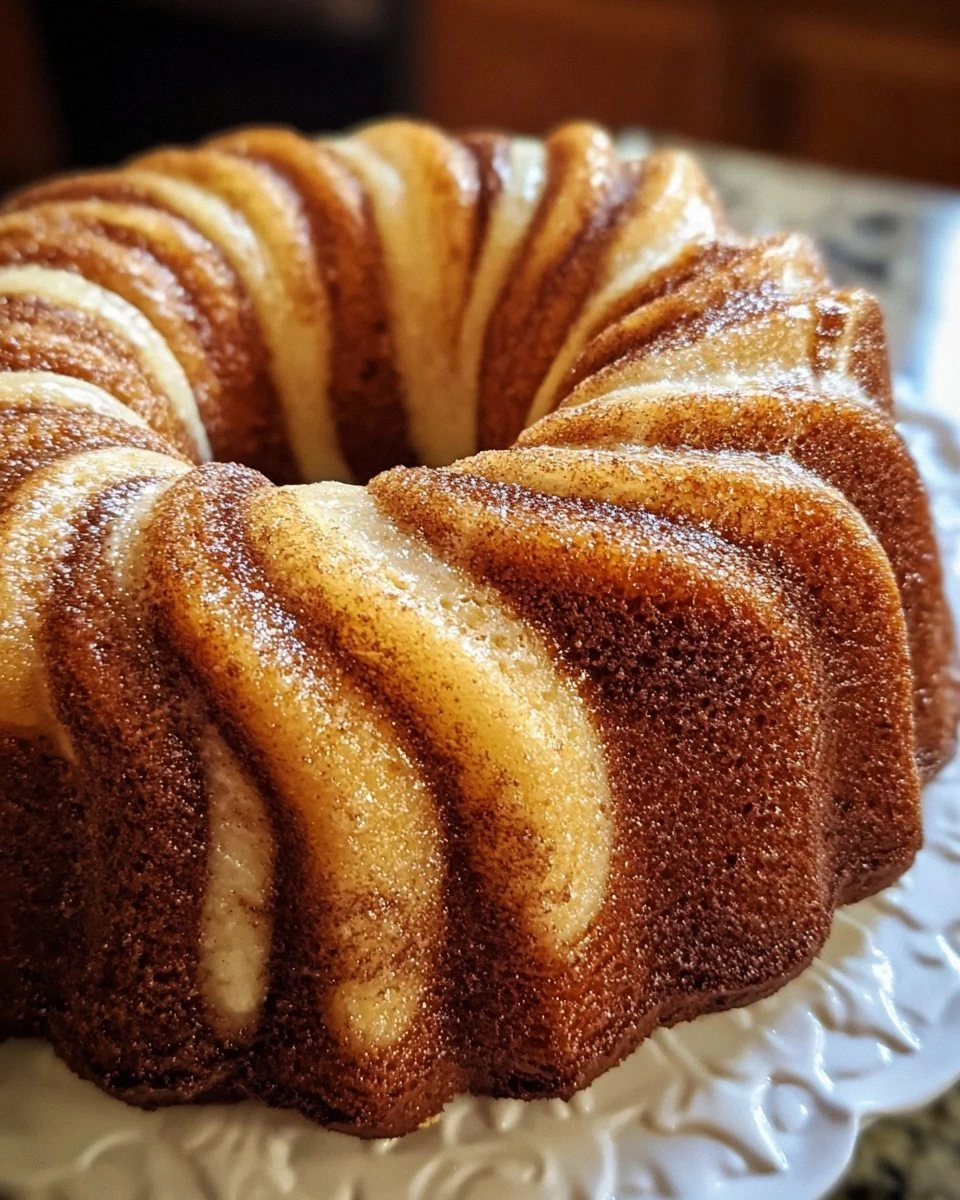
Picture this: the moment you pull the bundt from the oven, the kitchen is flooded with a warm, spicy perfume that makes the whole house feel like a cozy coffee shop on a crisp autumn morning. The glaze‑like cinnamon swirl glistens under the light, and the golden crust cracks just enough to reveal a tender, almost buttery crumb that practically melts on your tongue. The first bite is a symphony—crunchy caramelized edges, a soft, moist interior, and that unmistakable cinnamon‑sugar ribbon that swirls like a marble masterpiece. I’ll be honest — I ate half the batch before anyone else got a chance to try it, and I have no regrets.
Most bundt cake recipes out there either skip the swirl entirely or drown the cake in a sugary glaze that masks the flavor. Not this one. This version respects the cake’s structure while giving the cinnamon sugar its own stage, creating a marbled effect that’s both visually stunning and taste‑bud‑tantalizing. The secret? A simple technique that layers the batter with a cinnamon‑sugar mixture before it hits the oven, plus a splash of sour cream that guarantees a moist crumb without turning the cake into a dense brick. I’m about to spill the beans on that technique, and trust me, it’s a game‑changer.
Okay, ready for the game‑changer? I’m going to walk you through every single step — from selecting the perfect flour to the exact moment you decide whether to sprinkle walnuts on top. By the end, you’ll wonder how you ever made a bundt cake any other way, and I dare you to taste this and not go back for seconds. Let’s dive in and create a cinnamon swirl bundt cake that will become the talk of every brunch, birthday, or midnight snack.
What Makes This Version Stand Out
- Flavor Explosion: The cinnamon‑sugar swirl isn’t just a garnish; it’s woven into every bite, delivering a sweet‑spicy punch that’s balanced by a buttery base.
- Moisture Mastery: The addition of sour cream creates a tender crumb that stays soft for days, unlike many bundt cakes that dry out after the first slice.
- Texture Contrast: A crisp, caramelized crust meets a fluffy interior, giving you that satisfying “crunch‑then‑soft” sensation you crave.
- Simple Yet Sophisticated: Only ten ingredients, all pantry staples, yet the result feels like a bakery‑level treat.
- Customizable Crunch: Optional walnuts add a nutty crunch, but you can swap pecans, almonds, or go nut‑free without compromising the swirl.
- Make‑Ahead Friendly: This cake freezes beautifully, and a quick reheat brings back that fresh‑out‑of‑the‑oven aroma.
- Crowd‑Pleaser: Whether it’s a family brunch or a potluck, the visual marbling and comforting spice win over every palate.
- Effortless Technique: No fancy equipment needed—just a regular bundt pan, a whisk, and a little patience.
Inside the Ingredient List
The Flavor Base
All‑purpose flour is the backbone of any cake, providing structure and a neutral canvas for flavors to shine. Using a high‑quality, unbleached flour ensures a tender crumb without any metallic aftertaste. If you skip the flour or replace it with a gluten‑free blend, the cake may crumble or become overly dense, so stick with the classic unless you have dietary restrictions.
Baking soda and baking powder work together like a dynamic duo, creating lift and a light texture. The soda reacts with the acidity from the sour cream, while the powder gives an extra boost of rise. Omitting either will result in a flat, heavy cake that lacks the airy lift we all love.
The Texture Crew
Unsalted butter is the flavor hero, delivering richness without the interference of extra salt. I always recommend using real European‑style butter for a deeper, creamier taste. If you’re in a pinch, a good quality salted butter works, just cut back on any added salt in the recipe.
Granulated sugar not only sweetens but also contributes to the caramelized crust. The sugar crystals help create that golden edge that pulls away from the pan—think of it as the cake’s “crunchy crown.” Substituting with brown sugar will add a molasses note but may affect the texture of the swirl.
The Unexpected Star
Sour cream is the secret weapon that keeps the crumb moist and tender. Its slight tang balances the sweetness of the cinnamon sugar, giving the cake depth. If you don’t have sour cream, Greek yogurt or even buttermilk can step in, though the flavor profile will shift slightly.
Cinnamon sugar mixture is the signature swirl that defines this bundt. I blend 1/2 cup granulated sugar with 2 tablespoons of ground cinnamon, creating a fragrant, marbled ribbon that looks as good as it tastes. Skipping this step means you lose the visual drama and the aromatic punch that makes the cake unforgettable.
The Final Flourish
Large eggs act as binders, providing structure and adding richness. Using room‑temperature eggs ensures they incorporate smoothly, preventing lumps in the batter. If you replace eggs with a flaxseed “egg,” expect a denser crumb and a subtle nutty flavor.
Vanilla extract adds warmth and depth, turning a good cake into a great one. A splash of real vanilla beans would elevate the aroma even further, but the extract does the trick without breaking the bank. Skipping vanilla makes the cake taste flat, especially when paired with the bold cinnamon.
Chopped walnuts (optional) provide a delightful crunch that contrasts the soft crumb. Toast them lightly before folding in for an extra layer of flavor. If you’re allergic or simply don’t like nuts, feel free to omit them; the cake will still shine.
Everything's prepped? Good. Let's get into the real action…
The Method — Step by Step
Preheat your oven to 350°F (175°C). While the oven warms, generously grease a 10‑inch bundt pan with butter and dust it with a thin layer of flour, tapping out the excess. This step ensures the cake releases cleanly, preventing those dreaded sticky edges. If you hear a faint sizzle as the batter hits the pan later, that’s a good sign—your pan is ready for a perfect release.
In a large mixing bowl, whisk together the flour, baking soda, and baking powder until evenly combined. This aerates the dry ingredients, preventing clumps and guaranteeing an even rise.
Kitchen Hack: Sift the flour mixture into the bowl; the extra air introduced by sifting makes the crumb even lighter.In a separate bowl, cream the softened butter with granulated sugar until the mixture is pale and fluffy—about 3 minutes on medium speed. This process dissolves the sugar crystals, creating a glossy base that will later turn into that caramelized crust we adore. When the butter‑sugar blend looks like a cloud, you’re on the right track.
Add the eggs one at a time, beating well after each addition. Then stir in the vanilla extract and sour cream, mixing until the batter is smooth and slightly thick. The sour cream adds a subtle tang that balances the sweetness, and it also contributes to the moist texture that stays tender even after cooling.
Gradually fold the dry flour mixture into the wet ingredients using a spatula, turning the bowl upside down three times. This gentle folding preserves the air you built during creaming and prevents over‑mixing, which could develop gluten and make the cake tough.
Watch Out: Over‑mixing at this stage will result in a dense, rubbery cake—stop as soon as you no longer see streaks of flour.Divide the batter in half. To one half, gently fold in the cinnamon‑sugar mixture, making sure the spice ribbons are evenly distributed but not completely dissolved. The goal is a marbled effect, not a uniform cinnamon batter. If you prefer a more intense swirl, add a little extra cinnamon sugar to the second half.
Now comes the fun part: spoon dollops of the plain batter into the center of the greased bundt pan, then add dollops of the cinnamon‑swirled batter on top. Using a skewer or a butter knife, swirl the two batters together in a figure‑eight pattern, creating a beautiful marble that will bake into a stunning visual centerpiece. This step is pure magic—watch the batter dance.
If you’re using walnuts, sprinkle them over the top now, allowing them to sink slightly into the batter. The nuts will toast as the cake bakes, adding a fragrant, nutty crunch that pairs perfectly with the cinnamon. Remember, the nuts are optional, but they do elevate the texture profile dramatically.
Slide the pan into the preheated oven and bake for 30‑35 minutes, or until a toothpick inserted into the thickest part comes out clean and the edges start pulling away from the pan. The cake should be a deep golden brown, and you’ll hear a faint, comforting crackle as the crust forms. Resist the urge to open the oven door early; the heat needs to stay consistent for an even rise.
Allow the bundt cake to cool in the pan for 10 minutes, then invert it onto a wire rack. As it flips, the cinnamon swirl will settle into a glossy, caramelized glaze that looks like a work of art. Let it cool completely before slicing; this lets the flavors meld and the crumb set, giving you clean, perfect slices every time.
That's it — you did it. But hold on, I've got a few more tricks that'll take this to another level, ensuring every bite is as unforgettable as the first.
Insider Tricks for Flawless Results
The Temperature Rule Nobody Follows
Never bake a bundt cake straight from a cold pantry. Let the batter sit at room temperature for 15 minutes before pouring it into the pan. This small pause allows the butter and eggs to reach a uniform temperature, which translates to a more even rise and a softer crumb. One of my friends tried skipping this step and ended up with a cake that had a “pancake‑like” dense center—trust me, you don’t want that.
Why Your Nose Knows Best
Your sense of smell is the ultimate doneness gauge. Around the 25‑minute mark, you’ll start to detect a sweet, buttery aroma with a hint of caramel. When that scent becomes strong enough to make you want to peek into the oven, it’s a sign the crust is forming perfectly. If you rely solely on timers, you might over‑bake; trust your nose for that golden perfection.
The 5‑Minute Rest That Changes Everything
After the cake has cooled in the pan for ten minutes, give it a five‑minute rest on the rack before you slice. This short pause lets the steam redistribute, preventing the crumb from drying out and keeping the interior moist. I once sliced a bundt cake too early, and the texture was crumbly—adding those five minutes solved the problem instantly.
Walnut Toasting Whisper
If you decide to include walnuts, toast them in a dry skillet for 3‑4 minutes over medium heat before folding them into the batter. The toasting releases oils and deepens the flavor, turning a simple nut addition into a caramel‑kissed surprise. Skipping this step leaves the nuts raw and a bit bitter, which can clash with the sweet cinnamon swirl.
The Secret of the Swirl
When creating the marble, use a thin skewer or a disposable bamboo stick rather than a fork. The narrow tip creates tighter, more defined ribbons, while a fork can over‑mix and blur the pattern. This subtle tool swap makes the visual impact of the cake look bakery‑professional.
Creative Twists and Variations
This recipe is a playground. Here are some of my favorite ways to switch things up:
Maple‑Pecan Bliss
Swap the cinnamon sugar for a mixture of maple syrup and brown sugar, and replace walnuts with toasted pecans. The result is a caramel‑rich bundt with a deep autumnal vibe that pairs wonderfully with a cup of hot coffee.
Apple‑Cider Infusion
Add 1/4 cup of apple cider to the wet ingredients and fold in finely diced dried apples. The cider adds moisture and a subtle fruitiness, while the dried apples give tiny bursts of chewiness that echo a classic apple pie.
Chocolate‑Cinnamon Fusion
Mix 1/4 cup unsweetened cocoa powder into the plain batter and drizzle a dark chocolate glaze over the cooled cake. The bitterness of chocolate balances the sweet cinnamon, creating a sophisticated flavor duet.
Gluten‑Free Glory
Replace the all‑purpose flour with a 1:1 gluten‑free flour blend, and add a tablespoon of xanthan gum to maintain structure. The texture stays tender, and the flavor profile remains unchanged—perfect for guests with gluten sensitivities.
Zesty Orange Twist
Add the zest of one orange to the batter and a splash of orange extract to the cinnamon sugar. The citrus brightens the spice, delivering a fresh, spring‑time vibe that’s perfect for brunch.
Storing and Bringing It Back to Life
Fridge Storage
Cover the cooled bundt tightly with plastic wrap or store it in an airtight container. It will stay fresh for up to 5 days in the refrigerator. For an extra moisture boost, place a slice of fresh apple on top of the cake before sealing.
Freezer Friendly
Wrap the entire cake (or individual slices) in a double layer of foil and then place it in a freezer‑safe zip‑top bag. It freezes beautifully for up to 3 months. When you’re ready to enjoy, let it thaw in the fridge overnight, then bring it to room temperature before serving.
Best Reheating Method
To revive a slice, preheat your oven to 300°F (150°C), place the slice on a baking sheet, and add a tiny splash of water (about a teaspoon) on top. Cover loosely with foil and heat for 8‑10 minutes. The steam generated by the water restores the cake’s moisture, making it taste as if it just came out of the oven.