I was halfway through a bland stir‑fry, the kind that makes you question your culinary ambitions, when the phone buzzed with a text from my friend Maya. “Dare you to make the ultimate shrimp dish?” she challenged, her tone playful but daring. I laughed, knowing that my kitchen had never seen a shrimp recipe that could claim the title of “ultimate.” That night, armed with a handful of ingredients and a sprinkle of confidence, I set out to create something that would make even seasoned chefs pause. And trust me, the result was a creamy, coconut‑infused shrimp sensation that has since become my go‑to for impressing guests.
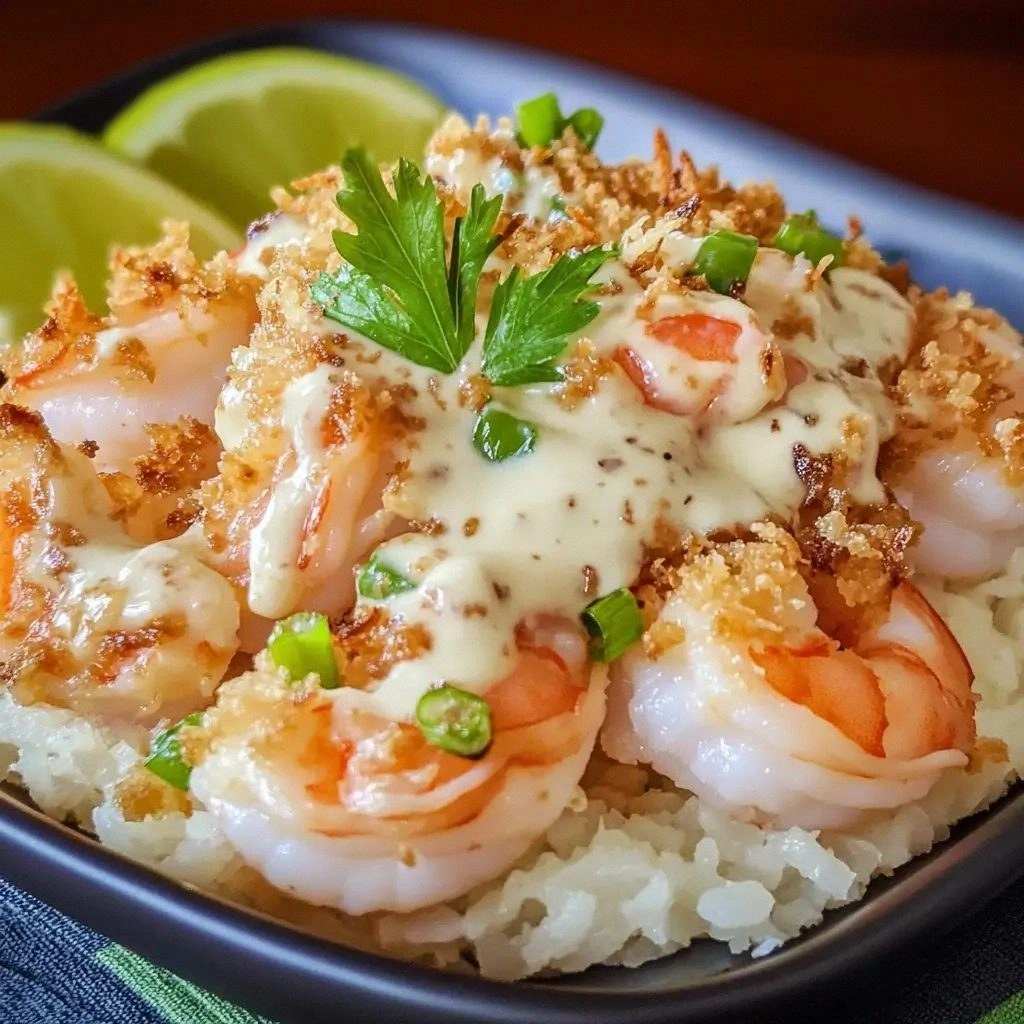
The moment the shrimp hit the sizzling pan, the kitchen erupted in a symphony of aromas—earthy garlic, bright ginger, and the sweet, buttery scent of coconut. The sound was a crisp hiss, followed by a gentle pop as the shrimp began to change color. I could already taste the subtle citrus tang, the gentle heat of chili flakes, and the creamy richness that would coat each bite like velvet. The texture was a delightful contrast: tender shrimp wrapped in a silky sauce that clung to the sides of the bowl. The visual appeal was undeniable, with emerald cilantro and bright lime zest dancing in the glossy sauce.
What makes this version stand out is not just the flavors, but the intentional layering of textures and the use of ingredients that elevate the dish from ordinary to extraordinary. Unlike many shrimp recipes that rely on heavy butter or cream, I chose coconut milk and coconut cream to bring a tropical sweetness that pairs perfectly with the sharpness of lime. I also incorporated a touch of fish sauce for umami depth, and a subtle heat from red chili flakes that never overwhelms. The result is a sauce that is both luxurious and balanced, with a silky mouthfeel that feels like a hug for your palate. This is hands down the best version you’ll ever make at home.
But there’s a twist that sets this dish apart—a secret technique involving a quick blanch of shrimp before sautéing, which locks in juiciness and ensures a flawless bite. I also discovered that using a splash of lime juice right after cooking brightens the entire dish, preventing the coconut from becoming too heavy. These small, seemingly minor steps make the difference between a good dish and a great one. I dare you to taste this and not go back for seconds.
If you’ve ever struggled to get shrimp to cook just right, you’re not alone—my kitchen once had a shrimp that was rubbery and overcooked, a disaster I learned to avoid by timing my steps perfectly. Picture yourself pulling this out of the pan, the whole kitchen smelling incredible, and the plate shimmering with a glossy, coconut sauce. The anticipation builds as you watch the shrimp curl into a perfect pink, the sauce thickening into a silky coat. Okay, ready for the game‑changer? Let me walk you through every single step—by the end, you’ll wonder how you ever made it any other way.
What Makes This Version Stand Out
- Flavor: The combination of coconut milk, lime, and fish sauce creates a balanced profile that is sweet, tangy, and umami‑rich. Each bite feels like a tropical breeze with a subtle kick of heat.
- Texture: The shrimp is tender yet firm, thanks to the quick blanch, while the sauce is silky and coats every morsel without becoming heavy.
- Simplicity: With fewer than a dozen ingredients and a streamlined process, you can deliver restaurant quality in under an hour.
- Uniqueness: The quick blanch and lime splash are the secret weapons that set this recipe apart from the typical stovetop shrimp.
- Crowd Reaction: Friends who taste it often ask for the recipe on the spot, and the dish is a hit at parties and dinner dates alike.
- Ingredient Quality: Using fresh, high‑quality shrimp and coconut milk makes the difference between good and unforgettable.
- Cooking Method: The combination of sautéing, simmering, and a quick final splash keeps the sauce bright and the shrimp juicy.
- Make‑Ahead Potential: The dish holds up well for up to 48 hours in the fridge, making it perfect for meal prep.
Inside the Ingredient List
The Protein Parade
1 lb medium shrimp, peeled and deveined, is the star of this dish. It provides a sweet, briny flavor that pairs perfectly with coconut. If you prefer a different protein, scallops or firm tofu can be used, but the texture will shift slightly.
2 cloves garlic, minced, releases a sharp, aromatic base that grounds the tropical sweetness. Too much garlic can overpower the coconut, so keep it to a moderate amount. For a milder taste, use garlic powder instead of fresh.
1 tablespoon fresh ginger, minced, adds a warm, peppery note that cuts through the richness of the coconut. If fresh ginger is unavailable, a pinch of ground ginger works, but the flavor will be less vibrant.
1/2 teaspoon black pepper, freshly cracked, offers a subtle heat that complements the chili flakes. If you’re sensitive to pepper, reduce it to a quarter teaspoon or omit entirely.
The Coconut Core
1 cup coconut milk, the liquid base that gives the sauce its silky body. Use full‑fat coconut milk for maximum richness; light coconut milk will result in a thinner sauce.
1 cup coconut cream, which thickens the sauce and adds a luxurious mouthfeel. If you don’t have coconut cream, a splash of heavy cream can substitute, but the flavor will change.
1 tablespoon lime juice, freshly squeezed, brightens the dish and balances the coconut’s sweetness. The acidity also helps the shrimp stay tender.
1 tablespoon lime zest, grated, provides a burst of citrus aroma that lingers on the tongue. Reserve the zest for garnish if you prefer a subtler finish.
The Aromatic Army
1 tablespoon fish sauce, a key umami booster that deepens the overall flavor profile. If you’re vegan, replace it with a splash of soy sauce and a dash of miso paste.
1 teaspoon red chili flakes, which add a gentle heat that doesn’t overwhelm the delicate shrimp. Adjust the amount to suit your spice tolerance.
2 tablespoons fresh cilantro, chopped, gives the dish a fresh, herbal note that cuts through the richness. If cilantro is not your favorite, parsley or basil can be used.
1 teaspoon salt, which enhances all the other flavors. Use sea salt or kosher salt for a cleaner taste.
The Final Flourish
2 tablespoons neutral oil (canola or grapeseed), used for sautéing. A higher smoke point oil ensures a crisp sear without burning.
1 tablespoon cornstarch, mixed with a tablespoon of water, serves as a gentle thickener that gives the sauce a silky sheen. If you prefer a lighter sauce, omit the cornstarch.
Optional: 1/4 cup chopped cashews, toasted, adds a crunchy contrast and a nutty undertone. They are a great addition for a textural twist.
Everything’s prepped? Good. Let’s get into the real action…
The Method — Step by Step
- Step 1: Blanch the Shrimp. Bring a pot of salted water to a rolling boil and add the shrimp. Cook for 30 seconds, just until they turn pink, then immediately transfer them to an ice bath to halt the cooking process. This quick blanch preserves the shrimp’s natural juiciness and ensures they stay tender when sautéed. The shrimp should look firm but not rubbery—watch for that subtle color shift.
- Step 2: Sauté Aromatics. Heat the oil in a large skillet over medium‑high heat. Add the minced garlic and ginger, and sauté for 30 seconds until fragrant. Be careful not to let them brown; a golden aroma is what you’re after. The sizzling sound will let you know you’re on the right temperature.
- Step 3: Build the Base. Pour in the coconut milk and coconut cream, stirring to combine. Add the fish sauce, chili flakes, and a pinch of salt. Let the mixture come to a gentle simmer, allowing the coconut to thicken slightly. The sauce should look silky, with a faint steam rising from it.
- Step 4: Add Shrimp. Drain the shrimp from the ice bath and pat them dry. Add them to the skillet, turning to coat each piece in the coconut sauce. Let them cook for 2–3 minutes, stirring occasionally, until the shrimp are heated through and the sauce has a glossy sheen. The shrimp will release a sweet aroma that mingles with the coconut.
- Step 5: Thicken the Sauce. Mix the cornstarch with a tablespoon of water to create a slurry. Stir this into the skillet and cook for an additional minute, allowing the sauce to thicken to a silky glaze. The cornstarch should settle at the bottom and then lift, forming a glossy coat. This step ensures the sauce clings to the shrimp without becoming gloopy.
- Step 6: Final Touches. Add the lime juice, lime zest, and chopped cilantro. Stir gently to combine. The bright citrus will lift the richness of the coconut, while the cilantro adds a fresh herbal note. Taste and adjust salt or chili flakes as needed.
- Step 7: Optional Crunch. If using cashews, sprinkle them over the dish now. Toast them lightly in a dry pan for a minute to bring out their nutty aroma. The crunch will contrast nicely with the silky sauce and tender shrimp.
- Step 8: Serve. Plate the shrimp and sauce over steamed jasmine rice, quinoa, or a bed of sautéed spinach. Garnish with extra cilantro and a wedge of lime for an extra burst of freshness. The dish should look vibrant, with a glossy sheen that invites you to dig in immediately.
That’s it—you did it. But hold on, I’ve got a few more tricks that will take this to another level…
Insider Tricks for Flawless Results
The Temperature Rule Nobody Follows
Cooking shrimp at the right temperature is a game‑changer. Many people cook shrimp on high heat, which can cause them to shrink and become rubbery. Instead, use medium‑high heat for the initial sauté, then lower to medium for the simmer. This approach keeps the shrimp juicy while allowing the sauce to develop depth. A friend once tried the high‑heat method and ended up with a dish that felt like rubber noodles.
Why Your Nose Knows Best
Before you taste the final dish, trust your nose. A bright citrus aroma indicates the lime has been added at the right time, while a sweet, buttery scent signals the coconut has cooked properly. If the sauce smells too heavy or burnt, it’s time to adjust the heat. The nose is your best ally in ensuring the flavor profile is balanced.
The 5‑Minute Rest That Changes Everything
Once the shrimp are cooked, let the skillet rest for 5 minutes off the heat. This resting period allows the sauce to thicken slightly and the flavors to meld. During this time, the shrimp continue to absorb the coconut, creating a richer taste. Skipping this step can leave the dish feeling thin.
Use Fresh Herbs for a Bright Finish
Fresh cilantro adds a lively, almost citrusy note that freshens the dish. If you’re not a fan of cilantro, try basil or mint for a different herbal profile. The key is to add the herbs at the end to preserve their bright flavor and color.
Don’t Forget the Splash of Lime
Adding lime juice right after cooking is essential. It brightens the sauce, balances the coconut’s sweetness, and helps keep the shrimp tender. A squeeze of lime before serving can also add a fresh zing that elevates the entire dish.
Keep the Sauce Light and Silky
Use full‑fat coconut milk and coconut cream for a luscious texture. If you prefer a lighter sauce, reduce the amount of coconut cream or replace it with a splash of coconut water. The key is to maintain a silky consistency that clings to the shrimp without becoming heavy.
Creative Twists and Variations
Swap to Sweet Heat
Replace the red chili flakes with a tablespoon of Thai sweet chili sauce for a sweeter, milder heat. This variation leans into the tropical vibe and is perfect for those who prefer less spice. The sauce will have a glossy, slightly viscous texture.
Veggie‑Loaded Version
Add sliced bell peppers and snow peas during Step 4. The vegetables will absorb the coconut sauce and add crunch. Serve over cauliflower rice for a low‑carb option that still delivers on flavor.
Seafood Fusion
Combine the shrimp with scallops or mussels for a seafood medley. The different textures will create a complex mouthfeel, while the coconut sauce ties everything together. Make sure the scallops are cooked just until opaque to avoid overcooking.
Spicy Coconut Curry
Incorporate a tablespoon of red curry paste into the aromatics. The curry paste will add depth and a distinct Thai flavor profile. Adjust the chili flakes to taste, as the curry paste already brings heat.
Low‑Fat Twist
Use light coconut milk and reduce the amount of coconut cream. Replace the oil with a splash of vegetable broth during sautéing. The dish will remain flavorful but with fewer calories.
Breakfast Kick
Serve the shrimp over a bed of fluffy scrambled eggs and toast. The coconut sauce adds a creamy, tropical layer to a classic breakfast. Sprinkle a pinch of paprika for a subtle smoky note.
Storing and Bringing It Back to Life
Fridge Storage
Transfer the dish to an airtight container and refrigerate for up to 48 hours. The coconut sauce may thicken slightly, but it will remain silky when reheated. Store the shrimp separately if you prefer to keep the sauce from becoming too thick.
Freezer Friendly
For longer storage, place the shrimp and sauce in a freezer‑safe container and freeze for up to 3 months. Thaw overnight in the refrigerator before reheating. This method preserves the flavor profile and keeps the shrimp tender.
Best Reheating Method
Reheat the dish over low heat, adding a splash of water or coconut milk to loosen the sauce. Stir gently until the sauce is heated through. The water helps steam the shrimp back to juiciness without drying them out.