Picture this: I’m standing in a kitchen that smells like a bakery on a summer afternoon, my hands covered in a sticky mess of flour, eggs, and a sudden burst of panic. I had just opened a bag of fresh strawberries, hoping to make a simple dessert, but the bowl of fruit turned into a crimson avalanche that splashed onto the counter and my apron. That moment felt like a culinary catastrophe, yet it sparked a daring idea: what if I could turn that chaos into a silky, airy mousse that’s both indulgent and guilt‑free? I dared myself to experiment with aquafaba, the liquid from a can of chickpeas, and the result was nothing short of a revelation.
The kitchen was a riot of colors—bright red strawberries, the golden glow of maple syrup, and the pale cream of coconut. The air carried a sweet, fruity scent that mingled with the faint citrus tang of vanilla, while the gentle hum of the blender filled the room. I could feel the coolness of the glass bowl against my fingertips, the slight resistance as the strawberries pulsed into a smooth puree. Each ingredient seemed to have a personality: the aquafaba, light and airy, promised lift; the agar powder, almost invisible, promised structure; the coconut cream, rich and velvety, promised decadence. Together, they formed a dance of flavors and textures that felt almost cinematic.
What makes this version stand out is that it’s the first time I’ve used aquafaba to create a mousse that actually holds its shape, yet remains lighter than a traditional custard. I’ve learned that the key is the precise balance of agar and aquafaba, and that the maple syrup not only sweetens but also deepens the strawberry’s natural sweetness. The result is a dessert that feels like a cloud of strawberries, with a hint of maple that lingers on the tongue. It’s hands down the best version you’ll ever make at home, and I’ll be honest—once I tasted it, I couldn’t wait to share it with anyone who’s ever struggled with a dessert that’s either too heavy or too dry.
Most recipes get this completely wrong. They either overwhip the aquafaba, causing a rubbery texture, or they under‑cure the agar, resulting in a runny mousse. The secret here is a delicate timing: whisk the aquafaba just until it holds stiff peaks, then fold it gently into the strawberry‑coconut mixture while the agar is still hot. That small trick keeps the mousse airy without compromising stability. Picture yourself pulling this out of the fridge, the whole kitchen smelling incredible, and watching the mousse settle into a glossy, jewel‑like dome. Stay with me here—this is worth it.
What Makes This Version Stand Out
- Taste: The combination of fresh strawberries and maple syrup creates a layered sweetness that feels both natural and indulgent. The maple’s caramel notes complement the tartness of the berries, giving the mousse a depth rarely achieved in simple desserts.
- Texture: The aquafaba provides a light, airy body while the agar powder sets the mousse into a firm yet melt‑in‑your‑mouth consistency. This dual structure gives the mousse a satisfying bite without any heaviness.
- Simplicity: You only need six ingredients, all of which you can find in a typical pantry or grocery aisle. No need for exotic gadgets or hard‑to‑find spices.
- Uniqueness: Aquafaba and agar are rarely combined in desserts, and this recipe showcases their potential in a way that feels both innovative and approachable.
- Crowd Reaction: Friends who’ve tried it say it tastes like a professional dessert, but it’s so easy to make that the secret is almost too good to keep.
- Ingredient Quality: Using fresh, organic strawberries and pure maple syrup elevates the flavor profile, making every bite feel like a premium treat.
- Cooking Method: The process involves minimal heat, preserving the delicate flavors of the fruit and the airy quality of the aquafaba.
- Make‑Ahead Potential: The mousse sets in the fridge within 30 minutes and can be prepared up to 24 hours in advance, making it ideal for parties or last‑minute dessert plans.
Inside the Ingredient List
The Flavor Base
Fresh strawberries are the heart of this mousse. They bring a natural tartness that balances the sweetness of the maple syrup. Choosing ripe, firm berries ensures a smooth puree without excess liquid. If you’re out of strawberries, a blend of raspberries and blueberries can work, but the flavor profile will shift slightly.
The Sweetener
Maple syrup is more than a sweetener—it’s a flavor enhancer that deepens the strawberry’s notes. Its subtle caramel undertones add complexity to the mousse. If you prefer a lighter sweetener, a drizzle of agave nectar can substitute, but the overall taste will be noticeably different.
The Aroma Booster
Vanilla extract adds warmth and depth, turning a simple fruit mousse into a luxurious dessert. A dash of vanilla bean paste gives a more pronounced aroma and a speckled texture that’s visually appealing. Avoid using vanilla powder, as it can impart a slightly bitter aftertaste.
The Creamy Backbone
Coconut cream provides a rich, tropical mouthfeel that balances the airy aquafaba. Its high-fat content gives the mousse a silky texture that coats the tongue. If you’re allergic to coconut, you can use a light coconut milk, but the mousse may be slightly thinner.
The Structural Star
Agar powder is a natural gelling agent that sets the mousse into a firm yet flexible structure. It’s plant‑based and free from the gelatin’s animal origins, making the dessert suitable for vegans. If you don’t have agar, gelatin can be used, but it won’t provide the same lightness.
The Airy Ingredient
Aquafaba, the liquid from a can of chickpeas, is the secret to the mousse’s airy texture. It’s a vegan alternative to egg whites and can be whipped into stiff peaks. If you can’t find aquafaba, you can use a small amount of aquafaba from a homemade chickpea stew, but the volume will be lower.
Everything’s prepped? Good. Let’s get into the real action.
The Method — Step by Step
- Step 1: Prep the strawberries. Wash the berries thoroughly, remove stems, and place them in a blender. Pulse until smooth, then strain through a fine‑mesh sieve to remove seeds. This creates a silky puree that won’t give the mousse a gritty texture. Keep the puree aside for the next step.
- Step 2: Whip the aquafaba. Pour 1/4 cup of aquafaba into a clean bowl. Using an electric mixer on medium speed, whisk until stiff peaks form. The peaks should hold their shape without collapsing. This step is crucial; overwhipping will make the mousse rubbery, while underwhipping will result in a runny texture.
- Step 3: Combine sweeteners. In a separate saucepan, gently heat 1/4 cup maple syrup with 1/2 teaspoon vanilla extract. Warm it just enough to make it pourable but not boiling. The syrup should emit a caramel aroma, signaling that the sugars are caramelized. This subtle step enhances the flavor profile of the mousse.
- Step 4: Blend the base. In a large mixing bowl, combine the strained strawberry puree, the warmed maple‑vanilla syrup, and the coconut cream. Mix until the mixture is uniform and the colors blend into a deep pink hue. The coconut cream should be at room temperature to prevent curdling.
- Step 5: Fold in the aquafaba. Gently fold the whipped aquafaba into the strawberry‑coconut mixture using a spatula. Do not overmix; you want to maintain the airy peaks. This step will give the mousse its signature lightness. If you see any lumps, gently stir them out.
- Step 6: Add the agar. Sprinkle 1 teaspoon agar powder over the mixture. Whisk vigorously to dissolve the powder completely. The mixture should start to thicken slightly, but it will not set yet. This is the moment of truth—watch the texture change.
- Step 7: Heat to activate the agar. Transfer the mixture to a small saucepan and heat over medium‑low, stirring constantly. Bring it to a gentle simmer—do not let it boil. The mixture should thicken and become slightly translucent. This step is tricky; if the heat is too high, the agar can lose its gelling ability.
- Step 8: Pour into serving dishes. Remove the saucepan from heat and let it cool for a minute. Then pour the warm mousse into individual ramekins or a large serving dish. The mixture will continue to thicken as it cools. This is when the mousse starts to solidify into a silky dome.
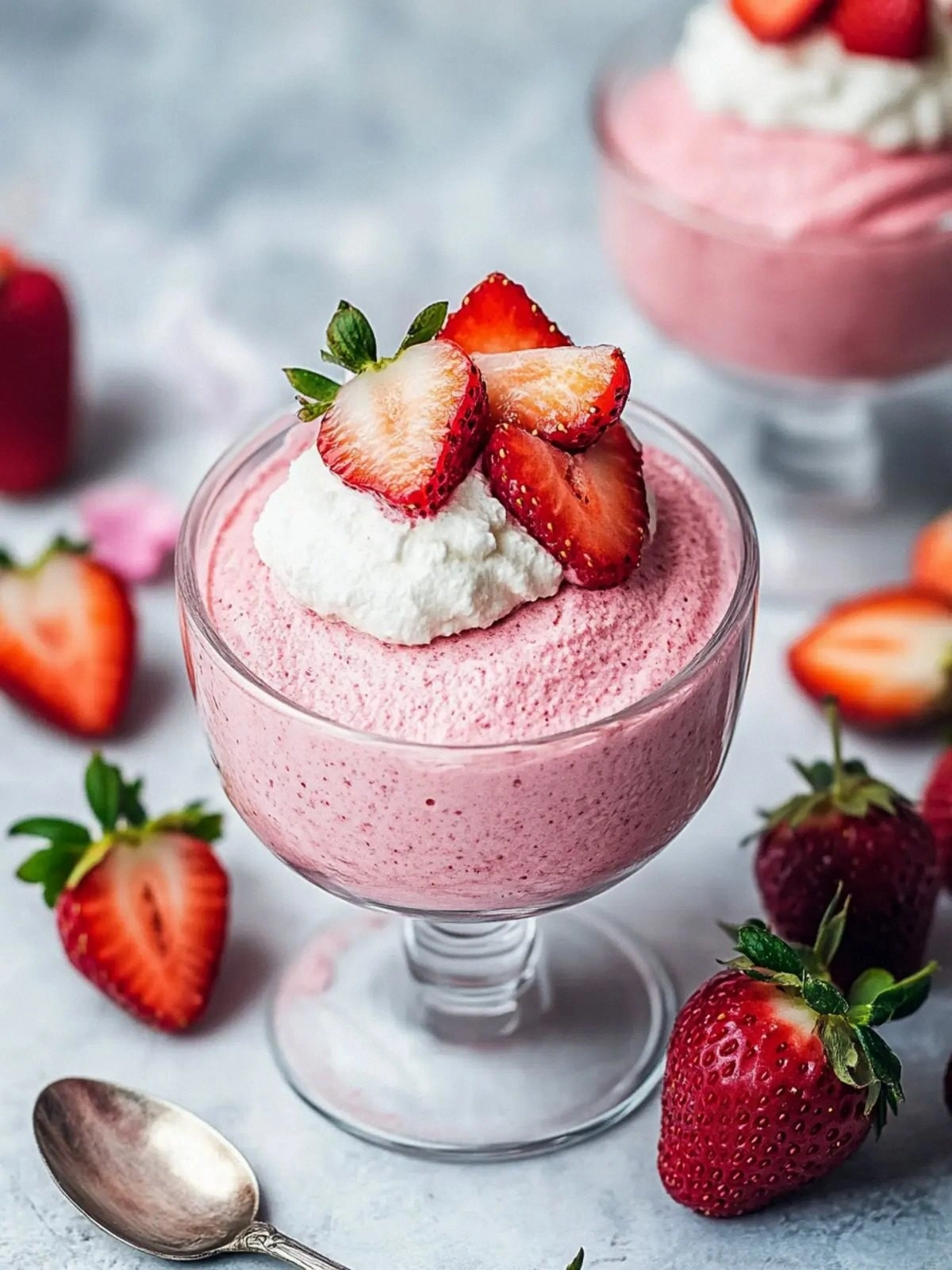
- Step 9: Chill and set. Place the ramekins in the refrigerator for at least 30 minutes, or until firm. The mousse should hold its shape and feel smooth to the touch. When ready to serve, garnish with fresh strawberry slices or a drizzle of maple syrup for an extra touch of elegance.
That's it — you did it. But hold on, I've got a few more tricks that'll take this to another level.
Insider Tricks for Flawless Results
The Temperature Rule Nobody Follows
Maintaining the right temperature during the agar activation step is critical. If the mixture gets too hot, the agar loses its gelling power and the mousse will collapse. Aim for a gentle simmer at 80°C (176°F). A digital thermometer is a lifesaver, but even a careful eye and a steady hand will do the trick.
Why Your Nose Knows Best
Before you whisk the aquafaba, give it a quick sniff. A faint, clean smell indicates it's fresh; a sour or off odor means it’s past its prime and will compromise the mousse’s texture. Fresh aquafaba gives the mousse a neutral backdrop that lets the strawberries shine.
The 5‑Minute Rest That Changes Everything
After whisking the aquafaba, let it rest for five minutes before folding into the base. This allows the peaks to settle, preventing them from collapsing during the fold. Think of it as giving the peaks a moment to breathe before they meet the fruit.
The Secret of a Smooth Finish
If you notice any lumps after adding the agar, whisk the mixture in a circular motion for a few minutes. The agar will dissolve, and the mousse will become silky smooth. This step is often overlooked but can make a big difference in the final texture.
The Garnish That Elevates
A simple garnish can transform a dessert. Try a thin slice of fresh strawberry on top, or a light dusting of cocoa powder for a chocolate‑strawberry twist. The garnish not only adds visual appeal but also introduces an extra burst of flavor.
Creative Twists and Variations
This recipe is a playground. Here are some of my favorite ways to switch things up:
Berry Medley Mousse
Swap the strawberries for a mix of blueberries, raspberries, and blackberries. The result is a colorful, tangy mousse that’s perfect for a summer brunch. The berries’ natural juices will add a subtle tartness that balances the maple.
Chocolate‑Infused Delight
Add 2 tablespoons of unsweetened cocoa powder to the base mixture before whisking. The chocolate will mingle with the strawberry’s sweetness, creating a rich, dessert‑like mousse. Top with dark chocolate shavings for an extra indulgence.
Citrus Zest Splash
Grate a teaspoon of lemon or orange zest into the strawberry puree. The citrus adds brightness and a refreshing contrast to the maple’s depth. It’s a great way to lighten the dessert for a hot day.
Almond Butter Swirl
Stir in a tablespoon of smooth almond butter after the agar has dissolved. The nutty flavor complements the coconut cream and gives the mousse a richer mouthfeel. This variation is ideal for those who love a nutty undertone.
Sparkling Strawberry Mousse
Fold in a splash of sparkling water or a light soda after whisking the aquafaba. The bubbles add a playful fizz that makes the mousse feel like a dessert cocktail. Serve chilled for a refreshing treat.
Storing and Bringing It Back to Life
Fridge Storage
Store the mousse in an airtight container in the refrigerator for up to 48 hours. Keep it away from strong odors, as the mousse can absorb them quickly. When ready to serve, let it sit at room temperature for 10 minutes to soften slightly.
Freezer Friendly
The mousse can be frozen for up to two weeks. Wrap the ramekins tightly in plastic wrap, then place them in a freezer bag. Thaw overnight in the refrigerator before serving. The texture may be slightly firmer after freezing, but it remains delicious.
Best Reheating Method
If the mousse has become too firm, gently warm it in a microwave on low power for 10–15 seconds. Add a tiny splash of water before reheating to create steam and restore the mousse’s silky texture. Stir gently before serving to redistribute the flavors.