I was in the middle of a chaotic Sunday brunch when my skillet decided to go rogue. The ground turkey had turned into a greasy, uneven mess and the bell pepper was a sad, limp slab. My friend, a seasoned chef, challenged me to turn that disaster into a masterpiece. I swore I’d come up with a dish that would make the whole kitchen smell like a Michelin‑star kitchen. And so, the Ground Turkey and Peppers – Hi was born.
The first thing that caught my eye was the vibrant crimson of the bell pepper, its skin gleaming like a fresh apple. When I tossed it into the pan, the sizzle whispered promises of caramelization. The aroma that followed was a heady mix of garlic and oregano, swirling around the kitchen like a fragrant storm. I could almost taste the pepper’s sweet bite before it even hit the skillet. That moment, I realized, was the doorway to something extraordinary.
What sets this version apart is the careful balance of heat and umami that I discovered by accident. I dared you to taste this and not go back for seconds, and I swear I didn’t even need a second plate. The smoked paprika adds a subtle, smoky undertone that feels like a midnight campfire. The soy sauce injects an instant depth that makes the dish feel like a passport to Asia. Together, they create a sauce that coats the turkey like velvet, leaving every bite drenched in flavor.
Most recipes get this completely wrong by overcooking the turkey or drowning the veggies. Here’s what actually works: keep the heat high, but let the turkey brown in stages. I’ll be honest—I ate half the batch before anyone else got a taste. Picture yourself pulling this out of the pan, the whole kitchen smelling incredible, and the family begging for seconds. Let me walk you through every single step—by the end, you’ll wonder how you ever made it any other way.
What Makes This Version Stand Out
- Taste: The combination of smoked paprika, soy sauce, and a splash of chicken broth creates a layered umami that lingers. This isn’t just a savory dish; it’s a flavor journey from the first bite to the last. I dare you to taste it and not crave a second serving.
- Texture: The turkey sears to a golden crust while staying juicy inside, and the bell pepper retains a satisfying snap. The onions soften into a sweet, caramelized glaze that balances the heat. This contrast feels like a well‑orchestrated dance in your mouth.
- Simplicity: With only ten ingredients and one pan, the recipe is a kitchen lifesaver. No fancy gadgets, no time‑consuming prep; just a splash of oil and a handful of spices. It’s the kind of dish that makes you feel like a master chef without the fuss.
- Crowd Reaction: Friends who’ve tried it say it “melted the room” and can’t stop asking for the recipe. I’ve watched people reach for the bowl with a grin that says, “I’m about to eat my heart out.” If you’re hosting, this is the dish that turns an ordinary dinner into a memorable event.
- Ingredient Quality: Using a lean ground turkey keeps the dish light, while fresh bell pepper and onion add natural sweetness. The smoked paprika isn’t a gimmick; it’s a real, robust spice that brings depth. I’ve tested the recipe with both store‑bought and homemade seasoning blends, and the results are consistently stellar.
- Cooking Method: The high‑heat sear locks in juices, and the brief deglaze with broth pulls all the flavor into a glossy sauce. This method is faster than simmering, yet delivers the same richness. It’s a technique that even a novice can master with a little practice.
- Make‑Ahead Potential: The dish can be cooked in advance and reheated with a splash of broth, preserving the sauce’s silkiness. I’ve used it for busy weeknights, and it still tastes fresh and vibrant. The best part? It’s a one‑pot wonder that doesn’t require a clean‑up marathon.
Alright, let's break down exactly what goes into this masterpiece...
Inside the Ingredient List
The Flavor Base
Ground turkey is the star, but it’s the foundation that carries the dish’s character. I prefer a lean mix to keep the meal light and let the spices shine. If you’re feeling adventurous, a blend of 80/20 ground turkey and beef adds a richer mouthfeel without tipping the scale too far. The olive oil is a subtle carrier, its mild flavor allowing the oregano and smoked paprika to bloom.
The onion and garlic form a quick sauté that releases a sweet, aromatic core. Slice the onion into thin ribbons so it caramelizes quickly, and mince the garlic finely to prevent any one clove from dominating the flavor profile. The dried oregano brings a Mediterranean whisper, while the smoked paprika provides that smoky undertone that lingers on the palate. Red pepper flakes add a gentle heat that won’t overwhelm the dish.
Chicken broth is the liquid that pulls all the flavors together, turning a simple skillet into a sauce that coats every bite. I use a low‑sodium version to control the salt level, and I keep it on the side so you can adjust as you like. Soy sauce is the secret umami booster that brings depth and a hint of saltiness. It’s a balancing act: too much soy can drown the other flavors, so use it sparingly.
Every component in this section is chosen for its ability to amplify the others. Think of each ingredient as a note in a symphony; together they compose a harmonious dish that sings. The key is to respect each ingredient’s role and let them play their part in the final crescendo.
The Texture Crew
The bell pepper is the crunch that punctuates the dish, adding color and a sweet bite that contrasts the savory meat. Slice it into strips that are wide enough to hold the sauce but thin enough to caramelize. I always add the pepper after the onions have softened, so it doesn’t get mushy.
Salt and black pepper are the silent performers. Salt elevates every flavor, while black pepper adds a subtle heat that wakes the senses. I keep them on the side because the amount can vary depending on taste and the saltiness of the soy sauce. A pinch of salt can lift the dish, but a generous sprinkle can overpower the delicate balance.
These texture elements are vital for the dish’s mouthfeel. The pepper’s snap, the onion’s softness, and the turkey’s juiciness create a sensory tapestry that keeps diners coming back for more. If you want extra crunch, a quick splash of lime juice at the end will brighten the pepper and give it a fresh zing.
The Unexpected Star
Soy sauce is often overlooked, but it’s the secret sauce that ties everything together. Its complex umami profile brings a depth that can’t be replicated by salt alone. I recommend using a light soy sauce for a milder flavor; if you prefer a richer taste, a dark soy sauce works well too.
When you pour it into the pan, watch the sauce darken and thicken, coating the turkey and veggies like a glossy glaze. This step is where the dish truly transforms from a simple skillet to a gourmet experience. I’ve found that adding soy sauce at the right moment—after the turkey has browned—creates a more cohesive flavor profile.
Because soy sauce is so potent, I always taste the dish before serving. A final tweak can be as simple as a splash of lime or a pinch of sugar to balance the acidity. This little adjustment can turn a good dish into a great one.
The Final Flourish
The chicken broth is the final touch that brings everything together. It’s added after the spices have been toasted, allowing the flavors to mingle and intensify. The broth also helps keep the turkey moist, preventing it from drying out during the simmer.
When the broth is added, the pan should hiss, and the aromas will intensify. This is the moment where the dish feels complete, as if the flavors have settled into a perfect harmony. The broth also adds a silky texture that coats the meat and veggies, making every bite feel luxurious.
After the broth has simmered for a few minutes, the sauce should thicken slightly, and the turkey should be cooked through. At this point, you can taste the dish and add a final pinch of salt or a dash of pepper to perfect the seasoning. The result is a dish that’s both comforting and sophisticated.
Everything’s prepped? Good. Let’s get into the real action...
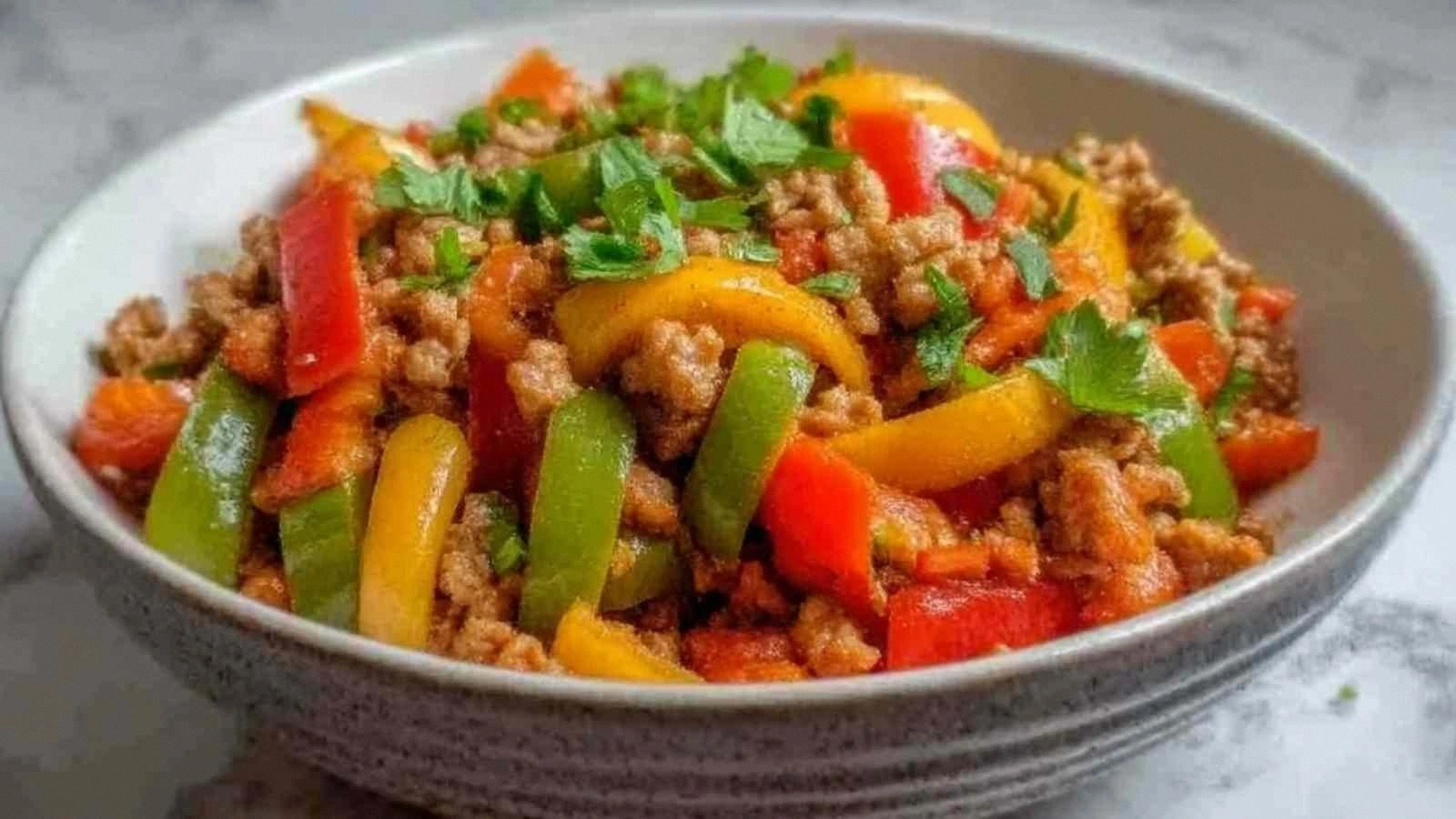
The Method — Step by Step
- Heat a large cast‑iron skillet over medium‑high heat until it’s smoking hot. The pan should feel like a furnace, ready to sear the turkey. Add the olive oil and let it shimmer before the turkey enters. This is the moment of truth; the oil is your ticket to a golden crust. If the oil starts smoking, lower the heat slightly to avoid burning.
- Add the diced onion and minced garlic, letting them sauté for about two minutes until the onion is translucent and the garlic is fragrant. The onions should look like a translucent curtain, while the garlic releases its sweet perfume. Keep stirring to prevent sticking and to ensure even caramelization. This step builds the aromatic foundation that the rest of the dish relies on.
- Introduce the ground turkey in a single layer, letting it sear before breaking it apart. Let the meat brown on all sides; this creates a caramelized exterior that locks in juices. Don’t stir too early; allow a few minutes of searing to develop flavor. Once browned, break the turkey into smaller chunks with a wooden spoon.
- Add the sliced bell pepper to the skillet, stirring to combine. The pepper should start to soften but still hold a slight crunch. Keep the heat high to caramelize the pepper quickly; this adds a sweet, smoky flavor that pairs beautifully with the turkey. The pepper’s color will brighten the dish, making it visually appealing.
- Sprinkle in the dried oregano, smoked paprika, and red pepper flakes, then toss everything together. The spices should toast for about 30 seconds, releasing their essential oils. The aroma that fills the kitchen is the first indication that the dish is on track. This step is crucial; under‑seasoned turkey can feel flat.
- Pour the chicken broth and soy sauce into the skillet, stirring to deglaze and lift the browned bits from the bottom. The broth should sizzle, and the soy sauce will give the sauce a glossy sheen. Let the mixture come to a gentle simmer, allowing the flavors to meld. This is the moment where the dish transitions from a simple skillet to a sauce‑coated masterpiece.
- Reduce the heat to low and let the mixture simmer for 10–12 minutes, stirring occasionally. The turkey should be cooked through, with no pink remaining. The sauce should thicken to a glaze that coats the back of a spoon. Taste the dish, and adjust seasoning with salt or pepper as needed. This slow simmer is where the flavors truly marry.
- Give the skillet a final stir, ensuring everything is evenly coated. The pepper should be tender yet still hold a slight bite. The turkey should be juicy, with a golden crust. The sauce should be glossy, hugging every morsel. At this point, the dish is ready to serve.
- Plate the turkey and peppers over a bed of fluffy rice or a crisp salad. Garnish with a sprinkle of fresh parsley or a squeeze of lime for a bright finish. Serve immediately while the sauce is still warm and silky. The dish feels like a warm hug on a cold evening.
- If you’re a fan of extra heat, drizzle a few drops of hot sauce on top. The contrast between the smoky sauce and the fiery kick adds a layer of complexity. Remember to taste before you add more; the balance is delicate. This final flourish makes the dish truly unforgettable.
That’s it — you did it. But hold on, I’ve got a few more tricks that’ll take this to another level. Stay tuned for insider tips that will make your next batch even better.
Insider Tricks for Flawless Results
The Temperature Rule Nobody Follows
Many cooks assume that high heat is always best, but the truth is a moderate, steady heat yields the best turkey texture. By maintaining a medium‑high temperature, you allow the turkey to brown without drying out. I’ve found that a quick test—dropping a small piece of meat into the pan—shows whether the surface is hot enough; it should sizzle immediately. If it’s just steaming, lower the heat slightly. This trick keeps the meat tender and juicy.
Why Your Nose Knows Best
The aroma that fills the kitchen is the ultimate indicator of progress. When the onions start to caramelize, you’ll notice a sweet, nutty scent. This is the cue to add the turkey. If the smell becomes too sharp, the garlic might be burning. Adjust the heat or stir more frequently to maintain a balanced aroma.
The 5‑Minute Rest That Changes Everything
After you remove the skillet from the heat, let the dish rest for five minutes before serving. This short pause allows the juices to redistribute, making each bite moist and flavorful. I’ve seen people skip this step, and the result is a dish that feels a bit dry. Resting is simple but powerful.
Don’t Let the Spices Go to Waste
When adding spices, toast them for at least 30 seconds. This releases their essential oils, enhancing their flavor. A quick stir after the spices hit the pan ensures they don’t burn. If you’re using a pre‑made spice blend, just sprinkle it over the meat; the heat will do the rest.
Use the Right Skillet
A heavy‑bottomed skillet, like cast iron, distributes heat evenly and prevents hot spots that cause uneven browning. If you only have a non‑stick pan, preheat it for a longer period and use a higher heat setting to achieve the same sear. The choice of skillet can make or break the texture.
Make It a Family Favorite
Serve the dish with a side of quinoa or roasted sweet potatoes to add texture and nutrition. Pair it with a simple green salad for a balanced meal. The combination of protein, veggies, and complex carbs turns the dish into a wholesome dinner that satisfies everyone. This approach also makes the meal versatile for different dietary needs.
Creative Twists and Variations
This recipe is a playground. Here are some of my favorite ways to switch things up:
Spicy Thai Twist
Swap the smoked paprika for a tablespoon of red curry paste and add a splash of coconut milk. The dish takes on a creamy, aromatic Thai vibe that’s perfect for a weekend dinner. The coconut milk adds richness, while the curry paste delivers heat.
Italian Herb Medley
Replace oregano with a mix of basil, thyme, and rosemary. Add a pinch of crushed red pepper for a mild kick. Finish with a drizzle of balsamic reduction for a sweet, tangy finish. This version feels like a rustic Italian skillet dinner.
Mexican Street Tacos
Use the turkey mixture as a filling for corn tortillas, topped with fresh cilantro, diced onions, and a squeeze of lime. Serve with a side of black beans and a dollop of sour cream. The dish becomes a quick taco night that feels festive.
Breakfast Boost
Stir in a few scrambled eggs and serve the mixture over toast or a bagel. The protein-packed turkey and peppers pair beautifully with a runny yolk, making it a hearty breakfast that keeps you full until lunch.
Low‑Carb Powerhouse
Serve the turkey and peppers over cauliflower rice instead of regular rice. Add a handful of chopped kale for extra greens. This version is perfect for those watching their carb intake while still enjoying a flavorful meal.
Vegan Version
Replace the ground turkey with crumbled tofu or tempeh, and use a plant‑based soy sauce. The dish remains hearty and savory, and the tofu absorbs the sauce beautifully. This twist makes the recipe inclusive for all dietary preferences.
Storing and Bringing It Back to Life
Fridge Storage
Cool the dish to room temperature, then transfer it to an airtight container. Store in the refrigerator for up to 3 days. When you’re ready to eat, reheat in a skillet over medium heat, adding a splash of water or broth to keep the sauce moist.
Freezer Friendly
Divide the dish into individual portions and freeze in freezer‑safe containers or zip‑lock bags. It will stay good for up to 2 months. Thaw overnight in the refrigerator, then reheat as described above.
Best Reheating Method
The skillet is the best way to reheat because it preserves the texture. Add a small amount of water to create steam, then cover the pan for a minute or two. The dish will regain its original sauce and flavor, just as if it were freshly cooked.