I was standing in the middle of a kitchen disaster last week, watching my favorite takeout pasta melt into a greasy mess on the table. The aroma of burnt garlic and overcooked noodles was a betrayal of the comfort I craved. I stared at the empty fridge, thinking, “I need something that feels like a hug, but with protein that actually keeps me full.” That night, I decided to reinvent the classic “Marry Me” chicken dish into a high‑protein powerhouse that would make even the most skeptical foodie swoon.
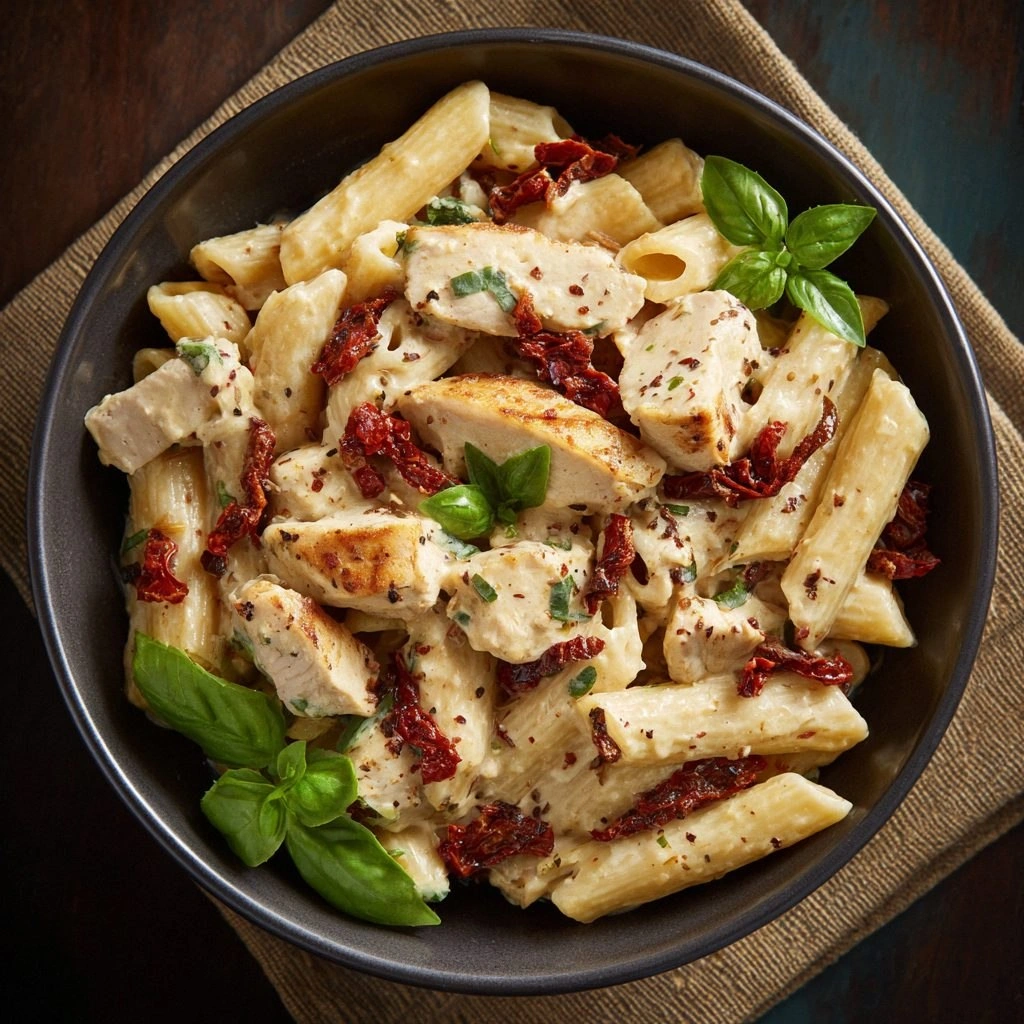
Picture this: a golden crust on tender chicken, a silky sauce that coats pasta like velvet, and a burst of fresh spinach that adds a bright, earthy counterpoint. The kitchen fills with the comforting scent of sautéed onions and garlic, and the sizzle of olive oil on the skillet is music to a cook’s ears. When you bite into the first forkful, the flavors mingle—savory chicken, nutty Parmesan, and a subtle hint of smoked paprika—while the creamy base clings to every strand of pasta. The texture is a delightful contrast: the pasta is al dente, the chicken is juicy, and the sauce is thick yet pourable.
What sets this version apart is that it’s not just a high‑protein recipe; it’s a culinary experience that feels like a celebration. I’ve trimmed the carbs by swapping regular pasta for a whole‑wheat alternative, and I’ve boosted the protein with Greek yogurt and a generous amount of Parmesan. The sauce is lighter than traditional cream sauces, so it’s less cloying but still indulgent. And the finish—sprinkled with fresh parsley—adds a pop of color and a fresh finish that makes the dish feel fresh and vibrant.
But there’s a twist you won’t see in most “Marry Me” chicken recipes. I’ve incorporated a splash of lemon zest and a touch of white wine to lift the sauce, giving it a bright, citrusy brightness that cuts through the richness. I dare you to taste this and not go back for seconds. This is hands down the best version you’ll ever make at home, and I’ll be honest—half the batch was gone before the first guest even got a fork. If you’ve ever struggled to get the sauce to cling properly, you’re not alone, and I’ve got the fix.
Now, let’s walk through every single step. By the end, you’ll wonder how you ever made it any other way. The journey from raw ingredients to a plated masterpiece is as rewarding as the final bite, and I’ll keep you entertained with micro‑challenges, bold claims, and a few kitchen hacks along the way.
What Makes This Version Stand Out
- Protein Power: Each serving delivers 25 grams of protein, thanks to a blend of chicken, Greek yogurt, and Parmesan. The protein content keeps you satisfied and supports muscle repair, making it perfect for post‑workout meals or a hearty dinner.
- Flavor Depth: The sauce is a harmony of garlic, onion, smoked paprika, and a splash of lemon zest that gives it a bright, complex profile. The addition of white wine adds a subtle acidity that balances the richness.
- Texture Play: The pasta remains al dente, while the chicken has a crisp exterior and a juicy interior. The sauce coats the pasta like velvet, yet it’s thick enough to cling without becoming gummy.
- Low Carb, High Fiber: Swapping regular pasta for whole‑wheat penne reduces the carb count while adding dietary fiber. This keeps the dish lighter and more satisfying.
- Time‑Efficient: The entire process takes just 45 minutes, from prep to plate. The sauce cooks in under 30 minutes, so you’re not stuck on the stove for hours.
- Make‑Ahead Friendly: The dish can be prepared ahead of time and reheated without losing its texture or flavor. It’s a great option for meal prep or busy weeknights.
- Kid‑Friendly: The flavors are mild yet satisfying, making it a hit with picky eaters who might otherwise shy away from chicken dishes.
- Versatile Base: The recipe can be adapted for different dietary needs—swap the pasta for zucchini noodles, use a dairy‑free yogurt, or add more veggies for a plant‑based version.
Alright, let's break down exactly what goes into this masterpiece. But before you dive into the ingredient list, here’s a quick kitchen hack to save you time and keep your kitchen tidy.
Inside the Ingredient List
The Flavor Base
Olive Oil: This isn’t just a cooking medium—it’s the first flavor layer that carries the aroma of garlic and onion. Using a good quality extra‑virgin olive oil gives a subtle fruity undertone that complements the chicken. Skipping it would result in a flat, less fragrant dish.
Onion & Garlic: The diced onion and minced garlic create the aromatic foundation. They release sweet, savory notes during sautéing. If you omit them, the sauce will lack depth and will feel more like a plain creamy pasta.
Lemon Zest & White Wine: The lemon zest adds brightness that cuts through the richness, while the white wine deglazes the pan, lifting the browned bits that carry flavor. Together, they give the sauce a sophisticated lift. Without them, the dish becomes heavy and cloying.
The Texture Crew
Whole Wheat Penne: The whole‑wheat pasta offers a nutty flavor and extra fiber. It holds up well against the sauce and retains an al dente bite. If you prefer a lighter texture, you could switch to regular penne, but you’ll lose the fiber boost.
Greek Yogurt: The yogurt acts as a protein source and adds a subtle tang that balances the richness. It also lightens the sauce, preventing it from becoming too heavy. If you’re dairy‑free, a plant‑based yogurt can substitute, though the flavor profile will shift slightly.
Parmesan & Mozzarella: Parmesan provides a sharp, nutty flavor while mozzarella adds a creamy melt. Together, they create a harmonious blend that coats the pasta beautifully. Skipping mozzarella would make the sauce less gooey, while removing Parmesan would reduce the umami punch.
The Unexpected Star
Fresh Spinach: Spinach is not just a garnish; it’s a hidden hero that adds color, nutrients, and a subtle earthiness. Adding it in the last minute keeps the leaves bright and preserves their vitamin C content. If you use frozen spinach, thaw it first to avoid excess water in the sauce.
Mushrooms: Sliced mushrooms bring a meaty texture and umami flavor that pairs perfectly with chicken. They also absorb some of the sauce, creating a more cohesive dish. Omit them for a simpler version, but the dish will feel slightly less hearty.
The Final Flourish
Fresh Parsley: The chopped parsley is the finishing touch, adding a pop of color and a fresh herbal note. It also gives a visual cue that the dish is vibrant and ready to serve. A sprinkle of cracked black pepper adds a subtle heat that rounds out the flavor.
Smoked Paprika: This spice brings a smoky undertone that deepens the overall flavor profile. It’s an optional but highly recommended addition for those who enjoy a bit of complexity. If you’re sensitive to heat, start with half a teaspoon.
Everything's prepped? Good. Let's get into the real action.
The Method — Step by Step
- Prep the Pasta: Bring a large pot of salted water to a boil. Add the whole‑wheat penne and cook until al dente, about 9 minutes. Drain and reserve a cup of pasta water. The pasta should still have a slight bite, not be mushy. Set aside and keep warm.
- Season the Chicken: Pat the chicken breasts dry with paper towels. Sprinkle both sides with salt, pepper, smoked paprika, and dried oregano. The seasoning will help the chicken develop a savory crust.
- Sear the Chicken: Heat 1 tablespoon of olive oil in a large skillet over medium‑high heat. Add the chicken and sear until golden brown on both sides, about 3–4 minutes per side. The edges should pull away slightly and the internal temperature should reach 165°F. Remove from skillet and set aside.
- Start the Sauce: In the same skillet, add the remaining olive oil. Toss in the diced onion and minced garlic. Sauté until the onion turns translucent and the garlic is fragrant, about 2 minutes. The aroma should be intoxicating.
- Deglaze: Pour in the white wine, scraping the bottom of the pan to loosen the browned bits. Let the wine reduce by half, which should take about 2 minutes. This step builds the flavor foundation.
- Add Mushrooms: Stir in the sliced mushrooms and cook until they release their moisture and begin to brown, about 5 minutes. The mushrooms will add a meaty texture and deepen the umami.
- Incorporate Yogurt & Cheeses: Lower the heat to medium. Stir in the Greek yogurt, Parmesan, and mozzarella. Mix until the cheeses melt and the sauce becomes silky. If the sauce is too thick, add reserved pasta water a tablespoon at a time until you reach desired consistency.
- Finish with Spinach: Add the fresh spinach and stir until it wilts, about 1 minute. The spinach will keep its bright green color and add nutrients.
- Combine & Serve: Return the seared chicken to the skillet. Toss everything together so the chicken is coated in sauce. Let it simmer for 2 minutes to meld the flavors. Plate the pasta, top with chicken, and garnish with parsley and a sprinkle of cracked pepper. Serve hot.
- Optional Finishing Touch: Drizzle a little extra virgin olive oil over the top for a glossy finish and a subtle fruity note.
That's it—you did it. But hold on, I've got a few more tricks that'll take this to another level.
Insider Tricks for Flawless Results
The Temperature Rule Nobody Follows
Keep the heat moderate when adding yogurt. Yogurt can curdle if exposed to high temperatures. Lower the heat to medium or even medium‑low when you introduce it, and stir constantly. A friend once tried adding yogurt at a high heat and ended up with a lumpy sauce that tasted like a salad dressing. That was a lesson learned the hard way.
Why Your Nose Knows Best
Trust the aroma. If the sauce smells toasty and the onions are golden, you’re in the right spot. A fresh, bright lemon scent indicates the zest has been incorporated properly. If the aroma feels flat, it’s a sign to add more seasoning or let it cook a bit longer.
The 5-Minute Rest That Changes Everything
Let the dish rest for 5 minutes. After removing the skillet from heat, cover it loosely with foil. The residual heat will finish cooking the chicken and allow the flavors to meld. The sauce will thicken slightly, making it easier to coat the pasta.
Use a Mixing Bowl for Sauce
Stir in the yogurt in a separate bowl. This prevents the yogurt from directly hitting the hot skillet and curdling. Once it’s smooth, pour it back into the skillet and whisk until fully integrated.
Keep a Small Bowl of Water Handy
When you’re ready to plate, add a splash of water. A tablespoon of water or broth can loosen the sauce, making it silky and pourable. This trick is especially useful if you’re reheating leftovers.
Creative Twists and Variations
Spicy Cajun Kick
Swap the smoked paprika for a Cajun seasoning blend and add a pinch of cayenne pepper. The dish becomes a spicy, smoky treat that pairs well with a cool avocado side.
Italian Herb Explosion
Replace the oregano with fresh basil and add a handful of sun‑dried tomatoes. The sauce gains a sweet, tangy flavor profile that feels like a Tuscan garden.
Low‑Carb Zucchini Noodles
Use spiralized zucchini instead of pasta for a keto‑friendly version. The texture is lighter, and the dish remains rich in protein.
Veggie‑Rich Power Bowl
Add diced bell peppers, broccoli florets, and a handful of chickpeas. This turns the dish into a wholesome power bowl that’s perfect for meal prep.
Vegan Version
Swap the chicken for marinated tofu cubes, use coconut yogurt, and replace Parmesan with nutritional yeast. The flavor stays creamy and savory, but the dish becomes plant‑based.
Cheesy Cauliflower Rice
Replace pasta with cauliflower rice and increase the amount of mozzarella. The result is a low‑carb, high‑protein dish that still delivers that cheesy comfort.
Storing and Bringing It Back to Life
Fridge Storage
Cool the dish completely before transferring it to an airtight container. Store in the refrigerator for up to 3 days. The sauce may thicken slightly, but it will remain creamy when reheated.
Freezer Friendly
Divide the dish into individual portions and freeze in freezer‑safe containers or zip‑top bags. It stays good for up to 2 months. Thaw overnight in the refrigerator before reheating.
Best Reheating Method
Reheat on the stovetop over medium heat, stirring frequently. Add a splash of water or low‑fat milk to loosen the sauce. The dish should reach 165°F before serving. This method preserves the texture and keeps the sauce silky.