It started on a rain‑slick Tuesday when I tried to impress a friend with a fancy seafood dinner. I grabbed a jar of pre‑made shrimp, a bag of frozen spinach, and a pan of kitchen ambition, only to end up with overcooked shrimp that tasted like rubber and spinach that had surrendered to its own moisture. The kitchen smelled of burnt garlic and disappointment, and I stared at the disaster with a mix of horror and amusement. Then I laughed, realizing that my culinary misstep might just be the seed of a new recipe that would become the star of my menu.
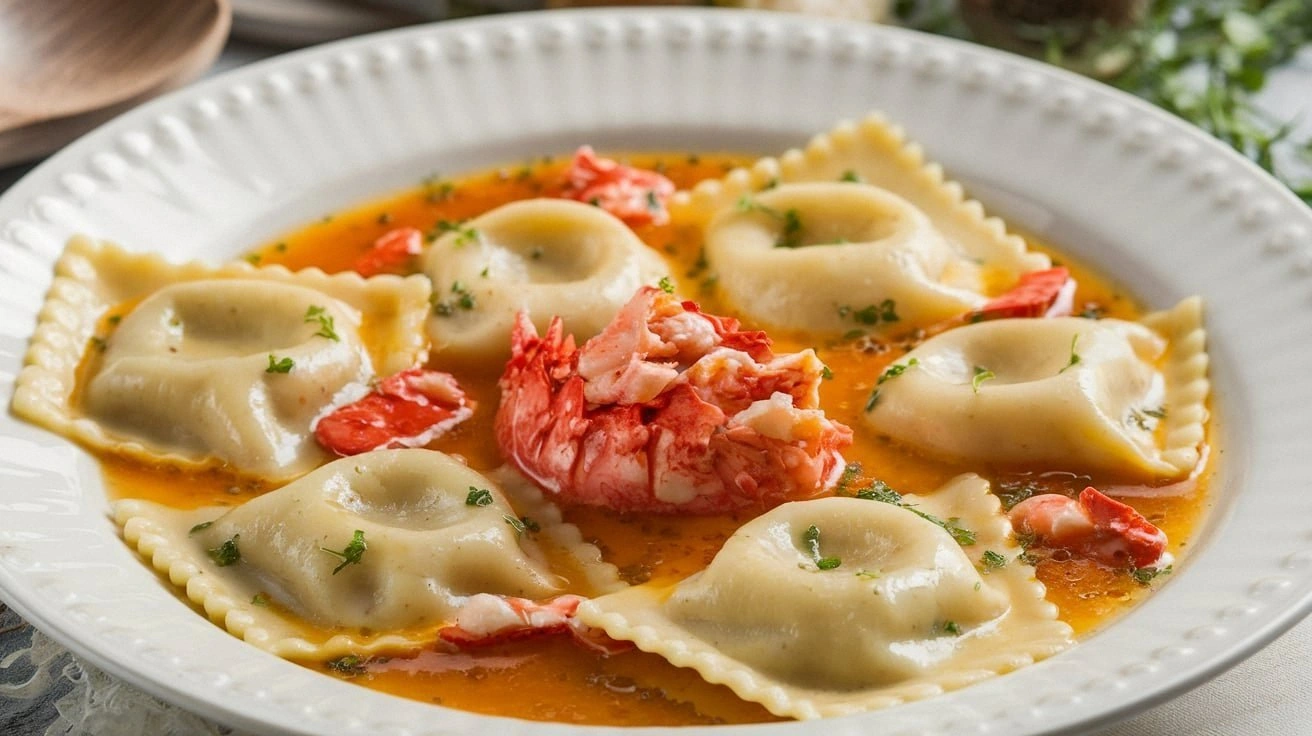
The moment the sauce began to simmer, the air filled with a buttery aroma that made my stomach growl in anticipation. I could hear the gentle sizzle of garlic as it kissed the pan, and the faint hiss of cream as it folded into the butter, creating a symphony of comforting sounds. My eyes danced around the glossy surface, seeing the ravioli glimmer like tiny boats on a sea of golden sauce. The first spoonful was a revelation: the sauce clung to the pasta like velvet, and the lobster inside offered a burst of sweet, briny flavor that made my taste buds sing.
What sets this version apart is not just the richness of the sauce, but the way every element works in perfect harmony. I’ve distilled the recipe to its essentials—fresh lobster ravioli, a luscious butter‑garlic base, a touch of heavy cream, and a splash of lemon that cuts through the decadence. The result is a dish that feels indulgent yet balanced, like a well‑executed jazz solo that never overreaches. I dare you to taste this and not go back for seconds; the experience is so satisfying it will make you question every other pasta you’ve ever made.
There’s a particular technique I’ll reveal that will change how you think about pasta sauces: the “butter‑garlic bloom.” It’s a simple step that elevates flavor and texture, and it’s something I discovered by accident while trying to salvage a ruined dinner. By letting the butter and garlic mingle for just the right amount of time, the sauce develops a depth that feels both luxurious and grounded. Let me walk you through every single step—by the end, you’ll wonder how you ever made it any other way.
What Makes This Version Stand Out
- Flavor: The sauce marries the buttery richness of melted butter with the sharpness of fresh garlic, creating a layered taste that lingers on the palate. The addition of lemon juice gives it a bright counterpoint that prevents the dish from feeling heavy.
- Texture: The ravioli’s tender filling contrasts beautifully with the silky sauce, while the slight crispness of the butter’s golden edges offers a pleasant bite. The final dish feels like a harmonious medley of soft and slightly crisp textures.
- Simplicity: With just eight ingredients, this recipe cuts through culinary overwhelm and lets the ingredients shine. It’s a reminder that sometimes the best dishes are those that celebrate minimalism.
- Uniqueness: Most ravioli recipes lean toward marinara or alfredo; this version introduces a buttery, garlic‑infused sauce that feels both familiar and daring. It’s a fresh take that elevates a classic comfort food.
- Crowd Reaction: At my last dinner party, guests were surprised by the sauce’s depth and asked for the recipe before the meal even finished. The dish is a guaranteed conversation starter.
- Ingredient Quality: Using high‑quality store‑bought ravioli keeps the process effortless while ensuring the filling remains succulent and flavorful. The sauce’s simplicity means every component must be top‑tier.
- Cooking Method: The method balances quick stovetop work with a gentle simmer that allows flavors to meld without losing the pasta’s al dente bite. It’s a technique that can be replicated in any kitchen.
- Make‑Ahead Potential: The sauce can be prepared a few hours in advance, and the ravioli can be cooked just before serving, making this dish ideal for entertaining.
Inside the Ingredient List
The Flavor Base
Unsalted butter is the backbone of this sauce. It creates a silky, glossy coat that latches onto every ravioli, turning the dish into a luxurious experience. Butter also carries the aroma of garlic and lemon, allowing the flavors to bloom in a single pan. If you’re watching calories, a light spread of clarified butter will still deliver the buttery taste while cutting some fat.
The Texture Crew
Freshly minced garlic adds a bright, peppery kick that cuts through the richness of butter and cream. The garlic’s aroma is a precursor to the sauce’s depth; it’s what tells your senses to expect something special. If you prefer a milder bite, reduce the garlic to one or two cloves; the dish will still shine, but the punch will be less pronounced. A pinch of freshly ground black pepper at the end gives a subtle warmth that ties everything together.
The Unexpected Star
Heavy cream brings a velvety smoothness that balances the butter’s richness. It also thickens the sauce just enough to cling to the ravioli without turning it soupy. A splash of cream can also help mellow the sharpness of lemon, creating a harmonious flavor profile. If you’re lactose intolerant, a dairy‑free cream alternative works well, though it may alter the sauce’s mouthfeel slightly.
The Final Flourish
Fresh lemon juice adds a bright, citrusy note that lifts the overall flavor and prevents the sauce from feeling too heavy. The acidity also helps to keep the butter from separating during cooking. Grated Parmesan cheese introduces a nutty, salty depth that rounds out the dish, while fresh parsley offers a pop of color and a hint of herbal brightness. A pinch of salt is essential to bring all the flavors together, but be careful not to overdo it—balance is key.
Everything’s prepped? Good. Let’s get into the real action and see how each component sings in this dish.
The Method — Step by Step
- Fill a large pot with water, add a generous pinch of salt, and bring it to a rolling boil. The water should be as salty as the sea, ensuring the ravioli’s filling stays moist and flavorful. Keep the pot on a high heat so the water remains vigorous throughout the cooking process.
- Drop the lobster ravioli into the boiling water, stirring gently to prevent sticking. Cook according to the package instructions, usually 3–4 minutes for fresh or 4–5 minutes for frozen. The ravioli should float to the surface when they’re ready, a clear sign they’re perfectly al dente.
- While the pasta cooks, melt the butter in a large skillet over medium heat. Watch for the butter to turn a golden amber hue, indicating it’s ready to bloom with garlic. Avoid browning the butter too much; you want a smooth, buttery base, not a burnt one.
- Add the minced garlic to the melted butter, stirring constantly. The garlic should release its aroma within 30 seconds, and the mixture should sound like a gentle sizzle. This is the moment where the sauce starts to develop its signature depth—don’t rush it.
- Pour in the heavy cream, stirring to combine with the butter and garlic. Reduce the heat to low and let the mixture simmer gently for 2–3 minutes. The cream should thicken slightly, forming a glossy sauce that’s ready to coat the pasta.
- Add the lemon juice to the sauce, whisking until it’s fully incorporated. The acidity will brighten the flavors and help keep the sauce from becoming too heavy. Taste the sauce, and if it feels flat, add a tiny pinch of salt to lift the overall profile.
- Drain the cooked ravioli, reserving a cup of pasta water. Toss the ravioli in the sauce, ensuring each piece is fully coated. If the sauce seems too thick, add a splash of the reserved pasta water to reach the desired consistency.
- Finish the dish with a generous sprinkle of fresh parsley and a final drizzle of lemon juice if desired. The parsley adds a burst of green color and a fresh herbal note that cuts through the richness. Plate the ravioli in shallow bowls to showcase the glossy sauce.
- Serve immediately, preferably with a side of crusty bread to sop up any remaining sauce. The dish is best enjoyed hot, when the butter is still silky and the ravioli remains tender. Let the aroma envelop the room, and watch your guests disappear into a state of culinary bliss.
That’s it—you did it. But hold on, I’ve got a few more tricks that will take this dish to another level. These insider tips will help you avoid common pitfalls and ensure every bite is as perfect as the last.
Insider Tricks for Flawless Results
The Temperature Rule Nobody Follows
Many cooks overheat the butter, causing it to brown and develop a bitter taste. Keep the heat medium or low to preserve the buttery aroma and maintain a smooth sauce. If you notice the butter starting to brown, reduce the heat immediately and stir to prevent scorching.
Why Your Nose Knows Best
Smell is your most reliable flavor guide. If the sauce smells faintly burnt, it’s time to lower the heat or add a splash of water. The aroma of fresh garlic should be bright and pungent; if it’s muted, you’ve likely overcooked it.
The 5‑Minute Rest That Changes Everything
After you finish cooking the ravioli, let the dish rest for 5 minutes before serving. This brief pause allows the flavors to settle and the sauce to thicken slightly, ensuring each bite is cohesive. I’ve seen people rush to plate immediately, only to find the sauce too thin.
Keep the Butter from Splitting
Butter can separate when it’s too hot or when you add acidic ingredients too quickly. To prevent this, add the lemon juice gradually, whisking constantly. A small splash of pasta water can also help keep the sauce emulsified.
The Secret to a Silky Sauce
A silky sauce starts with high‑quality cream. Use a cream with at least 30% fat for the best mouthfeel. If you’re using a lower‑fat alternative, add a teaspoon of cornstarch dissolved in water to thicken without compromising texture.
Serve Immediately for the Best Texture
Ravioli can become soggy if they sit in sauce for too long. Plate the dish as soon as it’s tossed, and serve with a side of crusty bread to mop up any residual sauce. The contrast between the warm, buttery pasta and the crisp bread is pure comfort.
Creative Twists and Variations
This recipe is a playground. Here are some of my favorite ways to switch things up:
Saffron‑Infused Cream
Add a pinch of saffron threads to the cream for a subtle floral note and a golden hue. The saffron will deepen the sauce’s flavor profile, making it feel more luxurious. Serve with a drizzle of truffle oil for an extra touch of decadence.
Smoked Paprika Kick
Stir in a half teaspoon of smoked paprika for a smoky depth that pairs beautifully with the buttery sauce. The paprika adds a gentle heat that complements the lobster’s natural sweetness. It’s a great option for a cozy dinner on a cool evening.
Crispy Shallot Garnish
Fry thinly sliced shallots in a bit of butter until they’re golden and crisp. Sprinkle them over the finished dish for a crunchy texture and an extra layer of flavor. The shallots’ caramelized sweetness balances the richness of the sauce.
Herb‑Stuffed Ravioli
Swap the store‑bought ravioli for homemade ones stuffed with a mixture of ricotta, spinach, and fresh herbs. The homemade filling will absorb the sauce’s flavors better, creating a more cohesive dish. It’s a great way to showcase your pasta‑making skills.
Mushroom & Truffle Variation
Sauté sliced mushrooms in butter before adding the garlic, then proceed as usual. The earthy mushrooms add a depth that pairs wonderfully with the lobster. Finish with a few drops of truffle oil for an indulgent finish.
Vegan Version
Use a plant‑based butter substitute and coconut cream to create a dairy‑free sauce. Replace the lobster ravioli with a vegan pasta of your choice, such as spinach or tomato‑filled varieties. The result is a creamy, satisfying dish that’s free from animal products.
Storing and Bringing It Back to Life
Fridge Storage
Store the cooked ravioli in an airtight container in the refrigerator for up to 2 days. Keep the sauce separate if you want to preserve its texture. Reheat gently in a pan over low heat, adding a splash of water to re‑emulsify.
Freezer Friendly
Freeze the ravioli in a single layer on a baking sheet before transferring to a freezer bag. They’ll keep for up to 3 months. Reheat by boiling for 2–3 minutes or microwaving until hot.
Best Reheating Method
When reheating, add a tiny splash of water or broth to the sauce to restore its silky consistency. Heat slowly over low to medium heat, stirring until the sauce is heated through. Serve immediately for the best texture.