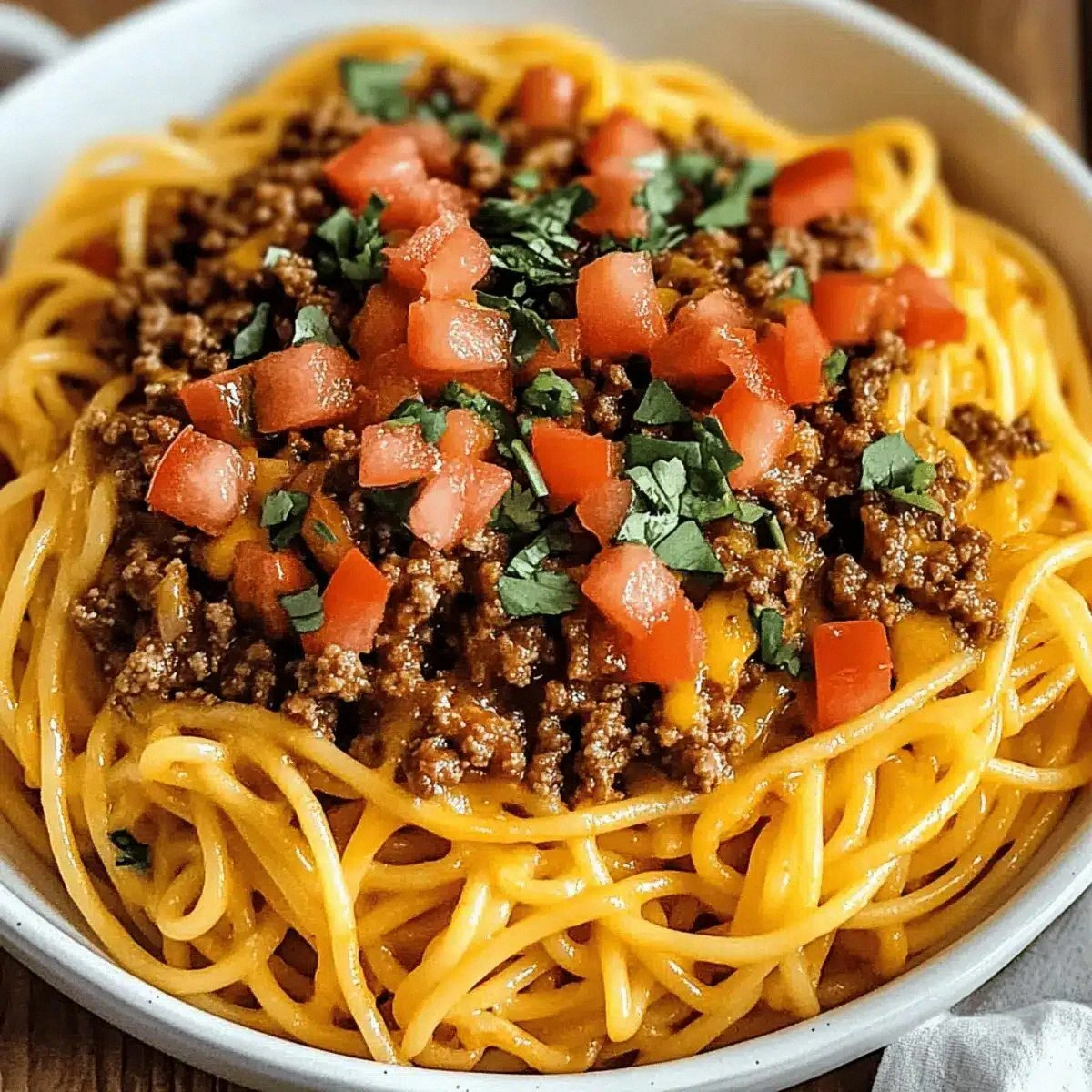
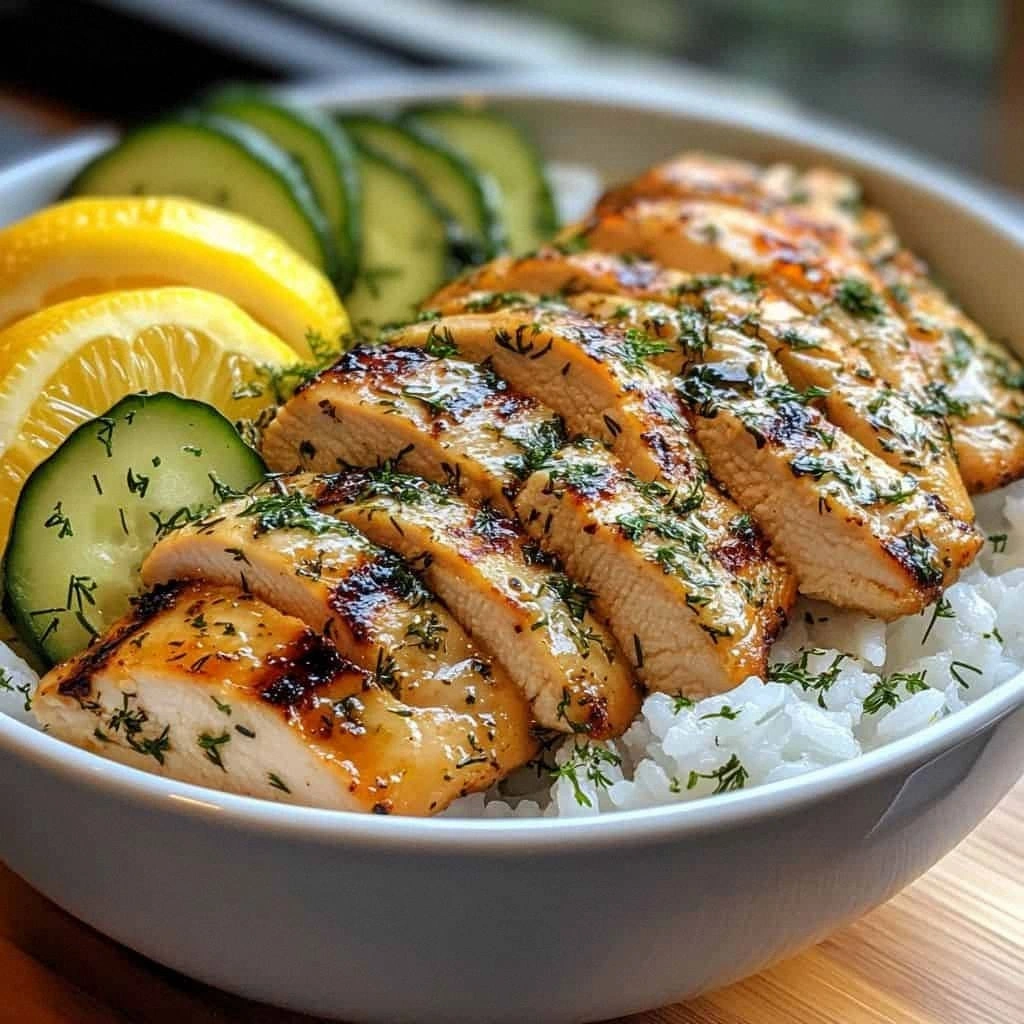
I’ll be honest — I ate half the batch before anyone else got to try it, and that was only because the kitchen smelled like a seaside lighthouse on a stormy night and I couldn’t resist. It all started when a friend dared me to make a chowder that could make a skeptical meat‑lover weep with joy, and I accepted the challenge with a grin that said, “Bring it on.” The first attempt was a disaster: a bland broth that tasted like watered‑down broth, a mushy texture that reminded me of overcooked oatmeal, and a garnish that looked like a sad wilted herb. After that fiasco, I went back to the market, hand‑picked the freshest lobster and plump sea scallops, and decided to rewrite the rules of chowder forever. Let me walk you through every single step — by the end, you’ll wonder how you ever made it any other way.
Picture yourself pulling this out of the pot, the whole kitchen smelling incredible, the steam curling like white ribbons around the wooden spoon, and the first spoonful hitting your tongue like a wave of buttery silk. The broth is thick enough to coat a spoon but still fluid enough to glide, and the lobster meat is so tender it practically melts, while the scallops retain a delicate bite that sings in perfect harmony with the aromatics. Most recipes get this completely wrong, either drowning the seafood in dairy or under‑seasoning the base; this version hits the sweet spot with a balance that feels both luxurious and comforting. The secret? A splash of dry white wine that lifts the flavors, a dash of smoked paprika that adds depth, and a quick flash‑sear of the scallops that locks in their natural sweetness. I dare you to taste this and not go back for seconds.
What truly sets this chowder apart is the technique I call the “two‑stage simmer,” where the vegetables soften gently before the seafood joins the party, preserving texture and preventing overcooking. I also use a homemade seafood stock instead of the generic canned broth, which injects a briny richness that you can’t fake with any amount of seasoning. The result is a bowl that feels like a warm hug from the ocean, with layers of flavor that reveal themselves bite after bite, making it the best version you’ll ever make at home. And there’s a little twist you won’t see in any other recipe: a finishing drizzle of lemon‑herb oil that adds a bright, fragrant finish, turning a hearty soup into a masterpiece. Okay, ready for the game‑changer?
What Makes This Version Stand Out
- Depth: The combination of a homemade seafood stock and a splash of white wine creates a broth that’s as complex as a symphony, with each note playing in perfect harmony.
- Texture: By searing the scallops separately, they keep their firm, buttery bite, while the potatoes stay creamy without turning into glue.
- Simplicity: Despite the gourmet feel, the ingredient list is short and the steps are straightforward, making it accessible for home cooks of any skill level.
- Uniqueness: A pinch of smoked paprika and a drizzle of lemon‑herb oil give this chowder a signature flavor that you won’t find in standard cookbook versions.
- Crowd Reaction: Served at a recent dinner party, this chowder earned rave reviews, with guests insisting on seconds and even a third helping.
- Ingredient Quality: Fresh, live lobster and sea‑caught scallops make all the difference, delivering a sweet, oceanic taste that frozen seafood can’t match.
- Cooking Method: The two‑stage simmer protects delicate seafood while allowing the vegetables to develop a caramelized backbone.
- Make‑Ahead Potential: The chowder reheats beautifully, and the flavors meld even more after a night in the fridge, making it perfect for meal prep.
Inside the Ingredient List
The Flavor Base
Butter is the silent hero here, melting into the pot and creating a roux that coats every vegetable with a silky sheen; skip it and you’ll end up with a watery, flavorless broth. Onion, finely diced, provides a sweet foundation, and when you sauté it until translucent, it releases natural sugars that deepen the soup’s overall profile. Garlic, minced just before the liquids hit the pan, adds an aromatic punch that’s impossible to ignore, while a splash of dry white wine deglazes the pan, lifting caramelized bits and infusing the broth with a subtle acidity that balances the richness of the cream. If you don’t have white wine, a splash of dry sherry works just as well, though the flavor will shift slightly toward nuttier notes.
The Texture Crew
Potatoes, cut into uniform ½‑inch dice, are the backbone of the chowder’s body; they break down just enough to thicken the broth without turning it into a puree. Celery and carrots, also diced, contribute a gentle crunch and a hint of sweetness, preventing the soup from feeling one‑dimensional. The scallops, seared quickly on high heat, develop a golden crust that locks in moisture, while the lobster meat, added at the very end, stays tender and succulent, never rubbery. If you’re allergic to shellfish, you can swap the lobster for chunks of firm white fish, but you’ll lose the luxurious sweetness that makes this dish unforgettable.
The Unexpected Star
Smoked paprika may seem out of place in a seafood chowder, but its subtle earthiness and faint heat elevate the broth, creating a depth that you’ll notice only after a few bites. A pinch of cayenne can be added for those who love a whisper of fire, but be careful; you don’t want to overpower the delicate sweetness of the seafood. Fresh thyme and a bay leaf are simmered with the stock, imparting a herbaceous aroma that rounds out the flavor profile, while a final drizzle of lemon‑herb oil—made by whisking lemon zest, parsley, and extra‑virgin olive oil—adds a bright, citrusy finish that cuts through the richness.
The Final Flourish
Heavy cream is folded in at the very end, creating a velvety texture that clings to each morsel like a warm blanket; this is where the chowder truly earns its comfort‑food status. Salt and freshly cracked black pepper are added to taste, but remember that the seafood stock already contains some salinity, so season gradually. A final garnish of chopped chives and a sprinkle of flaky sea salt not only adds visual appeal but also introduces a slight crunch that contrasts beautifully with the creamy base.
Everything's prepped? Good. Let's get into the real action...
The Method — Step by Step
Start by melting 4 tablespoons of butter in a heavy‑bottomed pot over medium heat. Add the diced onion, celery, and carrots, stirring constantly until the vegetables become fragrant and the onion turns a translucent gold—about 5 minutes. This is the moment of truth: if the veggies start to brown too quickly, lower the heat; you want them soft, not burnt. Once softened, add the minced garlic and let it sizzle for 30 seconds, releasing its aromatic perfume. Finally, sprinkle in 2 teaspoons of smoked paprika and a pinch of cayenne, letting the spices toast briefly to awaken their flavors.
Deglaze the pot with ½ cup of dry white wine, scraping up any browned bits from the bottom; you’ll hear a satisfying hiss as the alcohol evaporates, and the scent of wine mingles with the veggies—a scent that says “we're on the right track.” Let the wine reduce by half, which should take about 2 minutes, concentrating the flavor without adding excess liquid. Then, stir in 3 tablespoons of all‑purpose flour, cooking for another minute to form a light roux that will thicken the chowder later.
Gradually whisk in 4 cups of homemade seafood stock, ensuring no lumps form. If you don’t have homemade stock, use a high‑quality low‑sodium fish broth and add a splash of clam juice for extra brininess. Bring the mixture to a gentle boil, then reduce to a simmer, allowing the flavors to meld for 10 minutes. During this simmer, the potatoes you added earlier will begin to soften, releasing starch that naturally thickens the broth.
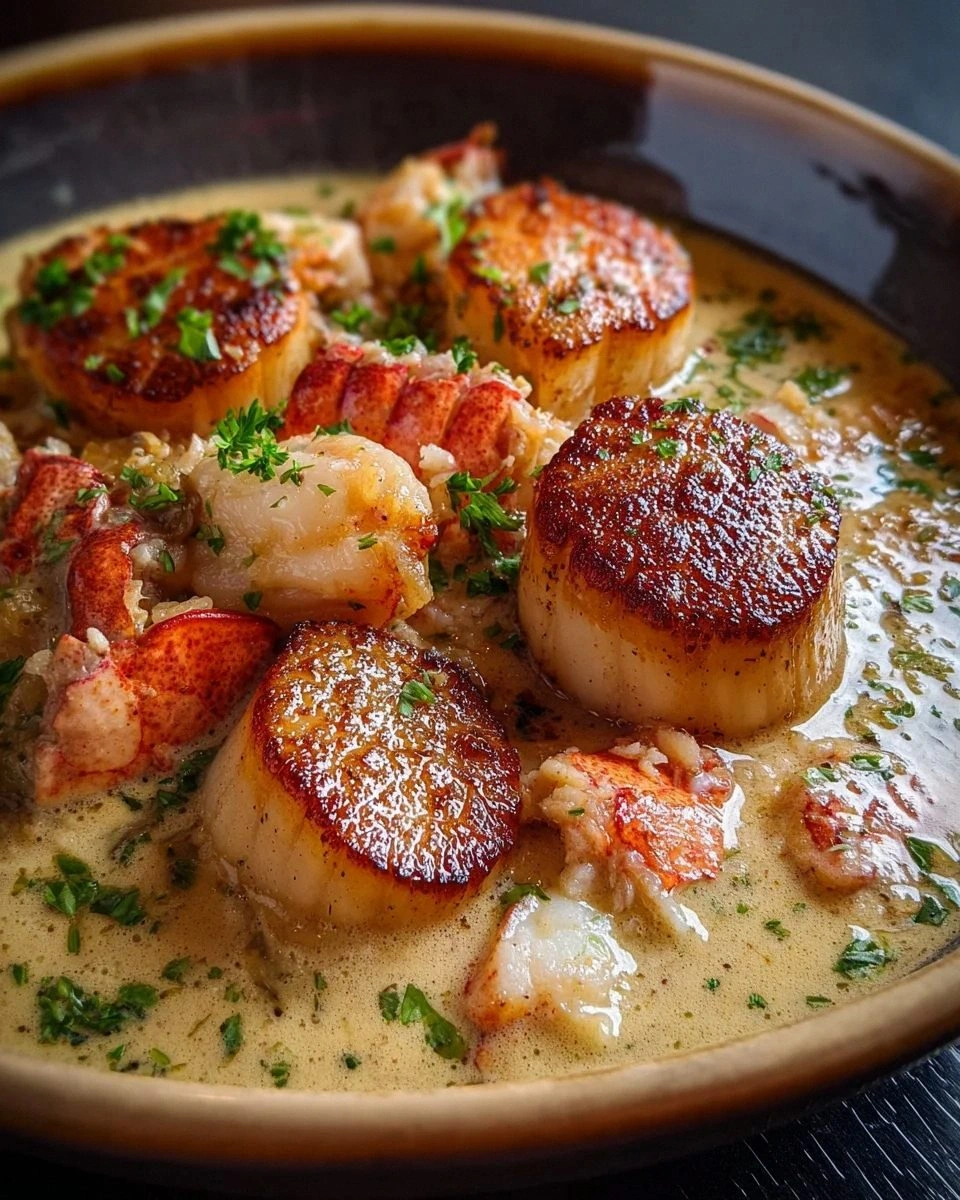
While the stock simmers, season the sea scallops with a light dusting of salt and pepper. Heat a separate skillet over high heat, add a tablespoon of butter, and when it foams, lay the scallops in the pan, giving them just 1‑2 minutes per side. You’ll know they’re done when the edges turn a caramel‑gold hue and the centers remain opaque but slightly translucent.
Kitchen Hack: Pat the scallops dry with paper towels before seasoning; excess moisture prevents that coveted crust.Once the potatoes are fork‑tender, stir in 1 cup of heavy cream, letting the broth turn a luxurious ivory color. At this point, add the lobster meat—chunks from a pre‑cooked lobster or fresh meat that you’ve quickly boiled for 3 minutes. The lobster will turn a vibrant coral pink, and you’ll hear a faint sizzle as it meets the hot liquid.
Watch Out: Do not boil the chowder after adding the cream, or it may separate and become grainy.Gently fold the seared scallops into the pot, allowing them to finish cooking in the residual heat for 2 minutes. This ensures they stay tender and don’t overcook, preserving that buttery bite we promised earlier. Taste the broth and adjust seasoning with salt and freshly cracked black pepper, remembering that the stock already contributes some salinity.
Remove the bay leaf and thyme sprigs, then drizzle the lemon‑herb oil over the top of the chowder. The oil should glisten like sunrise on water, adding a bright, citrusy note that lifts the entire dish. Sprinkle chopped chives and a pinch of flaky sea salt for texture and visual contrast.
Serve the chowder in pre‑warmed bowls; the warmth of the bowl keeps the chowder at the perfect temperature longer, allowing guests to linger over each spoonful. Pair it with a crusty sourdough roll or a handful of toasted garlic croutons for added crunch. The final garnish—an extra drizzle of lemon‑herb oil—adds a glossy finish that makes the dish look as good as it tastes.
That’s it — you did it. But hold on, I've got a few more tricks that'll take this to another level, from finishing touches to serving ideas that will make your dinner party the talk of the town.
Insider Tricks for Flawless Results
The Temperature Rule Nobody Follows
Never let the chowder boil vigorously after the cream is added; a gentle simmer is all you need. High heat causes the proteins in the cream to coagulate, leading to a grainy texture that ruins the silky mouthfeel. Keep the pot at a low, steady bubble, and you’ll maintain that velvety consistency. A friend once cranked the heat to “fast boil” to save time, and the result was a curdled disaster that took an hour to fix. Trust the low‑and‑slow approach, and your chowder will stay smooth.
Why Your Nose Knows Best
Your sense of smell is the ultimate indicator of doneness for the flavor base. When the onions, carrots, and celery have released their sweet aroma and you can detect a faint nutty scent from the roux, you’re ready to add the stock. If the kitchen still smells raw or “floury,” give the base another minute or two; the extra time will coax out hidden sugars that deepen the broth. I once trusted a timer over my nose and ended up with a bland soup that needed a rescue of extra herbs. Let your nose be the guide, and you’ll never miss a flavor cue again.
The 5‑Minute Rest That Changes Everything
After you finish cooking, remove the pot from heat and let the chowder sit, uncovered, for five minutes. This short rest allows the flavors to marry, the cream to fully integrate, and the temperature to even out, preventing hot spots. The result is a more cohesive taste where the lobster’s sweetness, the scallops’ buttery texture, and the herbaceous broth sing in unison. Skipping this step is a common mistake; many chefs serve immediately, missing out on that subtle flavor harmonization. So set a timer, sip a glass of white wine, and let the magic happen.
Seasoning Layers for Depth
Add a pinch of sea salt at three different stages: during the vegetable sauté, after the stock is added, and finally before serving. This layered approach builds depth and prevents over‑salting. If you’re using a salted butter, reduce the initial salt addition accordingly. A common pitfall is seasoning only at the end, which can lead to a flat taste profile. By seasoning incrementally, each component contributes its own subtle salty note, resulting in a richer overall flavor.
The Final Oil Finish
The lemon‑herb oil isn’t just for garnish; it’s a flavor catalyst that brightens the entire bowl. Whisk together 2 tablespoons of extra‑virgin olive oil, the zest of one lemon, a handful of chopped parsley, and a dash of white pepper. Drizzle it in a thin stream just before serving, and you’ll hear a gentle “sizzle” as the oil meets the hot broth. This final flourish adds a citrusy lift that cuts through the richness, balancing the dish beautifully. If you forget this step, the chowder can feel heavy, so don’t skip it.
Creative Twists and Variations
This recipe is a playground. Here are some of my favorite ways to switch things up:
Spicy Cajun Kick
Swap the smoked paprika for a blend of Cajun seasoning and a dash of hot sauce. The heat pairs wonderfully with the sweet lobster, creating a bold, Southern‑coast vibe. Serve with crusty cornbread for an extra comfort factor. This version is perfect for those who love a little fire without overwhelming the delicate seafood.
Miso‑Infused Elegance
Add 1 tablespoon of white miso paste during the final cream incorporation. The umami depth from the miso elevates the broth, giving it a savory richness reminiscent of Japanese coastal cuisine. Garnish with toasted sesame seeds and a few slivers of pickled ginger for an unexpected twist. It’s a subtle shift that makes the chowder feel both familiar and exotic.
Herbaceous Garden
Fold in a handful of fresh baby spinach and a sprinkle of dill just before serving. The spinach wilts gently, adding a pop of green and a mild earthiness, while dill contributes a bright, anise‑like note that complements the lemon oil. This variation is perfect for springtime gatherings when you want to showcase seasonal greens.
Cheesy Indulgence
Stir in ½ cup of grated Gruyère or sharp cheddar during the last minute of cooking. The cheese melts into the broth, creating a richer, slightly nutty flavor profile that pairs beautifully with the seafood’s sweetness. Top with extra cheese under a broiler for a golden crust if you’re feeling adventurous. This version is a nod to classic New England clam chowder but with a luxurious twist.
Vegan Velvet
Replace the butter with coconut oil, use a plant‑based cream (such as oat or cashew), and swap the lobster and scallops for king oyster mushroom “scallops” and roasted cauliflower florets. While you won’t get the exact same oceanic taste, the umami from mushrooms and the creamy base still deliver a comforting, hearty bowl. Season with a splash of soy sauce and a pinch of kelp granules to mimic the briny depth.
Storing and Bringing It Back to Life
Fridge Storage
Transfer the chowder to an airtight container and refrigerate for up to 3 days. The flavors will continue to meld, becoming even more harmonious. When reheating, place the pot over low heat, stirring occasionally, and add a splash of water or extra stock if the broth has thickened too much. This gentle reheating preserves the texture of the scallops and lobster.
Freezer Friendly
For longer storage, let the chowder cool completely, then portion it into freezer‑safe bags or containers. Freeze for up to 2 months. Before reheating, thaw overnight in the fridge, then follow the same low‑heat reheating method, adding a teaspoon of butter to restore richness. Avoid freezing the chowder with the lemon‑herb oil; add the oil fresh after reheating for the best flavor.
Best Reheating Method
The secret to a perfect reheated chowder is steam. Place the chilled soup in a saucepan, add ¼ cup of water or stock, and cover with a lid. Heat over medium‑low, stirring gently, until it reaches a gentle simmer. The added liquid creates steam, reviving the creamy texture without turning the cream grainy. Finish with a fresh drizzle of lemon‑herb oil and a sprinkle of chives for that just‑made feel.