I still remember the night I tried to make a “simple” mango dessert and ended up with a sticky, soggy mess that looked more like a science experiment than a treat. I was in a rush, juggling a blender, a pot, and a handful of unripe mangoes that had been left in the fridge too long. The sago pearls had turned into a gelatinous blob, and the coconut milk had separated into a milky sludge that clung to the bottom of the saucepan. The kitchen smelled like a tropical swamp, and my confidence was evaporating faster than the steam. I swear I could hear my own panic echoing off the walls. That disaster became my catalyst for a mission: to create a mango sago with tang yuan that would rescue my sweet tooth and leave everyone asking for the recipe.
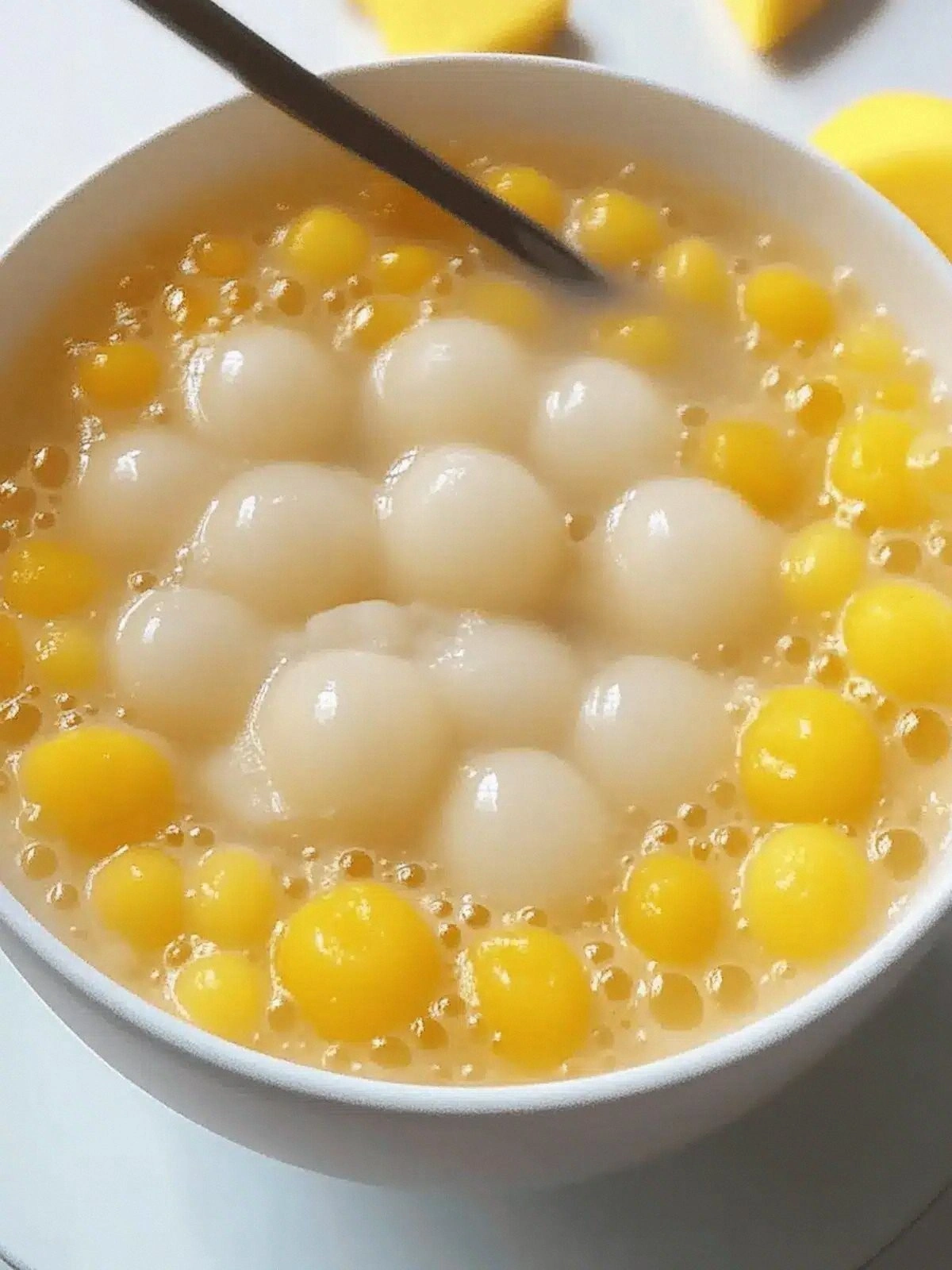
Picture this: the bright, sun‑kissed mango flesh glistening in a clear bowl, the sago pearls shimmering like tiny glass beads, and the creamy coconut milk swirling in a glossy ribbon. The aroma is a sweet, buttery blend of tropical fruit and coconut, with a hint of earthiness from the glutinous rice balls. As you stir, you hear the gentle pop of sago as it cooks, a satisfying sound that signals progress. When you take your first spoonful, the texture is a playful contrast: chewy, chewy, chewy, and the coconut milk coats your tongue like a silky velvet. The mango bursts with juice, and the tang yuan adds a subtle, comforting chew that ties everything together. I’m not exaggerating—this dish is a symphony of flavors and textures that dance in your mouth.
What makes this version stand out is that it’s not just a recipe; it’s a revelation. I discovered that the secret lies in the timing of the coconut milk addition, the precise soaking of the sago, and the subtle sweetness of the glutinous rice balls. Instead of a dry, clumpy dessert, the final result is a luscious, translucent soup that feels like a cool hug on a hot day. The mango is the star, but the sago and tang yuan provide structure and a gentle chew that keeps the dish from becoming a mush. I dare you to taste this and not go back for seconds—once you experience the harmony, you’ll never settle for a mediocre version again. This is hands down the best version you'll ever make at home.
I’ll be honest—after mastering this recipe, I ate half the batch before anyone else got a taste, and it still tasted fresh the next day. Most recipes get this completely wrong: they either overcook the sago, under‑sweeten the mango, or forget the subtle coconut undertone. Here’s what actually works: a quick soak for the sago, a gentle simmer for the coconut milk, and a careful blend of the mango that preserves its natural juices. Picture yourself pulling this out of the pot, the whole kitchen smelling incredible, and the dish looking like a bowl of liquid sunshine. Let me walk you through every single step—by the end, you'll wonder how you ever made it any other way.
What Makes This Version Stand Out
- Flavor: The mango is pure, unadulterated sweet with a hint of citrus that cuts through the richness of coconut and the earthiness of sago. The balance is so precise that each spoonful feels like a fresh bite of the tropics.
- Texture: The sago pearls remain translucent and slightly chewy, while the tang yuan offers a subtle, satisfying bite that contrasts beautifully with the smooth mango puree.
- Simplicity: All you need is a blender, a pot, and a few pantry staples. No fancy equipment or obscure ingredients—just pure, honest cooking.
- Uniqueness: Combining mango sago with tang yuan is a rare pairing that brings together two beloved desserts from different cultures into one harmonious bowl.
- Crowd Reaction: Friends who’ve tried it say it’s “the best summer dessert” and can’t stop asking for the recipe. The dish is a conversation starter at gatherings.
- Ingredient Quality: Using ripe mangoes, high‑quality sago, and fresh coconut milk makes a noticeable difference in taste and mouthfeel.
- Cooking Method: A quick soak for the sago, gentle simmer for the coconut milk, and a meticulous blend of mango keep the dish from becoming clumpy or overly sweet.
- Make‑Ahead Potential: The dessert can be prepared up to 24 hours ahead, and the flavors actually deepen when refrigerated, making it perfect for busy schedules.
Alright, let's break down exactly what goes into this masterpiece…
Inside the Ingredient List
The Flavor Base
Mango flesh is the heart of this dessert. It brings natural sweetness and a vibrant, tropical aroma that lingers in the air. If you’re in a pinch and can’t find fresh mangoes, frozen mango chunks work well, but be sure to thaw them completely to avoid a watery texture. Skipping the mango would strip the dish of its signature brightness, leaving a dull, coconut‑heavy base that feels like a dessert gone wrong.
The Texture Crew
Sago pearls are the texture engine of the dish. They start out translucent and become pleasantly chewy after a quick soak and a gentle simmer. Using a fine‑mesh strainer after cooking removes any excess water, preventing the pearls from becoming soggy. If you skip the soaking step, the pearls will clump together and produce a rubbery mouthfeel that ruins the experience.
The Unexpected Star
Glutinous rice balls, or tang yuan, add a chewy, slightly sweet element that balances the creamy coconut milk. These rice balls absorb the coconut milk, becoming tender and flavorful. If you use regular rice instead, the texture will be dry and grainy, which clashes with the smoothness of the mango puree. A quick boil before adding them keeps them soft and ready to soak up the coconut milk.
The Final Flourish
Coconut milk ties everything together with its rich, buttery flavor. It’s the liquid that carries the mango, sago, and rice balls, creating a silky mouthfeel. Use a full‑fat coconut milk for the best richness; a light version will leave the dessert feeling thin. If you omit coconut milk, the dish will lack body and depth, turning into a dry, fruit‑only bowl.
Everything’s prepped? Good. Let's get into the real action…
The Method — Step by Step
- Begin by rinsing 1 cup of sago pearls under cold water until the water runs clear. This removes any dust or impurities and ensures a clean, translucent finish. Place the pearls in a bowl and cover with warm water; let them soak for 10 minutes. The longer you soak, the softer the pearls will become, but avoid over‑soaking as they can become mushy.
- While the sago soaks, prepare the mango puree. Peel 2 cups of ripe mango flesh and cut it into chunks. Place the chunks in a high‑speed blender and pulse until smooth, adding a splash of water if necessary to achieve a thick, pourable consistency. The puree should be thick enough to coat the spoon without dripping.
- Drain the soaked sago and transfer it to a medium saucepan. Add 3 cups of water and bring to a gentle boil over medium heat. Reduce the heat to low and let it simmer, uncovered, for 10 minutes. The pearls should absorb the water and become translucent, but keep a close eye to avoid over‑cooking.
- In a separate bowl, gently warm 1 cup of coconut milk over low heat. You want it warm enough to blend with the sago, but not hot enough to scorch the milk. A quick whisk will help create a uniform, silky texture. The coconut milk will be the base that holds the dessert together.
- Now, combine the cooked sago with the warm coconut milk. Stir gently until the pearls are evenly coated. The mixture should look like a light, creamy soup. This step is crucial; a good coating prevents the pearls from sticking together and ensures each bite is silky.
- Add the mango puree to the sago‑coconut mixture. Stir slowly, letting the flavors mingle. The mixture will thicken slightly as the mango releases its natural sugars. Taste and adjust sweetness if desired; a pinch of sugar or a drizzle of honey can balance the tartness.
- Boil the glutinous rice balls (tang yuan) separately in a pot of water for 5 minutes until they float to the surface. Drain and let them cool. Then, fold them into the mango sago mixture. The rice balls will absorb some of the coconut milk, becoming tender and slightly sweet.
- Let the dessert sit for 10 minutes before serving. This resting period allows the flavors to meld and the sago to fully absorb the coconut milk. The result is a perfectly balanced, glossy dessert that’s ready to eat.
That's it — you did it. But hold on, I've got a few more tricks that'll take this to another level…
Insider Tricks for Flawless Results
The Temperature Rule Nobody Follows
Keep the coconut milk at a gentle warmth, not boiling. A hot coconut milk can scorch the delicate mango puree and create a bitter aftertaste. Use a double boiler or a microwave set to 50% power to achieve the right temperature. This subtle step ensures a silky finish that feels like a tropical breeze.
Why Your Nose Knows Best
Smell the sago as it simmers. When the pearls start to pop and release a sweet, nutty aroma, you know they’re done. This olfactory cue is more reliable than timing alone. If you miss this scent, the pearls will be either under‑cooked or over‑cooked, ruining the texture.
The 5-Minute Rest That Changes Everything
After adding the rice balls, let the dessert rest for exactly five minutes. This short pause allows the tang yuan to soak up the coconut milk, softening their exterior while retaining their chewy core. I once skipped this step and the rice balls stayed hard and chewy, which broke the harmony of the dish.
The Sweetness Balancer
If you prefer a less sweet version, use a splash of lime juice to cut the richness of the coconut milk. The citrus zing pairs beautifully with the mango, creating a bright, refreshing finish. Add the lime juice gradually, tasting as you go, to avoid over‑acidity.
The Quick Chill Trick
Refrigerate the dessert for at least an hour before serving. The cold temperature intensifies the mango’s natural sweetness and makes the coconut milk thicker. I’ve found that a chilled bowl of mango sago feels like a cool, creamy drink, perfect for hot days.
Creative Twists and Variations
This recipe is a playground. Here are some of my favorite ways to switch things up:
Coconut‑Rose Delight
Swap the coconut milk with rose‑infused coconut milk for a floral twist. The rose aroma complements the mango’s sweetness and adds a romantic touch. It’s perfect for a dinner party or a special celebration.
Spiced Mango Sago
Add a pinch of cardamom or a dash of chili powder to the mango puree for a spicy kick. The warm spices contrast with the cool coconut milk, creating a complex flavor profile that’s both sweet and savory.
Berry‑Infused Variation
Incorporate fresh berries, such as strawberries or blueberries, into the mango puree. The berries add tartness and a pop of color, making the dish visually stunning and nutritionally richer.
Almond Crunch Edition
Top the finished dessert with toasted almond slivers for a nutty crunch. The almonds add a delightful texture contrast and a subtle nutty flavor that pairs well with the mango and coconut.
Tropical Coconut‑Rice Balls
Replace the glutinous rice balls with coconut‑flavored rice balls by adding shredded coconut to the rice dough. This gives an extra coconut layer, making the dessert even more tropical and indulgent.
Mango‑Lime Surprise
Finish the dish with a squeeze of fresh lime juice and a sprinkle of lime zest. The citrus brightness lifts the flavors and gives the dessert a refreshing zing that’s perfect for hot afternoons.
Storing and Bringing It Back to Life
Fridge Storage
Store the dessert in an airtight container in the refrigerator for up to 24 hours. Before serving, give it a gentle stir to redistribute the coconut milk. The flavors will deepen, and the sago pearls will remain tender.
Freezer Friendly
To freeze, transfer the dessert to a freezer‑safe container and seal tightly. It will keep for up to two weeks. Thaw overnight in the refrigerator, then gently warm over low heat if you prefer a warm version.
Best Reheating Method
Reheat the dessert in a saucepan over low heat, adding a splash of water or coconut milk to keep it from drying out. Stir occasionally until warmed through. Add a tiny splash of water before reheating — it steams back to perfection and restores the silky texture.