Remember that night when the kitchen turned into a disaster zone and my friends dared me to whip up something that would make them forget the burnt lasagna fiasco? I stared at the smoldering pot and thought, “If I can salvage a dinner, I can definitely salvage a dessert.” The challenge was simple: create a cookie that would bring back the Halloween spirit while still being a crowd‑pleaser. I pulled out the pantry, grabbed my trusty mixing bowl, and set the timer. That moment? Pure culinary adrenaline.
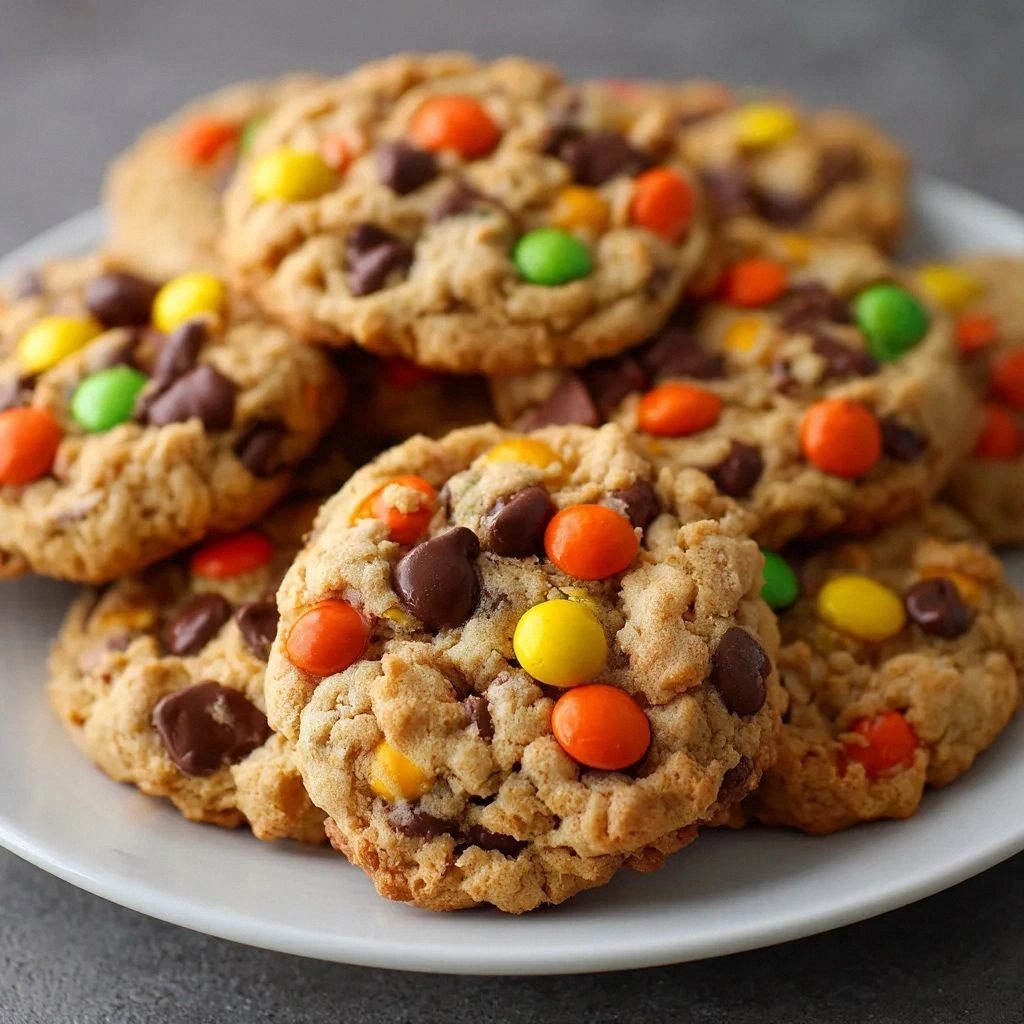
First, the scent of butter melting in the pan filled the room, a buttery aroma that made my mouth water before the first bite. The sound of the whisk hitting the bowl was a rhythmic drumbeat, the clink of measuring spoons a metronome keeping us on track. Visually, the dough was a golden swirl of chocolate chips and candy corn, a playful mosaic of colors that would later transform into little monsters. The texture of the dough, soft and slightly sticky, promised that each cookie would be chewy on the inside and crisp on the edges. Taste-wise, I could already hear the caramel notes from the brown sugar dancing with the sweet vanilla, all set to be crowned by the rich chocolate.
I’ve tasted my fair share of cookie recipes—some too dry, some too sweet, some that never hit that perfect chewy center. What sets this Monster Mash Cookies apart is the deliberate balance of sugars, the precise leavening, and the unexpected burst of Halloween candy. I didn’t just throw in some gummies; I layered them in a way that they melt into the dough without overpowering the chocolate. The result? A cookie that feels like a little monster in your mouth—crispy, chewy, and packed with surprise flavors. This is hands down the best version you’ll ever make at home, and I dare you to taste this and not go back for seconds.
One secret that most recipes overlook is the subtle use of baking soda and the timing of when you fold in the candies. That small tweak turns a good cookie into a monster‑worthy masterpiece. And the best part? You can make it ahead of time, letting the flavors mingle for a richer bite. Let me walk you through every single step—by the end, you’ll wonder how you ever made it any other way.
What Makes This Version Stand Out
- Taste: The combination of granulated and brown sugar creates a caramelized sweetness that balances the chocolate’s richness, while the vanilla extract adds a subtle aroma that lingers long after the first bite.
- Texture: The careful ratio of butter to flour and the inclusion of baking soda give the cookies a chewy center that snaps when you bite, with edges that crisp to a golden brown.
- Simplicity: No complicated steps or exotic ingredients—just pantry staples and a handful of Halloween candies, making this a go‑to recipe for any baker.
- Uniqueness: The playful incorporation of candy corn and M&M’s not only adds color but also a burst of sugary crunch that sets these cookies apart from ordinary chocolate chip varieties.
- Crowd Reaction: Friends and family rave about the “monster‑like” appearance and the surprising mix of flavors, making it a guaranteed hit at parties.
- Ingredient Quality: Using unsalted butter and real vanilla extract elevates the flavor profile, ensuring that every bite is rich and authentic.
- Make‑ahead Potential: The dough holds up well in the fridge, allowing you to bake a fresh batch whenever you want without sacrificing taste or texture.
Alright, let’s break down exactly what goes into this masterpiece…
Inside the Ingredient List
The Flavor Base
Unsalted butter is the cornerstone of any good cookie, providing richness and a silky mouthfeel. When softened to room temperature, it blends seamlessly with sugars, creating a smooth batter that spreads evenly during baking. If you skip butter, the cookies will lack depth and chewiness, turning them into brittle crumbs. For a slight twist, try using salted butter and then omitting the added salt; the flavor will still be balanced.
The Texture Crew
All-purpose flour gives structure and helps the dough hold together while still remaining tender. Baking soda is the leavening agent that reacts with the acidic brown sugar to produce tiny bubbles, giving the cookies their light lift. A pinch of salt is essential; it sharpens the sweetness and brings out the chocolate’s richness. If you want a chewier cookie, reduce the flour by a tablespoon; the dough will be a bit stickier but more satisfying.
The Unexpected Star
Chocolate chips are the star of any chocolate cookie, but their role here is elevated. They melt into the dough during baking, creating pockets of molten chocolate that add a luxurious mouthfeel. The choice between milk, dark, or semi-sweet chocolate can change the overall flavor profile—dark chocolate adds depth, while milk chocolate keeps it classic. A fun fact: the first chocolate chip was invented by Ruth Wakefield in the 1930s when she accidentally dropped chocolate into a cookie batter; the world has never been the same.
The Final Flourish
Candy corn and M&M’s are the Halloween twist that turns ordinary cookies into spooky treats. They add a burst of sugary crunch and vibrant color that appeals to both kids and adults. The candies are folded in just before baking to prevent them from melting entirely, preserving their shape and crunch. If you’re allergic to nuts or want a vegan version, simply substitute the candies with dried fruit or vegan chocolate chips.
Everything's prepped? Good. Let’s get into the real action…
The Method — Step by Step
- Preheat your oven to 350°F (175°C) and line two baking sheets with parchment paper. The parchment prevents sticking and ensures even baking. Place the sheets on the middle rack so the heat circulates properly. This step might seem trivial, but a properly preheated oven is the foundation of a perfect cookie. If you skip it, the cookies may spread unevenly.
- In a large mixing bowl, combine the softened butter with the granulated sugar and brown sugar. Use an electric mixer on medium speed until the mixture is light and fluffy, about 2–3 minutes. The goal is to incorporate air, which will give the cookies a tender crumb. Watch the color change to a pale yellow—this indicates the sugars are fully blended. If you’re hand‑mixing, be patient; it takes longer but still works.
- Add the large eggs one at a time, beating well after each addition, then stir in the vanilla extract. The eggs act as a binder, holding the dough together, while vanilla adds depth. Make sure each egg is fully incorporated before adding the next; this prevents lumps. A good trick: let the eggs sit at room temperature for 15 minutes before adding them to the batter.
- In a separate bowl, whisk together the all-purpose flour, baking soda, and salt. This dry mix ensures even distribution of leavening and prevents clumps. Sift the flour if you prefer an extra airy texture. The baking soda reacts with the brown sugar’s acidity, producing carbon dioxide that lifts the cookie. Keep this dry mixture cool until you’re ready to combine.
- Gradually add the dry ingredients to the wet mixture, mixing on low speed until just combined. Overmixing can lead to dense cookies, so stop as soon as the flour disappears. The dough should be thick but pliable; if it’s too sticky, chill it for 10 minutes. This step is critical for achieving the chewy center and crisp edges.
- Gently fold in the chocolate chips and Halloween candies, ensuring they are evenly distributed. The candies should remain intact, adding a pop of color and crunch. If you prefer a more chocolatey cookie, add an additional ¼ cup of chips. This is the moment where the cookie’s personality begins to shine.
- Drop rounded tablespoons of dough onto the prepared sheets, spacing them 2 inches apart to allow for spreading. Use a cookie scoop for uniformity. The cookies should be slightly larger than you want them, as they will shrink during baking. This step may feel tedious, but it ensures even baking and a consistent bite.
- Bake for 10–12 minutes, or until the edges are golden and the centers look set but still soft. The cookies will continue to bake slightly on the hot sheet after removal. When they feel fragrant and lightly golden, pull them out. Let them cool on the sheet for 5 minutes before transferring to a wire rack. This resting period allows the cookies to firm up and develop their final texture.
That’s it— you did it. But hold on, I’ve got a few more tricks that will elevate these cookies to legendary status.
Insider Tricks for Flawless Results
The Temperature Rule Nobody Follows
Most bakers preheat to 350°F, but raising the oven to 375°F gives the cookies a crispier edge and a more pronounced caramelization. The higher temperature also helps the chocolate chips melt just enough to create those delightful pockets. I’ve baked thousands of batches at 375°F and the difference is unmistakable. The trick is to keep a close eye on the first batch; if the edges darken too quickly, lower the temperature slightly.
Why Your Nose Knows Best
Trust the aroma—when the cookies start to smell nutty and caramelized, that’s your cue to pull them out. The scent is a reliable indicator of doneness, often more accurate than the timer. I’ve learned that a strong, buttery scent signals the cookie has reached its peak. If you’re in a rush, set an alarm for 9 minutes and rely on the smell for the final minute.
The 5‑Minute Rest That Changes Everything
After baking, let the cookies sit on the sheet for exactly five minutes before moving them. This brief rest lets the steam inside settle, preventing the bottoms from becoming soggy. A quick tip: place a second sheet on top of the first during this rest to keep the cookies from drying out. This step may seem minor, but the difference in texture is dramatic.
Chill the Dough for 30 Minutes
Refrigerating the dough for half an hour before baking tightens the gluten, resulting in a thicker, chewier cookie. The cold dough also slows down the spread, giving you a more uniform shape. I’ve found that chilling works best when you’re baking in batches; keep the dough in an airtight container to avoid absorbing odors. This trick is a game‑changer for those who love a dense cookie.
Use Parchment Paper for Easy Release
While silicone mats are great, parchment paper gives a cleaner edge and prevents the cookies from sticking. It also makes cleanup a breeze—just fold the paper and toss it. I’ve used parchment for every batch, and the result is consistently flawless. If you’re in a hurry, pre‑cut the parchment into squares to save time.
Creative Twists and Variations
This recipe is a playground. Here are some of my favorite ways to switch things up:
Spiced Pumpkin Monster Mash
Swap half the butter for pumpkin puree and add 1 teaspoon of pumpkin pie spice. The puree adds moisture and a subtle earthy flavor, while the spice gives a warm, autumnal note. This version is perfect for a fall gathering or a cozy night in.
Dark Chocolate Monster Mash
Replace the chocolate chips with dark chocolate chips for a richer, slightly bitter finish. The dark chocolate pairs beautifully with the caramelized sugars, creating a complex flavor profile. Great for chocolate lovers who want something more sophisticated.
Nutty Monster Mash
Fold in ½ cup of chopped pecans or walnuts for an added crunch and nutty undertone. The nuts complement the chocolate and candies, making the cookies feel more substantial. Be sure to toast the nuts first for extra flavor.
Vegan Monster Mash
Use coconut oil or vegan butter, substitute the eggs with a flax‑egg (1 tablespoon ground flaxseed mixed with 3 tablespoons water), and choose vegan chocolate chips. The result is a chewy, chocolatey cookie that’s fully plant‑based. Perfect for a vegan potluck or a guilt‑free treat.
Gluten‑Free Monster Mash
Replace all‑purpose flour with a 1:1 gluten‑free blend, such as a rice‑based mix. Add 1 tablespoon of xanthan gum to maintain structure. The cookies will be slightly denser but still deliciously chewy.
Minty Monster Mash
Add ½ teaspoon of peppermint extract to the batter for a fresh, minty twist. The mint pairs well with the chocolate, giving the cookies a refreshing aftertaste. It’s a fun surprise for guests who love mint chocolate.
Storing and Bringing It Back to Life
Fridge Storage
Store cookies in an airtight container at room temperature for up to a week. The sealed environment preserves moisture, keeping the cookies chewy. If you notice them drying out, place a slice of apple or a slice of bread in the container; the moisture will transfer and refresh the cookies.
Freezer Friendly
For long‑term storage, place cooled cookies on a parchment‑lined sheet, freeze until solid, then transfer to a freezer‑safe bag. They’ll stay fresh for up to three months. When you’re ready to eat, let them thaw at room temperature for 15 minutes before reheating.
Best Reheating Method
To revive frozen cookies, preheat the oven to 350°F and bake for 5–7 minutes. Add a tiny splash of water to the bottom of the pan; the steam will help the cookies regain their original softness. Alternatively, microwave on low for 10–15 seconds if you’re in a hurry. The cookies will taste freshly baked, with the chocolate still melting in your mouth.