I still remember the first time I tried to impress my future mother-in-law with my cooking skills. I was dating her son and thought I'd make her famous Italian wedding soup to show I could handle family recipes. Big mistake. I used store-bought meatballs, skipped the escarole because "greens are greens, right?" and thought dried parsley would work just fine. The look on her face when she tasted it was somewhere between pity and horror. That disaster led to three months of intensive soup training in her kitchen, where I learned the real magic behind what makes Italian wedding soup absolutely transcendent. Now, after years of perfecting every single detail, I'm sharing the recipe that has family members fighting over the last drop.
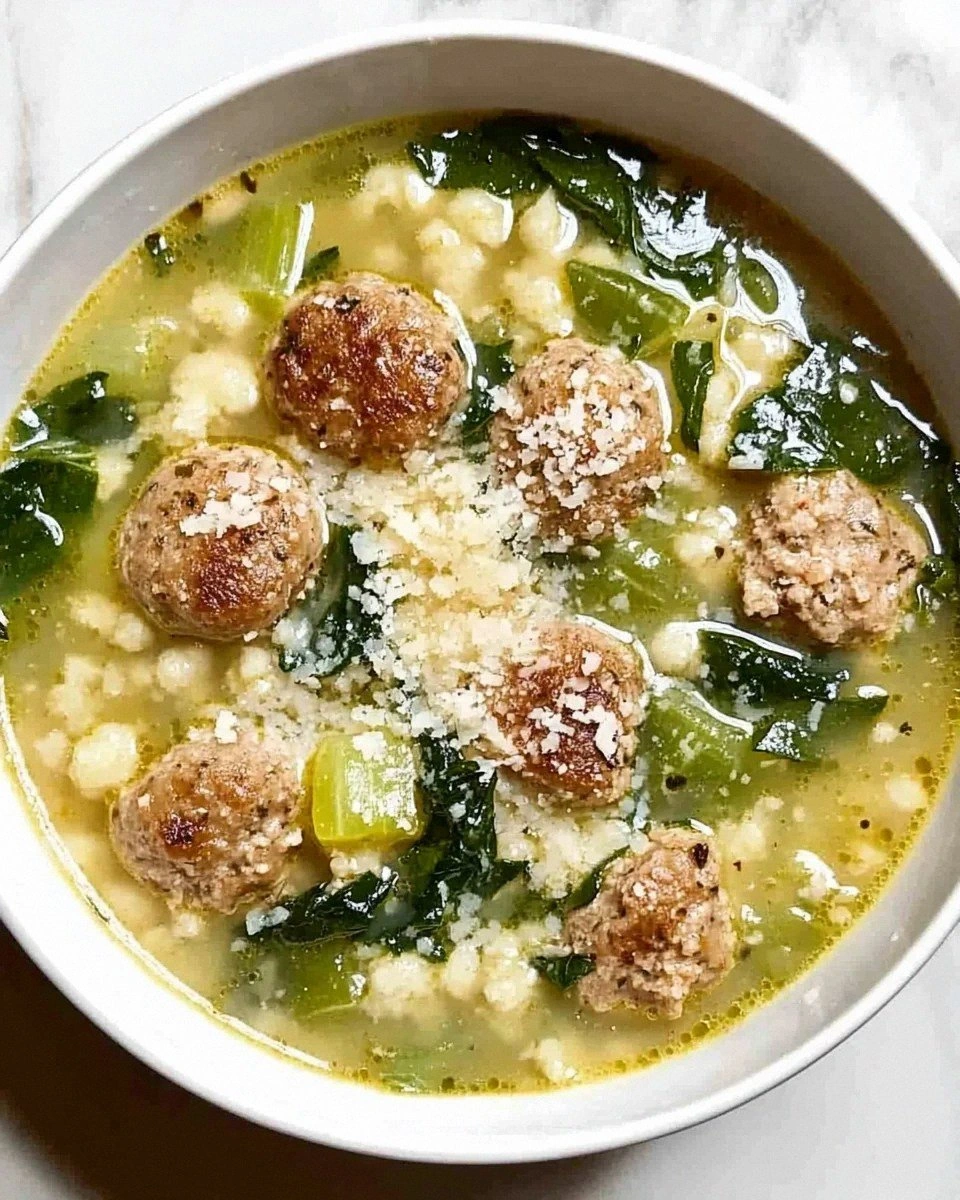
Picture this: tender spheres of seasoned meat swimming in golden broth with tiny pasta pearls, wilted greens that still have a bit of bite, and the kind of aromatic cloud that makes neighbors knock on your door asking what's for dinner. This isn't just soup — it's a warm hug in a bowl that somehow tastes like Sunday dinner at nonna's house even if you grew up in the suburbs eating cereal for dinner. The secret isn't just in the ingredients (though we'll get to those), but in the technique that transforms humble components into something that makes grown adults close their eyes and sigh with the first spoonful.
Here's what I learned from my soup apprenticeship: most recipes get the fundamentals completely wrong. They treat the meatballs like an afterthought, use watery broth that tastes like dishwater, and throw everything together like some sad cafeteria special. My mom's version (and now mine) builds layers of flavor like a symphony, with each component getting its moment to shine before coming together in perfect harmony. The result? A soup that's simultaneously hearty enough for dinner and delicate enough that you'll want to sip it from a mug while binge-watching your favorite show.
Let me walk you through every single step — by the end, you'll wonder how you ever made it any other way.
What Makes This Version Stand Out
Meatball Magic: These aren't your average tough, dense meatballs. We use a combination of ground beef and pork with a panade (that's fancy talk for bread soaked in milk) that keeps them impossibly tender. They're seasoned with Pecorino Romano instead of the usual Parmesan, which gives them a sharper, more complex flavor that stands up to the broth.
Broth That Tastes Like Liquid Gold: Instead of using plain chicken broth, we start with a homemade base made from chicken wings and vegetables. The collagen from the wings gives the broth body and richness that makes store-bought stuff taste like colored water. If you're short on time, I'll share a cheat that gets you 90% there with half the effort.
Pasta That Doesn't Turn to Mush: The trick is toasting the acini di pepe in butter before adding it to the soup. This creates a protective barrier that keeps the pasta al dente even after days in the fridge. Most recipes skip this step and end up with sad, bloated pasta that disintegrates into the broth.
Greens That Stay Vibrant: Instead of dumping the escarole in to cook into oblivion, we add it at the very end so it wilts but maintains its bright color and slight bitterness. This contrast is what separates restaurant-quality soup from the stuff that looks like it came from a can.
The Secret Ingredient Nobody Talks About: A splash of white wine added at a specific moment deglazes the pot and adds acidity that brightens all the other flavors. It's the difference between flat and phenomenal, and once you taste it, you'll never skip it again.
Make-Ahead Mastery: This soup actually tastes better the next day, but only if you know the right way to store and reheat it. I'll show you exactly how to keep the components separate so you can have restaurant-fresh soup all week long.
Crowd-Pleasing Power: I've served this at everything from fancy dinner parties to tailgates, and watched people who "don't like soup" go back for thirds. It's the kind of dish that creates instant memories and has people asking for the recipe before they finish their first bowl.
Alright, let's break down exactly what goes into this masterpiece...
Inside the Ingredient List
The Flavor Base
The foundation of any great soup is its broth, and this one starts with chicken wings. Don't even think about substituting boneless, skinless chicken breasts here — you need the fat and collagen from the wings to create that silky, lip-coating texture that makes good soup feel luxurious. The wings get roasted first to develop deep, caramelized flavor that infuses the entire broth with complexity. Onions, carrots, and celery aren't just aromatics here; they're coaxed into sweetness through slow cooking until they practically melt into the broth. Fresh thyme and bay leaves add herbal notes, while whole peppercorns give subtle heat that builds as you eat.
Garlic plays a starring role, but timing is everything. We add some at the beginning for sweetness and depth, then more near the end for that bright, pungent kick that wakes up your taste buds. The quality of your chicken wings matters more than you think — look for plump ones with unblemished skin, preferably organic if your budget allows. If you absolutely must use store-bought broth, grab the low-sodium variety and plan to doctor it up with roasted vegetables and extra chicken fat.
The Texture Crew
Ground beef and pork create the perfect meatball texture when combined in a 2:1 ratio. The beef provides structure and that familiar meaty flavor, while the pork adds richness and moisture that keeps things interesting. Skip the extra-lean options here — you need some fat for flavor and to keep the meatballs from turning into rubber balls. The panade made from fresh bread soaked in whole milk is non-negotiable; it's what keeps the meatballs tender even after simmering in hot broth.
Acini di pepe might look like tiny beads, but they pack serious textural punch. These little pasta pearls cook quickly but maintain their shape, creating delightful pop-in-your-mouth moments throughout the soup. If you can't find them, pastina works, but avoid orzo — it gets too mushy and throws off the meatball-to-pasta ratio that makes this soup so satisfying. The pasta gets toasted in butter until golden, which not only prevents mushiness but adds a nutty flavor that complements the meatballs perfectly.
The Unexpected Star
Escarole often gets overlooked in favor of spinach or kale, but its slight bitterness and sturdy texture make it the perfect green for this soup. Unlike spinach, which turns slimy and sad, escarole wilts but maintains structure, adding pleasant chew alongside the meatballs and pasta. The bitterness isn't overwhelming — it just provides contrast to the rich broth and savory meatballs. Look for heads with crisp, bright green leaves and avoid anything yellowing or wilted.
Fresh Pecorino Romano adds sharp, salty complexity that pre-grated Parmesan can't touch. The sheep's milk cheese has a more aggressive flavor that stands up to the robust broth and seasoned meat. Buy it in a chunk and grate it fresh; the pre-grated stuff contains cellulose that prevents smooth melting and can give your soup a gritty texture. Save some for garnish at the end — the way it melts into the hot broth creates little pockets of cheesy heaven.
The Final Flourish
Eggs aren't just for binding the meatballs — we also use them to create tiny egg drops that float throughout the soup like golden clouds. This is optional but adds visual appeal and extra richness. The trick is to drizzle the beaten eggs in a thin stream while stirring the broth in a slow circle, creating delicate ribbons that cook instantly. Fresh eggs make a difference here; older eggs have runnier whites that don't hold their shape as well.
A squeeze of fresh lemon juice right before serving brightens all the flavors and makes everything taste more vibrant. Don't add it while cooking — the heat destroys the fresh, zesty quality. The same goes for fresh herbs like parsley; they go in at the very end to maintain their color and flavor. A drizzle of good olive oil over each bowl adds fruitiness and makes the soup feel luxurious and restaurant-worthy.
Everything's prepped? Good. Let's get into the real action...
The Method — Step by Step
- Start by roasting your chicken wings at 425°F for 25 minutes until deeply golden and crispy. This step is crucial — those brown bits on the bottom of the pan are pure flavor gold that will transform your broth from good to legendary. Arrange them in a single layer on a rimmed baking sheet, and don't crowd them or they'll steam instead of brown. The skin should be blistered and crackling, the fat rendered into the pan. Save every drop of that liquid gold — it's going straight into your soup pot.
- While the wings roast, start your vegetables. Dice onions, carrots, and celery into small, even pieces so they cook at the same rate. The onion should be translucent and sweet, not browned — we're building flavor layers here, not making caramelized onions. Add the garlic once the vegetables are soft, but watch it like a hawk because garlic goes from fragrant to bitter in seconds. That moment when the garlic hits the hot oil and the kitchen fills with that intoxicating aroma? That's when you know you're on the right track.
- Transfer the roasted wings and all their glorious drippings to a large soup pot, add cold water to cover by two inches, and bring to a gentle simmer. This is where patience pays off — a rolling boil will make your broth cloudy and bitter. You want the tiniest bubbles breaking the surface, like a lazy jacuzzi for chickens. Skim the foam that rises during the first 15 minutes; it's not harmful, but removing it gives you crystal-clear broth that looks as good as it tastes. Let it simmer for at least an hour, but two is even better if you have the time.
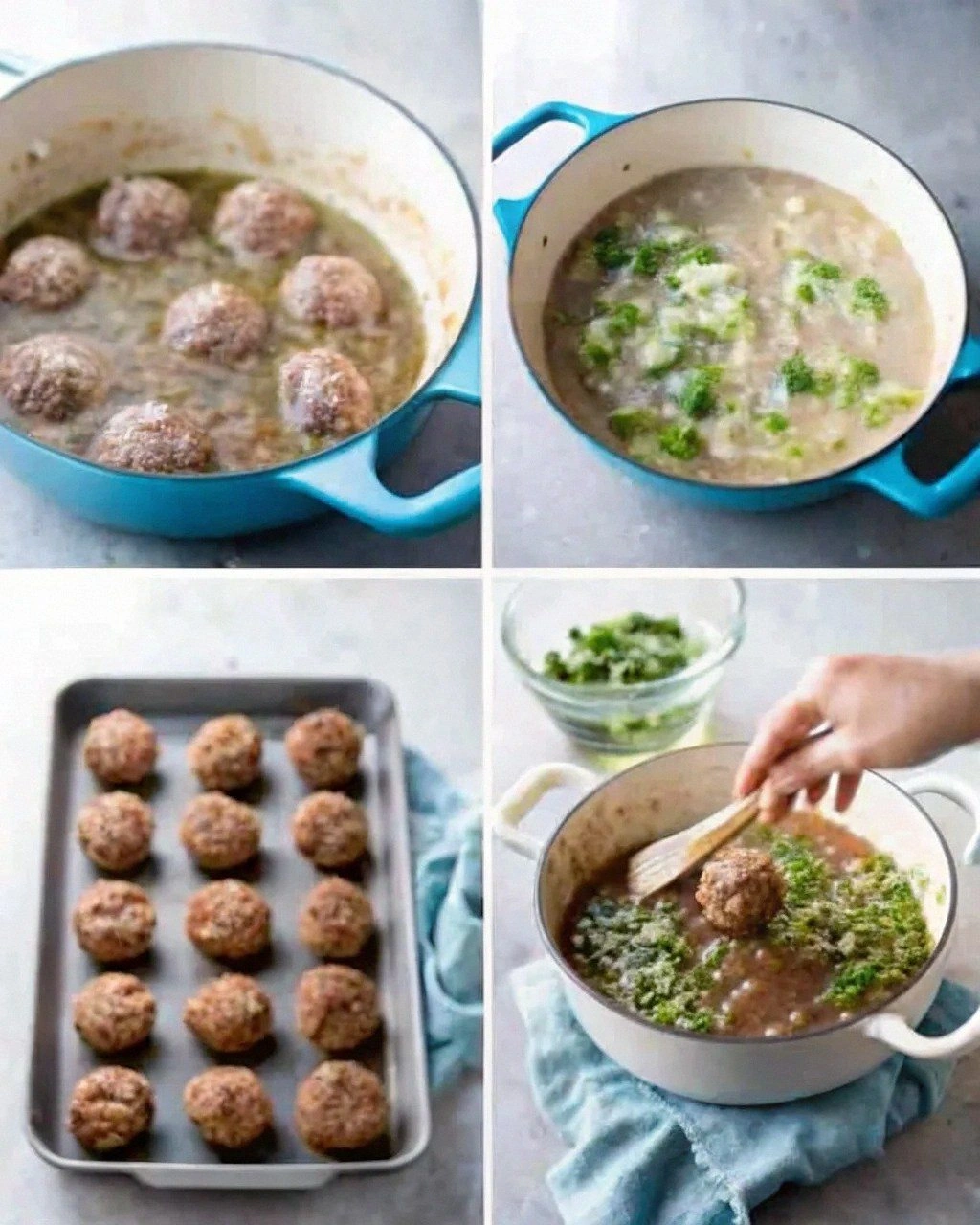
- Make your meatballs while the broth bubbles away. Combine the ground meats gently — overmixing makes tough meatballs that bounce off your spoon. The panade should be wet but not soupy; squeeze out excess milk before adding it to the meat. Roll the meatballs between damp palms into marble-sized spheres — they should be small enough to eat in one bite but substantial enough to feel satisfying. Place them on a parchment-lined baking sheet and refrigerate for 30 minutes; this helps them hold together when they hit the hot broth.
- Toast the acini di pepe in butter until golden and nutty-smelling. This step is absolutely non-negotiable if you want pasta that maintains its integrity. Stir constantly because these little beads go from golden to burnt faster than you can say "mushy pasta disaster." The kitchen will smell like popcorn and butter — resist the urge to snack on them raw. Set the toasted pasta aside until you're ready to add it to the soup.
- Strain your broth through a fine-mesh sieve, pressing on the solids to extract every bit of flavor. Return the liquid gold to your pot and bring it back to a gentle simmer. Now comes the moment of truth — taste your broth. It should be rich and chickeny, with depth that makes you want to drink it by the mugful. If it tastes weak, simmer it uncovered for 15 minutes to concentrate the flavors. If it's too salty, add a peeled potato and simmer for 20 minutes; it'll absorb excess salt like magic.
- Add your meatballs one by one, creating a meatball constellation in the golden broth. They'll sink at first, then float when they're nearly cooked through — about 8 minutes total. Don't stir for the first 5 minutes; let them set up and develop a gentle crust. When they start floating like little buoys, add your toasted pasta. The timing here is crucial — the pasta needs about 9 minutes to cook through while staying al dente.
- When the pasta is just tender, add the escarole and watch the magic happen. It'll wilt and turn bright green almost instantly, transforming your soup from monochromatic to restaurant-worthy. The greens should still have some bite — if they're mushy, you've gone too far. Taste and adjust seasoning with salt and pepper; the broth should be well-seasoned but not overpowering since the meatballs and cheese will add more salt.
- Finish with the egg drizzle if using — beat the eggs with a fork until smooth, then drizzle in a thin stream while stirring the soup in slow circles. The eggs will create delicate ribbons that cook instantly in the hot broth. Remove from heat immediately and let rest for 5 minutes. This brief pause allows the flavors to meld and the temperature to drop slightly so you don't burn your mouth in your eagerness to dig in.
That's it — you did it. But hold on, I've got a few more tricks that'll take this to another level...
Insider Tricks for Flawless Results
The Temperature Rule Nobody Follows
Here's something that separates good cooks from great ones: temperature control throughout the entire process. Your broth should never boil — not when making the base, not when cooking the meatballs, not even during reheating. A gentle simmer at 180-190°F extracts maximum flavor while keeping everything tender. Boiling makes meats tough, vegetables mushy, and broth cloudy. Invest in an instant-read thermometer and check your soup's temperature like you're performing surgery. I learned this the hard way after serving tough meatballs to a table of politely chewing dinner guests who later confessed they needed steak knives.
Why Your Nose Knows Best
Don't underestimate the power of aromatics in this soup. When you're sautéing the vegetables, wait until the onions are translucent and your kitchen smells like you're cooking something incredible — because you are. That moment when the garlic hits the pan and releases its perfume? That's when you add your liquid. If you rush this step, your soup will taste flat and one-dimensional. A friend tried skipping this once because she was in a hurry, then wondered why her soup tasted like water with meatballs floating in it. Patience in the beginning pays off in the end.
The 5-Minute Rest That Changes Everything
After your soup finishes cooking, turn off the heat and let it rest for exactly 5 minutes before serving. This isn't just about avoiding burned tongues — this brief pause allows the fat to rise to the surface slightly, the temperature to even out, and the flavors to settle. It's like letting a steak rest after cooking; the difference is subtle but noticeable. The soup will taste more cohesive, the meatballs will be juicier, and you'll look like you know what you're doing even if you're secretly following a recipe.
The Parmesan Rind Secret
Save your Parmesan rinds in a zip-top bag in the freezer and throw one into the broth while it simmers. The rind melts slowly, releasing umami-packed cheese flavor that makes people ask "what's in this that tastes so good?" Remove it before serving — or don't, if you like chewy cheese bits. I've been doing this for years and it's my secret weapon for soups that taste like they've been simmering all day when really they've only had an hour.
Seasoning at the Right Time
Season your meatballs generously before cooking, but hold off on salting the broth until the end. The cheese in the meatballs adds salt, the broth reduces and concentrates flavors, and you might end up with an oversalted mess if you season too early. Taste the broth after the meatballs are cooked but before adding the greens — that's when you'll get the truest sense of whether it needs more salt. And always add a few grinds of fresh black pepper at the very end; the volatile oils in pepper break down with heat, so adding it late preserves that bright, spicy kick.
Creative Twists and Variations
This recipe is a playground. Here are some of my favorite ways to switch things up:
The Spicy Southern Italian
Add a pinch of red pepper flakes to the meatball mixture and use hot Italian sausage instead of plain ground pork. The soup takes on a gentle heat that builds as you eat, and the spice complements the bitter greens beautifully. I like to serve this version with crusty garlic bread for soaking up every last drop of the now-slightly-spicy broth. It's like your favorite Italian restaurant's wedding soup got a personality transplant and became the life of the party.
The Turkey and Quinoa Health Boost
For a lighter version, swap ground turkey for the beef and add cooked quinoa instead of pasta. The quinoa adds protein and a pleasant nuttiness that plays well with the turkey. Use baby spinach instead of escarole for a milder green that even picky eaters will tolerate. This version freezes beautifully and reheats like a dream, making it perfect for meal prep. My gym-rat cousin swears by this variation and claims it's the only thing that fuels his marathon training.
The Creamy Wedding Soup
Stir in a splash of heavy cream at the very end for a luxurious, creamy version that feels like something from a fancy restaurant. The cream softens the bitter edge of the escarole and creates a silky texture that's completely different from the original. Don't add too much — you want it to enhance, not overpower. This variation is what I make when I want to impress dinner guests who think they've had every version of Italian wedding soup possible.
The Vegetarian Wedding Soup
Use vegetable broth and swap the meatballs for ricotta-based dumplings made with spinach and herbs. The ricotta creates light, pillowy dumplings that soak up the broth while adding their own creamy richness. Add some white beans for protein and substance, making this version hearty enough to satisfy even dedicated carnivores. I served this at a dinner party where one guest was vegetarian and three others didn't realize they were eating meat-free until I told them.
The Instant Pot Shortcut
Pressure cook the broth for 20 minutes instead of simmering for hours, then use the sauté function to cook the meatballs and pasta. This cuts the total time in half while maintaining all the deep flavors of the original. The pressure cooking actually extracts more collagen from the chicken wings, giving you an even richer broth. Perfect for weeknights when you want comfort food but don't have three hours to babysit a pot.
The Mini Meatball Party
Make the meatballs extra tiny — think marble-sized — and serve the soup in small cups as an elegant starter for dinner parties. The mini meatballs cook faster and are more fun to eat, plus the soup becomes more of an appetizer than a main course. Garnish each cup with a single crostini floating on top for dipping. I served this at a cocktail party and watched grown adults turn into kids hunting for every last meatball.
Storing and Bringing It Back to Life
Fridge Storage
This soup stores beautifully for up to 4 days in the refrigerator, but here's the key: store the components separately if possible. Keep the broth and meatballs in one container, and the cooked pasta in another. The greens should be added fresh when reheating to maintain their color and texture. Use airtight containers and let everything cool completely before refrigerating. If you've already mixed everything together, don't panic — just know that the pasta will continue to absorb broth and expand. Add a splash of water or broth when reheating to loosen things up.
Freezer Friendly
The broth and meatballs freeze like champions for up to 3 months, but leave out the pasta and greens. Freeze in portion-sized containers or zip-top bags laid flat for easy stacking. Thaw overnight in the refrigerator, then reheat gently on the stove. Cook fresh pasta and add fresh greens when serving — this gives you soup that tastes like you just made it. I've got a stash in my freezer that has saved many weeknight dinners when I couldn't face cooking from scratch.
Best Reheating Method
Gentle is the name of the game here. Reheat on the stove over medium-low heat, stirring occasionally, until just simmering. The microwave works in a pinch, but heat in 30-second bursts and stir between each burst to prevent hot spots that can make the meatballs tough. Add a splash of water or broth to loosen if needed, and taste for seasoning — sometimes soups need a pinch of salt after reheating. The egg ribbons, if you added them, won't survive reheating well, so plan to add those fresh or skip them for leftovers.