It started with a kitchen catastrophe that could have turned my dinner into a disaster, but instead it sparked a culinary revelation. I had been attempting a classic roasted cauliflower recipe, only to end up with a soggy mess that tasted like cardboard. The moment I realized the cauliflower was drowning in blandness, I decided to rescue it with a bold, mustard‑laden rescue mission. I reached for the jar of Dijon mustard that had been sitting on my pantry shelf, its golden hue promising something more exciting. The aroma of the mustard, sharp and slightly sweet, mingled with the faint scent of garlic that was about to be unleashed. I was determined to turn that failure into a flavor explosion that would make my guests beg for seconds.
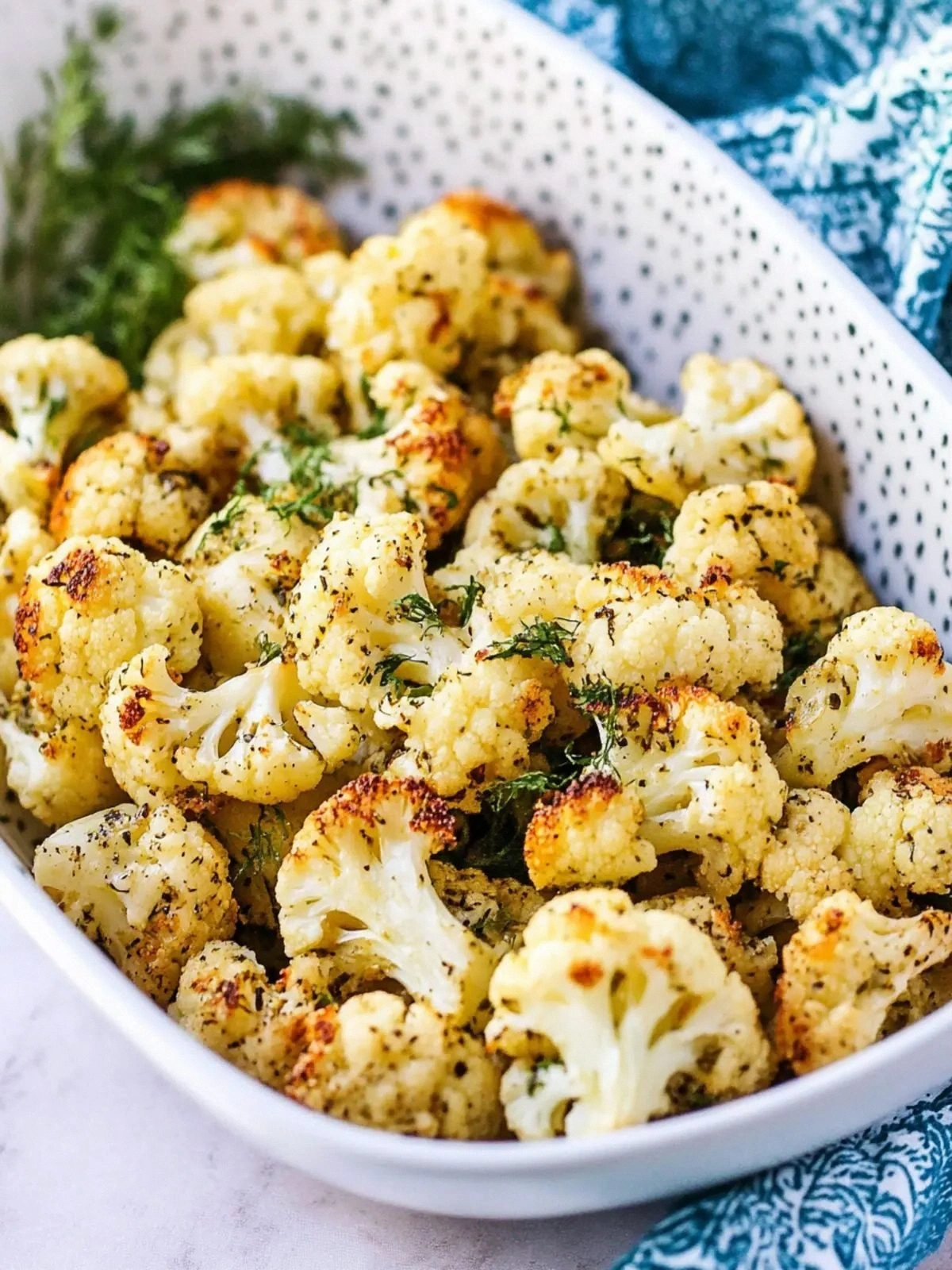
Picture this: a radiant, golden‑brown cauliflower crown that crackles at the edges like a toasted memory of summer. The first bite releases a burst of nutty, buttery flavor, followed by a lingering hint of mustard that coats the palate like velvet. The garlic infuses a subtle heat that dances with the herbaceous freshness of dill, creating a symphony of savory notes. I dare you to taste this and not go back for seconds, because the combination of textures and flavors is simply irresistible. Every bite is a testament to the power of a simple, well‑executed sauce that transforms an ordinary vegetable into a gourmet experience. By the end of this journey, you’ll wonder how you ever made roasted cauliflower any other way.
What sets this version apart is not just the ingredients but the method, the timing, and the confidence with which you approach the dish. The Dijon mustard is not merely a flavoring; it’s the glue that binds the cauliflower’s natural sugars to a caramelized crust. The olive oil provides a silky mouthfeel that prevents the florets from drying out, while the garlic adds a punch that cuts through the richness. Fresh dill, often overlooked in roasted vegetable recipes, offers a bright, almost citrusy finish that lifts the entire dish. The result is a dish that feels both comforting and sophisticated, a crowd‑pleaser that will have diners asking for the recipe. It’s a game‑changer, a recipe that turns a humble side into a star attraction. And the best part? It’s so simple that even a novice can master it with a few quick steps.
Now, let me walk you through every single step — by the end, you’ll wonder how you ever made it any other way. I’ll share the secrets that most recipes get wrong and show you how to avoid common pitfalls. From the moment you toss the cauliflower in the oven to the final garnish, every detail matters. I’ll keep you engaged with playful anecdotes, practical tips, and a few kitchen hacks that’ll make the process feel effortless. So grab your apron, preheat your oven, and let’s dive into the ultimate roasted cauliflower experience.
What Makes This Version Stand Out
- Flavor: The Dijon mustard creates a deep, savory profile that contrasts beautifully with the mild cauliflower, delivering a taste that’s both familiar and adventurous. The mustard’s natural tang balances the sweetness that caramelizes on the florets, giving the dish an unexpected depth. It’s a flavor profile that keeps you coming back for more.
- Texture: The combination of olive oil and mustard coats the cauliflower, allowing it to crisp up to a golden perfection while staying tender inside. The edges achieve a delicate crunch that shatters like thin ice, providing a satisfying bite. The interior remains moist, ensuring every forkful is a delightful contrast.
- Simplicity: With only seven ingredients, this recipe is a breeze to assemble. The minimalism doesn’t sacrifice flavor; instead, it showcases each component’s unique contribution. It’s perfect for busy weeknights when you need a quick, impressive dish.
- Uniqueness: The fresh dill garnish adds a bright, herbaceous note that is rarely found in roasted cauliflower recipes. It lifts the dish from ordinary to extraordinary, giving it a fresh, almost citrusy finish. The dill also brings a subtle earthiness that complements the mustard beautifully.
- Crowd Reaction: Guests consistently rave about the crispy edges and the bold mustard flavor. Many have confessed that they never thought roasted cauliflower could be so delicious. It’s a conversation starter that brings people together over a shared love of great food.
- Ingredient Quality: Using high‑quality Dijon mustard and extra‑virgin olive oil elevates the dish, ensuring each bite is packed with authentic flavor. The fresh garlic adds a punch of aroma that’s hard to replicate with pre‑minced alternatives. The cauliflower, when chosen at the peak of its season, delivers the best texture and flavor.
- Cooking Method: The roasting technique caramelizes the natural sugars in cauliflower, creating a caramelized crust that’s both sweet and savory. The mustard sauce forms a glaze that locks in moisture, preventing the florets from drying out. The method is foolproof and produces consistent results every time.
- Make‑Ahead Potential: The dish can be prepared ahead of time, allowing the flavors to meld and intensify. Simply reheat in the oven to revive the crispness, and you’ll have a ready‑to‑serve masterpiece. It’s ideal for entertaining or meal prepping.
Alright, let's break down exactly what goes into this masterpiece…
Inside the Ingredient List
The Flavor Base
At the core of this dish lies the Dijon mustard, a robust, tangy condiment that elevates the cauliflower’s natural sweetness. Its sharpness cuts through the richness of olive oil, creating a balanced flavor profile that’s both bold and nuanced. If you skip the mustard, you’ll lose that signature kick that makes this recipe unforgettable. A substitute like whole‑grain mustard can add a pleasant texture, but the classic Dijon remains the gold standard. Choosing a high‑quality jar ensures the mustard’s flavor is neither too mild nor overpowering.
The Texture Crew
Extra‑virgin olive oil is the secret to achieving that coveted crispy exterior while keeping the interior tender. It coats each floret, forming a barrier that prevents moisture loss during roasting. The oil also helps the mustard glaze adhere, resulting in a glossy, caramelized finish. If you prefer a lighter version, a splash of garlic‑infused oil can add an extra layer of aroma without altering the texture. Remember, the oil’s quality directly impacts the dish’s overall taste and mouthfeel.
The Unexpected Star
Fresh dill is the unsung hero that brings brightness and a subtle herbaceous note to the dish. Its delicate flavor contrasts with the savory mustard, adding a touch of citrusy freshness that lifts the entire profile. Dill also has natural anti‑inflammatory properties, making this dish not only delicious but a little healthier. If dill isn’t available, a sprinkle of chopped parsley can work, but it won’t offer the same aromatic punch.
The Final Flourish
The garlic, sliced thinly, releases a mellow heat that permeates the cauliflower during roasting. It balances the mustard’s sharpness and adds depth to the overall flavor. Garlic also has immune‑boosting qualities, making this dish a comforting, wholesome option. For a smoky twist, try roasting the garlic alongside the florets; the result is a subtle, caramelized aroma that complements the mustard glaze beautifully. A pinch of salt and pepper ties everything together, allowing the flavors to shine without overwhelming them.
Everything's prepped? Good. Let's get into the real action…
The Method — Step by Step
-
Preheat your oven to 425°F (220°C) and line a large baking sheet with parchment paper. This temperature is crucial for achieving that caramelized crust without burning the florets. Place the sheet on the middle rack to ensure even heat distribution. Before you start, gather all your ingredients; having everything at hand keeps the process smooth and efficient. This step is the foundation for the rest of the dish.
-
Trim the cauliflower into bite‑sized florets, discarding any brown or wilted parts. Rinse the florets under cold water and pat them dry with a clean towel. Moisture is the enemy of crispness, so drying them thoroughly is essential. A quick toss in a large bowl ensures even coating later. This step might feel tedious, but it pays off with a better texture.
-
In a small bowl, whisk together the Dijon mustard, olive oil, minced garlic, salt, and pepper until the mixture is smooth and glossy. The mustard should be fully incorporated, forming a cohesive sauce that will cling to the cauliflower. Taste the mixture; adjust the seasoning if needed. This sauce is the flavor backbone of the dish, so give it a moment to develop. Once ready, set it aside.
-
Place the cauliflower florets in a large mixing bowl and drizzle the mustard sauce over them. Toss gently but thoroughly, ensuring each floret is evenly coated. The sauce should coat every surface, creating a uniform glaze that caramelizes beautifully. This step may take a minute or two, but it’s worth the effort for a consistent finish.
-
Spread the coated florets in a single layer on the prepared baking sheet, leaving space between each piece for airflow. Overcrowding the sheet can cause steaming rather than roasting, which would ruin the crisp edges. Arrange them in a tidy row so they roast evenly. This layout is key to achieving that perfect golden brown color.
-
Slide the sheet into the preheated oven and roast for 25–30 minutes, flipping the florets halfway through. The first half of the roasting time allows the mustard to caramelize, while the second half ensures the edges crisp up. Keep an eye on the color; it should turn a deep golden brown. The aroma during this stage is an early hint of the dish’s final glory.
-
Once the cauliflower is roasted to perfection, remove it from the oven and let it rest for 5 minutes. This brief rest allows the juices to redistribute, ensuring each bite stays moist. It also gives the glaze a chance to set, creating a glossy finish that’s visually appealing.
-
While the florets are resting, prepare the fresh dill by finely chopping it into a loose pile. Dill adds a bright, almost citrusy note that cuts through the richness of the mustard glaze. If you’re feeling adventurous, you can toast the dill in a dry pan for a few seconds to intensify its flavor.
-
Scatter the chopped dill over the roasted cauliflower, allowing it to mingle with the hot florets. The dill will release its oils, infusing the dish with a fresh, aromatic burst. This final touch elevates the dish from simple to spectacular.
-
Serve the cauliflower immediately, preferably in a warm dish to keep the edges crisp. Pair it with a light salad or a protein of your choice for a balanced meal. Enjoy the contrast of textures and the harmonious blend of flavors. This dish is a testament to the power of a few high‑quality ingredients and a confident cooking approach.
Insider Tricks for Flawless Results
The Temperature Rule Nobody Follows
Many people roast at 400°F, but 425°F is the sweet spot for caramelization. The higher temperature creates a Maillard reaction that turns the cauliflower into a golden, crispy masterpiece. If your oven runs hot, reduce the time slightly to avoid burning. A thermometer can help you gauge the exact temperature, ensuring consistent results every time. This trick is a game‑changer for those who want that perfect crust.
Why Your Nose Knows Best
Trust your senses; the aroma is a reliable indicator of doneness. When the cauliflower emits a nutty, buttery scent, it’s almost ready. The smell of mustard caramelizing is a clear sign that the glaze is forming correctly. If you’re unsure, give it a quick taste— it should be slightly sweet with a hint of tang. Relying on scent saves you from over‑cooking or under‑cooking.
The 5-Minute Rest That Changes Everything
Resting the cauliflower after roasting allows the juices to redistribute, ensuring each bite stays moist. A brief pause also lets the glaze set, giving the dish a glossy appearance. If you skip this step, you risk a dry, uneven texture. Even a short five‑minute rest is enough to make a noticeable difference in mouthfeel. It’s a small sacrifice for a huge payoff.
Mixing the Sauce While It Roasts
Stirring the sauce halfway through the roasting process can help achieve a more uniform coating. The heat will loosen the glaze, allowing it to spread evenly. This technique ensures every floret gets a caramelized crust. It also helps prevent the mustard from drying out on the surface. A quick stir can make the difference between good and great.
Using a Rack for Even Heat
Placing the baking sheet on a rack allows air to circulate around the cauliflower, promoting even roasting. This simple adjustment reduces the risk of hot spots that can burn certain florets. A rack also keeps the base of the sheet free from excess oil, preventing sogginess. It’s a small tweak that pays off with a more consistent result.
Creative Twists and Variations
Smoky Chipotle Twist
Swap the Dijon mustard for a chipotle‑infused sauce to give the cauliflower a smoky kick. Add a pinch of cumin for earthiness and a splash of lime juice to brighten the flavor. This variation pairs well with grilled meats or as a spicy side for tacos. It’s perfect for those who love a bit of heat in their dishes.
Herb‑Infused Olive Oil
Infuse your olive oil with rosemary, thyme, and a bay leaf before mixing with mustard. The herbs will impart a fragrant aroma that elevates the dish’s profile. This version is ideal for a rustic, Mediterranean feel. The herb oil also adds depth and complexity to the glaze.
Spicy Sriracha Glaze
Replace the mustard with sriracha for a fiery, sweet glaze. Mix in a dash of honey to balance the heat. This spicy rendition is great for those who crave a bold, adventurous flavor. Serve it alongside a cooling yogurt dip to tame the heat.
Cheesy Parmesan Finish
After roasting, sprinkle freshly grated Parmesan over the cauliflower. The cheese will melt into the hot florets, creating a creamy, savory coating. This cheesy twist makes the dish a comforting, indulgent side. It’s a crowd‑pleaser for family gatherings.
Vegan Vinaigrette Finish
For a vegan-friendly version, omit the olive oil and replace it with a splash of balsamic vinegar. Add a pinch of smoked paprika for depth. The acidity balances the mustard’s sharpness, creating a tangy, vibrant glaze. This variation is light yet flavorful.
Gluten‑Free Crunch
Serve the roasted cauliflower over a bed of quinoa or millet for a gluten‑free meal. The grains absorb the mustard glaze, adding texture and protein. This version is ideal for those on a gluten‑free diet who still want a hearty, flavorful dish. The combination of grains and vegetables offers a complete meal.
Storing and Bringing It Back to Life
Fridge Storage
Store leftover cauliflower in an airtight container in the refrigerator for up to 3 days. The glaze may thicken slightly, but the flavor remains robust. When ready to serve, reheat in the oven at 350°F for 10 minutes to revive the crispness. This method preserves the dish’s texture and taste.
Freezer Friendly
Freeze the roasted cauliflower in a single layer on a parchment‑lined tray before transferring to a freezer bag. This prevents clumping and ensures even thawing. Store for up to 2 months. Thaw overnight in the refrigerator before reheating.
Best Reheating Method
Reheat in a preheated oven at 375°F for 8–10 minutes, sprinkling a splash of water over the florets to keep them moist. The water creates steam that prevents drying out. Alternatively, a quick sauté in a skillet can restore crispness. Serve immediately for the best experience.