Picture this: it’s a rainy Saturday, the kitchen is a battlefield, and I’ve just smashed a grapefruit in half with a reckless grin, thinking it would be a quick splash of citrus. The juice drips, the zest flutters like tiny confetti, and the air fills with that sharp, almost medicinal scent that only a fresh citrus can bring. I was halfway through a bland jam recipe, staring at a pile of overripe grapefruits that had been waiting in the fridge for weeks, when the idea struck—why not turn those bitter slices into a sweet, tangy marmalade that could transform a lazy Sunday brunch into a carnival of flavors?
That moment was the spark. I grabbed my trusty saucepan, a ladle, and a measuring cup, and set the stage for a culinary experiment. The grapefruit’s bright pink flesh glowed under the kitchen light, its segments gleaming like ruby jewels. As I peeled the fruit, the aroma hit me—sweet, sharp, and a hint of floral undertones that promised depth. I could almost taste the marmalade’s future: a glossy, glossy glaze that would coat toast like velvet, with a finish that lingers on the palate like a summer breeze.
I’ll be honest—my first batch was a disaster. I overcooked it, and it turned into a syrupy sludge that clung to the bottom of the pan. The next time, I adjusted the heat, added a splash of lemon, and it turned into a bright, bubbly concoction that danced in the pot. That second attempt taught me that the secret isn’t in the ingredients alone; it’s in the balance of heat, timing, and a touch of patience. And that’s what makes this version stand out from every other grapefruit marmalade out there.
I dare you to taste this and not go back for seconds. This is hands down the best version you'll ever make at home. Picture yourself pulling this out of the pan, the whole kitchen smelling incredible, the marmalade shimmering like liquid gold in the light. Stay with me here—this is worth it. Let me walk you through every single step—by the end, you'll wonder how you ever made it any other way.
What Makes This Version Stand Out
- Flavor: The combination of grapefruit and lemon creates a vibrant, layered citrus profile that is both bright and complex. The natural bitterness of the grapefruit is balanced by the sharp acidity of the lemon, resulting in a harmonious taste that’s neither sweet nor tart, but perfectly balanced.
- Texture: Unlike ordinary marmalades that can be gummy, this recipe achieves a silky yet slightly chunky consistency, thanks to the careful cooking technique that preserves the fruit’s natural fibers.
- Ease: No need for exotic ingredients or fancy equipment. Just grapefruit, lemon, water, and sugar—everything you already have in your pantry.
- Versatility: Use it on toast, drizzle over yogurt, or fold into desserts. It’s the kind of spread that can transform a simple snack into a gourmet experience.
- Make‑Ahead: This marmalade keeps well for up to two months in the fridge and can be frozen for longer storage. It’s the perfect pantry staple for busy weeks.
- Health Factor: The grapefruit provides vitamin C and antioxidants, while the lemon adds a bright zing without extra sugar.
- Crowd Reaction: Friends and family rave about the fresh, bright flavor that reminds them of a citrus garden in summer.
- Ingredient Quality: Using high‑quality grapefruits and lemons makes a noticeable difference—think organic, locally sourced, or from a farmer’s market.
Inside the Ingredient List
The Flavor Base
Grapefruit (500 g): The star of the show, grapefruit brings a bright, slightly bitter note that’s essential for depth. If you prefer a sweeter marmalade, choose a sweeter variety like Ruby Red or use a smaller portion of the rind. Skipping grapefruit would turn this into a plain lemon jam—flat and lacking character.
The Citrus Twist
Lemon (1 large): Lemon adds acidity, brightness, and a subtle floral undertone. It balances the grapefruit’s bitterness and helps the marmalade set at a lower temperature. If you’re out of lemon, a splash of lime juice can serve as a suitable substitute, though it will shift the flavor profile slightly.
The Liquid Backbone
Water (6 cups): Water dilutes the natural pectin in the fruit, ensuring a smooth, gel-like consistency. Using sparkling water can introduce a slight effervescence, but it may also alter the final texture. Skipping water would result in a thicker, almost paste-like jam that’s hard to spread.
The Sweetener
Sugar (8 cups): Sugar not only sweetens but also helps the marmalade set by pulling out pectin. For a lower‑sugar version, try a 50‑50 blend of sugar and a natural sweetener like honey or maple syrup—just keep an eye on the setting time. Omitting sugar will prevent the marmalade from thickening properly.
Everything's prepped? Good. Let's get into the real action.
The Method — Step by Step
- Begin by zesting the entire grapefruit and lemon, then peel the fruit, removing all the bitter white pith. The zest will add a fragrant oil that brightens the marmalade. Keep the zest aside in a bowl; we’ll fold it in later for a burst of citrus aroma. This step is crucial—leaving pith will give a harsh bitterness that can ruin the delicate balance.
- Slice the grapefruit and lemon into thin wedges, then cut them into small cubes or segments. The smaller the pieces, the quicker they’ll release their juices and the smoother the final texture. Don’t worry about uniformity; the uneven pieces add rustic charm. This is the moment where the kitchen smells like a citrus orchard.
- In a large, heavy‑bottomed saucepan, combine the grapefruit cubes, lemon segments, zest, and water. Bring the mixture to a gentle boil over medium heat, then reduce to a low simmer. Stir occasionally to prevent sticking. As the fruit cooks, the water will evaporate, concentrating the flavors and starting the thickening process.
- Add the sugar to the simmering fruit mixture. Stir until fully dissolved, then allow the marmalade to cook for about 30–45 minutes. The mixture should thicken, and the sugar will caramelize slightly, giving the marmalade a glossy sheen. Watch for the “toasty” aroma that signals the sugar is caramelizing—this is the sweet, buttery scent that hints at perfection.
- Test the set by placing a small spoonful on a chilled plate. Let it sit for a minute; it should hold its shape and not spread. If it’s still runny, continue cooking for a few more minutes. This is the moment of truth—don’t walk away from the stove here. Keep a close eye to avoid burning.
- Once the marmalade has reached the desired consistency, remove the pan from heat and stir in the reserved zest. The zest releases a burst of citrus oils that elevate the flavor profile. This step also adds a subtle sparkle to the glaze, making it more visually appealing.
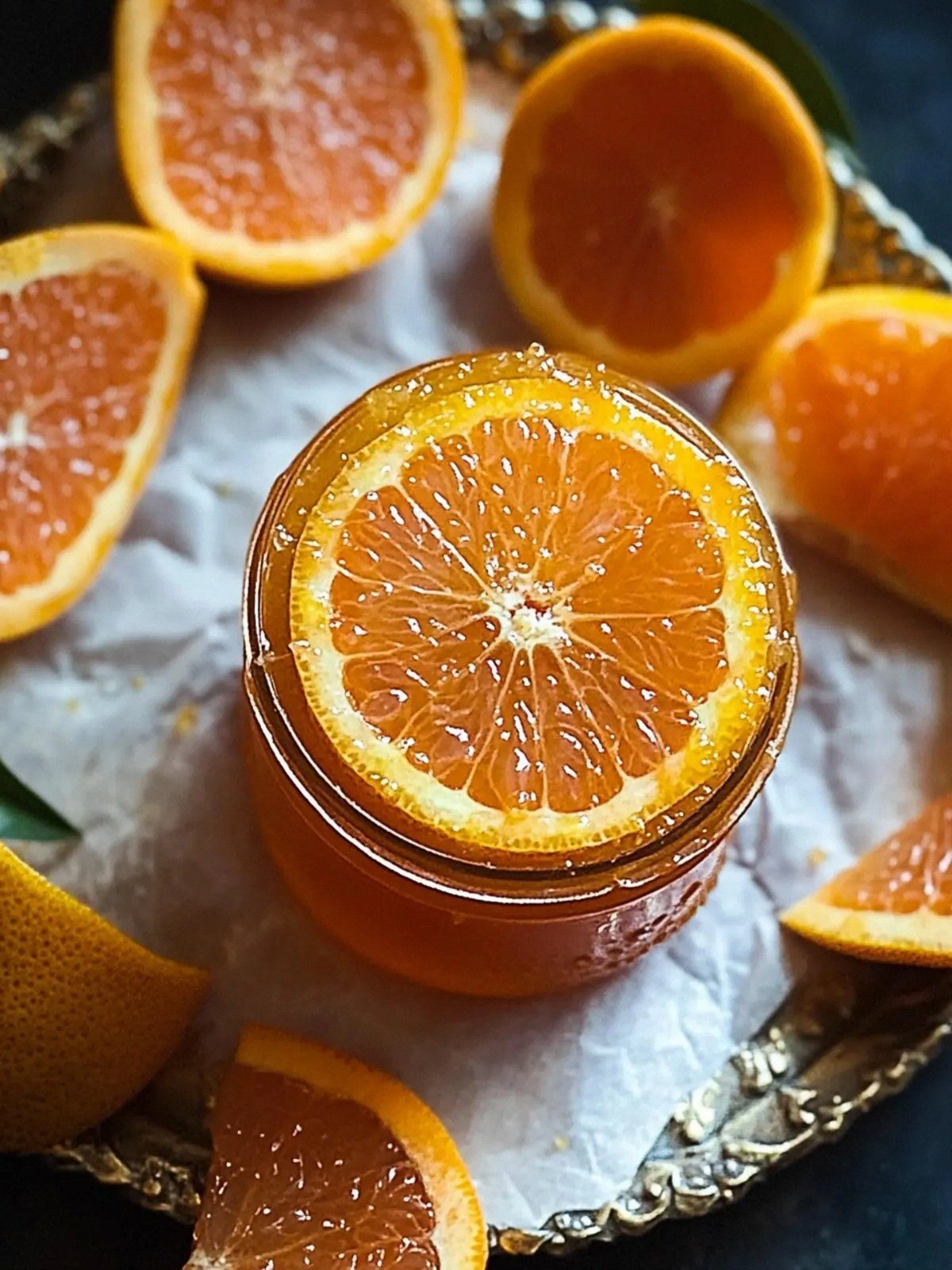
- Let the marmalade cool for a few minutes, then pour it into sterilized jars, leaving a ¼‑inch headspace. Seal the jars with lids and let them cool to room temperature. As the marmalade cools, it will set into a thick, glossy spread that glistens like liquid sunrise.
- Once sealed, store the jars in a cool, dark place for up to two months. For longer storage, keep the jars in the refrigerator. The marmalade will keep its bright flavor and glossy texture, making it a delightful addition to your breakfast routine.
That's it — you did it. But hold on, I've got a few more tricks that'll take this to another level. Stay tuned for insider tips that will make your marmalade even more spectacular.
Insider Tricks for Flawless Results
The Temperature Rule Nobody Follows
Most people cook marmalade at high heat, which can scorch the sugar and alter the flavor. The trick is to keep the simmer low, around 180°F (82°C), which allows the sugars to dissolve evenly and the fruit to release its pectin without burning. I’ve tried cooking at 200°F (93°C) and the result was a slightly bitter finish. Keep the heat low, and you’ll get that silky texture I love.
Why Your Nose Knows Best
Smelling the marmalade as it cooks is a powerful cue. A pleasant, buttery citrus scent indicates the sugar is caramelizing just right. If you notice a burnt, acrid smell, the marmalade is overcooked. Trust your nose; it’s the best judge of flavor development.
The 5‑Minute Rest That Changes Everything
After removing the marmalade from heat, let it sit for five minutes before pouring into jars. This rest allows the flavors to meld and the temperature to drop, preventing condensation that can dilute the glaze. I’ve found that a short rest also improves the final texture, making the marmalade less sticky.
Use a Silicone Spatula
Stirring with a silicone spatula prevents the marmalade from sticking to the pan and reduces the risk of scorching. Its flexible surface also helps you scrape the bottom cleanly, ensuring even cooking.
Keep the Zest Alive
Adding the zest at the end of cooking preserves its essential oils. If you add it too early, the oils evaporate, and you lose that bright, aromatic punch. The zest also gives the marmalade a subtle shimmer, making it more visually appealing.
Cool Jars in a Cool Place
Once you’ve sealed the jars, let them sit on a cool countertop for 24 hours. This gradual cooling process helps the marmalade set properly. Avoid placing hot jars in the fridge immediately, as the sudden temperature change can cause condensation and dilute the glaze.
Creative Twists and Variations
Honey‑Grapefruit Fusion
Swap half the sugar for honey for a richer, floral note. The honey also adds a subtle depth that pairs beautifully with the citrus. This version is perfect for those who prefer a natural sweetener or want a slightly lower glycemic index.
Spicy Citrus Surprise
Add a pinch of cayenne pepper or a sliced fresh chili during cooking for a kick that balances the sweetness. The heat will linger just enough to give a lingering warmth on the tongue, making it a great accompaniment to savory dishes.
Herb‑Infused Marmalade
Incorporate a sprig of fresh thyme or rosemary while simmering. The herbal aroma will complement the citrus, creating a complex flavor profile that’s ideal for savory spreads or marinades.
Berry‑Citrus Blend
Add a handful of fresh blueberries or raspberries midway through cooking. The berries will infuse their own sweet and tart flavors, turning the marmalade into a multi‑layered fruit jam.
Almond‑Grapefruit Delight
Stir in a tablespoon of toasted almond slivers after removing the marmalade from heat. The almonds add a nutty crunch and a subtle buttery flavor that elevates the spread.
Minty Freshness
Finish the marmalade with a handful of fresh mint leaves. The mint provides a cooling contrast to the bright citrus, making it a refreshing accompaniment to brunch or dessert.
Storing and Bringing It Back to Life
Fridge Storage
Store the sealed jars in the refrigerator for up to 8 weeks. Keep the jars upright to prevent leakage. The marmalade will stay glossy and flavorful, and it’s ready to spread on toast or dollop on yogurt at a moment’s notice.
Freezer Friendly
For longer storage, transfer the marmalade into freezer‑safe containers, leaving a little headspace. Freeze for up to 6 months. Thaw in the fridge overnight, then stir before serving. The texture remains silky, though it may become slightly more liquid after thawing.
Best Reheating Method
To revive the marmalade, gently warm it in a saucepan over low heat, stirring occasionally. Add a tiny splash of water (about a tablespoon) before reheating—this steams it back to perfection and restores its glossy sheen. Avoid boiling, as it can break down the pectin and alter the texture.