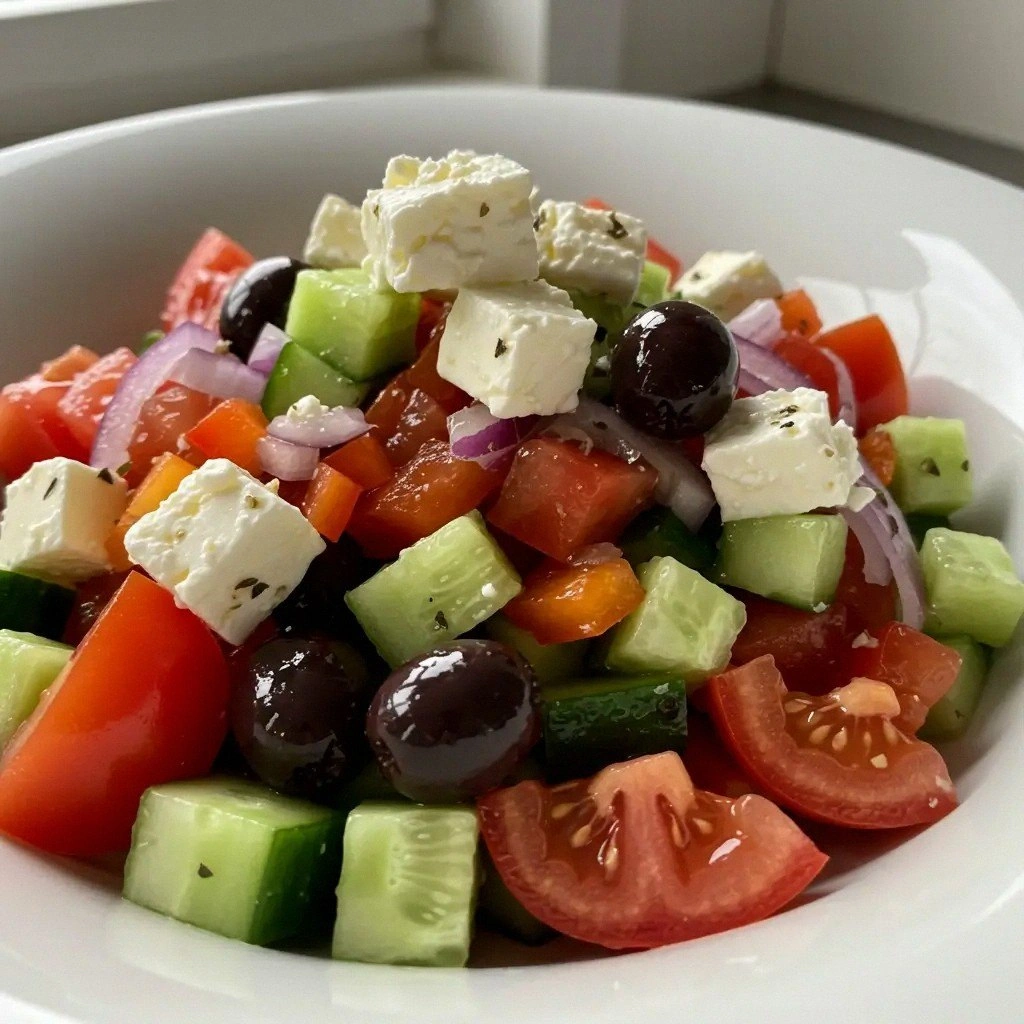
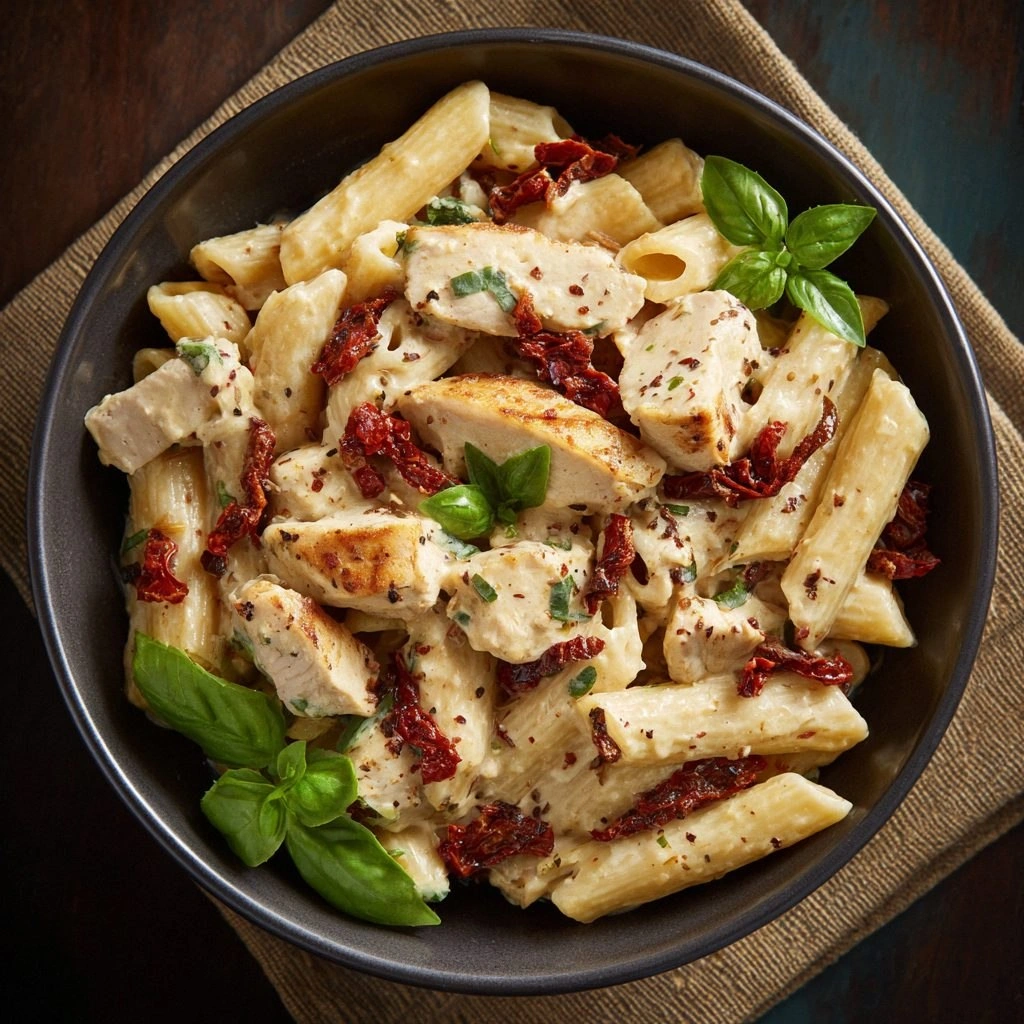
I remember the night I tried to impress my sister with a “classic” Bolognese and ended up with a kitchen that looked like a tomato war zone. The sauce had thickened into a chunky, uneven mess that clung to the pot like a stubborn coat of sauce. I stared at the bubbling mess, the smell of caramelized onions mingling with a faint hint of burnt garlic, and thought, “I could do better.”
Fast forward to today, and I’ve distilled that chaos into a recipe that’s both forgiving and sensational. Every ingredient has earned its place: the lentils replace the meaty bite, the mushrooms add earthy depth, and a splash of red wine cuts through the acidity with a silky finish. The result? A sauce that coats the pasta like velvet, leaving you craving a second helping.
What sets this version apart is not just the substitution of meat, but the precise balance of flavors and textures. The carrots and celery bring subtle sweetness, the bay leaf and herbs anchor the sauce with a fragrant backbone, and the fresh parsley and basil lift the dish with bright, green accents. It’s a symphony of umami, sweetness, and herbaceous notes that dance on your palate.
I dare you to taste this and not go back for seconds. Most vegetarian Bolognese recipes get this completely wrong, either over‑simmering the lentils or under‑seasoning the tomatoes. Here’s what actually works: a slow, low simmer that allows the lentils to absorb the tomato’s depth, and a touch of wine to bring the whole thing together. If you’re skeptical, I’ve got the proof.
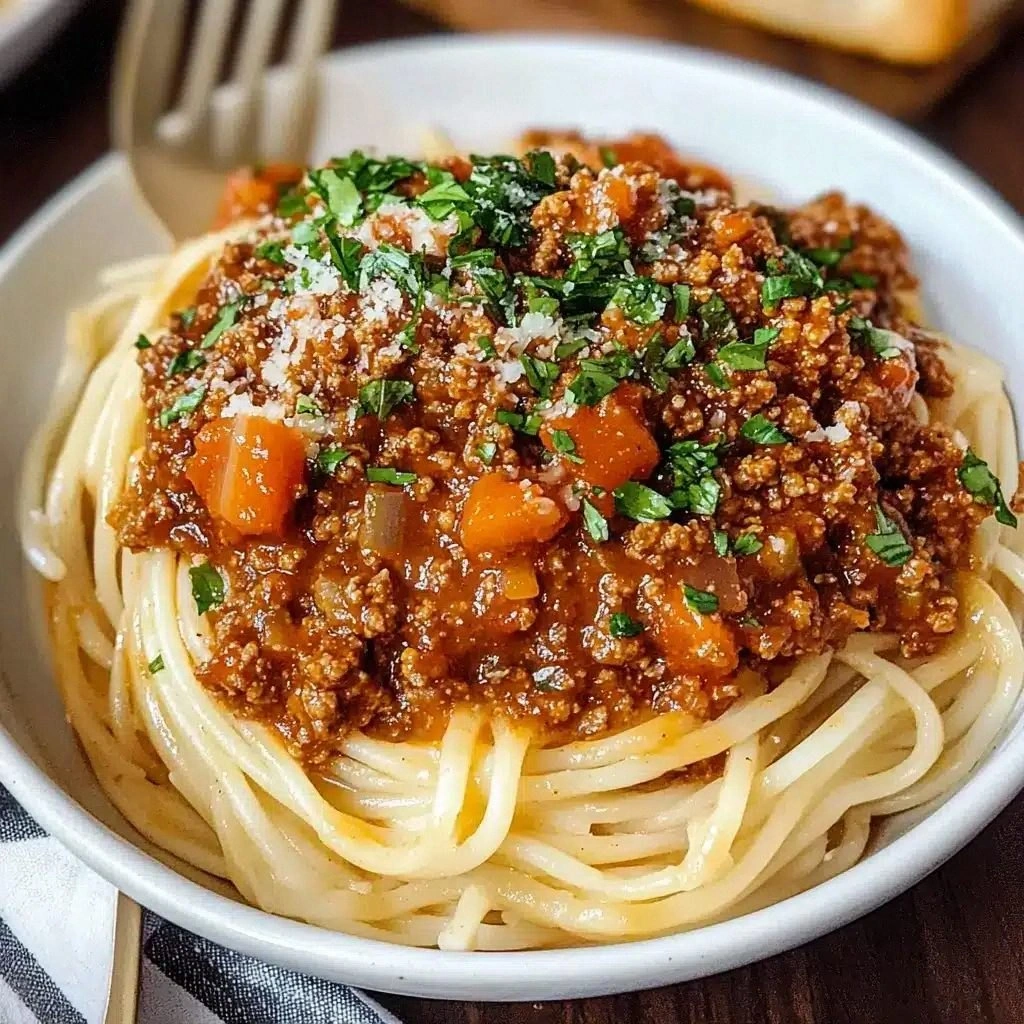
Picture yourself pulling this out of the pot, the whole kitchen smelling incredible, and a steaming plate of pasta waiting for you. The sauce is thick, glossy, and full of tiny flecks of herbs that give it character. The first spoonful melts your senses, and you’ll be left wondering how you ever cooked anything else.
Let me walk you through every single step — by the end, you’ll wonder how you ever made it any other way. I’ll share the micro‑challenges, the bold claims, and the little kitchen hacks that transform an ordinary dish into an unforgettable meal.
What Makes This Version Stand Out
- Depth of Flavor: The combination of lentils, mushrooms, and a splash of red wine creates a complex, savory profile that rivals meat-based sauces. The tomato paste adds richness, while the fresh herbs give it a bright, aromatic lift.
- Texture: The lentils provide a hearty, satisfying bite that mimics the chew of ground beef without the heaviness. The sautéed vegetables add a subtle crunch that breaks the monotony.
- Healthful Ingredients: Packed with plant protein, fiber, and antioxidants, this Bolognese delivers nutrition without compromising taste. The use of olive oil and fresh herbs keeps the dish heart‑healthy.
- Versatility: It’s equally delicious with pasta, rice, or even as a sauce for stuffed shells. The sauce is thick enough to cling to noodles but can be thinned with broth for a lighter option.
- Make‑Ahead Friendly: The flavors deepen overnight, making it a perfect make‑ahead dinner. Reheat with a splash of water and it’s as good as new.
- Minimal Prep: All the prep work is done before the sauce starts simmering, allowing you to focus on the cooking process.
- Kid‑Friendly: The mild spices and wholesome ingredients make it a hit with even the pickiest eaters.
Inside the Ingredient List
The Flavor Base
The onions, carrots, and celery—collectively known as the mirepoix—form the aromatic foundation. They provide sweetness, depth, and a subtle earthy undertone. Skipping any of these will leave your sauce flat and lacking complexity. For a budget version, use frozen diced carrots and celery to keep costs low.
The Protein Power
Cooked green lentils replace ground beef, delivering a hearty texture and plant‑based protein punch. Lentils absorb the tomato’s acidity and the herbs’ fragrance, creating a cohesive flavor profile. If you’re allergic to lentils, substitute with chickpeas or finely chopped tempeh.
The Texture Crew
Mushrooms add umami and a subtle meaty bite, while the crushed tomatoes provide body and acidity. The tomato paste thickens the sauce, creating a glossy sheen that clings to pasta. Removing any of these will compromise the sauce’s mouthfeel.
The Final Flourish
Fresh herbs—parsley, basil, and thyme—infuse the sauce with brightness and complexity. A splash of dry red wine adds depth and balances the tomato’s natural sweetness. If you prefer a non‑alcoholic version, replace the wine with an equal amount of vegetable broth.
Everything’s prepped? Good. Let’s get into the real action.
The Method — Step by Step
- Heat the olive oil in a large Dutch oven over medium heat until shimmering. Add the diced onion, carrots, celery, and minced garlic, stirring until the vegetables soften and the aromatics release their perfume—about 7 minutes. This is the moment of truth: the scent should be sweet and slightly nutty, signaling that the base is ready.
- Introduce the sliced mushrooms, letting them sauté until they start to brown and their juices evaporate. The mushrooms will deepen the sauce’s umami, turning it into a richer, earthier bite. Don’t rush; let them develop a golden crust.
- Stir in the cooked lentils, coating them with the aromatics. Pour in the dry red wine, if using, and let it reduce for 3 minutes, swirling the pot to lift the browned bits. The wine’s acidity will cut through the tomato’s sweetness.
- Add the tomato paste, crushed tomatoes, oregano, basil, bay leaf, and red pepper flakes. Stir until everything is well blended. Then pour in the vegetable broth, bringing the mixture to a gentle simmer.
- Reduce the heat to low, partially cover the pot, and let the sauce simmer for 30 minutes, stirring every 10 minutes to prevent sticking. The lentils should soften further, absorbing the flavors, and the sauce will thicken to a luxurious consistency.
- Remove the bay leaf, season with salt and pepper to taste, and let the sauce thicken for another 5 minutes. The flavor should be robust, with a hint of sweetness balanced by the tomato’s acidity.
- Stir in the fresh parsley, basil, and thyme, letting the herbs release their bright aromas. Adjust the seasoning if necessary. The fresh herbs will give the sauce a vibrant, green note that lifts the dish.
- Toss the sauce with the cooked pasta, ensuring every strand is coated. Serve immediately, topped with grated Parmesan or a vegan alternative. The sauce should cling to the noodles like velvet, delivering a comforting, satisfying bite.
That’s it — you did it. But hold on, I’ve got a few more tricks that will take this to another level.
Insider Tricks for Flawless Results
The Temperature Rule Nobody Follows
Many people heat the sauce too high, causing it to stick and burn. Keep the simmer at a low heat, just below the boiling point, and stir frequently. This allows the lentils to soften evenly and the flavors to meld without scorching.
Why Your Nose Knows Best
As the sauce simmers, the aroma will change from sweet to savory. When you notice a subtle, earthy scent from the mushrooms, it’s time to add the wine. Trust your nose to tell you when the sauce is ready for the next ingredient.
The 5‑Minute Rest That Changes Everything
After simmering, let the sauce rest for 5 minutes off the heat. This brief pause allows the flavors to settle, giving the lentils a chance to absorb the tomato’s tang and the herbs to mellow into a harmonious blend.
Keep It Moist, Not Dry
If you’re using a thick sauce, add a splash of pasta water before serving. The starchy water helps the sauce cling to the noodles without drying out the lentils, ensuring every bite is silky.
The Secret to a Thick, Velvety Sauce
A small amount of tomato paste at the beginning of cooking thickens the sauce naturally. It also concentrates the tomato flavor, giving the sauce a deeper, richer taste without adding extra calories.
Serve With a Splash of Cream
If you crave a richer, creamier finish, stir in a tablespoon of cashew cream or a splash of coconut milk at the end. It adds a subtle, silky texture that pairs wonderfully with the robust tomato base.
Creative Twists and Variations
This recipe is a playground. Here are some of my favorite ways to switch things up:
Spicy Arrabbiata Bolognese
Add a generous pinch of crushed red pepper flakes and finish with a drizzle of chili oil. The heat will contrast the sweet lentils, creating a bold, fiery flavor that’s perfect for spice lovers.
Creamy Mushroom Bolognese
Stir in half a cup of silken tofu or a splash of cashew cream at the end for a velvety, dairy‑free richness. The tofu will soak up the tomato’s acidity, adding a subtle creaminess that’s both indulgent and healthy.
Pesto‑Infused Twist
Fold in a tablespoon of basil pesto after simmering. The pesto’s fresh basil, garlic, and pine nuts will add a nutty depth and a burst of green flavor, making the dish feel like a summer garden on a plate.
Herb‑Rich Mediterranean Version
Swap the oregano and basil for a mix of oregano, thyme, rosemary, and a splash of lemon zest. The citrus will brighten the sauce, giving it a lively, Mediterranean vibe.
Gluten‑Free Adaptation
Use gluten‑free pasta and a gluten‑free tomato paste. The sauce’s texture remains the same, proving that flavor doesn’t need gluten to shine.
Low‑Carb Variation
Replace the pasta with spiralized zucchini or shirataki noodles. The sauce’s thick, savory nature will cling beautifully to the noodles, creating a low‑carb, satisfying meal.
Storing and Bringing It Back to Life
Fridge Storage
Store in an airtight container for up to 4 days in the refrigerator. Reheat gently on the stove, adding a splash of water or broth to loosen the sauce before serving.
Freezer Friendly
Freeze in portioned containers for up to 3 months. Thaw overnight in the fridge and reheat on the stove with a splash of water or broth, stirring until heated through.
Best Reheating Method
Reheat on low heat, stirring frequently. Add a tiny splash of water before reheating; it steams the lentils back to perfection and restores the sauce’s silky texture.