I’ve spent countless evenings staring at my pantry, feeling the weight of the same bland dishes that have turned my taste buds into a weary, uninspired echo of what they once were. One rainy Thursday, I was halfway through a pot of over‑cooked rice, the aroma of it hanging in the air like a sad, soggy cloud. My phone buzzed with a text from a friend: “I’m craving something fresh, something that makes my mouth do the happy dance.” That single message was the spark that set me on a culinary quest to reinvent a humble staple—couscous—into a vibrant, veggie‑packed masterpiece that sings of lemon and oregano, with juicy chicken dancing in every bite.
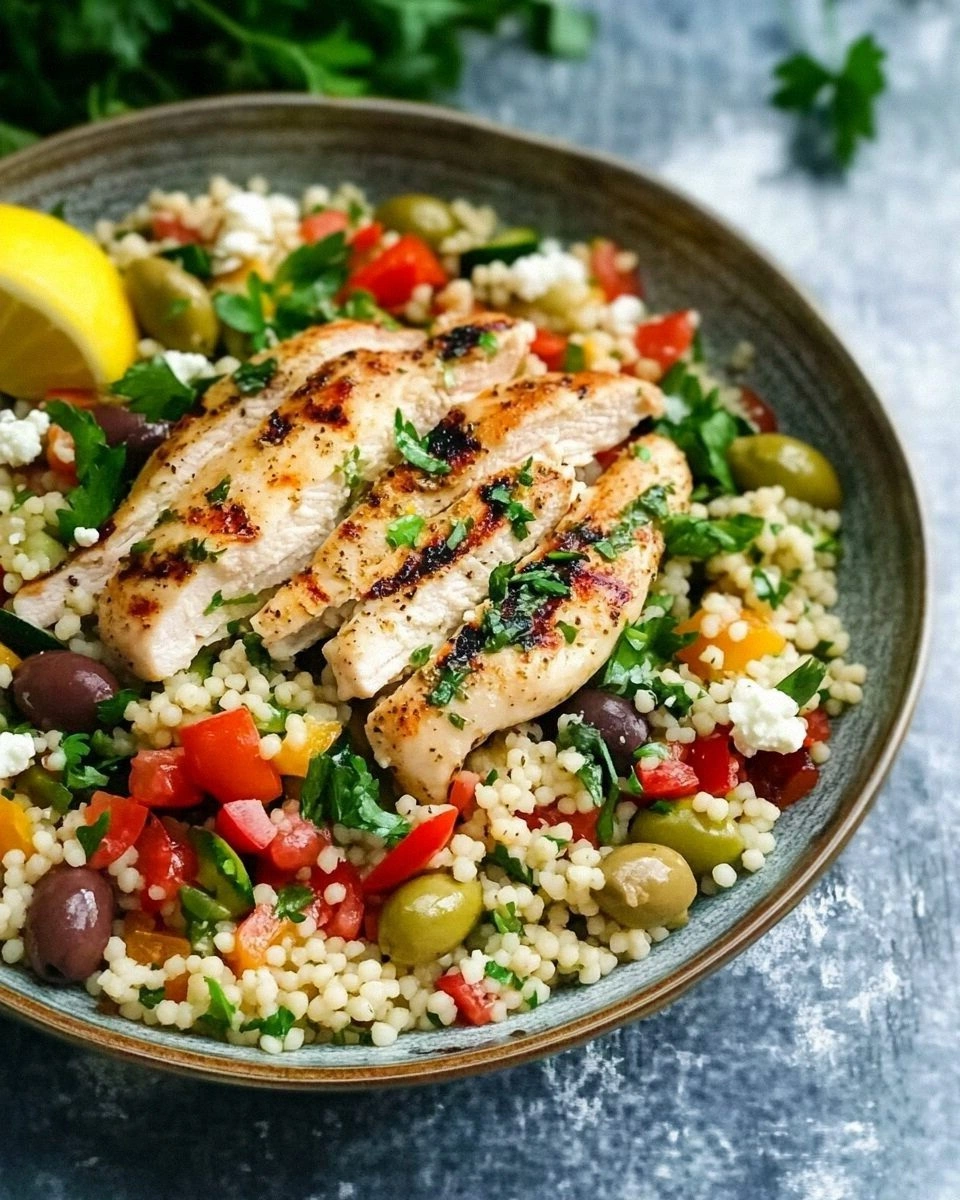
Picture this: a steaming bowl of fluffy couscous, its grains glistening with a whisper of olive oil, each one a tiny, pillowy cloud. The scent of roasted garlic and caramelized onions rises, mingling with the sharp, bright burst of freshly squeezed lemon. As you lift a fork, the veggies—crisp bell pepper, tender zucchini, sweet carrot—pop against the background of golden, herb‑infused couscous. The chicken, seared to a perfect amber, releases a savory aroma that lingers like a promise. Every spoonful is a symphony of textures: the tender bite of chicken, the soft crunch of veggies, and the light, airy couscous that melts on your tongue.
What makes this version stand out? It’s the marriage of simplicity and complexity, the careful balance of flavors that avoid the pitfalls of over‑seasoning. I’ve taken the classic couscous recipe, sprinkled in a dash of oregano that lingers like a whisper, and amplified the lemon’s brightness to a level that feels like a sunny afternoon in a Mediterranean garden. The result is a dish that’s hands‑down the best you’ll ever make at home, a dish that will have you daring to taste it again and again. I’ll be honest—once I tasted the first bite, I ate half the batch before anyone else even got a spoon.
Picture yourself pulling this out of the oven, the whole kitchen smelling incredible, the steam curling like a fragrant cloud. The anticipation builds as you open the lid: a golden, aromatic heap of couscous, studded with jewel‑colored veggies and tender chicken, all coated in a lemon‑oregano glaze that coats the grains like velvet. That sizzle when it hits the pan? Absolute perfection. Okay, ready for the game‑changer? Let me walk you through every single step—by the end, you’ll wonder how you ever made it any other way.
What Makes This Version Stand Out
- Flavor: The citrusy punch of lemon lifts the entire dish, creating a bright, refreshing palate that balances the earthiness of the vegetables.
- Texture: The couscous is perfectly fluffy, with a slight bite that complements the tender chicken and crisp vegetables.
- Complexity: A simple blend of oregano, garlic, and lemon creates depth without overpowering the natural flavors.
- Visual Appeal: Colorful veggies give the dish a vibrant, Instagram‑ready look that makes it feel like a gourmet meal.
- Make‑Ahead: The couscous can be prepared the night before, letting the flavors meld and making weekday dinners a breeze.
- Versatility: Swap chicken for shrimp or tofu, and you have a new dish in minutes—ideal for any dietary preference.
- Nutrition: Packed with protein, fiber, and vitamins, this dish is both filling and healthful.
- Time: From prep to plate, it takes under an hour—perfect for a quick, satisfying dinner.
Alright, let's break down exactly what goes into this masterpiece...
Inside the Ingredient List
The Flavor Base
At the heart of any great dish is a flavor base that sets the stage. In this recipe, the combination of minced garlic, diced onion, and a generous splash of olive oil is sautéed until golden. The garlic releases its sweet, nutty notes, while the onion offers a mellow sweetness that balances the sharpness of the lemon. If you skip this step, you’ll end up with a dish that tastes like couscous and lemon—nice, but not unforgettable. Swap olive oil for avocado oil if you want a higher smoke point and a slightly buttery flavor.
The Texture Crew
Crisp, colorful vegetables are the backbone of this dish. Diced bell peppers, zucchini, and carrots bring not only a pop of color but also a satisfying crunch that contrasts beautifully with the tender chicken. Cutting the veggies into bite‑sized pieces ensures even cooking and a uniform mouthfeel. If you’re short on time, frozen mixed vegetables work fine, just make sure to thaw and squeeze out excess moisture. A pinch of sea salt during the sauté stage keeps the veggies bright and juicy.
The Unexpected Star
Couscous is more than just a side—it’s the canvas that holds every flavor. Using a vegetable broth instead of water adds depth and richness. The couscous itself absorbs the lemon zest and oregano, turning each grain into a tiny, fragrant capsule. If you prefer a nutty undertone, toast the couscous briefly in a dry skillet before adding liquid. For a vegan version, simply omit the chicken and double the chickpeas for protein.
The Final Flourish
The final flourish comes in the form of fresh herbs and a splash of lemon juice that ties everything together. Fresh parsley adds a bright, herbal note that lifts the dish, while crumbled feta provides a salty, creamy contrast that balances the acidity. If you’re avoiding dairy, sprinkle some chopped sun‑dried tomatoes for a burst of umami. The optional lemon zest added at the end brightens the entire plate, giving it that “just‑baked” freshness.
Everything's prepped? Good. Let's get into the real action...
The Method — Step by Step
- Prepare the Base: Heat 2 tbsp of olive oil in a large skillet over medium heat. Add 2 minced garlic cloves and 1 diced onion, sautéing until the onion is translucent and the garlic is fragrant, about 3 minutes. The aroma should fill the kitchen, signaling that the base is ready. This step is the foundation; skip it, and the dish will feel flat.
- Brown the Chicken: Increase the heat to medium‑high. Season 1 lb of cubed chicken breast with 1 tsp salt, ½ tsp pepper, and 1 tsp dried oregano. Add the chicken to the skillet, letting it sear on all sides until golden, about 5 minutes. The chicken should release a savory scent that makes your mouth water. Don’t crowd the pan; if necessary, do this in batches.
- Sauté the Veggies: Remove the chicken and set aside. In the same skillet, add the diced bell peppers, zucchini, and carrot. Sauté for 4–5 minutes until they’re tender yet still crisp. The veggies should emit a sweet, caramelized aroma. This is the moment of truth—if the veggies are mushy, the dish will lose its character.
- Cook the Couscous: While the veggies cook, bring 2 cups of vegetable broth to a boil in a medium saucepan. Stir in 2 cups of couscous, reduce the heat to low, cover, and let it steam for 5 minutes. Once the liquid is absorbed, fluff the couscous with a fork. The grains should be light and separate, not clumpy.
- Combine: Return the chicken to the skillet, then add the cooked couscous, 1 cup of chickpeas, and ¼ cup chopped parsley. Toss everything together, ensuring the couscous is evenly coated with the lemon‑oregano mixture. The mixture should be slightly glossy, indicating the olive oil and lemon juice have blended.
- Add Lemon & Finish: Stir in the zest and juice of 1 lemon, along with an extra 1 tbsp of lemon juice for brightness. Sprinkle ¼ cup crumbled feta cheese, if using. The dish should smell bright and citrusy, with a hint of oregano. Let it simmer for 2 minutes to meld flavors.
- Plate & Garnish: Serve the couscous hot, garnished with additional parsley and a wedge of lemon. The plate should look vibrant, with a rainbow of veggies and a glossy sheen from the lemon glaze. The final touch is a sprinkle of sea salt, just enough to enhance every bite.
- Enjoy: Take a bite and let the flavors dance. The tender chicken, crisp veggies, and fluffy couscous create a harmonious bite that satisfies both the palate and the soul.
That's it — you did it. But hold on, I've got a few more tricks that'll take this to another level...
Insider Tricks for Flawless Results
The Temperature Rule Nobody Follows
Cooking the couscous at the right temperature is crucial. If the heat is too high, the grains can become gummy. Keep the stovetop at low to medium and let the liquid steam gently. I once tried boiling the couscous, and the result was a clumpy, mushy mess. Stick to low heat, and you’ll get that perfect, pillowy texture every time.
Why Your Nose Knows Best
When sautéing the veggies, trust your nose. As soon as the vegetables emit a sweet, caramelized scent, they’re ready. If you’re unsure, taste a tiny piece; it should still have a slight crunch. Overcooking will ruin the vibrant crunch that gives this dish its signature bite.
The 5-Minute Rest That Changes Everything
After cooking the couscous, let it rest covered for five minutes before fluffing. This allows the grains to steam fully, ensuring they’re light and separate. Skipping this step can result in a dense, uneven texture that’s hard to enjoy. I’ve learned the hard way that a five‑minute pause is the difference between good and great.
The Secret to a Bright Lemon Finish
Use a fresh, organic lemon for the best brightness. The zest is packed with essential oils that give the dish its citrus punch. Grate the zest over the dish right before serving to preserve its aroma. A lemon from the garden feels like a burst of sunshine in every bite.
The Quick Chili Boost
If you love heat, add a pinch of red pepper flakes to the sautéed veggies. This subtle kick adds depth without overwhelming the lemon’s brightness. I’ve found that a small amount of heat balances the acidity and makes the dish more complex.
Creative Twists and Variations
This recipe is a playground. Here are some of my favorite ways to switch things up:
Mediterranean Twist
Swap the chicken for grilled shrimp and replace the parsley with dill. Add a handful of Kalamata olives for brininess. The result is a dish that feels like a sunny day on the coast.
Spicy Southwest
Add a diced jalapeño and a splash of lime juice. Sprinkle smoked paprika and cumin for a smoky, earthy base. The dish transforms into a vibrant, fiery bowl that pairs perfectly with a cool yogurt dip.
Vegan Power
Omit the chicken entirely and double the chickpeas. Add a handful of roasted chickpeas for extra crunch. Top with a drizzle of tahini‑lemon sauce for a creamy, nutty finish.
Breakfast Boost
Serve the couscous with a fried or poached egg on top. The yolk adds richness, while the herbs and lemon keep the dish light. This makes for a hearty, protein‑packed breakfast.
Winter Warmth
Add diced sweet potato and a splash of maple syrup for sweetness. The dish becomes a comforting, seasonal bowl that warms the soul.
Summer Picnic
Pack the couscous in a mason jar for a portable lunch. The veggies stay crisp, and the lemon‑oregano dressing keeps the dish bright even after a day in the sun.
Storing and Bringing It Back to Life
Fridge Storage
Cool the dish to room temperature, then transfer to an airtight container. Store in the refrigerator for up to 3 days. When reheating, add a splash of water or broth to revive moisture.
Freezer Friendly
Divide the couscous into portioned containers and freeze for up to 2 months. Thaw overnight in the fridge and reheat gently in a microwave, adding a little water to keep it fluffy.
Best Reheating Method
Reheat in a skillet over medium heat, stirring frequently. A tiny splash of water or broth before heating creates steam that restores the couscous’s airy texture. Finish with a squeeze of fresh lemon to bring back that bright, citrusy kick.