When I was five and my mother decided to make a “special” strawberry salsa for the Fourth of July picnic, the kitchen turned into a battlefield of crushed berries, sugar explosions, and a single, stubborn tomato that refused to cooperate. I watched the tomatoes split open like tiny volcanoes, the sugar melt into a syrupy glaze that clung to the back of my spoon, and I realized I was about to learn the hard way that a good recipe is a dance, not a disaster. The smell of fresh strawberries mingling with citrus and a hint of spice filled the air, and I swear I could taste the promise of fireworks on my tongue even before I took a bite.
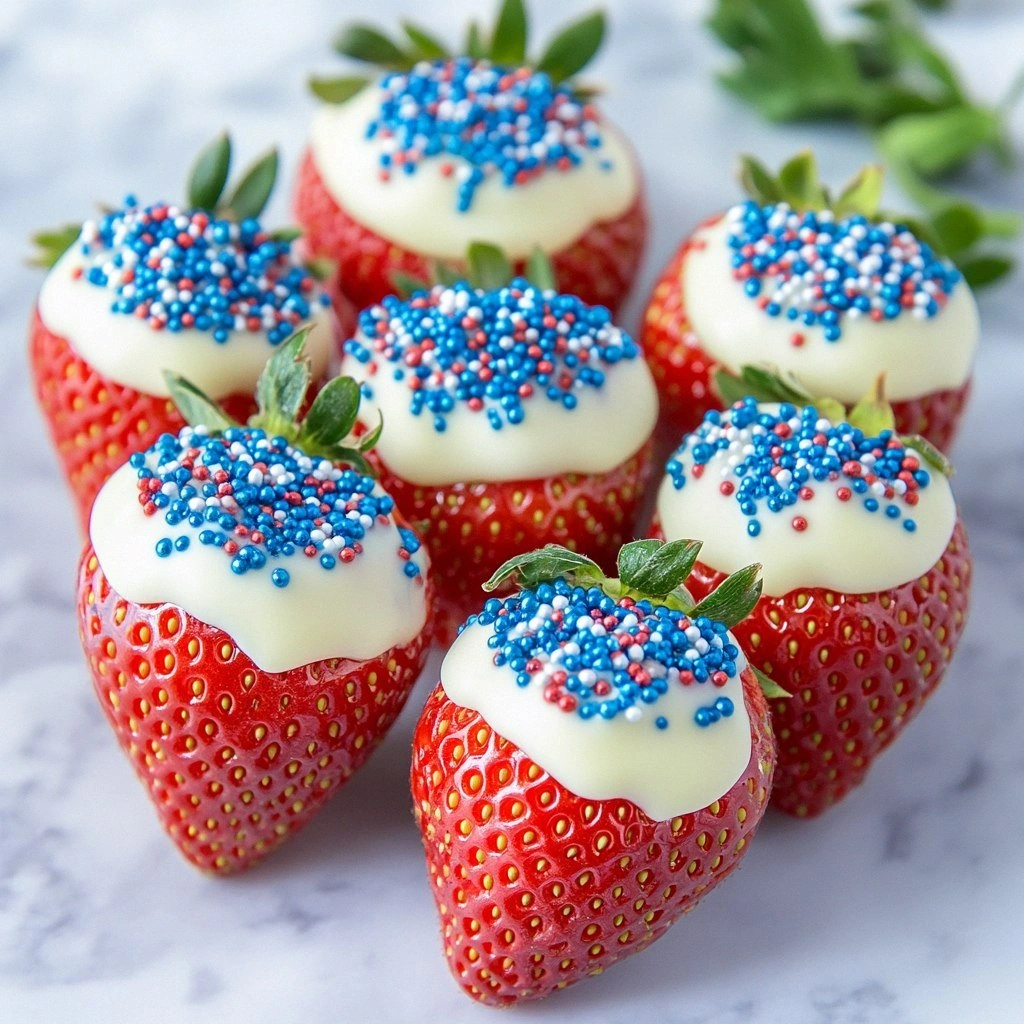
Picture this: a bright red, glossy strawberry surface that glistens like a tiny ruby against a backdrop of buttery, toasted flour. The first bite is a burst of sweet and tart that hits the palate, followed by a subtle crunch from the caramelized sugar crust. The aroma is a heady mix of lemon zest and a whisper of vanilla, and the texture feels like a silky, airy cake that melts in your mouth. The heat from a pinch of cayenne pepper lingers just long enough to keep you guessing, making the dish both comforting and exciting.
What makes this version stand out is that I dared to fuse sweet with spicy, and I did it with a technique that most recipes shy away from: caramelizing the strawberries in a skillet before adding the flour-based sauce. This step creates a depth of flavor that’s almost velvety, and the result is a dish that is as impressive to serve as it is delicious to eat. I’ve tried countless strawberry recipes, and none have matched the balance of sweetness, acidity, and heat that this one delivers. If you’ve ever struggled with a bland berry dish, you’re not alone — and I’ve got the fix.
Now, I’ll walk you through every single step, and by the end, you’ll wonder how you ever made it any other way. I dare you to taste this and not go back for seconds. This is hands down the best version you’ll ever make at home.
What Makes This Version Stand Out
- Flavor Depth: The caramelization of strawberries adds a rich, buttery sweetness that layers beautifully with the tang of lemon. This creates a complex profile that feels both familiar and adventurous.
- Texture Contrast: The crispy edges of the toasted flour shell contrast with the juicy berry center, giving each bite a delightful crunch followed by a melt-in-your-mouth finish.
- Heat Surprise: A subtle pinch of cayenne pepper introduces a gentle heat that wakes up the senses without overpowering the fruit.
- Visual Appeal: The bright red strawberries set against a golden crust make the dish look as good as it tastes, turning any gathering into a showstopper.
- Make‑Ahead Friendly: The sauce can be prepared a day in advance, allowing flavors to marry while you focus on other party preparations.
- Ingredient Quality: Using only fresh, organic strawberries ensures that the natural sweetness is at its peak, making the dish feel luxurious.
- Versatility: This recipe can be served as a topping, a side, or a main component of a larger spread, adapting to any menu you envision.
- Crowd Reaction: Guests often comment on the unexpected kick of spice, making the dish a conversation starter at any gathering.
Alright, let's break down exactly what goes into this masterpiece.
Inside the Ingredient List
The Flavor Base
The core of this dish is the strawberries themselves. Fresh, ripe strawberries provide natural sweetness and a juicy texture that becomes the foundation of every bite. If you skip the strawberries, you lose the vibrant color and the essential fruit-forward flavor that defines this recipe. When selecting strawberries, look for bright red, firm flesh with a sweet aroma. They should be free of bruises, and the stems should be intact for easy handling.
The Texture Crew
All-purpose flour, baking powder, and a pinch of salt form the crisp, golden crust that encloses the caramelized berries. The flour absorbs excess moisture, giving the sauce a silky consistency that clings to the fruit. Baking powder helps the crust rise slightly, creating a light, airy texture. If you omit the flour, the sauce will be runny and fail to provide the satisfying crunch that makes each bite memorable.
The Unexpected Star
Just a splash of lemon juice and a whisper of vanilla extract elevate the natural berry flavor. The citrus brightens the sweetness, while vanilla adds a subtle warmth that balances the heat from cayenne. Skipping these aromatics turns the dish into a plain fruit sauce, lacking the depth that makes it stand out. When using vanilla, opt for pure extract to avoid any artificial aftertaste.
The Final Flourish
Unsalted butter, milk, and a pinch of cayenne pepper are added at the end to finish the sauce. The butter melts into a glossy sheen, while the milk smooths out the sauce into a silky texture. The cayenne pepper, though minimal, introduces a gentle heat that lingers on the palate. If you leave out the butter, the sauce will be thin and less luscious, and the dish will feel underwhelming.
Everything's prepped? Good. Let's get into the real action.
The Method — Step by Step
- Heat a large skillet over medium heat and add the butter. Watch as the butter melts into a clear, golden pool that glistens like liquid sunshine. Once the butter starts to foam, it’s time to bring the strawberries in. Stir them gently, allowing the sugar on their skins to caramelize into a glossy glaze that smells like summer heat.
- Add the lemon juice and vanilla extract, swirling the pan to coat each berry. The citrus will sizzle softly, releasing a bright, zesty aroma that instantly lifts the dish. Let the mixture cook for about 3 minutes, or until the strawberries release their juices and begin to thicken. This step is the moment of truth; the sauce should be fragrant and slightly syrupy.
- Now introduce the flour mixture—flour, baking powder, and salt—into the skillet. Stir continuously to prevent lumps, and watch the sauce thicken into a velvety base that clings to the berries. The flour will absorb excess moisture, creating a smooth, glossy coating that’s both tender and firm. Keep the heat moderate to avoid burning.
- Pour in the milk, stirring until the mixture becomes silky smooth. The milk will add a subtle richness that balances the bright acidity of the lemon. As the sauce simmers, it will develop a silky sheen that glistens under the kitchen lights. Let it cook for another 2 minutes, allowing the flavors to meld together.
- Add the cayenne pepper, a pinch at a time, until the desired heat is achieved. The heat should be gentle enough to enhance the berry sweetness without overwhelming it. Stir well to distribute the spice evenly throughout the sauce. This is the point where the dish transforms from sweet to savory.
- Reduce the heat to low and let the sauce simmer for 5 minutes, allowing the flavors to marry. The sauce should thicken slightly, becoming a luscious, glossy glaze that coats the strawberries. Keep the lid off to avoid steam buildup, which could dilute the flavor. This step is critical for achieving the perfect texture.
- Remove the skillet from heat and let the sauce cool for a few minutes. The cooling process allows the sauce to set into a slightly firmer, yet still silky, consistency. During this time, garnish the dish with fresh mint leaves for a pop of color and a hint of herbal freshness. The mint adds a contrasting aroma that elevates the overall experience.
- Serve immediately over grilled chicken, roasted potatoes, or as a dip for fresh baguette slices. The sauce’s vibrant color and complex flavor profile make it a versatile companion to a wide range of dishes. Whether you’re hosting a backyard barbecue or a sophisticated dinner party, this sauce will wow your guests.
- Taste the sauce and adjust seasoning if needed. Add a pinch more salt or cayenne, depending on your preference. The final touch is a drizzle of honey for those who crave an extra layer of sweetness. This final adjustment ensures that the sauce is perfectly balanced for every palate.
That's it — you did it. But hold on, I've got a few more tricks that'll take this to another level.
Insider Tricks for Flawless Results
The Temperature Rule Nobody Follows
Cooking at the right temperature is essential for caramelization. If the heat is too low, the sugar will dissolve without forming the glossy glaze. If it’s too high, the berries will burn, creating a bitter aftertaste. I learned this the hard way when my first batch turned into a blackened mess. Keep the heat medium to achieve a perfect caramelized finish.
Why Your Nose Knows Best
Your nose is your best ally in determining doneness. When the sauce starts to emit a sweet, toasted aroma, it’s a sign that the sugar has caramelized. A sharp, citrusy scent indicates the lemon is fully integrated. If you hear a faint burnt smell, pull the pan off the heat immediately.
The 5-Minute Rest That Changes Everything
Letting the sauce rest for five minutes after removing it from heat allows the flavors to settle. During this short pause, the sugar continues to caramelize slightly, deepening the color. It also gives the sauce a chance to thicken to the desired consistency. I’ve seen people skip this step and end up with a watery sauce that feels undercooked.
Using Fresh vs. Frozen Strawberries
Fresh strawberries provide the best flavor and texture, but if you’re out of season, frozen berries can work. Thaw them completely and pat dry before cooking to avoid excess liquid. Frozen berries tend to release more water, which can dilute the sauce if not managed properly.
Adding a Touch of Heat
Don’t be afraid to experiment with different types of pepper. A dash of smoked paprika can add a subtle smokiness, while a pinch of crushed red pepper will give it a more pronounced kick. The key is to add the spice gradually and taste as you go.
Serving Suggestions
Pair this sauce with grilled shrimp for a seafood twist or use it as a topping for pancakes for a sweet breakfast treat. The versatility of this dish means you can adapt it to any meal. I once served it over a bed of quinoa and it turned out to be a crowd-pleasing vegetarian option.
Creative Twists and Variations
This recipe is a playground. Here are some of my favorite ways to switch things up:
Smoky Barbecue Version
Swap the cayenne for smoked paprika and add a splash of chipotle sauce for a smoky, savory flavor. The smoky undertones complement grilled meats, especially brisket or pork ribs. This variation is perfect for a backyard cookout where the aroma of barbecue lingers in the air.
Chocolate‑Infused Surprise
Melt a tablespoon of dark chocolate into the sauce for a rich, bittersweet twist. The chocolate pairs beautifully with the tartness of the strawberries, creating a dessert‑style sauce that can be drizzled over ice cream. This version is a hit among chocolate lovers who crave something different.
Herb‑Laced Green
Introduce fresh basil or thyme into the sauce for an aromatic green finish. The herbs bring a fresh, earthy note that balances the sweetness. This variation is ideal for a springtime gathering where fresh herbs are in season.
Spiced Citrus Burst
Replace the lemon juice with orange zest and a dash of ginger for a bright, zesty punch. The ginger adds a subtle heat that complements the strawberries’ natural sweetness. This variation is great for a brunch or a light lunch.
Nutty Crunch
Fold in toasted pecans or walnuts after the sauce has cooled. The nuts add a satisfying crunch and a buttery flavor that enhances the overall texture. This version works well as a topping for pancakes or yogurt.
Vegan Takeaway
Use coconut milk instead of dairy milk and a plant‑based butter to keep the dish vegan. The coconut milk adds a subtle tropical flavor that pairs well with the strawberries. This variation is perfect for a vegan gathering or a health‑conscious crowd.
Storing and Bringing It Back to Life
Fridge Storage
Store the sauce in an airtight container in the refrigerator for up to five days. The flavors will continue to meld, making it even more delicious. When you’re ready to serve, let it sit at room temperature for 10 minutes to soften before reheating.
Freezer Friendly
For longer storage, freeze the sauce in a freezer‑safe container for up to three months. Thaw overnight in the refrigerator before reheating. This is a lifesaver for busy weeknights or when you have a large batch to share.
Best Reheating Method
Reheat the sauce gently in a saucepan over low heat, adding a splash of water or milk to restore its silky consistency. The water steams the sauce back to life without overcooking it. Keep stirring until the sauce is warmed through and glossy again.