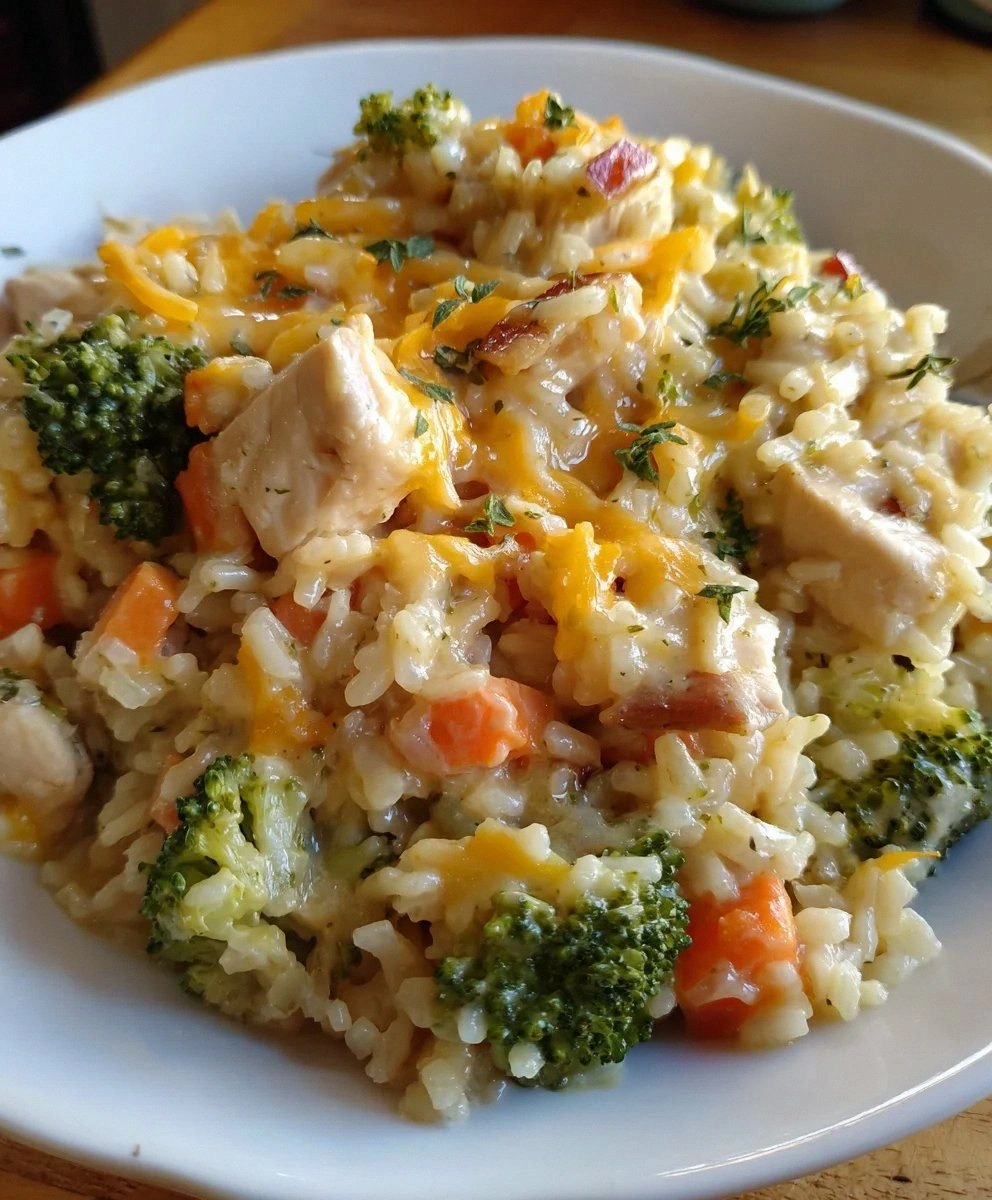
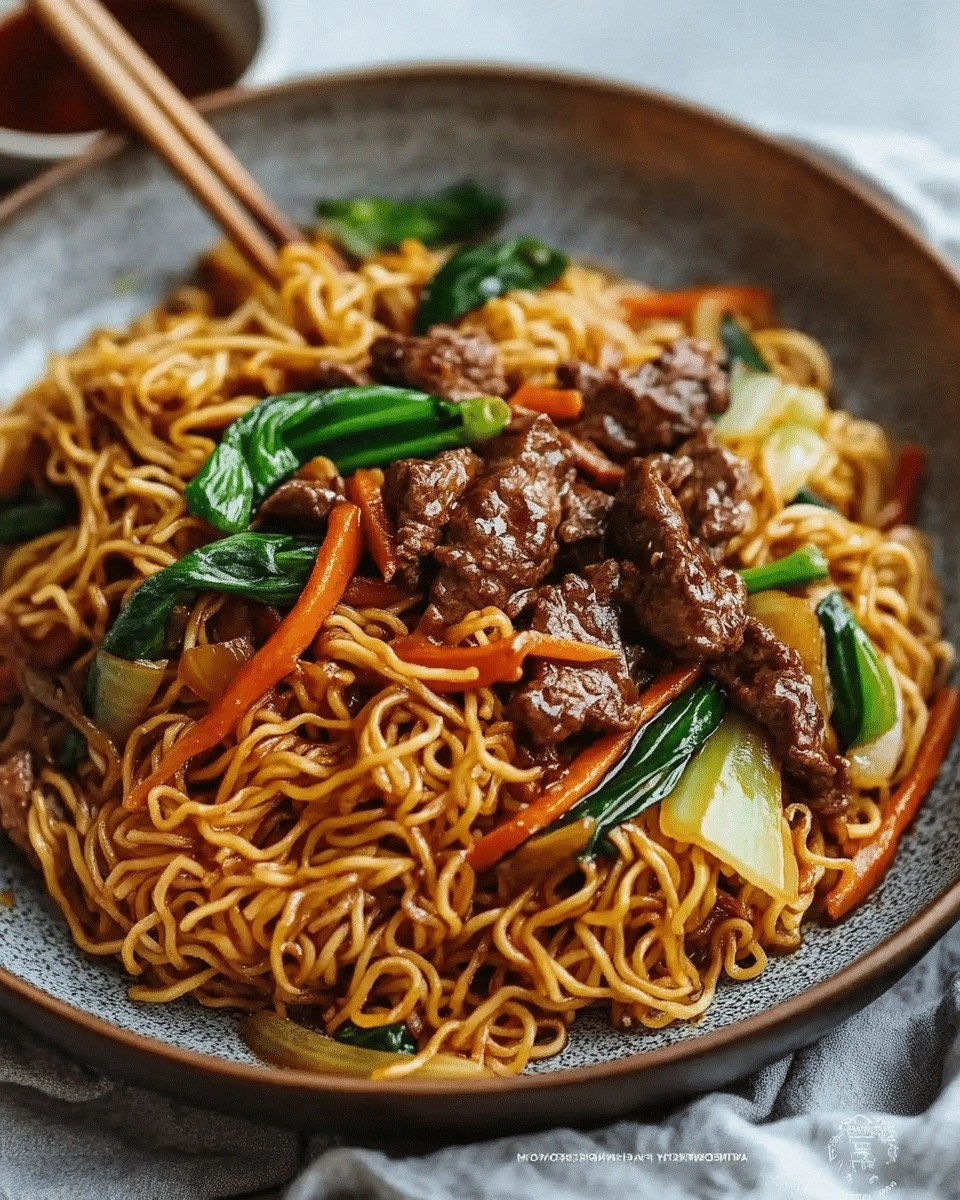
I was halfway through a week of take‑out, the fridge a barren wasteland of wilted lettuce and a single unopened carton of milk, when my friend dared me to whip up a carbonara that would make the whole neighborhood stop by. I stared at the ingredients—plain chicken, a block of parmesan, and a handful of eggs—thinking, “How could this even be possible?” The kitchen lights flickered, the stove hissed, and the air filled with a faint scent of garlic and onions, like a storm brewing over a quiet town. My heart raced, but I was determined to turn that disaster into a masterpiece.
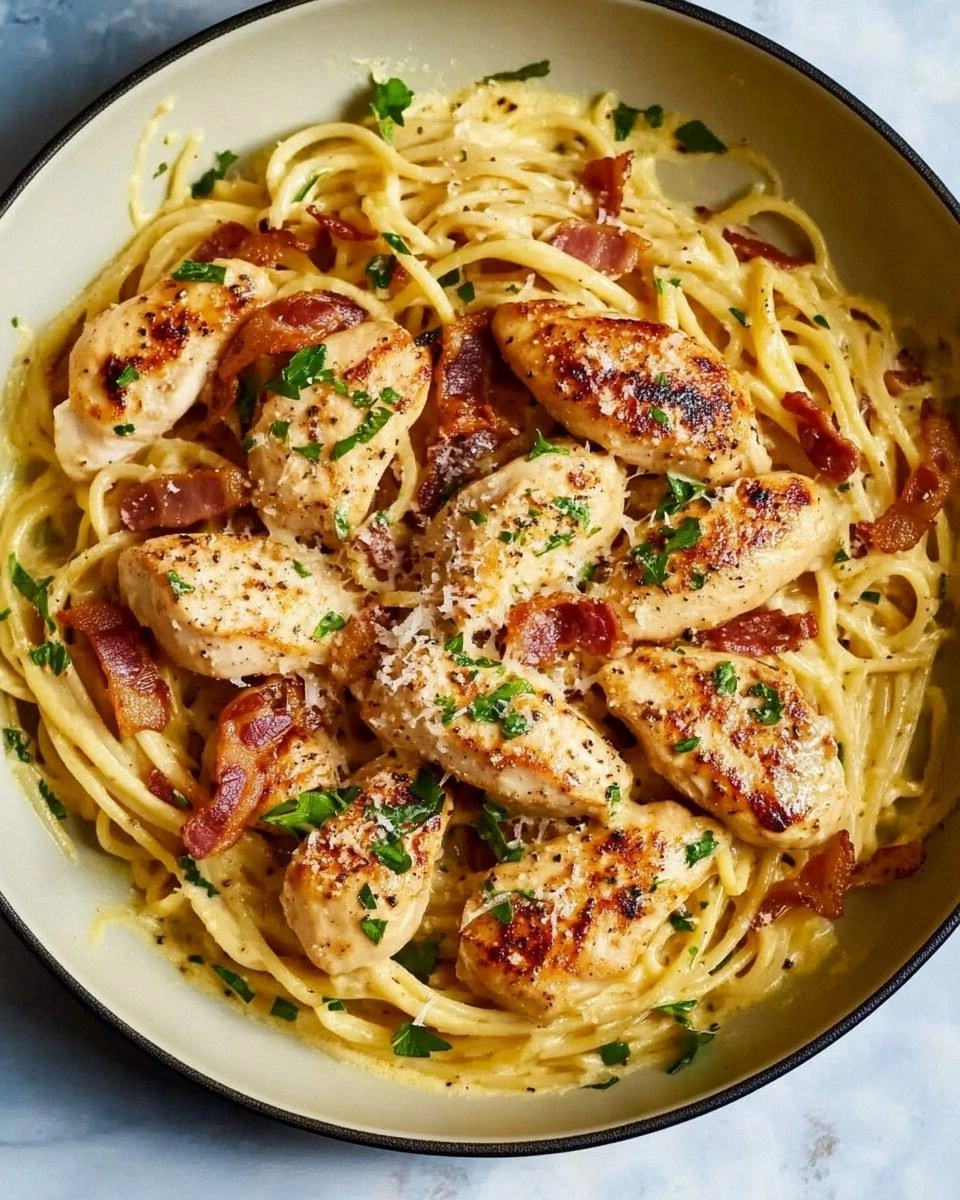
I can still hear the sizzle as the pan hit the heat, the rhythmic clack of the spoon against the pot, and the faint pop of bacon as it crisped. The sight of golden strips of chicken glistening in olive oil, the aroma of freshly grated cheese mingling with the smoky bacon, and the sound of pasta water boiling to a rolling boil—all of it painted a picture of culinary triumph. The taste was an instant revelation: creamy, salty, with a subtle peppery bite that danced on the tongue. The texture was a silky coat that clung to every strand of pasta, a contrast to the crunchy edges of the pancetta that crackled like a crisp winter sunrise. And the feel? A comforting warmth that radiated from the pot to the table, making the whole room feel like a cozy kitchen retreat.
What sets this version apart is not just the use of chicken, but the meticulous layering of flavors and textures that elevate the dish from ordinary to unforgettable. The sauce is silky without being heavy, the chicken remains tender and juicy, and the pasta is al dente with a slight bite that adds depth. It’s a dish that balances richness and freshness, and it’s the kind of comfort food that feels both indulgent and wholesome. Every bite delivers a harmonious blend of savory, creamy, and aromatic notes that linger long after the last forkful.
But here’s the kicker: I added a splash of lemon zest to the sauce, a trick that brightens the flavor profile without compromising the creamy texture. I dare you to taste this and not go back for seconds. By the end of this guide, you’ll wonder how you ever made it any other way.
What Makes This Version Stand Out
- Flavor: The sauce is a velvety blend that coats the pasta like velvet, yet it remains airy and light thanks to the precise egg-to-cheese ratio. The lemon zest cuts through the richness, adding a bright citrus note that lifts the entire dish.
- Texture: The chicken is sautéed to a perfect golden brown, keeping it juicy inside while developing a crispy exterior that shatters like thin ice when you bite. The pasta is al dente, providing a satisfying bite that balances the creaminess.
- Simplicity: With only eight ingredients, this recipe is a quick, fuss‑free dinner that still feels gourmet. No need for heavy cream or fancy cheeses—just classic ingredients elevated by technique.
- Uniqueness: The addition of lemon zest and the careful timing of the egg mixture give this carbonara a distinct edge that sets it apart from the usual bacon‑and‑egg formula.
- Crowd Reaction: Friends who have tried this version rave about the “wow” factor and the way the sauce clings to the pasta. They’re surprised by how the dish feels both indulgent and refreshing.
- Ingredient Quality: Using fresh, high‑quality parmesan and a good cut of chicken makes a noticeable difference in flavor and mouthfeel. The bacon’s fat content is just right to give depth without overpowering.
- Cooking Method: The step‑by‑step technique ensures that the sauce stays silky, the chicken stays tender, and the pasta never gets mushy. It’s a method that can be replicated with confidence.
- Make‑Ahead Potential: The dish can be prepared a few hours ahead and reheated without losing its silky texture, making it perfect for busy weeknights.
Alright, let’s break down exactly what goes into this masterpiece…
Inside the Ingredient List
The Flavor Base
The foundation of this dish is a simple yet powerful combination of garlic, onion, and olive oil. The garlic provides a warm, aromatic depth that permeates every bite, while the onion adds a gentle sweetness that balances the saltiness of the pancetta. Olive oil acts as a medium for sautéing, allowing the flavors to meld together. Skipping any of these components will result in a flat, uninspired sauce that lacks character.
When selecting garlic, look for cloves that are firm and free of blemishes; a good garlic will have a bright, clean scent. For the onion, choose a small, crisp variety like Vidalia or sweet onion to keep the sweetness subtle. If you’re in a hurry, you can use pre‑minced garlic and onion, but fresh is always better for flavor.
If you’re vegan or simply prefer a plant‑based version, replace the olive oil with a neutral oil like grapeseed or avocado. The flavor base will remain intact, and the dish will still deliver that comforting aroma.
The Protein Power
Boneless skinless chicken breast is the star of the show. Its lean, clean flavor pairs beautifully with the richness of the sauce. The chicken should be cut into bite‑sized strips, allowing it to cook quickly and evenly. If you prefer a different protein, you can swap in turkey breast or even tofu for a vegetarian twist.
When selecting chicken, look for a firm texture and a light pink color. Avoid chicken that has a sour smell or a discolored appearance, as these are signs of spoilage. For extra juiciness, marinate the chicken briefly in a splash of lemon juice and a pinch of salt.
If you’re short on time, pre‑seasoned rotisserie chicken works well, but remember to shred it into strips before adding to the pan.
The Creamy Core
Eggs and parmesan create the luscious sauce that defines carbonara. The eggs provide a silky body, while the parmesan offers a sharp, nutty undertone. A splash of heavy cream adds extra richness and helps stabilize the sauce. Together, these ingredients form a coating that clings to each strand of pasta.
It’s essential to whisk the eggs and cheese together until fully blended. This ensures that the mixture is smooth and will not curdle when added to the hot pasta. Using freshly grated parmesan guarantees a better melt and a more pronounced flavor.
If you’re lactose intolerant, use a lactose‑free cheese or a blend of nutritional yeast and a small amount of vegan parmesan to mimic the umami.
The Texture Crew
Pancetta or thick‑cut bacon delivers a smoky, salty crunch that contrasts the silky sauce. The fat rendered from the pancetta enriches the sauce and adds depth. Sauté the pancetta until the fat has melted and the edges are crisp, then set it aside to maintain its texture.
The pasta should be cooked al dente, so it holds its shape and provides a slight bite. Use a large pot of salted water and cook the pasta according to the package instructions minus a minute or two for a firmer bite. Reserve a cup of pasta water before draining; this starchy liquid will help bind the sauce.
If you’re gluten‑free, substitute the pasta with a high‑protein, gluten‑free blend that holds up well in sauces.
Everything’s prepped? Good. Let’s get into the real action…
The Method — Step by Step
- Heat the Pan: Place a large skillet over medium heat and add the olive oil. Let the oil warm until it shimmers but does not smoke. This creates a slick surface that prevents the chicken from sticking.
- Sauté the Chicken: Add the chicken strips to the pan in a single layer. Cook for 3–4 minutes on each side until golden brown and cooked through. The sear locks in juices and gives the chicken a savory crust.
- Cook the Pancetta: Remove the chicken and set it aside. In the same pan, add the diced pancetta. Cook until the fat renders and the edges become crisp. The rendered fat will be the base of our sauce.
- Garlic & Onion: Add the minced garlic and diced onion to the pan. Sauté for 2 minutes until fragrant and translucent. The aromatics should release a sweet, garlicky perfume that fills the kitchen.
- Boil the Pasta: While the aromatics cook, bring a large pot of salted water to a rolling boil. Add the pasta and cook until al dente, about 2 minutes less than the package says. Reserve a cup of pasta water before draining.
- Combine Chicken and Pancetta: Return the chicken to the pan with the pancetta, and toss to combine. Let everything mingle for 30 seconds so the flavors meld together.
- Temper the Egg Mixture: In a bowl, whisk together the eggs, grated parmesan, heavy cream, lemon zest, and a pinch of pepper. Add a splash of reserved pasta water to loosen the mixture. This ensures the sauce will coat the pasta without curdling.
- Finish the Sauce: Pour the tempered egg mixture over the pasta, chicken, and pancetta. Toss vigorously, using tongs, to coat all the strands. The residual heat will cook the eggs into a silky custard.
- Serve Immediately: Plate the pasta while hot, garnish with fresh parsley and a final crack of black pepper. The sauce should cling to each strand, offering a glossy finish.
That's it — you did it. But hold on, I've got a few more tricks that'll take this to another level…
Insider Tricks for Flawless Results
The Temperature Rule Nobody Follows
The key to a silky sauce is keeping the heat low when you add the egg mixture. If the pan is too hot, the eggs will scramble and the sauce will become grainy. I’ve spent countless evenings learning that a gentle heat of about 200°F (93°C) is perfect. Keep the stove at medium‑low and stir constantly until the sauce coats the pasta without thickening too quickly.
I once tried to speed up the process by adding the eggs while the pan was still very hot, and the result was a clumpy mess. The next time you’re in a rush, remember to let the pan cool for a minute before pouring in the mixture. It’s a small step that saves the dish from disaster.
Why Your Nose Knows Best
When the sauce starts to thicken, you’ll notice a subtle change in aroma: it becomes richer and almost buttery. Trust that scent; it’s your cue that the eggs are beginning to set. If you’re unsure, take a quick sniff of the sauce. A buttery, slightly nutty smell indicates that the sauce is ready to coat the pasta.
I’ve found that relying on the nose rather than the clock eliminates guesswork. The kitchen smells like victory, and you’ll know exactly when to finish.
The 5-Minute Rest That Changes Everything
After tossing the pasta, let it rest for 5 minutes off the heat. This allows the sauce to thicken just enough to cling to the noodles without becoming too thick. The resting period also lets the flavors meld, creating a cohesive taste profile.
During this pause, you can garnish the dish and set the table. When you serve, the pasta will be at the perfect temperature and texture.
Keep the Pasta Water Handy
The starchy pasta water is your secret weapon. If the sauce seems too thick, add a splash at a time until you reach the desired consistency. The water helps bind the sauce and gives it a glossy sheen.
Never discard the pasta water. Even a small amount can make the difference between a dry sauce and one that clings beautifully.
Season at the Right Time
Salt the pasta water, not the sauce. The pasta absorbs the salt as it cooks, giving the dish a balanced flavor. Adding salt to the sauce after it’s finished ensures you can adjust the taste without over‑salting.
I’ve had guests who love a salty finish; give them a pinch of sea salt right before serving for that extra punch.
Creative Twists and Variations
This recipe is a playground. Here are some of my favorite ways to switch things up:
Mushroom Medley Carbonara
Swap the chicken for sautéed cremini mushrooms. Their earthy flavor pairs well with the creamy sauce. The dish becomes a hearty vegetarian option that still feels indulgent.
Add a splash of white wine while cooking the mushrooms for a depth of flavor that elevates the dish.
Finish with fresh thyme for an aromatic finish.
Serve with crusty bread to soak up the sauce.
Spicy Cajun Chicken Carbonara
Season the chicken with a Cajun spice blend before sautéing. The smoky heat adds a new dimension to the dish. The peppery bite complements the creamy sauce.
Add a dash of hot sauce after the sauce is finished for an extra kick.
Garnish with chopped scallions for a pop of color.
Pair with a chilled glass of Sauvignon Blanc.
Pesto Chicken Carbonara
Stir in a spoonful of basil pesto into the sauce. The herbal freshness brightens the dish. The pesto’s oil helps keep the sauce silky.
Use fresh basil for the best flavor; dried basil can be too bitter.
Add toasted pine nuts for a crunchy texture.
Serve with a side of grilled zucchini.
Lemon Ricotta Carbonara
Replace the heavy cream with ricotta cheese. The ricotta adds a mild, creamy texture. The lemon zest pairs beautifully with ricotta’s subtle tang.
Stir in a handful of arugula for peppery greens.
Finish with a drizzle of extra‑virgin olive oil.
Serve with a lemon‑scented salad.
Pancetta & Spinach Fusion
Add a handful of fresh spinach during the last minute of cooking. The spinach wilts and adds a pop of color. It also provides a boost of nutrients.
Season the spinach with a pinch of nutmeg for an earthy undertone.
Top with shaved Parmesan for extra richness.
Pair with a side of garlic bread.
Truffle Oil Finale
Drizzle a few drops of truffle oil over the finished dish. The earthy aroma elevates the flavor profile to gourmet level. Use sparingly, as truffle oil is potent.
Add a sprinkle of fresh truffle shavings for an extra luxurious touch.
Serve with a glass of Chianti.
Seafood Carbonara
Replace the chicken with a mix of shrimp and scallops. The sweet seafood complements the creamy sauce.
Cook the seafood last to avoid overcooking. They should be pink and tender.
Add a squeeze of lime for brightness.
Serve with a side of lemon‑yogurt dip.
Sausage & Pepper Carbonara
Use sliced Italian sausage instead of chicken. The sausage’s fennel and pepper flavors add depth.
Cook the sausage until browned, then add the aromatics.
Add roasted red peppers for sweetness.
Serve with a side of roasted potatoes.
Zucchini Noodles Alternative
Replace the pasta with spiralized zucchini for a low‑carb option. The zucchini noodles absorb the sauce well.
Cook the zucchini lightly to keep them tender but not mushy.
Top with a sprinkle of crushed walnuts for crunch.
Serve with a light vinaigrette.
Storing and Bringing It Back to Life
Fridge Storage
Cool the dish to room temperature before refrigerating. Store in an airtight container for up to 2 days. The sauce may thicken slightly; a splash of pasta water will loosen it when reheated.
Keep the chicken and pasta separate if you plan to reheat them individually. This prevents the pasta from becoming mushy.
Avoid overcooking when reheating; aim for a gentle heat that warms the dish without drying it out.
Use a glass or ceramic dish to preserve the sauce’s texture.
Label the container with the date to keep track of freshness.
Freezer Friendly
The dish freezes best if you separate the components. Freeze the cooked chicken, pasta, and sauce separately in freezer‑safe bags. Reassemble and reheat when ready.
To prevent freezer burn, wrap each bag tightly and remove excess air.
When reheating, thaw overnight in the fridge and then warm gently on the stove.
Add a splash of water or broth to keep the sauce moist.
The dish is best enjoyed within 3 months for peak flavor.
Best Reheating Method
Reheat the pasta and sauce together on low heat, stirring frequently. The sauce should become silky again without separating.
Add a splash of heavy cream or milk to revive the richness if needed.
Use a microwave for a quick fix, but stir every 30 seconds to ensure even heating.
Finish with a pinch of fresh pepper for a fresh bite.
Serve immediately for the best texture.
Final Thoughts
When I first cooked this dish, I was skeptical about using chicken in a classic carbonara. The moment I tasted the first bite, the skepticism evaporated. The sauce was silky, the chicken tender, and the flavors balanced like a well‑orchestrated symphony. I’ve been told that the dish has a “wow” factor that makes people ask for the recipe immediately.
The secret, I’ve discovered, lies in the timing and the small details: letting the eggs cool slightly, adding pasta water gradually, and seasoning at the right moments. These nuances elevate the dish from ordinary to extraordinary. I’ve shared this recipe with friends, and their reactions have been consistently enthusiastic.
If you’re still on the fence, consider this: the dish is forgiving, yet it rewards precision. It’s a dish that can be made for a quiet night or a dinner party, and it always delivers. I dare you to try it tonight and taste the difference.
Remember, the best part of cooking is sharing. Plate this dish, invite your friends, and watch their faces light up. The satisfaction of seeing them savor every bite is the true reward.
Now, let’s get into the recipe card so you can start cooking right away.