Picture this: I was standing in my kitchen, flipping a battered fish filet that had more smoke than flavor, when my roommate burst in, eyes wide, demanding a taco fix that would make the taco trucks jealous. I laughed, grabbed a salmon fillet, and decided to blacken it in a skillet like a chef on a dare. The sizzle that erupted was louder than a summer thunderstorm, and the aroma of paprika and cumin wafted through the air like a spicy perfume. That moment was the spark that turned an ordinary night into a culinary revelation. I was instantly convinced that this was the kind of dish that would get people begging for seconds.
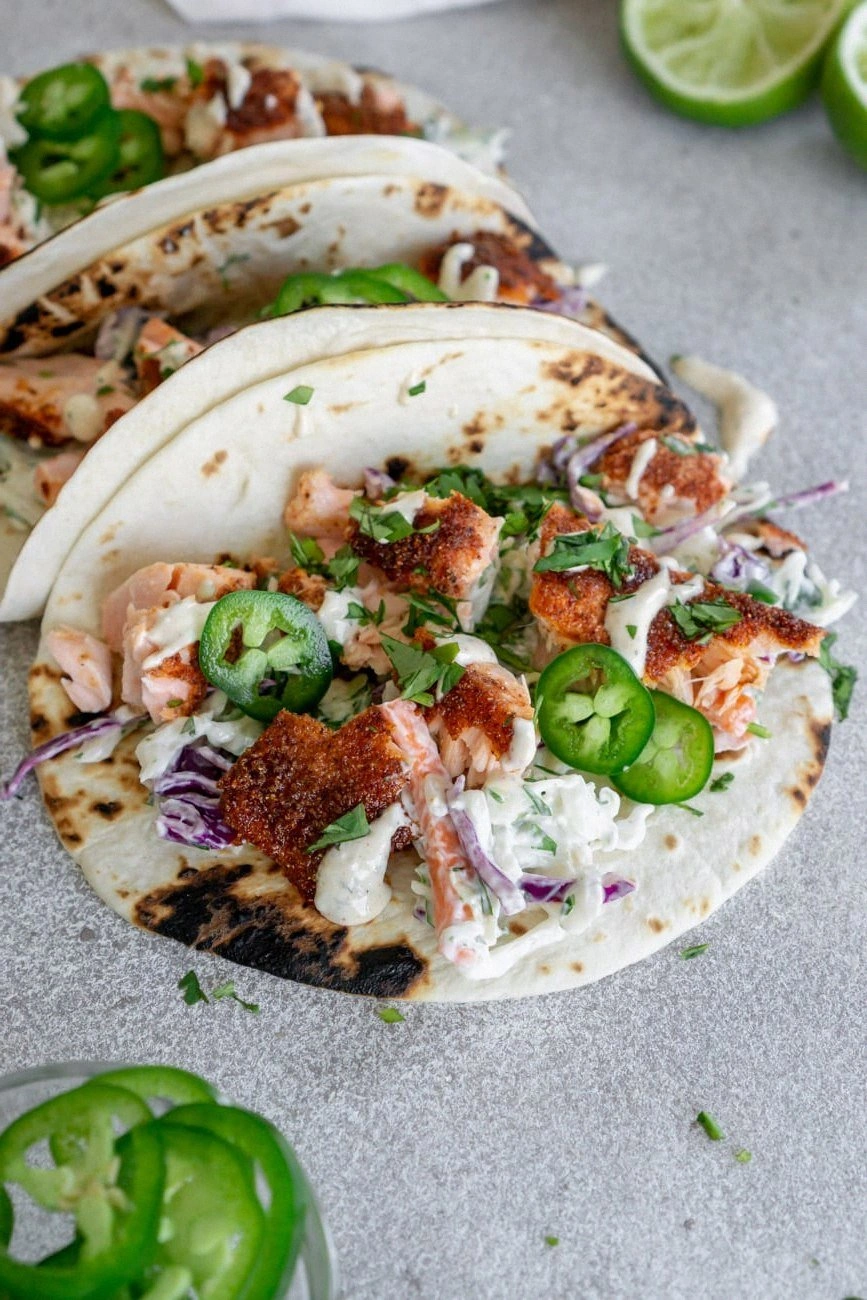
I tried the recipe, and the first bite was a revelation: the salmon was a smoky, almost charred masterpiece, yet the flesh remained buttery and flaky. The tortillas, warmed to just the right crispness, held the blackened fish without tearing, while the crunchy coleslaw added a refreshing bite that cut through the heat. The creamy avocado crema drizzled over the top felt like velvet, and the lime juice gave a zesty pop that lifted every component. I could taste the harmony of sweet paprika, the subtle bite of chili powder, and the comforting warmth of garlic and onion powders. It was a symphony of flavors that made me shout, “This is hands down the best version you'll ever make at home!”
What sets this version apart is the way it balances boldness with balance. The blackening blend is a secret weapon that caramelizes on the surface, giving a crunchy crust that shatters like thin ice when you bite. The fish stays moist because the coating locks in juices, a trick I learned from a seasoned grill master. The sauce, a mix of mayo and sour cream, coats the taco like silk, adding richness without drowning the fish. The salsa and jalapeños provide a heat that can be dialed up or down, depending on your tolerance. And the final touch of cilantro and lime juice ties everything together, creating a bright, fresh finish.
If you’ve ever struggled to get the right flavor balance in a taco, you’re not alone — and I’ve got the fix. I dare you to taste this and not go back for seconds; the texture alone will have you in a trance. Picture yourself pulling this out of the pan, the whole kitchen smelling incredible, and the anticipation building as you assemble each taco. And now, ready for the game‑changer? Let me walk you through every single step — by the end, you’ll wonder how you ever made it any other way.
What Makes This Version Stand Out
- Flavor Depth: The blackening spice mix delivers a smoky, slightly sweet profile that cuts through the richness of salmon. It’s a one‑stroke flavor that transforms a simple fillet into a gourmet experience. The balance of paprika and chili powder creates a layered heat that is both bold and nuanced.
- Texture Contrast: The crust that forms on the fish is a crunchy, caramelized shell that gives way to a tender, flaky interior. This duality keeps each bite exciting and prevents the fish from becoming mushy. The tortillas are warmed to a golden crisp that holds the fillings without tearing.
- Easy Prep: All the ingredients are pantry staples, and the assembly takes less than 15 minutes once the fish is cooked. No complicated sauces or marinating steps mean you can whip this up on a weeknight or a lazy Sunday. The recipe scales cleanly, so you can feed a crowd or keep it intimate.
- Versatility: Swap the tortillas for lettuce cups, use a different fish like cod or shrimp, or switch the salsa to a mango version. The base flavor remains intact while the variations let you tailor the dish to your taste. It’s a playground for culinary experimentation.
- Health Conscious: Salmon provides heart‑healthy omega‑3s, while the coleslaw adds fiber and vitamins. The creamy sauce is balanced with sour cream and mayo, keeping the calorie count moderate. It’s a dish that feels indulgent but is actually wholesome.
- Party‑Ready: The tacos are easy to serve buffet‑style, and the colorful presentation makes them Instagram‑worthy. Guests can build their own tacos, adding jalapeños or cilantro to their preference. The dish is guaranteed to be a crowd‑pleaser at any gathering.
Inside the Ingredient List
The Flavor Base
The paprika and chili powder form the heart of the blackening blend, delivering a smoky heat that is both aromatic and satisfying. Paprika offers a sweet, peppery undertone that balances the sharper notes of chili. If you skip paprika, the fish loses its signature color and subtle sweetness, turning the dish into a flat, one‑dimensional flavor. A good swap is smoked paprika, which adds an extra layer of smokiness if you prefer a more pronounced char.
Cumin anchors the spice mix with its earthy, nutty profile. It’s what gives the coating that depth, preventing the fish from tasting overly sweet or bright. If cumin is unavailable, a pinch of coriander seeds can offer a milder, citrusy alternative that still complements the fish. When purchasing cumin, look for whole seeds and grind them fresh; the aroma is far more potent than pre‑ground powder.
Garlic and onion powders provide savory backbone. They infuse the crust with a subtle, umami richness that cuts through the fattiness of salmon. Without them, the coating would feel thin and lacking. If you prefer fresh garlic, mince one clove and press it into the fish before cooking; the result is a more pronounced garlic bite.
The Texture Crew
Flour tortillas are the vessel that holds everything together. They need to be warmed to a temperature where they are pliable but still sturdy. If you prefer a gluten‑free option, use corn tortillas, but keep a close eye on them to avoid tearing.
Coleslaw mix offers a crisp, refreshing bite that contrasts the smoky salmon. The cabbage and carrots add crunch, while the dressing lifts the overall flavor. Skipping coleslaw would make the tacos feel heavy; if you’re allergic to cabbage, swap for a shredded carrot and cucumber mix for a lighter crunch.
The avocado crema brings a silky texture that coats the taco like velvet. It balances the heat from jalapeños and the richness of the fish. If you’re short on avocados, a tablespoon of Greek yogurt mixed with lime juice can provide a similar creamy base.
The Unexpected Star
The fish taco sauce is a tangy, slightly sweet condiment that adds a zing to each bite. It’s typically made from a blend of salsa, lime juice, and a splash of vinegar. Without it, the tacos would lack a bright, acidic counterpoint that cuts through the richness. If you don’t have a pre‑made sauce, a quick mix of tomato puree, lime zest, and a pinch of sugar will do the trick.
Cilantro and lime juice are the finishing touch that tie all flavors together. Cilantro offers a fresh, herbal note that lifts the dish, while lime juice adds acidity and brightness. Skipping cilantro would make the tacos feel flat; a few extra lime wedges on the side can compensate for the missing herb.
The Final Flourish
Jalapeños provide a heat that can be customized to your tolerance. They add a peppery bite that complements the smoky coating. If you’re heat‑averse, use a milder pepper like poblano or bell pepper. Remember to deseed jalapeños if you want to dial down the intensity.
A pinch of kosher salt enhances all flavors, but be careful not to over‑salt the fish. The salt draws out moisture, creating a tender interior. If you’re on a sodium‑restricted diet, replace kosher salt with a low‑sodium seasoning blend.
Everything’s prepped? Good. Let’s get into the real action.
The Method — Step by Step
- Prep the Salmon: Pat the salmon fillets dry with paper towels; this step is crucial for a proper sear. Season both sides with the blackening spice blend, pressing the mixture onto the flesh so it adheres firmly. The coating should look like a fine dusting, not a thick crust. This will create a crisp exterior while keeping the interior moist. Remember, the key to a good sear is a dry surface.
- Heat the Skillet: Place a heavy‑bottom skillet (preferably cast iron) over medium‑high heat and let it become almost smoking hot. Add a splash of oil with a high smoke point, such as avocado or grapeseed oil. A hot pan is essential; otherwise the fish will steam instead of sear. Watch the oil until it shimmers but isn’t smoking aggressively.
- Sear the Salmon: Lay the fillets skin‑side down (if they have skin) into the skillet. Let them cook undisturbed for 3–4 minutes until the crust is golden and the fish releases easily from the pan. Flip carefully with a spatula, then cook another 2–3 minutes until the fish is opaque and flakes easily. The goal is a caramelized exterior and a tender interior.
- Rest the Fish: Transfer the cooked salmon to a cutting board and let it rest for 2 minutes. This short rest allows the juices to redistribute, preventing them from running off when you slice. While resting, shred the salmon into bite‑sized flakes with a fork. The flakes should be loose enough to fill the tortillas without breaking.
- Warm the Tortillas: Heat the tortillas on a dry skillet over medium heat for about 30 seconds on each side, or wrap them in a damp towel and microwave for 15–20 seconds. The tortillas should be pliable and slightly charred for extra flavor. Avoid overheating, or they’ll become brittle and crack.
- Assemble the Tacos: Spread a dollop of avocado crema on each tortilla, then top with shredded salmon. Add a generous handful of coleslaw, a squeeze of lime juice, and a few slices of jalapeño. Finish with a sprinkle of chopped cilantro for a burst of freshness. The order of assembly matters; start with the creamy base to prevent the tortilla from becoming soggy.
- Serve Immediately: Plate the tacos while the fish is still warm and the tortillas are crisp. Offer extra lime wedges, extra jalapeños, and a drizzle of fish taco sauce on the side. The tacos are best enjoyed fresh, but they can be stored for up to 24 hours in the refrigerator.
- Enjoy: Take a bite and let the smoky, spicy, and creamy flavors dance together. The crunch of the coleslaw and the heat of the jalapeños will keep you coming back for more. Remember, this dish is a masterpiece that deserves to be savored slowly.
That’s it — you did it. But hold on, I've got a few more tricks that'll take this to another level.
Insider Tricks for Flawless Results
The Temperature Rule Nobody Follows
Many cooks assume a medium heat is enough for searing, but salmon demands a hotter surface to develop that coveted crust. Aim for a skillet temperature of 400°F (200°C). If you’re using a thermometer, check the surface; if it’s not shimmering, raise the heat. A hotter pan ensures the blackening blend caramelizes quickly, giving that crunchy texture while keeping the interior moist.
Why Your Nose Knows Best
Smell is your secret weapon when cooking. As the fish cooks, the aroma of paprika and cumin will fill the kitchen. When you smell that smoky, peppery scent, you know the coating has caramelized properly. If the smell feels faint or sweet, you’re under‑cooking; if it’s overpowering, you’re over‑cooking.
The 5-Minute Rest That Changes Everything
Resting the salmon for a brief period after cooking is not just a formality; it redistributes the juices and prevents them from draining onto the tortillas. Skipping this step results in a dry, rubbery texture. Even a 2‑minute rest is sufficient for a fillet of this size.
Use Fresh Herbs, Not Dried
Fresh cilantro offers a bright, citrusy flavor that dried cilantro can’t match. The essential oils in fresh herbs evaporate quickly, so add them at the end of cooking or as a garnish. Dried cilantro tends to taste bitter and can overpower the delicate fish.
Don’t Skimp on the Oil
Oil isn’t just a cooking medium; it carries the spice blend and helps form the crust. Use an oil with a high smoke point to avoid burning. If you’re using a lower‑smoke‑point oil, reduce the heat or add a splash of water to keep the pan from smoking.
Serve With a Side of Lime Wedges
A fresh squeeze of lime brightens the dish and balances the richness of the salmon and crema. Keep lime wedges on the side so guests can adjust the acidity to their liking. The citrus also helps cut through the heat of the jalapeños.
Creative Twists and Variations
This recipe is a playground. Here are some of my favorite ways to switch things up:
Crispy Coconut Tacos
Swap the flour tortillas for corn tortillas coated in shredded coconut before heating. The coconut adds a sweet, tropical crunch that pairs beautifully with the smoky salmon. A sprinkle of toasted coconut flakes on top gives an extra textural pop.
Mediterranean Fish Tacos
Replace the coleslaw with a cucumber‑tomato salad tossed in olive oil and feta crumbles. Add a drizzle of tzatziki sauce instead of avocado crema for a cool, creamy contrast. The Mediterranean herbs bring a different aromatic profile.
Spicy Pineapple Salsa
Dice fresh pineapple and mix with diced red onion, cilantro, and a splash of lime. The sweetness of pineapple balances the heat of jalapeños and the blackened spice. This version is especially refreshing for summer gatherings.
Low‑Carb Keto Tacos
Use lettuce cups instead of tortillas for a zero‑carb option. Top with avocado slices, a dollop of Greek yogurt, and a sprinkle of smoked paprika for that signature flavor. The lettuce provides crunch without the carb load.
Vegan Blackened Tofu Tacos
Replace salmon with firm tofu, pressing out moisture and coating it in the blackening blend. Fry until crispy on both sides, then assemble as usual. The tofu takes on the smoky flavor, offering a plant‑based alternative.
Breakfast‑Style Tacos
Add a fried egg on top of the assembled tacos for a protein boost. The runny yolk adds richness and a silky texture that complements the smoky fish. Serve with a side of hash browns for a hearty breakfast.
Storing and Bringing It Back to Life
Fridge Storage
Store assembled tacos in an airtight container in the refrigerator for up to 24 hours. Keep the tortillas separate to avoid sogginess. When ready to serve, reheat the tortillas in a skillet or microwave for 15 seconds and add a splash of water to steam them back to life.
Freezer Friendly
For longer storage, keep the salmon and salsa separate. Freeze the salmon in a single layer on parchment paper before transferring to a freezer bag. Reheat the salmon in a skillet until heated through; add fresh salsa just before serving.
Best Reheating Method
The key to reheated tacos is to preserve the crunch of the tortillas. Warm them in a dry skillet over low heat, flipping once, until they’re hot and pliable. Add a tiny splash of water before reheating the fillings to keep them moist and prevent drying out.