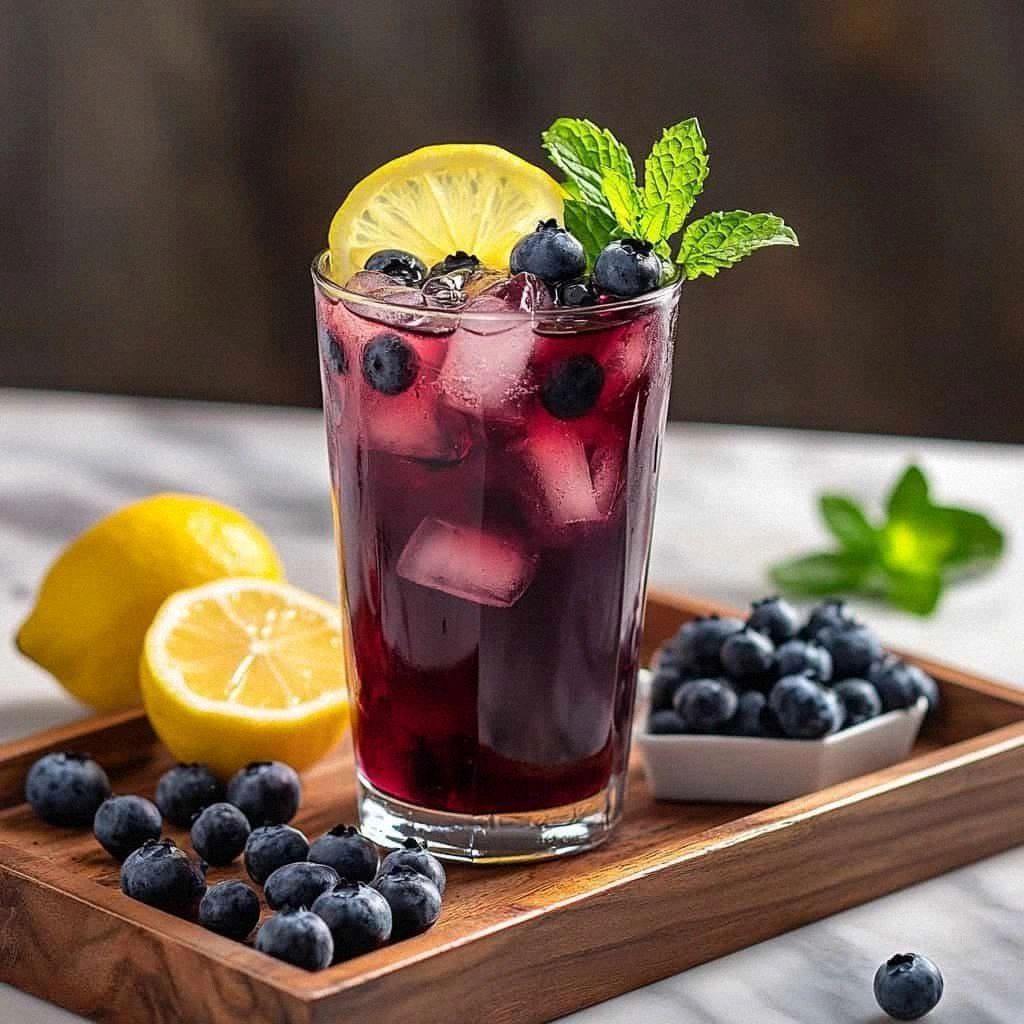
I burned my tongue on a scorching cup of store-bought "blueberry tea" three years ago and swore off the stuff forever. The neon liquid tasted like melted lollipop mixed with regret, and the afterburn on my taste buds lasted longer than my last relationship. Fast-forward to last winter: I'm staring at a snow-dusted farmers' market table piled with midnight-blue berries so fragrant they practically hum, and the vendor dares me to turn them into tea that doesn't taste like Kool-Aid's sad cousin. Challenge accepted. What followed was three months of obsessive tinkering, a few smoky kitchen mishaps, and one epiphany that involved a cinnamon stick and a very patient neighbor who became my unofficial taste-tester. The result? A velvety, garnet-hued brew that smells like blueberry pie cooling on a windowsill and tastes like someone bottled late-July sunshine. I served it at a book-club gathering and watched grown adults fight over the last drops like it was the final bottle of water in a desert. One friend actually hid the thermos behind her purse and tried to sneak out with it. I let her get to the door before reclaiming my treasure. If you've ever written off blueberry tea as cloying, artificial, or just plain boring, prepare for your worldview to be upended. This version layers real fruit, gentle warming spices, and a whisper of citrus into a drink that's equally at home in a mason jar on the porch or in a delicate teacup at brunch. Picture yourself pulling this out of the oven, the whole kitchen smelling incredible, your phone buzzing with texts asking for the recipe before anyone's even taken a sip. Let me walk you through every single step — by the end, you'll wonder how you ever made it any other way.
What Makes This Version Stand Out
Depth: Most blueberry teas taste one-note, like someone waved a single berry over hot water. This brew simmers pounds of actual fruit, concentrating their flavor into something that tastes like blueberry pie filling decided to go liquid. You'll get top notes of bright acidity, mid-tones of jammy sweetness, and a bass line of warm spice that lingers like the last chord of your favorite song.
Balance: Too many recipes drown the fruit in sugar, creating a drink that belongs in a soda fountain, not a teacup. Here, a modest quarter-cup of sugar amplifies the berries' natural sweetness without bulldozing their personality. A squeeze of lemon at the end snaps everything into focus, like adjusting the focus ring on a camera.
Flexibility: Serve it steaming on a frosty morning, iced poolside in July, or reduce it into a syrup that turns sparkling water into a mocktail that rivals any craft cocktail. I've even whisked the concentrate into buttercream and filled a birthday cake that disappeared faster than free samples at Costco.
Aroma Therapy: While it steeps, your house will smell like you've been baking pies all day. Neighbors will invent reasons to drop by. One friend claimed the scent cured her writer's block; another swears it lured her teenager out of his room for the first time in weeks.
Zero Waste: After straining, the spent berries make a killer topping for yogurt or ice cream. Toss them into oatmeal, fold them into muffin batter, or eat them straight off the spoon while standing over the sink like a civilized human.
Make-Ahead Magic: Brew a concentrate on Sunday, park it in the fridge, and you're thirty seconds away from a hot cup on Monday morning, an iced version for Wednesday's lunchbox, or a fancy spritzer for Friday's dinner party. It keeps for two weeks, though mine has never lasted past Tuesday.
Crowd Reaction: I served this at a baby shower and watched the guest of honor cry happy tears into her cup. At a tailgate, football fans traded beer for thermoses of this stuff. If you want to be the person who brings the thing everyone remembers, this is your ticket.
Alright, let's break down exactly what goes into this masterpiece...
Inside the Ingredient List
The Flavor Base
Fresh blueberries are the undisputed star here — plump, indigo orbs that burst between your teeth with a pop of summer. Frozen berries work in a pinch, but they carry more water and less perfume, so the flavor ends up flatter, like a joke told by someone who forgot the punchline. If fresh ones cost a ransom, buy two pints of fresh for aroma and supplement with frozen for bulk. Look for berries that still wear a silvery bloom; that's the natural wax that locks in flavor. Give the container a gentle shake; berries that rattle like marbles are past their prime and will taste like sour disappointment.
Water quality matters more than you'd think. If your tap water smells like a swimming pool, use filtered or spring water. Chlorine mutes delicate fruit notes the way fluorescent lights kill the mood in a romantic restaurant. Measure the six cups precisely — too much and you'll dilute the berry essence; too little and you'll end up with syrup so thick you could mortar bricks with it.
The Sweetness Squad
Granulated sugar dissolves cleanly and lets the berry flavor shine. Brown sugar adds caramel notes that can bully the fruit; honey brings floral undertones that clash like plaid and polka dots. Start with the quarter cup, taste after simmering, and whisper in more only if your berries were particularly tart. If you're sugar-free, substitute erythritol, but know it won't thicken the concentrate the same way; add a pinch of xanthan gum if you want that silky body.
Lemon juice is the secret handshake that makes blueberries taste more like themselves. Without it, the brew tastes sleepy, like fruit that's been napping on the counter. Add it off the heat so the volatile citrus oils don't evaporate. Roll the lemon on the counter before cutting to maximize juice, and use a microplane to harvest a whisper of zest if you want extra sparkle.
The Spice Cabinet
The cinnamon stick is optional but transformative — it adds a warm, woody backbone that makes the tea cozy without screaming "pumpkin spice latte." Break the stick in half to expose more surface area, but remove it after fifteen minutes or it will stage a coup and turn your tea into Red Hots water. Star anise is the wildcard; its subtle licorice note makes people ask, "What's that intriguing flavor?" without being able to place it. Skip it if you think licorice is the candy equivalent of soap.
The Final Flourish
Blueberry tea concentrate is your shortcut to instant gratification on busy mornings. If you don't have any, simmer an extra cup of berries with half a cup of water and a tablespoon of sugar until thick, then strain. Honey or maple syrup adds rounding sweetness at the end, but taste first — you might not need it. Garnish with a lemon wedge for brightness and a handful of fresh berries that bob like tiny balloons. Mint leaves bring garden freshness; ginger slices add a spicy kick that wakes up your sinuses and your afternoon.
Everything's prepped? Good. Let's get into the real action...
The Method — Step by Step
- Dump the blueberries into a heavy-bottomed pot — enamel-coated cast iron is my ride-or-die because it holds heat like a battery. Add the water, but resist the urge to crank the heat; we're coaxing flavor, not interrogating it. Set the burner to medium and listen for the quiet plink-plink of berries hitting the surface as you stir. That sizzle when it hits the pan? Absolute perfection. While it warms, rinse your lemon and set up a fine-mesh strainer over a heat-proof bowl; you'll thank yourself later when you're not hunting for a strainer while hot purple lava threatens to boil over.
- When the first tiny bubbles appear around the edges, stir in the sugar. Swirl the pot instead of stirring with a spoon — you'll crush fewer berries and keep the juice clear. The sugar will dissolve into silken threads that disappear like magic. Once it has vanished, drop in the cinnamon stick and star anise; they'll float like miniature rafts in a purple sea. Reduce heat to low and set a timer for twenty minutes; this is the sweet spot where fruit surrenders its essence without turning into bitter mush.
- Now the fun part: sniff the steam wafting up. It should smell like blueberry muffins just out of the oven. If you detect a sharp, almost tomato-like edge, your berries were underripe; add an extra teaspoon of sugar to round things out. Give the pot a gentle nudge every five minutes, but don't stir like you're mixing cement. Over-agitation bruises the fruit and clouds the liquid. After fifteen minutes, the berries will have burst into crimson balloons and the liquid will have thickened enough to coat the back of a spoon.
- Remove from heat and fish out the spices with a slotted spoon; the cinnamon will have unfurled like a tiny scroll, and the star anise will perfume your fingers for hours. Squeeze in the lemon juice and watch the color brighten from dusky purple to jewel-tone magenta. Let the mixture steep for ten minutes off heat — this is the flavor equivalent of letting a photograph develop. Meanwhile, warm your teacups or fill a pitcher with ice if you're going cold; temperature shock mutes delicate flavors faster than a librarian shushing a toddler.
- Place the strainer over your storage container and ladle the tea in batches. Resist pressing on the solids; that squeezes out bitter tannins. Instead, give the strainer a gentle shake like you're coaxing a shy cat out from under the bed. The first cup will drip slowly, then the flow will steady into a glossy ribbon. You'll end up with about five cups of concentrate that gleams like liquid rubies under the light.
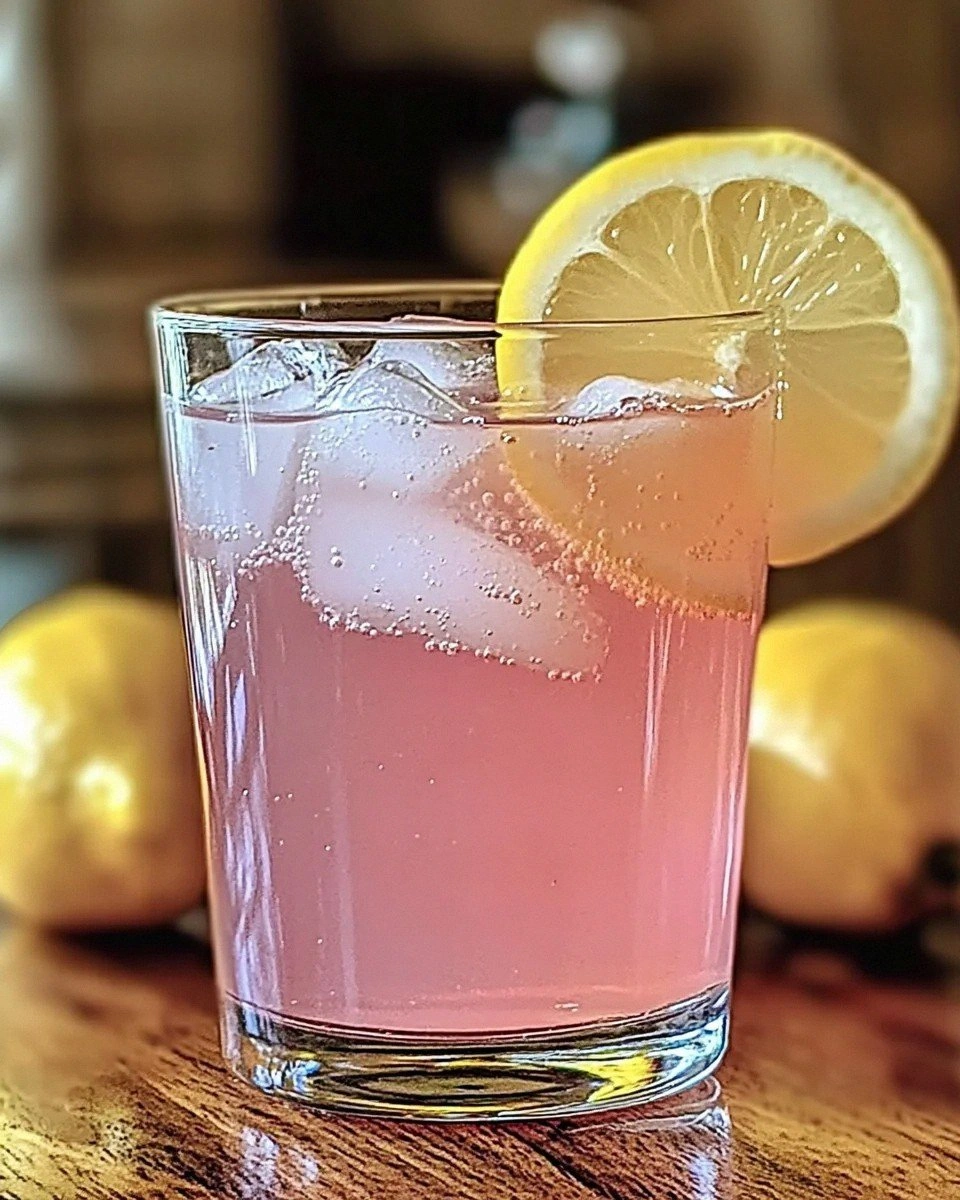
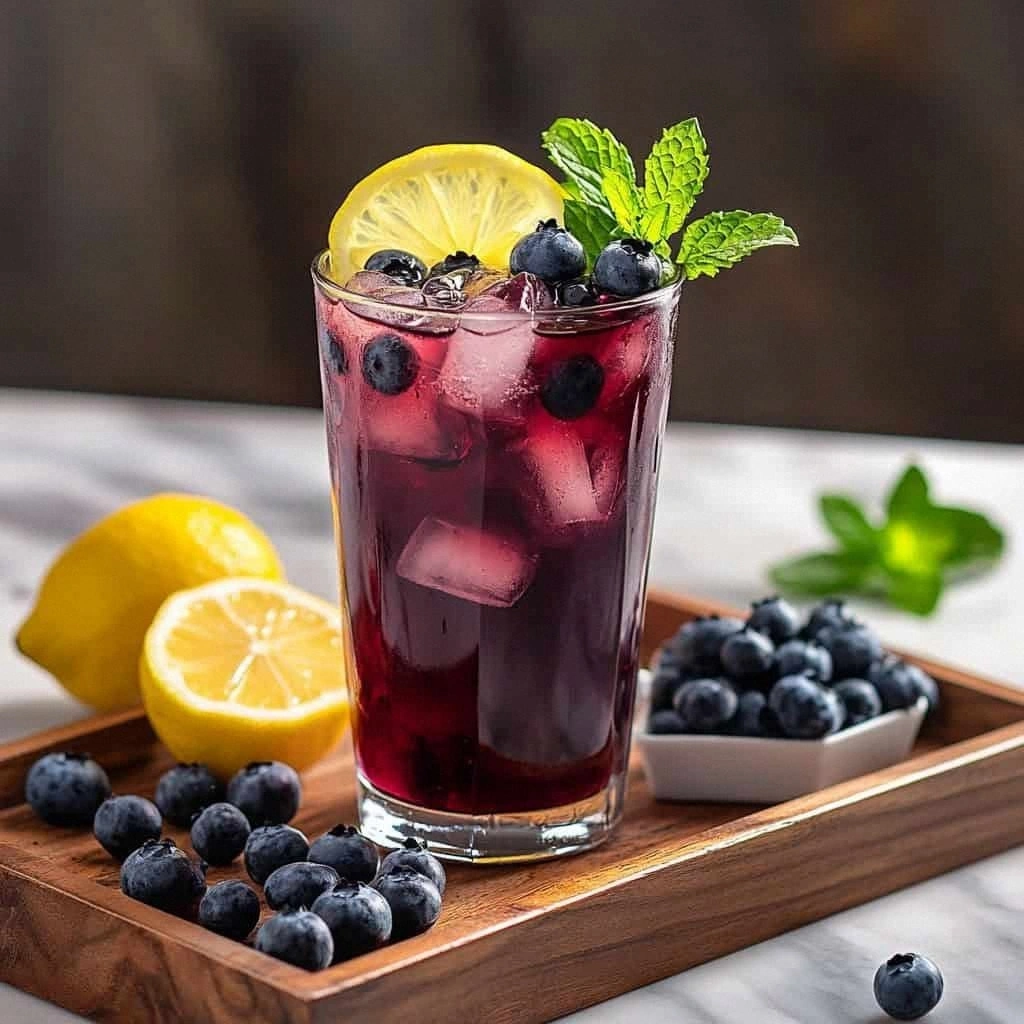
- To serve hot, measure a quarter cup of concentrate into a mug and top with three-quarters cup of just-boiled water. The ratio is forgiving; think of it as making hot cocoa from scratch. Stir in honey if you like, but taste first — the fruit may have provided all the sweetness you need. Garnish with a lemon wedge perched on the rim and three fresh blueberries that roll around the bottom like marbles in a fishbowl. The aroma that rises is so enticing you'll burn your tongue again, but this time you'll smile while doing it.
- For iced tea, combine the same ratio over ice and add a splash of sparkling water for effervescence. The ice cubes will crackle like a tiny fireplace as they surrender to the warm liquid. Slip in a mint leaf and watch it dance in the currents. On humid afternoons, I add a paper straw and pretend I'm on a porch somewhere south of Savannah, even if I'm actually at my desk in yoga pants answering emails.
- Leftover concentrate keeps in a mason jar in the fridge for two weeks, though mine disappears faster than cookies at a PTA meeting. For longer storage, freeze it in half-cup portions; silicone muffin trays make perfect pucks that thaw in minutes on the counter. Label the bag or you'll play mysterious purple roulette in six months. Pro tip: hide a jar behind the pickles if you want any chance of finding it later — teenagers have blueberry-tea radar.
That's it — you did it. But hold on, I've got a few more tricks that'll take this to another level...
Insider Tricks for Flawless Results
The Temperature Rule Nobody Follows
Most people blast the berries with high heat, thinking speed equals flavor. Wrong. Blueberries are delicate little drama queens that bruise easily and turn bitter when bullied. Keep the liquid below a lazy simmer — you should see tiny bubbles rising like champagne, not a rolling boil that looks like jacuzzi jets. If you're nervous, clip a candy thermometer to the pot and aim for 185°F; it's the sweet spot where pectin breaks down and releases juice without stewing the fruit into submission.
Why Your Nose Knows Best
Smell is your built-in quality control. At the ten-minute mark, lean over the pot and inhale. You should get blueberry first, then a hint of lemon, then the warm hug of cinnamon. If all you smell is sugar, you added too much; if you detect a metallic edge, your pot is reactive — switch to stainless steel or enamel. I once ignored a faint canned-corn aroma and ended up with tea that tasted like a summer camp cafeteria. Trust your snout; it went to culinary school while you were still burning microwave popcorn.
The 5-Minute Rest That Changes Everything
After straining, let the concentrate rest uncovered until it reaches room temperature. During this pause, flavors meld and sharp edges round off like stones in a river. Covering it while hot traps steam that condenses and drips back in, diluting your hard-won intensity. If you're in a rush, set the bowl in a shallow ice bath and stir gently; you'll shave the wait to about eight minutes without shocking the liquid into cloudiness. Patience here is the difference between good tea and the stuff that makes people close their eyes and sigh.
The Garnish Game-Changer
Skip the sad, sunken berries that bob like deflated balloons. Instead, freeze fresh blueberries and use them as ice cubes that won't water down your drink. They'll bob cheerfully, release color in slow-motion streaks, and you can eat them at the end like little booze-free bombs of flavor. For extra flair, run a strip of lemon zest around the rim of the glass first; the oils add aroma before the liquid even touches your lips.
Creative Twists and Variations
This recipe is a playground. Here are some of my favorite ways to switch things up:
Southern Belle Version
Substitute the cinnamon stick with a split vanilla bean and swap the lemon juice for a tablespoon of bourbon (add it off the heat so the alcohol doesn't evaporate). The result tastes like blueberry cobbler served on a porch swing. Serve over crushed ice with a sprig of mint the size of a bouquet.
Spicy Sunset Blend
Add three thin slices of fresh ginger and a tiny pinch of cayenne to the pot. The ginger burns off some of its harshness during simmering, leaving behind a warm hum that pairs beautifully with the fruit. The cayenne blooms in the background like a distant firework — you'll feel it more than taste it. This version is killer when you feel a cold coming on.
Herbal Garden Party
Replace the star anise with two sprigs of fresh thyme and add a handful of basil leaves in the last five minutes of simmering. Strain out the herbs with the spices. The tea tastes like you bottled a summer garden — green, floral, and slightly savory. Serve in stemmed glasses with a cucumber ribbon curled inside.
Smoky Mountain Brew
Swap the white sugar for maple syrup and add a pinch of smoked salt. The maple deepens the earthy notes while the smoked salt gives a campfire whisper that makes people ask if you used liquid smoke (you didn't). Garnish with a tiny strip of crispy bacon if you're feeling rebellious.
Tropical Twilight
Stir in a quarter cup of pineapple juice and a splash of coconut milk after straining. The acidity of the pineapple brightens the blueberry, and the coconut adds a creamy mouthfeel that turns the tea into a dairy-free dream. Serve over ice with a paper umbrella and pretend you're on a beach somewhere that Wi-Fi can't find you.
Zero-Proof Cocktail
Reduce the concentrate by half until it's syrupy, then mix one ounce with sparkling water and a squeeze of lime. Serve in a coupe glass with a sugared rim and a twist of lemon peel. It looks and feels like a craft cocktail, but you can drive home afterward without invoking a ride-share.
Storing and Bringing It Back to Life
Fridge Storage
Pour the cooled concentrate into a glass bottle with a tight lid — mason jars work, but repurposed swing-top bottles feel fancy and keep fridge odors out. Store it on a middle shelf where the temperature is most stable, not in the door where every opening sends in a wave of warm air. It will keep for two weeks, though the color may dull slightly after ten days. If you see any fuzzy floaters, it's compost time; otherwise, a quick shake reunites any settled pigment.
Freezer Friendly
Freeze in silicone muffin trays for perfect half-cup pucks that pop out like ice cubes. Once solid, transfer the pucks to a zip-top bag, press out excess air, and label with the date. They'll keep for six months, but good luck making them last that long. Thaw overnight in the fridge or float a puck in a mug of hot water and stir until melted. For instant iced tea, blend a frozen puck with cold water and ice in a shaker — it chills and dilutes in one motion.
Best Reheating Method
For hot tea, combine concentrate and water in a small saucepan and warm gently over medium-low heat until steam wisps appear. Microwaving works in a pinch, but heat in thirty-second bursts and stir between each to prevent hot spots that can scorch the sugars. Add a tiny splash of water before reheating — it steams back to perfection and restores the silky mouthfeel that can tighten in the fridge. Never boil the reconstituted tea; you'll cook the fresh lemon juice and turn it bitter faster than a bad breakup.