Picture this: I’m standing in my kitchen, a bag of fresh blueberries in one hand, a stack of ladyfingers in the other, and a stubborn espresso machine that refuses to cooperate. The room smells like coffee and ripe fruit, but the disaster that had me in a panic was a classic tiramisu gone soggy, a dessert that tasted like a wet sponge. I was determined to rewrite the recipe, turning that soggy mess into a layered masterpiece that sings with texture and flavor. The moment the blueberries burst into a sweet, tart jam as they mingle with mascarpone, your senses are instantly transported to a sunny orchard on a bright afternoon. I dare you to taste this and not go back for seconds.
When I first tried this version, the kitchen was a whirlwind of aromas—espresso brewing, blueberries releasing their juice, and the faint scent of vanilla drifting through the air. The sound of the spoon stirring the mascarpone mixture was like a gentle lullaby, and the feel of the creamy filling sliding between the layers felt like velvet against the palate. I couldn’t help but notice how the bright blueberries contrasted with the dark espresso, creating a visual and flavor palette that was both nostalgic and fresh. It’s not just a dessert; it’s an experience that feels like a hug from the inside out. I’ll be honest—after the first bite, I almost forgot the rest of the world.
What sets this recipe apart is the careful balance of ingredients and the precise method that keeps the ladyfingers crisp yet moist enough to hold the luscious filling. The use of a splash of rum adds a subtle warmth that elevates the espresso’s depth, while a pinch of lemon zest brightens the entire dish. I’ve refined this recipe to avoid the dreaded soggy texture that plagues many tiramisu attempts, using a light brushing of butter on the ladyfingers before soaking them in the coffee mixture. The result is a dessert that feels airy and dense at the same time, like a cloud that’s been pressed into a firm shape. Picture yourself pulling this out of the fridge, the whole kitchen smelling incredible, and your guests’ eyes widening in anticipation.
So if you’ve ever struggled to make a tiramisu that doesn’t feel like a soggy pancake, this is the solution you’ve been waiting for. Let me walk you through every single step—by the end, you’ll wonder how you ever made it any other way. The secret lies in the layers, the timing, and a few tricks that I’ve learned from both triumphs and kitchen catastrophes. This is hands down the best version you'll ever make at home, and I’m excited to share every detail with you. Get ready to create a dessert that will become the highlight of every gathering.
What Makes This Version Stand Out
- Texture: The ladyfingers are lightly buttered before soaking, creating a crisp exterior that remains airy inside, preventing the classic sogginess that plagues many tiramisu attempts.
- Flavor Depth: A splash of dark rum in the coffee soak adds a subtle warmth that complements the espresso’s bitterness and the blueberries’ tartness.
- Freshness: Fresh blueberries are folded into the mascarpone mixture, delivering bursts of juiciness that contrast beautifully with the creamy base.
- Balance: A touch of lemon zest brightens the dessert, cutting through the richness of mascarpone and creating a harmonious taste profile.
- Make‑ahead Potential: This tiramisu can be assembled a day ahead without losing its structure, making it perfect for parties and last‑minute celebrations.
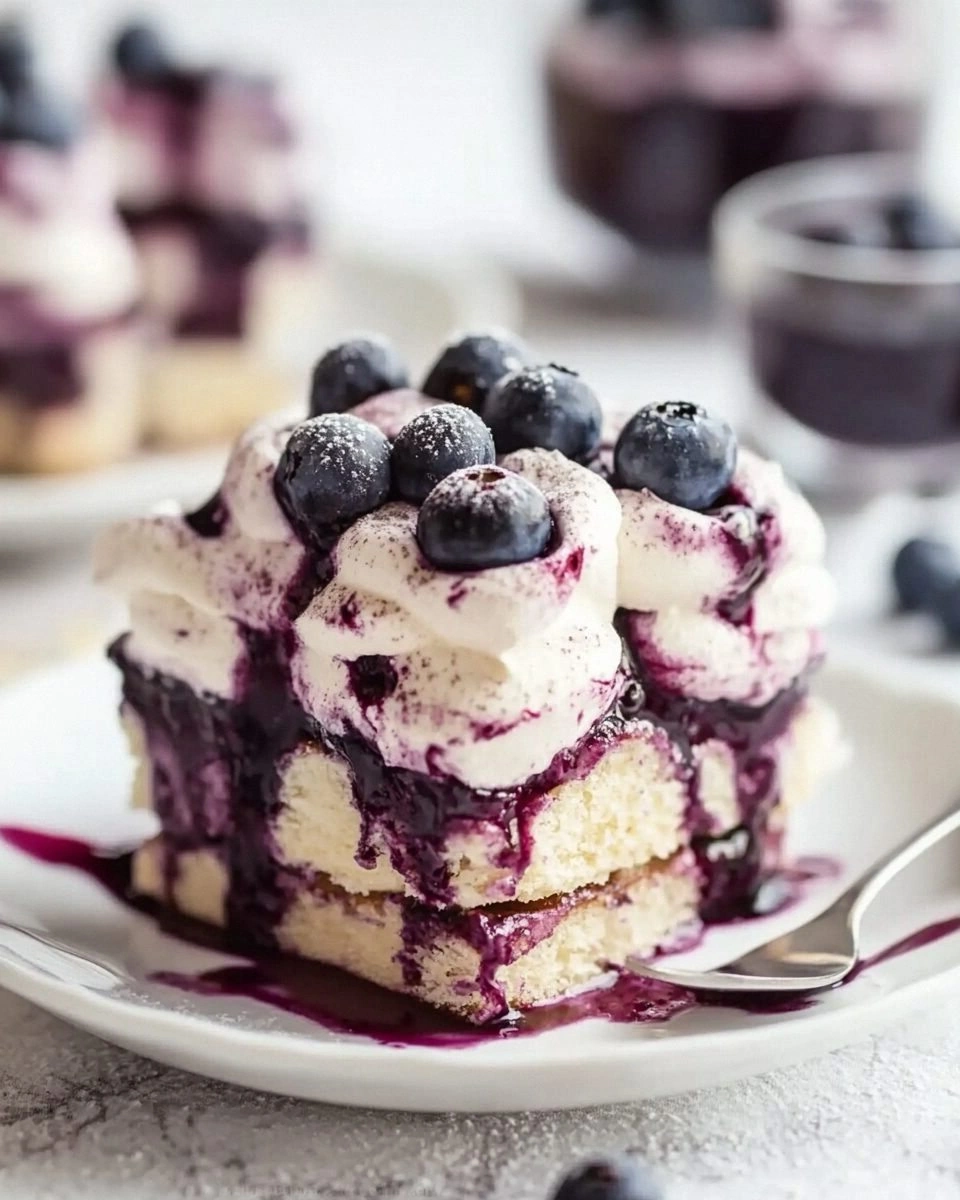
- Visual Appeal: Dusting the top with cocoa powder and layering thinly sliced blueberries creates an elegant, Instagram‑ready presentation.
- Ingredient Quality: Using high‑quality mascarpone and fresh, locally sourced blueberries ensures a superior flavor that can’t be replicated with generic store brands.
- Ease of Preparation: Each step is straightforward, with clear timing cues that even novice bakers can follow without feeling overwhelmed.
Alright, let's break down exactly what goes into this masterpiece...
Inside the Ingredient List
The Flavor Base
At the heart of this tiramisu is the espresso and rum soak, a duo that infuses the ladyfingers with depth and aroma. The espresso should be strong and freshly brewed; a weak brew will leave the dessert tasting like watered‑down coffee. The rum adds a subtle caramel note that balances the bitterness of the espresso, but you can omit it for a lighter version. If you prefer a non‑alcoholic option, replace the rum with a splash of vanilla‑infused simple syrup.
The mascarpone layer is what gives the dessert its signature richness. It’s essential to whisk the mascarpone until it’s silky smooth, then fold in the sugar and vanilla to create a glossy, airy filling. The sugar not only sweetens but also helps stabilize the mascarpone, preventing it from separating during chilling. For a lighter twist, you can substitute part of the mascarpone with Greek yogurt, though the texture will slightly differ.
The cocoa powder dusting is more than just a garnish; it adds a hint of bitterness that complements the sweet berries and coffee. Use a fine sift to ensure an even coating without clumps. The lemon zest is a subtle secret that brightens the entire dish, cutting through the richness with a citrusy punch. A fresh zest will deliver the best aroma compared to dried or powdered zest.
The blueberries are the star of the show. Fresh, ripe blueberries provide a natural sweet‑tart flavor that contrasts beautifully with the creamy base. If you can’t find fresh berries, frozen blueberries work well—just thaw them and drain excess juice. The blueberries should be gently folded into the mascarpone mixture to avoid crushing them, preserving their bite and color.
The butter used to brush the ladyfingers is a subtle trick that creates a barrier, preventing the ladyfingers from becoming soggy while still absorbing the espresso. A light coat of butter will keep them crisp and give them a slightly golden hue when baked. If you prefer a vegan version, a quick spray of coconut oil works just as well.
Everything's prepped? Good. Let's get into the real action...
The Method — Step by Step
- Start by brewing a strong cup of espresso—about 1 cup—and let it cool to room temperature. While it cools, whisk the mascarpone with 3/4 cup of sugar until it reaches a glossy, airy consistency. The key here is to avoid overmixing, which can cause the mascarpone to split. Once the espresso has cooled, stir in 2 tablespoons of dark rum and a pinch of salt to balance the flavors. This mixture should have a deep, inviting aroma that hints at the dessert’s complexity.
- Lightly brush each ladyfinger with melted butter, then dip them briefly into the espresso–rum mixture—just a few seconds to coat. The butter creates a protective layer that keeps the ladyfingers crisp while allowing them to absorb the coffee flavors. Arrange a layer of these soaked ladyfingers at the bottom of your serving dish, ensuring they fit snugly without overlapping too much. This first layer sets the foundation for the layers to come. If you’re using a glass dish, the layers will be visible, adding to the visual appeal.
- Spread half of the mascarpone mixture over the ladyfingers, smoothing it with a spatula to create an even surface. Gently fold in 1 cup of fresh blueberries, taking care not to crush them. The blueberries should be evenly distributed, giving each bite a burst of color and flavor. Dust the top with a thin layer of cocoa powder, using a fine sieve to avoid clumps. This cocoa dusting not only adds a hint of bitterness but also enhances the dessert’s elegant look.
- Repeat the layering process: place another layer of soaked ladyfingers, top with the remaining mascarpone mixture, fold in the remaining blueberries, and dust with cocoa powder. Make sure each layer is smooth and even; this will give the tiramisu a professional finish. At this point, the dessert should look like a perfectly stacked tower of creamy, berry‑laden layers. The aroma will be intoxicating, with hints of coffee, vanilla, and citrus. This is the moment of truth—if you’re feeling adventurous, you can add a few drops of lemon zest on top for an extra zing.
- Cover the dish with plastic wrap and refrigerate for at least 4 hours, preferably overnight. The chilling process allows the flavors to meld and the ladyfingers to soften just enough to become tender without turning mushy. If you’re short on time, a 2‑hour chill will still yield a delightful result, though the texture will be slightly firmer. Keep the dessert covered to prevent it from absorbing odors from the fridge. When you’re ready to serve, give it a final dusting of cocoa powder for a polished look.
- Before serving, check the texture of the ladyfingers: they should feel firm yet slightly give when pressed. If they’re too soft, chill the dessert for an additional 30 minutes. If they’re still too firm, a quick 10‑second dip in a warm espresso bath can soften them. This step ensures that each bite delivers the perfect combination of creamy and crunchy. A well‑balanced texture is the hallmark of a great tiramisu.
- Slice the tiramisu into individual servings with a sharp knife, wiping the blade between cuts for clean slices. Serve immediately, or keep refrigerated until ready to serve. A quick chill before serving will keep the dessert firm and easy to slice. If you’re planning a gathering, consider pre‑cutting the slices and placing them on a platter for an impressive presentation. Enjoy the compliments that follow!
That's it — you did it. But hold on, I've got a few more tricks that'll take this to another level, ensuring every bite is a revelation.
Insider Tricks for Flawless Results
The Temperature Rule Nobody Follows
Temperature control is the secret sauce for a perfect tiramisu. Always let the espresso cool to room temperature before adding it to the mascarpone; a hot espresso will cause the mascarpone to curdle. Likewise, keep the mascarpone mixture at room temperature before folding in the blueberries to preserve its airy texture. If the mixture is too cold, it will be thick and difficult to spread evenly. A quick test is to touch the mixture with your finger; it should feel smooth and slightly pliable.
Why Your Nose Knows Best
Your nose can be a reliable gauge of readiness. When the espresso is cooled, you’ll notice a deep, roasted aroma that signals it’s ready for the next step. Similarly, when the mascarpone mixture is perfectly whipped, it will emit a mild, sweet scent. If you detect a sour or off smell, the mixture may have started to separate, and it’s best to start over. Trusting your senses ensures a consistently high‑quality dessert.
The 5-Minute Rest That Changes Everything
After assembling the layers, let the tiramisu rest for 5 minutes before refrigerating. This brief pause allows the layers to settle, preventing the top from sliding off during chilling. It also gives the cocoa dusting a chance to set, creating a crisp finish. Skipping this step can lead to a slightly uneven top layer, which may look unprofessional. This small habit saves you from a potential presentation mishap.
Keep It Covered, Keep It Fresh
Covering the tiramisu with plastic wrap while it chills is essential to keep it from drying out and absorbing odors from the fridge. A tight seal also prevents condensation from forming on the top, which could make the cocoa powder soggy. If you’re storing the dessert for more than 24 hours, consider transferring it to an airtight container for extra freshness. This extra step ensures the dessert remains moist and flavorful for days.
The Final Dusting
Just before serving, dust the top with a generous sprinkle of cocoa powder. This final touch not only adds a subtle bitterness but also creates a subtle contrast with the bright blueberries. Use a fine sieve to avoid clumps, and apply the dusting evenly to maintain a polished look. If you prefer a sweeter finish, you can replace cocoa with a light dusting of powdered sugar for a glossy, sweet finish. This finishing flourish turns a good tiramisu into a showstopper.
Creative Twists and Variations
Berry Fusion
Swap the blueberries for a mix of raspberries, strawberries, and blackberries for a more complex berry profile. The different textures and flavors will create a layered taste experience, with each bite offering a new burst of fruit. This variation is perfect for summer gatherings and pairs beautifully with a chilled glass of white wine. The key is to keep the berries fresh and avoid over‑mashing them into the mascarpone. The result is a vibrant, colorful dessert that’s sure to impress.
Chocolate‑Infused Delight
Add a tablespoon of melted dark chocolate to the mascarpone mixture for a richer, deeper flavor. The chocolate will complement the espresso and enhance the overall decadence of the tiramisu. Dust the top with a mixture of cocoa powder and crushed chocolate chips for added texture. This version is ideal for chocolate lovers who want a more indulgent treat. The chocolate layer will melt slightly when you bite into it, creating a silky sensation.
Citrus Zest Surprise
Incorporate orange zest instead of lemon zest for a sweeter citrus note that pairs well with the berries. The orange aroma will lift the dessert and add a subtle brightness. Keep the zest finely grated to avoid large pieces that could overpower the texture. This citrus twist is especially refreshing during the warmer months and works well with a sparkling rosé. The final product will have a bright, uplifting flavor profile.
Vegan Version
Use coconut cream in place of mascarpone and coconut milk instead of heavy cream. Replace the butter with a light coconut oil spray to brush the ladyfingers. The result is a creamy, dairy‑free tiramisu that still delivers on texture and flavor. Sweeten with maple syrup or agave nectar to keep the dessert vegan. This version is perfect for plant‑based diners and still retains that iconic tiramisu feel.
Nutty Crunch
Add a layer of toasted almond slivers between the mascarpone layers for a delightful crunch. The nutty flavor will contrast nicely with the sweet berries and espresso. Toast the almonds in a dry skillet until golden and fragrant. Sprinkle them evenly to avoid overwhelming the delicate layers. This addition adds a new dimension of texture and flavor, making the dessert even more memorable.
Storing and Bringing It Back to Life
Fridge Storage
Store the tiramisu in an airtight container or tightly covered with plastic wrap. Keep it refrigerated for up to 3 days; the flavors will continue to meld and deepen. Avoid placing it near strong‑smelling foods, as the dessert can absorb odors. When ready to serve, let it sit at room temperature for 10 minutes to soften slightly. This short rest will make slicing easier and enhance the overall eating experience.
Freezer Friendly
For longer storage, freeze the tiramisu in a freezer‑safe container for up to 2 weeks. Thaw it overnight in the fridge before serving. After thawing, give it a gentle dusting of cocoa powder to refresh the appearance. The texture may be slightly firmer after freezing, so let it sit at room temperature for a few minutes before slicing. Freezing preserves the dessert’s freshness and allows you to enjoy it later without compromising quality.
Best Reheating Method
Reheating is generally not recommended for tiramisu, as it can alter the texture. However, if you must warm it slightly, place the dessert in a warm oven (around 120°C) for 5 minutes. Add a splash of water to the bottom of the dish to create steam and keep the layers moist. This gentle heat will revive the flavors without compromising the structure. Alternatively, serve at room temperature for the best experience.