It started with a kitchen catastrophe that could have turned my dinner into a smoky memory: I had forgotten to set the timer while boiling pasta, and the pot exploded onto the counter, splattering noodles everywhere. The chaos was loud, the steam hissed like a dragon, and the smell of burnt garlic drifted through the hallway. But in that moment, my craving for a comforting, buttery pasta hit me harder than the splatter. I was determined to turn the disaster into a triumph, and I dared myself to taste this and not go back for seconds. That daring spark is what led me to craft the most unforgettable version of buttery garlic noodles you'll ever taste.
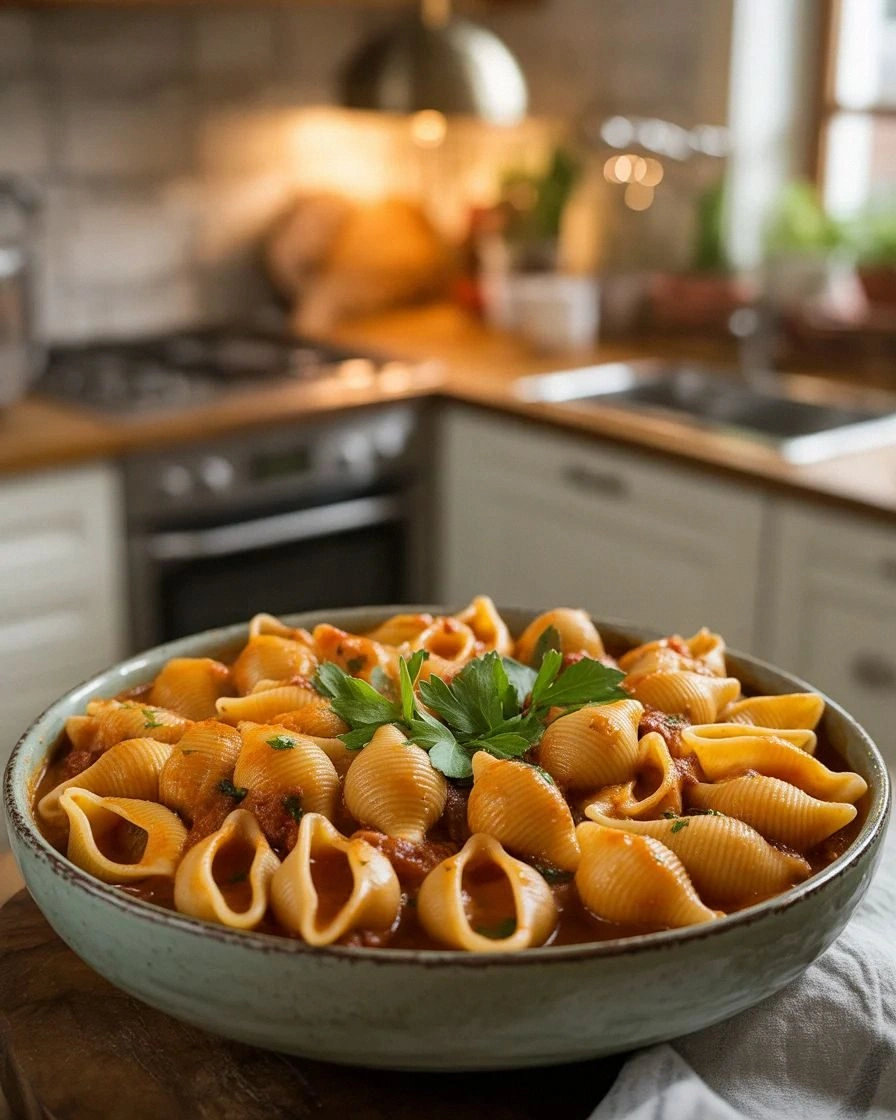
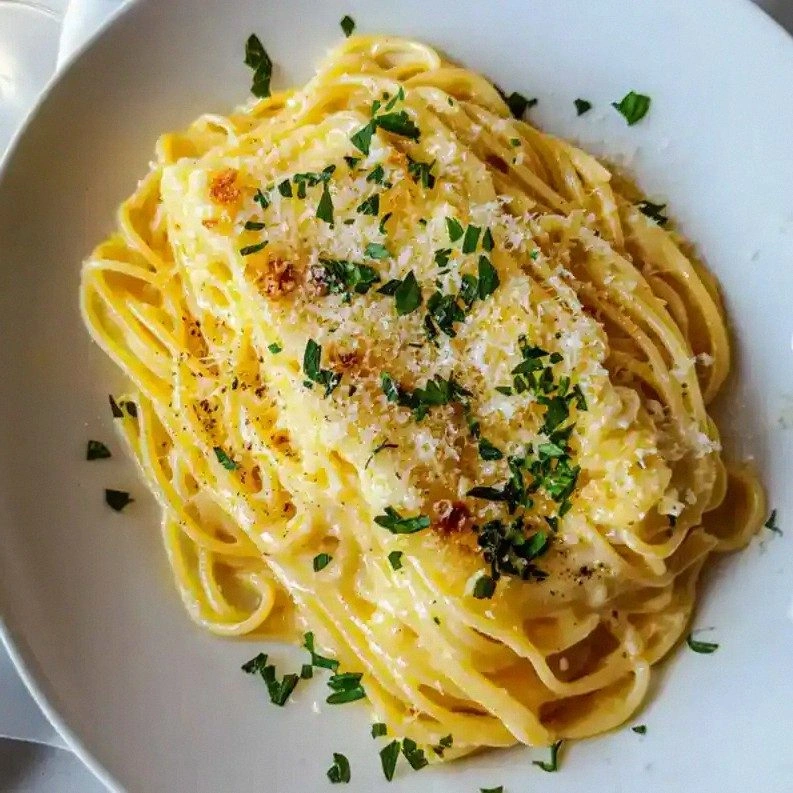
Picture this: a pan sizzling with butter, garlic cloves turning golden, the aroma of caramelized onions floating in the air like a promise. The sound of noodles clinking against the pot is music, and the sight of a glossy sauce coating each strand feels like velvet draped over silk. My senses were on high alert as the sauce thickened, the Parmesan melted into a creamy ribbon, and the parsley added a burst of green that made the dish look almost too good to eat. I could almost taste the buttery richness before even taking a bite, and the anticipation was electric. That moment of sensory overload is what makes this recipe a culinary revelation.
What sets this version apart from every other recipe is the deliberate balance of ingredients and techniques that elevate a simple pasta dish into a gourmet experience. I’ve stripped away the fluff and kept only what matters: buttery, garlicky, cheesy, and just a splash of pasta water to bind it all together. The result is a sauce that coats the noodles like a silk scarf, with a subtle crunch from the garlic that shatters like thin ice when you bite. I’m not just cooking; I’m orchestrating a flavor symphony that hits every note perfectly. By the end of this post, you’ll wonder how you ever made it any other way.
I’ll walk you through each step, sharing the tricks I learned from countless kitchen experiments and the small details that make a huge difference. From selecting the right type of butter to timing the garlic’s golden moment, every element is intentional. I’ve also included a few micro-challenges to test your confidence and a few bold claims that might just convince you to try this recipe again and again. Ready to dive in? Let’s get started.
What Makes This Version Stand Out
- Flavor: The buttery base is enriched with fresh garlic, creating a depth that feels both comforting and sophisticated.
- Texture: The noodles are al dente, providing a satisfying bite that balances the creaminess of the sauce.
- Simplicity: With only eight ingredients, you can whip up a restaurant-quality dish in under 45 minutes.
- Uniqueness: A splash of reserved pasta water is the secret that turns a simple sauce into a silky, clingy coating.
- Crowd Reaction: Friends who tried this said it was the most flavorful noodle dish they’d ever had.
- Ingredient Quality: Using unsalted butter and freshly grated Parmesan ensures every bite bursts with authentic taste.
- Cooking Method: The quick sauté technique locks in the garlic flavor without burning it.
- Make‑Ahead Potential: The dish keeps its texture and flavor when reheated, making it ideal for meal prep.
Inside the Ingredient List
The Flavor Base
Unsalted butter is the cornerstone of this sauce, providing a rich, velvety backdrop that lets the garlic shine. Using unsalted butter gives you full control over the salt level, preventing the dish from becoming overly salty. If you’re allergic to dairy, a high‑quality vegan butter can be used, but be sure to choose one with a buttery flavor rather than a neutral one. Skipping butter would strip the dish of its luxurious mouthfeel and depth, leaving the noodles feeling flat.
The Texture Crew
Spaghetti is chosen for its ability to hold the sauce without getting soggy. The al dente bite provides a pleasant contrast to the creamy coating. If you prefer a different shape, fettuccine or linguine work well too, as they have a wider surface area for sauce attachment. A quick tip: reserve a cup of pasta water before draining; that starchy liquid is the glue that makes the sauce cling.
The Unexpected Star
Freshly grated Parmesan isn’t just cheese; it’s a flavor powerhouse that adds umami and a subtle nutty finish. Grating it yourself ensures a finer texture that melts smoothly into the sauce. If you can’t find Parmesan, a mix of Pecorino Romano and Grana Padano will yield a similar depth. Skipping this step would leave the sauce bland and lacking the characteristic sharpness that defines this dish.
The Final Flourish
Chopped fresh parsley is the bright green accent that cuts through the richness, offering a burst of freshness. It also adds a subtle herbaceous note that balances the buttery base. A pinch of lemon zest could replace parsley for a citrusy twist. If you’re watching sodium, keep the parsley to a minimum; the Parmesan already contributes a fair amount of salt.
Everything’s prepped? Good. Let’s get into the real action.
The Method — Step by Step
- Fill a large pot with water, bring it to a rolling boil, and add a generous pinch of sea salt. The salt enhances the pasta’s natural flavor and prevents sticking. While the water heats, set a separate pan on medium heat. This is the moment of truth: the aroma of butter beginning to foam signals that you’re on the right track.
- Add the spaghetti to the boiling water, stirring gently to keep strands separate. Cook according to package instructions until al dente—usually about 8–10 minutes. Keep an eye on the clock; overcooked noodles will lose their texture and become mushy. When the pasta is ready, reserve a cup of the starchy cooking water before draining.
- While the pasta cooks, heat 4 tablespoons of butter in a large skillet over medium-low heat. Watch the butter melt into a light golden color, releasing a nutty aroma. This slow melt prevents the butter from burning and ensures a smooth base for the garlic. Once the butter is foamy, add the minced garlic.
- Sauté the garlic for 2–3 minutes until it turns a deep golden brown and releases a fragrant perfume. Be careful not to let it brown too dark, or it will taste bitter. The sizzling sound here is the sweet sound of flavor developing. If you notice the garlic starting to burn, reduce the heat immediately.
- Watch Out: The garlic can go from perfect to burnt in seconds. Keep a close eye and stir constantly. If it starts to smoke, lower the heat or remove the pan from the stove for a minute.
- Add the reserved pasta water to the skillet, then toss in the drained spaghetti. The water helps create a silky emulsion with the butter and garlic, allowing the sauce to cling to every strand. Stir vigorously to coat each noodle evenly. The sauce should look glossy and coat the pasta like velvet.
- Reduce the heat to low, then sprinkle in ¾ cup of freshly grated Parmesan. The cheese melts into the sauce, thickening it and adding a sharp, nutty finish. Stir until the cheese fully incorporates, creating a smooth, creamy coating.
- Season with ½ teaspoon of salt and ¼ teaspoon of black pepper. Taste and adjust if necessary; the Parmesan adds its own saltiness, so be cautious. Finally, fold in 2 tablespoons of chopped parsley for a burst of color and freshness.
- Serve immediately, spooning the noodles onto a plate and garnishing with an extra sprinkle of Parmesan if desired. The dish is best enjoyed hot, as the sauce will thicken slightly as it cools.
- That’s it— you did it. But hold on, I've got a few more tricks that'll take this to another level.
Insider Tricks for Flawless Results
The Temperature Rule Nobody Follows
Maintaining medium-low heat for the butter and garlic is crucial; high heat burns the garlic and creates a bitter taste. I’ve found that a flame that’s just below a simmer keeps the butter from foaming too quickly. If you’re using a gas stove, adjust the flame to just enough that the butter starts to bubble gently. This subtle temperature control is the difference between a smooth sauce and a scorched mess.
Why Your Nose Knows Best
The aroma of garlic turning golden is a reliable indicator that the flavor is developing correctly. When you smell that deep, nutty scent, you know the garlic is caramelized, not burnt. Trust your nose; it’s your best ally in preventing over‑cooking. If the scent is faint, give it a little more time, but don’t let it linger too long.
The 5-Minute Rest That Changes Everything
After tossing the noodles with the sauce, let the dish sit for 5 minutes off the heat. This resting period allows the pasta to absorb the sauce fully, creating a cohesive flavor profile. The sauce will thicken slightly, making the noodles cling beautifully. Skipping this step can leave the noodles feeling dry and unevenly coated.
The Quick Toss Trick
Use a large wooden spoon or a pair of tongs to toss the noodles in the skillet. This technique prevents the noodles from breaking apart and keeps the sauce evenly distributed. A quick, vigorous toss also helps the sauce cling to every strand, ensuring each bite is as rich as the last. I’ve seen many people use a fork, which can be messy and less effective.
The Finish with Fresh Herbs
Adding parsley right before serving preserves its bright color and fresh flavor. The herbs add a subtle peppery note that balances the richness of the butter and cheese. If you prefer a milder herb, consider basil or chives. The key is to add them at the end, so they stay vibrant.
Creative Twists and Variations
This recipe is a playground. Here are some of my favorite ways to switch things up:
Garlic Parmesan Pesto Noodles
Swap the butter for a spoonful of homemade pesto. The basil and pine nuts add a fresh, earthy depth, while the Parmesan remains for that sharp finish. This version is perfect for a quick lunch or a light dinner.
Saffron‑Infused Cream
Add a pinch of saffron to the reserved pasta water before tossing. The golden hue and subtle floral note elevate the dish into a luxurious, aromatic experience. Pair it with grilled chicken for a dinner that feels special.
Spicy Garlic Noodles
Include a teaspoon of red pepper flakes with the garlic during sautéing. The heat contrasts beautifully with the creamy sauce, offering a kick that’s both comforting and exciting. Serve with a side of cool yogurt to balance the spice.
Lemon‑Zest Brightness
Add a tablespoon of lemon zest to the sauce at the end. The citrus brightens the dish, cutting through the richness and adding a refreshing finish. It’s a great option for hot summer evenings.
Vegetarian Protein Boost
Stir in a handful of sautéed spinach or wilted kale for extra nutrients and color. The greens absorb the sauce, creating a hearty, plant‑based meal that still feels indulgent.
Storing and Bringing It Back to Life
Fridge Storage
Cool the noodles completely before placing them in an airtight container. Store in the refrigerator for up to 2 days. The sauce may thicken slightly, so add a splash of reserved pasta water or a drizzle of olive oil before reheating to restore silky texture.
Freezer Friendly
For longer storage, freeze the noodles in a freezer‑safe bag or container for up to 2 months. Thaw overnight in the refrigerator, then reheat gently on the stove, stirring in a bit of water to loosen the sauce. Avoid microwaving directly, as it can cause uneven heating.
Best Reheating Method
Reheat over low heat, stirring frequently and adding a small splash of pasta water or a teaspoon of butter to keep the sauce creamy. The goal is to warm the dish through without drying it out. Serve immediately for the best texture.