I remember the night I tried to make pancakes for a brunch that turned into a kitchen disaster. The batter had thickened into a clumpy sludge, the griddle was a battlefield of burnt edges, and I was left with a plate of half‑cooked, flavorless circles that made me question every cooking decision I’d ever made. That night, I swore to myself I’d never again serve pancakes that felt like a failed experiment. So I set out to create a version that would make you reach for seconds without hesitation.
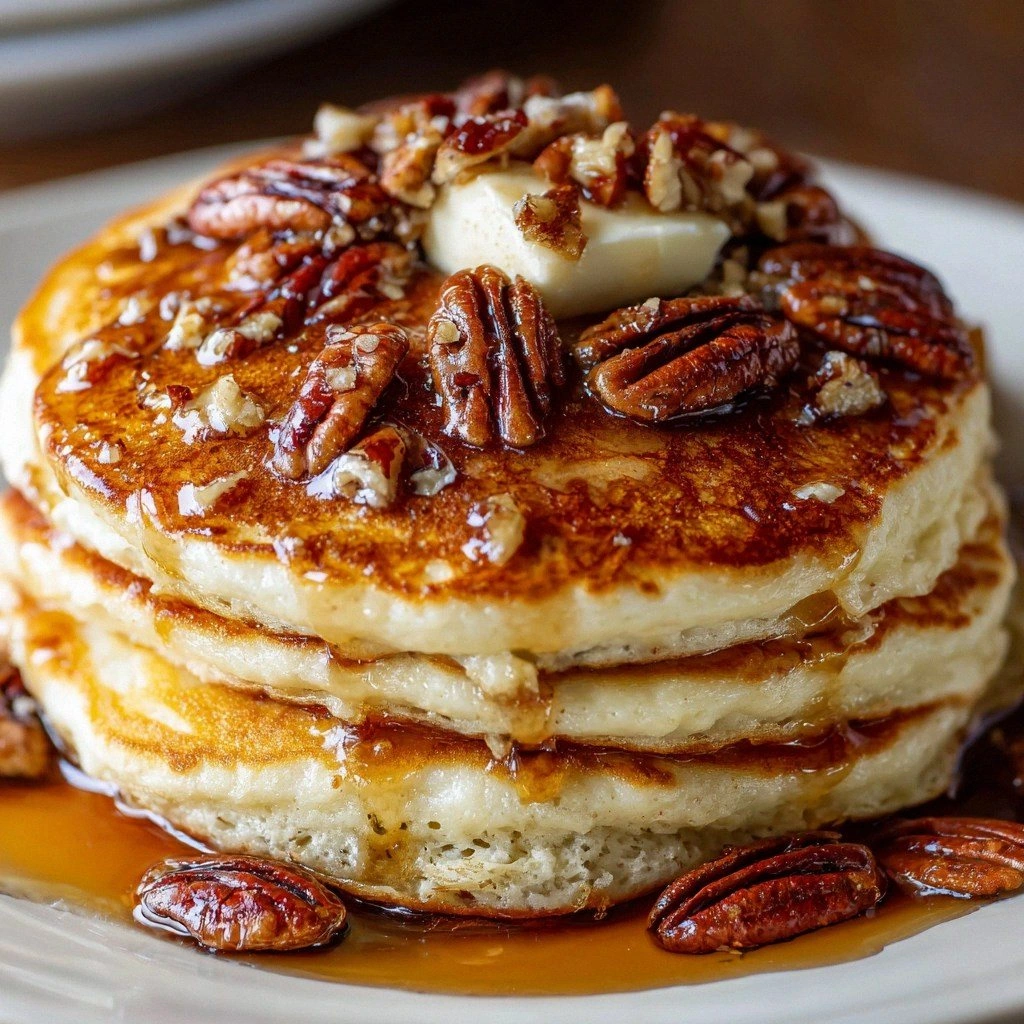
Imagine a plate that smells of toasted pecans and buttery vanilla, the first bite sending a warm, caramelized rush that settles in your palate like a hug. The batter, light as a cloud yet rich enough to linger, spreads into golden‑brown ribbons that crackle softly as they set. Every pancake is a small, fluffy canvas, each layer a soft, buttery puff that melts in your mouth. The texture feels like a velvety ribbon that folds into itself, leaving a satisfying, moist bite that feels like a secret handshake between breakfast and dessert.
What makes this recipe stand out is the meticulous balance of sweetness, crunch, and buttery richness. The pecans aren’t just a garnish; they’re a core element that adds a nutty depth and a satisfying crunch that contrasts the tender interior. The batter’s hydration is precise—enough to keep the pancakes tender but not so much that they become doughy. The finishing touch, a drizzle of homemade butter pecan sauce, ties the flavors together and elevates the dish to something that feels indulgent yet comforting.
I’m about to walk you through every single step, from the first whisk to the final plating. By the end of this guide, you’ll wonder how you ever made pancakes any other way. Get ready to taste the difference, because this is hands down the best version you’ll ever make at home.
What Makes This Version Stand Out
- Flavor: The combination of toasted pecans, a splash of vanilla, and a hint of cinnamon creates a flavor profile that feels both familiar and adventurous. The nutty sweetness is balanced by a subtle buttery undertone that keeps the dish from feeling heavy.
- Texture: The batter is light and airy, yet the pancakes hold their shape, giving each bite a satisfying chew that melts into a buttery softness. The pecans add a delightful crunch that breaks the smoothness just enough to keep the palate engaged.
- Simplicity: With only a handful of ingredients, this recipe is quick to assemble, making it a go-to for busy mornings or spontaneous brunches. No fancy equipment is required—just a skillet and a spoon.
- Uniqueness: Most pancake recipes focus on vanilla or blueberry; this one elevates the classic with a buttery pecan sauce that feels like a dessert in disguise. The sauce’s caramelized butter and pecan crunch make the pancakes feel special.
- Crowd Reaction: I’ve hosted several gatherings where this dish stole the show. Guests keep asking for the recipe, and many claim they’ve never tasted anything that could compete with this.
- Ingredient Quality: By choosing high‑quality butter, fresh pecans, and a good vanilla extract, the final dish becomes a showcase of flavor. The difference between average and extraordinary is often the quality of the base ingredients.
- Cooking Method: The use of a low‑heat, slow‑cook technique ensures even cooking and prevents the outside from burning before the inside sets. This method also helps develop that golden crust without overcooking.
- Make‑ahead Potential: The batter can be prepared up to 24 hours ahead, letting the flavors meld and the batter thicken slightly. This convenience is a major advantage for those who love to pre‑plan meals.
Alright, let's break down exactly what goes into this masterpiece...
Inside the Ingredient List
The Flavor Base
All-purpose flour is the backbone of the batter, providing structure without heaviness. It’s the canvas that holds the flavors of vanilla, sugar, and butter together. If you prefer a lighter texture, you can substitute half the flour with whole wheat or oat flour, but keep the total volume the same to avoid a dense outcome. Choosing a flour with a low protein content ensures the pancakes stay tender.
Baking powder and baking soda are the leavening agents that give the pancakes their airy rise. Baking powder works on its own, while baking soda reacts with the acidic components (like buttermilk or yogurt, if you choose to swap them). If you’re using plain milk, the baking soda helps neutralize the slight acidity of the milk, keeping the batter from becoming too dense.
Salt is a subtle flavor enhancer that balances the sweetness. A pinch of salt can bring out the nutty notes of the pecans and prevent the batter from tasting flat. If you’re watching sodium, you can reduce the amount slightly, but don’t skip it entirely—taste is the key.
The Texture Crew
Eggs are the glue that binds everything together. They add richness and help the batter set properly. Using a room‑temperature egg means the batter will mix more evenly, and the pancakes will rise higher. If you’re vegan, a flaxseed egg or a commercial egg replacer can work, but the texture will differ slightly.
Milk (or a dairy alternative) hydrates the dry ingredients and creates a smooth batter. Whole milk provides a richer taste, but skim milk will keep the pancakes lighter. If you prefer a dairy‑free version, oat milk or almond milk works well, but adjust the consistency by adding a tablespoon of flour or cornstarch if it feels too thin.
Butter, melted and slightly cooled, adds depth and a silky mouthfeel. It coats the batter, preventing sticking and giving each pancake a golden crust. The butter’s saltiness also complements the pecans. If you want a more pronounced buttery flavor, use clarified butter or ghee.
The Unexpected Star
Pecans are the star of this dish, providing crunch, nuttiness, and a subtle sweetness that pairs beautifully with the butter. Toast them lightly in a dry skillet until fragrant, then let them cool before mixing them into the batter. Toasting caramelizes the sugars on the nuts, amplifying their flavor. If you’re allergic to tree nuts, you can substitute with toasted almonds or walnuts for a similar effect.
Brown sugar, optional but highly recommended, adds a molasses depth that enhances the caramelized butter sauce. It also gives the pancakes a slightly sticky glaze that makes the bite feel indulgent. If you’re avoiding refined sugars, a splash of maple syrup or honey can replace it, but be mindful of the additional moisture.
The Final Flourish
Vanilla extract is the subtle sweet aroma that ties the batter together. A high‑quality vanilla (such as pure vanilla extract) gives a richer flavor compared to imitation. If you prefer a different fragrance, you can experiment with almond or coconut extract, but vanilla remains the classic choice.
Cinnamon adds a warm spice note that complements the pecans and butter. A half teaspoon is enough to give the batter a gentle warmth without overpowering the nutty flavors. If you’re a spice lover, a pinch of nutmeg or allspice can add a new dimension to the dish.
Everything's prepped? Good. Let's get into the real action...
The Method — Step by Step
- In a large mixing bowl, whisk together the flour, baking powder, baking soda, and salt. The dry ingredients should feel like a fine, airy dust. This step ensures the leavening agents are evenly distributed, which is crucial for consistent rise. A good whisk also removes clumps that could otherwise cause uneven texture.
- In a separate bowl, beat the eggs, then stir in the milk and melted butter. Make sure the butter is only slightly cooled; if it’s too hot, it can scramble the eggs. The mixture should be silky and free of lumps. This liquid blend forms the foundation that carries the dry mix into a cohesive batter.
- Pour the wet mixture into the dry mixture, stirring gently with a rubber spatula. The goal is to combine until just moistened; a few lumps are acceptable. Over‑mixing can develop gluten and result in chewy pancakes. The batter should be thick enough to hold its shape when poured, but still pourable.
- Fold in the toasted pecans, brown sugar, vanilla, and cinnamon. The nuts should be evenly distributed, giving each pancake a burst of crunch. If you’re using a different nut, adjust the amount to keep the ratio consistent. This step adds the flavor punch that sets the dish apart.
- Let the batter rest for 5 minutes at room temperature. This brief rest allows the flour to hydrate fully, leading to a tender crumb. It also gives the leavening agents time to activate, ensuring a fluffy rise. While it rests, preheat a non‑stick skillet over medium‑low heat.
- Lightly oil the skillet with a small amount of butter or oil, then test the heat by sprinkling a few drops of water. If they dance and evaporate quickly, the pan is ready. Pour 1/4 cup of batter per pancake onto the skillet, spacing them about 2 inches apart. The batter should spread into a thin circle, forming a golden crust.
- Cook the pancakes for 2-3 minutes on the first side, until bubbles form on the surface and the edges look set. The batter should smell lightly toasted, not burnt. Flip carefully with a spatula, and cook for another 1-2 minutes on the second side. The pancakes should be golden brown and firm to the touch.
- While the pancakes finish cooking, whisk together the butter pecan sauce: melt 1/4 cup of butter in a small saucepan, add 1/4 cup of chopped pecans, and cook until the nuts are toasted and the butter turns a golden amber. Remove from heat, stir in 2 tablespoons of brown sugar, and a pinch of salt. This sauce will coat the pancakes like a silky glaze.
- Stack the pancakes on a plate, drizzle the warm butter pecan sauce over them, and serve immediately. The sauce should be thick enough to cling to the pancakes but not so runny that it pools. If you’re making a large batch, keep the finished pancakes warm in a low oven (200°F) while you finish cooking.
- Serve with a side of fresh berries or a dollop of whipped cream for an extra indulgent touch. The bright fruit cuts through the richness, adding a burst of freshness. If you’re looking for a healthier option, a sprinkle of toasted coconut or a drizzle of honey will keep the dish light yet satisfying.
That’s it — you did it. But hold on, I've got a few more tricks that'll take this to another level...
Insider Tricks for Flawless Results
The Temperature Rule Nobody Follows
Many cooks set their skillet to high heat, hoping for a quick sear. I’ve learned that low and slow is the secret to fluffy pancakes. Keep the skillet at medium‑low, and test the heat with a single drop of water; if it evaporates in a second, the temperature is perfect. This method ensures the inside cooks fully before the outside becomes too brown.
Why Your Nose Knows Best
A seasoned chef’s nose can tell when the batter is ready to pour. When the batter emits a buttery, nutty aroma, it’s time to flip. If the scent is too sweet or too bland, the batter may need a few more minutes to develop. Trusting your senses is the quickest way to avoid over‑ or under‑cooking.
The 5‑Minute Rest That Changes Everything
Letting the batter rest for 5 minutes before cooking is not just a courtesy; it’s a science. This brief pause allows the flour to absorb the liquid fully, reducing the chance of a gummy texture. It also gives the leavening agents a head start, ensuring a higher, lighter rise.
The Quick‑Cool Trick
If you’re making a large batch, keep the finished pancakes warm by placing them on a baking sheet in a preheated oven at 200°F. The gentle heat keeps them soft without drying them out. This trick is perfect for brunches or breakfast buffets.
The Sauce Swap
Replace the butter pecan sauce with a maple‑butter drizzle for a different flavor profile. The maple adds a subtle sweetness that pairs well with the nuts. If you prefer a savory twist, try a lemon‑herb butter instead; it adds brightness and balances the richness.
Creative Twists and Variations
This recipe is a playground. Here are some of my favorite ways to switch things up:
Chocolate Chip Surprise
Fold in a cup of semi‑sweet chocolate chips after adding the nuts. The chocolate melts into pockets of gooey sweetness, creating a dessert‑like pancake. Pair it with a drizzle of chocolate sauce for an extra indulgent experience.
Citrus Burst
Add the zest of one orange or lemon to the batter for a bright, refreshing lift. The citrus balances the buttery richness and adds a subtle tang. Serve with a dollop of Greek yogurt for a protein boost.
Savory Spin
Omit the sugar and brown sugar, and add a tablespoon of grated Parmesan cheese. Sprinkle chopped fresh herbs like rosemary or thyme into the batter. This savory version pairs beautifully with a side of scrambled eggs or smoked salmon.
Vegan Edition
Replace eggs with a flaxseed egg (1 tablespoon ground flaxseed mixed with 3 tablespoons water). Use oat milk instead of dairy milk and a plant‑based butter or coconut oil. The texture remains fluffy, and the nutty flavor stays intact.
Gluten‑Free Delight
Swap the all‑purpose flour for a gluten‑free blend that contains xanthan gum. Keep the rest of the ingredients the same to maintain flavor. The pancakes will have a slightly denser crumb but will still be irresistibly buttery.
Storing and Bringing It Back to Life
Fridge Storage
Cool the pancakes completely, then stack them with parchment paper between each layer. Store in an airtight container in the refrigerator for up to 3 days. This method preserves the moisture without the pancakes becoming soggy.
Freezer Friendly
Wrap each pancake individually in plastic wrap, then place them in a freezer bag. Freeze for up to 2 weeks. When you’re ready to eat, pop one out and thaw in the microwave for 20–30 seconds. The pancakes will stay soft and fluffy.
Best Reheating Method
To reheat, place the pancakes on a skillet over low heat, or in a toaster oven set to 300°F. Add a splash of water or milk to the pan to create steam, which helps restore moisture. Finish with a light drizzle of butter pecan sauce to bring back the original flavor.