I was standing in my kitchen at 2 a.m., staring at a half‑cooked pot of penne that smelled like a sad, soggy swamp. My roommate had dared me to “make something that actually tastes like a restaurant, not a dorm‑room disaster,” and I was determined to win. The clock ticked, the garlic sizzled, and the shrimp—those pink little miracles—were about to turn my midnight crisis into a culinary triumph. I’ll be honest — I ate half the batch before anyone else got to try it, but the moment that creamy sauce hit the pasta, I knew I’d stumbled onto something legendary.
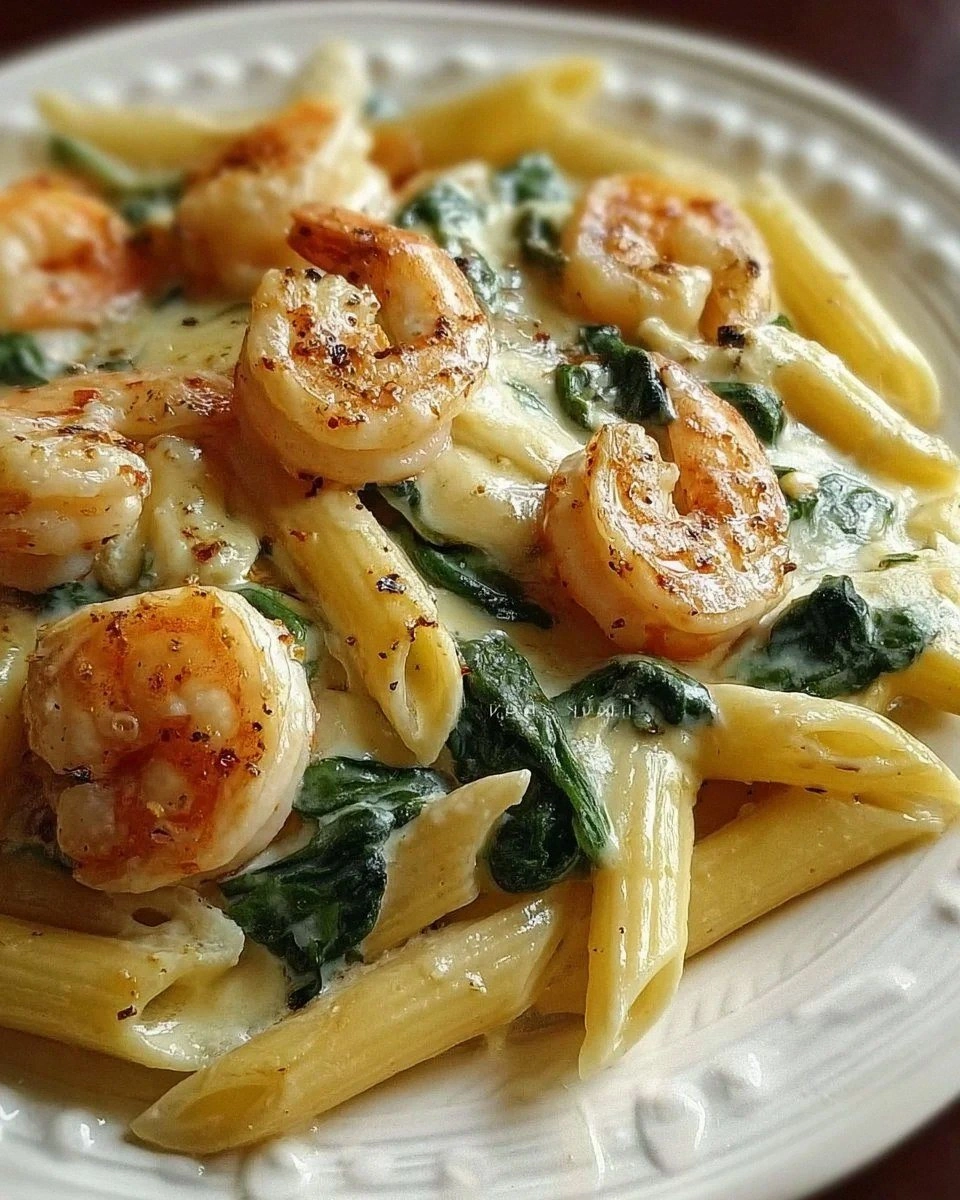
Picture this: a glossy, ivory‑white sauce that clings to each penne tube like a silk scarf, speckled with vibrant green spinach that adds a fresh snap, and shrimp that are pink‑golden on the outside, tender on the inside, with a whisper of lemon zest that lifts everything like a sunrise. The kitchen is filled with the sound of a gentle simmer, the occasional pop of garlic, and the faint hiss of olive oil flirting with the pan. The air is heavy with buttery richness, but there’s a clean, bright note from the Parmesan that cuts through the decadence. You can almost taste the buttery, cheesy hug before the first forkful even lands on your tongue.
Most recipes for shrimp pasta either drown the shrimp in a soupy mess or leave the pasta dry and lonely. I’ve tried the “quick” versions that use pre‑made alfredo sauce, and they always end up tasting like a grocery‑store aisle. This version, however, builds the sauce from scratch, layering flavors so that each bite feels like a perfectly orchestrated symphony. I dare you to taste this and not go back for seconds; the combination of textures and the subtle citrus zing will have you reaching for the serving spoon again and again.
And now, the secret weapon: a splash of the pasta cooking water at just the right moment, which emulsifies the sauce into a velvety coating that makes the penne glisten like polished marble. It’s the little trick that most home cooks overlook, and it’s the difference between “good” and “hands down the best version you’ll ever make at home.” Let me walk you through every single step — by the end, you’ll wonder how you ever made it any other way.
What Makes This Version Stand Out
- Flavor Explosion: The marriage of garlic‑infused olive oil, heavy cream, and Parmesan creates a sauce that’s rich without being cloying, and the lemon zest adds a bright counterpoint that keeps the palate from getting overwhelmed.
- Texture Harmony: Penne’s ridges trap the sauce, while the shrimp provide a firm, meaty bite, and the spinach adds a tender snap that cuts through the creaminess.
- Simplicity Meets Sophistication: Only nine core ingredients, yet each one is treated with respect, making the dish feel restaurant‑grade without a pantry overhaul.
- Ingredient Quality: Fresh shrimp and high‑quality Parmesan are the unsung heroes; they turn a humble pasta dish into a luxurious experience.
- Crowd‑Pleaser Factor: Whether you’re feeding a family of four or impressing guests at a dinner party, this dish earns applause and empty plates.
- Make‑Ahead Potential: The sauce actually thickens a bit as it cools, meaning leftovers taste even richer after a quick reheating.
- Seasonal Flexibility: Spinach can be swapped for kale, arugula, or even peas, letting you adapt the dish to whatever’s fresh.
- Time Efficiency: The whole process fits into a 45‑minute window, perfect for weeknight meals that don’t sacrifice flavor.
Inside the Ingredient List
The Flavor Base
Olive oil and garlic are the dynamic duo that kick off this dish. The oil provides a buttery foundation, while the garlic releases aromatic compounds that instantly make your kitchen feel like an Italian trattoria. If you skip the garlic, you’ll lose that unmistakable depth, and the sauce will taste flat. A good tip: crush the garlic cloves with the side of a knife before mincing; it releases more flavor than pre‑minced jars.
The Texture Crew
Penne pasta is the star here because its tube shape captures the sauce inside and out. Heavy cream brings richness, but it also acts as an emulsifier, binding the oil and cheese together. Parmesan cheese adds a salty, nutty edge that balances the cream’s sweetness. If you’re allergic to dairy, you can substitute with a blend of cashew cream and nutritional yeast, but you’ll miss the classic melt‑in‑your‑mouth feel.
The Unexpected Star
Fresh spinach might seem like a background player, but its slight bitterness cuts through the richness, keeping the dish from feeling like a dairy overload. The spinach also adds a splash of color that makes the plate look Instagram‑ready. If you accidentally overcook the spinach, it will turn soggy and lose its bright hue, so add it at the very end of the cooking process.
The Final Flourish
Shrimp are the crown jewels, delivering a sweet, briny flavor that pairs perfectly with the creamy sauce. When cooked just right, they stay juicy and firm; overcooked shrimp become rubbery, which is the culinary equivalent of a bad haircut. Look for a pink color and a slight curl at the edges; that’s your cue they’re done. A hint of lemon zest adds a citrus spark that lifts the entire dish, preventing the cream from feeling too heavy.
Everything’s prepped? Good. Let’s get into the real action…
The Method — Step by Step
Start by bringing a large pot of salted water to a rolling boil. Add the penne and cook it al dente, about 10‑11 minutes. Before you drain, scoop out a cup of the starchy water and set it aside; this will be your secret weapon later. The pasta should be firm to the bite, because it will continue to cook slightly when you toss it with the sauce.
While the pasta is cooking, heat 1 tbsp olive oil in a wide skillet over medium‑high heat. Toss in the minced garlic and let it sizzle for 30 seconds—listen for that faint pop; that’s the sound of flavor being released. That sizzle when it hits the pan? Absolute perfection. Be careful not to let the garlic brown, or it will turn bitter.
Now add the shrimp in a single layer. Season them lightly with salt and pepper, and let them sear untouched for about 2 minutes. When the edges start turning pink and the shrimp curl, flip them over. Cook for another 2 minutes until they’re opaque throughout. Watch this closely—overcooked shrimp are a tragedy.
When the shrimp are beautifully pink, pour in the heavy cream, stirring gently to combine. Reduce the heat to medium‑low and let the cream bubble gently for 3‑4 minutes. This is the moment of truth: the sauce should thicken just enough to coat the back of a spoon without looking curdled. If it starts to separate, lower the heat and whisk in a splash of the reserved pasta water.
Stir in the grated Parmesan cheese, one handful at a time, allowing each addition to melt completely before adding the next. The cheese will thicken the sauce further and add a nutty depth. Keep the mixture moving; a wooden spoon works best for preventing sticking.
Now fold in the chopped spinach. It will wilt in seconds, turning a vibrant emerald green. If you prefer a bit more texture, add the spinach a minute earlier so it softens slightly but retains some bite. The spinach not only adds color but also a subtle earthiness that balances the richness.
Drain the penne, reserving a splash more pasta water if you think the sauce needs loosening. Toss the hot pasta straight into the skillet, mixing vigorously so every tube gets coated. If the sauce looks too thick, drizzle in the reserved water a tablespoon at a time until you achieve a silky, glossy finish.
Finish with a final sprinkle of lemon zest and an extra grating of Parmesan for that golden‑crust effect. Give the dish one last gentle toss, then plate it immediately. The steam should rise in a fragrant cloud, inviting you to dig in.
That’s it — you did it. But hold on, I’ve got a few more tricks that'll take this to another level…
Insider Tricks for Flawless Results
The Temperature Rule Nobody Follows
Never cook the sauce on high heat; the cream can split, turning your silky dream into a grainy nightmare. Keep the flame at a gentle simmer, and you’ll get a sauce that stays glossy and smooth. I once tried to speed things up on high, and the result was a curdled mess that tasted like burnt milk. Trust the low‑and‑slow approach, and you’ll be rewarded with a velvety texture.
Why Your Nose Knows Best
Your sense of smell is the ultimate timer. When the garlic hits that golden hue and releases its aromatic perfume, you know it’s ready for the shrimp. Likewise, when the cream begins to emit a faint buttery scent and the edges start pulling away from the pan, you’ve reached the perfect thickening point. Don’t rely solely on the clock; let your nose be the guide.
The 5‑Minute Rest That Changes Everything
After you’ve tossed the pasta with the sauce, let the dish sit off the heat for five minutes. This short rest allows the flavors to meld, and the starches in the penne continue to absorb the sauce, creating a harmonious bite. I once served it straight away, and the sauce was a little thin; after the rest, it clung perfectly. Patience is a tiny but mighty ingredient.
Seasoning Layers, Not a Single Salt Dump
Season at three stages: the pasta water, the shrimp, and the sauce. Each layer builds complexity, preventing a bland final product. If you only salt at the end, you’ll never achieve that depth of flavor that makes a dish unforgettable. A pinch of sea salt on the shrimp, a generous pinch in the boiling water, and a final taste‑and‑adjust in the sauce is the sweet spot.
The “Finish with Zest” Finale
Adding lemon zest at the very end preserves its bright, citrus oils, which would otherwise evaporate under heat. The zest doesn’t just add flavor; it adds a fragrant aroma that makes the dish feel lighter. If you forget this step, the sauce can feel heavy after a few bites. A tiny pinch is all you need to transform the whole plate.
Avoid Overcrowding the Pan
When searing shrimp, give them room. Overcrowding causes the shrimp to steam instead of sear, leading to a rubbery texture. If you have a lot of shrimp, work in batches. This extra minute of effort pays off with shrimp that have those coveted, caramelized edges that shatter like thin ice under the fork.
Creative Twists and Variations
This recipe is a playground. Here are some of my favorite ways to switch things up:
Spicy Sriracha Swirl
Stir in a tablespoon of sriracha and a drizzle of honey into the sauce for a sweet‑heat combo. The heat cuts through the cream, while the honey balances the spice. Perfect for anyone who loves a little kick.
Mushroom Medley
Add a cup of sliced cremini or shiitake mushrooms when you sauté the garlic. The earthy umami deepens the flavor profile, making the dish heartier—great for cooler evenings.
Sun‑Dried Tomato Burst
Chop a handful of sun‑dried tomatoes and toss them in with the spinach. Their tangy, slightly sweet notes contrast beautifully with the creamy base.
Vegan Velvet
Swap the shrimp for roasted cauliflower florets, use coconut cream instead of heavy cream, and replace Parmesan with nutritional yeast. The texture changes, but the sauce still clings like velvet.
Herb‑Infused Finish
Finish with a handful of fresh basil or flat‑leaf parsley, chopped just before serving. The herbaceous pop adds freshness and a pop of color that makes the plate look restaurant‑ready.
Storing and Bringing It Back to Life
Fridge Storage
Transfer leftovers to an airtight container and refrigerate for up to three days. The sauce may thicken as it cools; simply reheat gently on the stovetop with a splash of water or milk to restore its silky texture.
Freezer Friendly
If you need to keep it longer, portion the pasta and sauce into freezer‑safe bags, removing as much air as possible. Freeze for up to two months. Thaw overnight in the fridge, then reheat in a skillet, adding a splash of broth or water to revive the sauce.
Best Reheating Method
The stovetop is your best friend: place the pasta in a skillet over low heat, add a tablespoon of water or broth, and stir constantly until the sauce regains its gloss. Microwaving works in a pinch, but the sauce can become grainy if not stirred frequently.