Picture this: it’s a rainy Tuesday night, you’ve just survived a marathon of Zoom meetings, and the only thing that keeps you sane is the promise of a hearty, cheesy dinner that feels like a warm hug from an old friend. I was in that exact spot, rummaging through my pantry, when I realized I had a half‑empty box of spiral pasta, a lonely slab of mozzarella, and a bottle of A1 Steak Sauce that had been gathering dust for far too long. I thought, “What if I could mash the iconic Philly cheesesteak vibe with the comforting ease of a boxed helper?” That thought turned into a kitchen experiment that blew my expectations out of the water. The result? A dish that makes the ordinary feel extraordinary, a one‑pan wonder that screams “comfort” louder than a marching band at halftime.
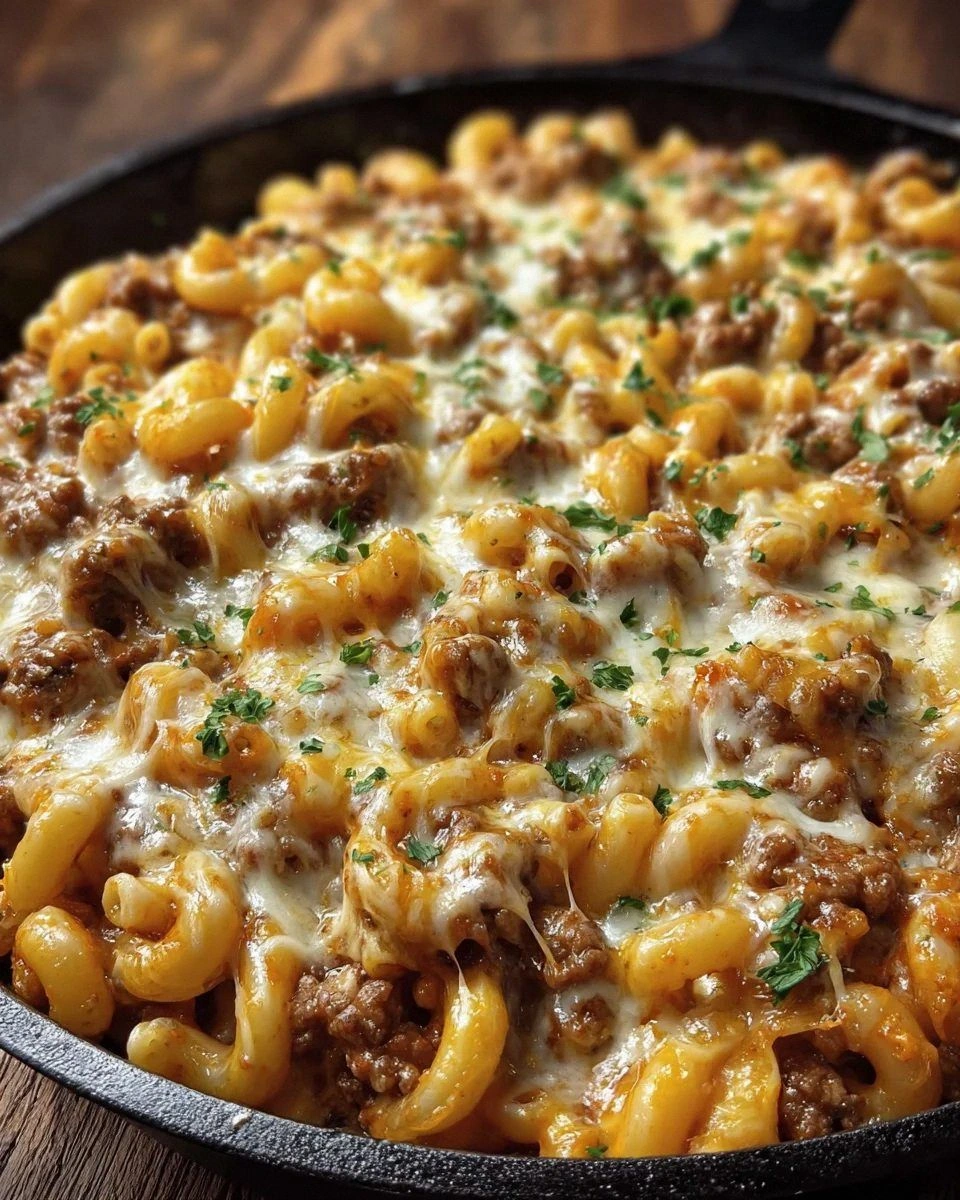
The moment the ground beef hit the hot skillet, a sizzle erupted that was louder than my neighbor’s late‑night karaoke. The aroma of caramelizing meat mingled with the sweet whisper of onions and the peppery snap of green bell pepper, creating a perfume that instantly made my stomach do a happy dance. As the steak seasoning and garlic powder joined the party, the sauce thickened, coating each morsel like a velvety blanket, while the mozzarella melted into gooey rivers that swirled through the pasta like lava flowing over a volcanic landscape. The whole kitchen transformed into a sensory theater: the clatter of the spoon, the glossy sheen of the broth, the steam that curled like ghostly ribbons, and the taste that was simultaneously bold, creamy, and just a touch tangy.
What makes this version stand out from the endless sea of “cheesesteak helper” copycats is the deliberate layering of flavors and textures that most shortcuts overlook. I’m not talking about a bland, pre‑made powder that you dump in and hope for the best. No, this is a handcrafted masterpiece that respects each ingredient’s role, from the earthy oregano that adds depth, to the paprika’s subtle smoky whisper that lingers on the palate. And the secret weapon? A splash of milk that transforms the broth into a silky sauce, while the tomato sauce injects a bright acidity that cuts through the richness like a well‑timed punchline in a comedy routine.
But wait—there’s a twist you won’t see coming. Instead of the usual elbow macaroni, I’m using spiral pasta because its twists act like tiny sauce‑catchers, ensuring every bite is drenched in that cheesy, beefy goodness. And for those of you who think “cheesesteak” means you need to throw in actual steak strips, I’ll let you in on a little secret: the ground beef, when seasoned just right, mimics that savory depth without the extra cost or fuss. I dare you to taste this and not go back for seconds. Let me walk you through every single step — by the end, you’ll wonder how you ever made it any other way.
What Makes This Version Stand Out
- Flavor Explosion: The combination of steak seasoning, A1 sauce, and fresh herbs creates a layered taste profile that’s both bold and balanced, hitting all the right notes from umami to subtle sweetness.
- Texture Harmony: Crunchy bell pepper, tender ground beef, and al dente spiral pasta deliver a satisfying mouthfeel that keeps you chewing happily from first forkful to last.
- Simplicity Meets Sophistication: Only a handful of pantry staples are needed, yet the dish feels like a restaurant‑grade entrée thanks to the thoughtful seasoning sequence.
- Cheese Pull: The shredded mozzarella melts into silky ribbons that stretch with each bite, providing that Instagram‑worthy cheese pull without any gimmicks.
- Crowd‑Pleaser Factor: Whether you’re feeding a family of picky eaters or impressing friends at a game night, this dish earns applause and empty plates.
- Ingredient Quality: Using lean ground beef and low‑sodium broth keeps the dish light enough for everyday indulgence while preserving depth of flavor.
- One‑Pan Efficiency: All the magic happens in a single skillet, meaning less cleanup and more time to enjoy the meal (and the compliments).
- Make‑Ahead Magic: This recipe freezes beautifully, allowing you to prep ahead for busy weeks and reheat to the same glorious texture.
Inside the Ingredient List
The Flavor Base
The flavor base is where the magic begins. Ground beef is the heart of the dish; its natural juices provide the savory foundation that other ingredients cling to. I recommend a lean 90/10 blend because it offers enough fat for flavor without overwhelming the palate, and it keeps the final dish from feeling greasy. If you decide to swap it for turkey, add an extra tablespoon of olive oil to compensate for the leaner profile.
Chopped onion adds a sweet, aromatic depth that balances the tang of the A1 sauce. Onions become translucent and slightly caramelized, releasing natural sugars that round out the overall flavor. Skipping the onion would leave the dish flat, like a song missing its chorus.
Chopped green bell pepper contributes a crisp, slightly bitter edge that brightens the heavy cheese and beef. For a sweeter twist, swap half the green pepper for red or yellow; the color change also makes the dish visually pop on the plate.
The Texture Crew
Spiral pasta is the unsung hero of texture. Its twists act like tiny funnels, capturing sauce in every nook and cranny. If you’re out of spirals, penne or rotini work just as well, but avoid long noodles that slide off the sauce.
Shredded mozzarella cheese is the star of the show, delivering that melt‑in‑your‑mouth gooeyness. Freshly shredded cheese melts more evenly than pre‑shredded, which often contains anti‑caking agents that can affect texture. If you prefer a sharper bite, blend mozzarella with a bit of sharp cheddar.
The Unexpected Star
A1 Steak Sauce is the secret weapon that adds a tangy, slightly sweet, and umami‑rich punch reminiscent of a classic cheesesteak. Its acidity cuts through the richness, preventing the dish from feeling cloying. A dash of Worcestershire sauce could replace it, but you’d lose that distinctive tang.
Tomato sauce introduces a subtle acidity that lifts the whole dish. It’s like a backstage crew that ensures every performer shines. Using a low‑sugar brand keeps the sauce from becoming overly sweet.
The Final Flourish
Steak seasoning, garlic powder, onion powder, paprika, and oregano work in concert to create a flavor symphony. The steak seasoning provides that classic “steakhouse” vibe, while garlic and onion powders deepen the aromatics. Paprika adds a smoky warmth, and oregano finishes with an earthy note that ties everything together.
Beef broth is the cooking medium for the pasta, infusing each bite with beefy richness. Low‑sodium broth lets you control the salt level, preventing an overly salty outcome.
Milk transforms the broth into a creamy sauce that coats the pasta like velvet. It also tempers the acidity from the tomato sauce, achieving a balanced mouthfeel.
Everything's prepped? Good. Let's get into the real action...
The Method — Step by Step
Heat a large, heavy‑bottomed skillet over medium‑high heat and drizzle in a tablespoon of olive oil. Once the oil shimmers, add the ground beef, breaking it apart with a wooden spoon. Let it sit undisturbed for about 30 seconds, then stir—this creates a caramelized crust that adds depth. Cook until the meat is browned, about 5‑7 minutes, and the juices have rendered, creating a rich, brown fond on the bottom of the pan. Tip: If you hear a satisfying sizzle, you’re on the right track.
Next, toss in the chopped onion and green bell pepper. The vegetables should hit the pan with a gentle pop, releasing their natural sweetness. Sauté for 4‑5 minutes, stirring occasionally, until the onion becomes translucent and the pepper softens but still retains a slight crunch. This is where the aroma of garlic powder and onion powder begins to weave through the air, making your kitchen smell like a deli on a Saturday morning.
Now sprinkle the steak seasoning, garlic powder, onion powder, paprika, and oregano over the meat‑veggie mixture. Stir vigorously to coat every morsel, letting the spices toast lightly for about a minute. You’ll notice a faint cloud of fragrant steam rise—this is the flavor foundation solidifying. If you prefer a spicier kick, add a pinch of red pepper flakes here.
Pour in the A1 Steak Sauce, tomato sauce, beef broth, and milk, scraping the bottom of the pan to deglaze any browned bits. The liquid should bubble gently, forming a glossy, slightly thickened sauce. Let it come to a simmer, then reduce the heat to medium‑low. This is the moment of truth: the sauce must be thick enough to cling to the pasta but not so thick that it clumps.
Stir in the spiral pasta, ensuring each coil is fully submerged in the sauce. Cover the skillet with a lid and let the pasta cook for 10‑12 minutes, or until al dente, stirring once halfway through to prevent sticking. The pasta will absorb the flavors, turning the whole mixture a beautiful amber hue.
When the pasta is perfectly tender, sprinkle the shredded mozzarella evenly over the top. Cover again for 2‑3 minutes, allowing the cheese to melt into a glossy, gooey blanket. The cheese should stretch beautifully when you lift a spoonful—if it doesn’t, give it another minute; the melt is the final seal of flavor.
Turn off the heat and let the dish rest, uncovered, for 5 minutes. This brief pause lets the sauce thicken further and the flavors meld, much like letting a good wine breathe. Taste and adjust seasoning with a pinch of salt or a dash more A1 if you crave extra tang.
Serve hot, garnished with a sprinkle of fresh oregano or chopped parsley for a pop of color. Pair with a crisp green salad or crusty garlic bread to balance the richness. Picture yourself pulling this out of the pan, the whole kitchen smelling incredible, and everyone reaching for seconds before the first bite even settles.
That's it — you did it. But hold on, I've got a few more tricks that'll take this to another level...
Insider Tricks for Flawless Results
The Temperature Rule Nobody Follows
Most home cooks crank the heat to “high” hoping to speed things up, but that’s a recipe for uneven cooking. Keep your skillet on medium‑high for browning, then dial back to medium‑low for simmering. This controlled heat ensures the meat stays juicy while the sauce reduces evenly. I once tried blasting the sauce on high; it boiled over and the cheese ended up rubbery—lesson learned.
Why Your Nose Knows Best
Before you even taste, trust your sense of smell. When the sauce starts to emit a rich, caramelized aroma, you know the flavors have melded. If you detect a raw meat smell at any point, keep simmering a minute longer. The nose is a reliable barometer for doneness, especially when visual cues are ambiguous.
The 5‑Minute Rest That Changes Everything
After you turn off the heat, resist the urge to dive in immediately. Let the dish sit uncovered for five minutes; this allows the starches in the pasta to finish absorbing the sauce, resulting in a silkier texture. Skipping this step leaves the pasta a bit gummy, and the cheese doesn’t stretch as dramatically.
Cheese Distribution Mastery
Instead of dumping all the mozzarella at once, sprinkle it in two layers—half before the final simmer, half after. This technique creates a layered melt: the first layer binds the sauce, while the second forms that irresistible stretch. I’ve seen people lose that cheese pull because they added it all too early.
Seasoning at the End Saves the Day
Because the broth and milk can dilute saltiness, finish with a light sprinkle of sea salt and a dash of freshly cracked black pepper right before serving. This final seasoning brightens the flavors, making every bite pop. If you’re watching sodium, use a low‑sodium broth and add a pinch of smoked paprika for depth instead of extra salt.
Creative Twists and Variations
This recipe is a playground. Here are some of my favorite ways to switch things up:
Spicy Southwest
Swap the steak seasoning for a taco blend, add a diced jalapeño with the peppers, and finish with a handful of shredded cheddar. The result is a fiery twist that still honors the cheesy comfort.
Italian‑Inspired
Replace A1 with a splash of balsamic reduction, use Italian seasoning instead of steak seasoning, and stir in a handful of fresh basil at the end. Top with grated Parmesan for an extra umami punch.
Veggie‑Boosted
Introduce sliced mushrooms, zucchini, or even spinach when you add the onions and peppers. The extra veggies increase nutrition and add new textures without compromising the core flavor.
Cheddar‑Lover’s Dream
Mix equal parts mozzarella and sharp cheddar for a deeper, tangier cheese profile. The cheddar adds a slight bite that contrasts nicely with the mellow beef.
Breakfast Remix
Swap the spiral pasta for cooked rice, add a couple of beaten eggs toward the end, and crumble cooked bacon on top. You’ve just turned dinner into a hearty breakfast casserole.
Gluten‑Free Friendly
Use gluten‑free spiral pasta or even rice noodles. The sauce adheres just as well, and the dish stays just as comforting for those with dietary restrictions.
Storing and Bringing It Back to Life
Fridge Storage
Allow the dish to cool to room temperature, then transfer it to an airtight container. It will keep fresh for up to 3 days. When reheating, add a splash of milk or broth and stir over low heat until the sauce regains its creamy consistency.
Freezer Friendly
Portion the cooled dish into freezer‑safe bags or containers, leaving a little headspace for expansion. It freezes well for up to 2 months. Thaw overnight in the fridge, then reheat on the stovetop, again adding a splash of liquid to revive the sauce.
Best Reheating Method
The stovetop is king for reheating: place the leftovers in a skillet over medium heat, add a tablespoon of milk or broth, and stir until the cheese melts and the sauce becomes glossy again. Microwaving works in a pinch, but it can make the cheese rubbery.