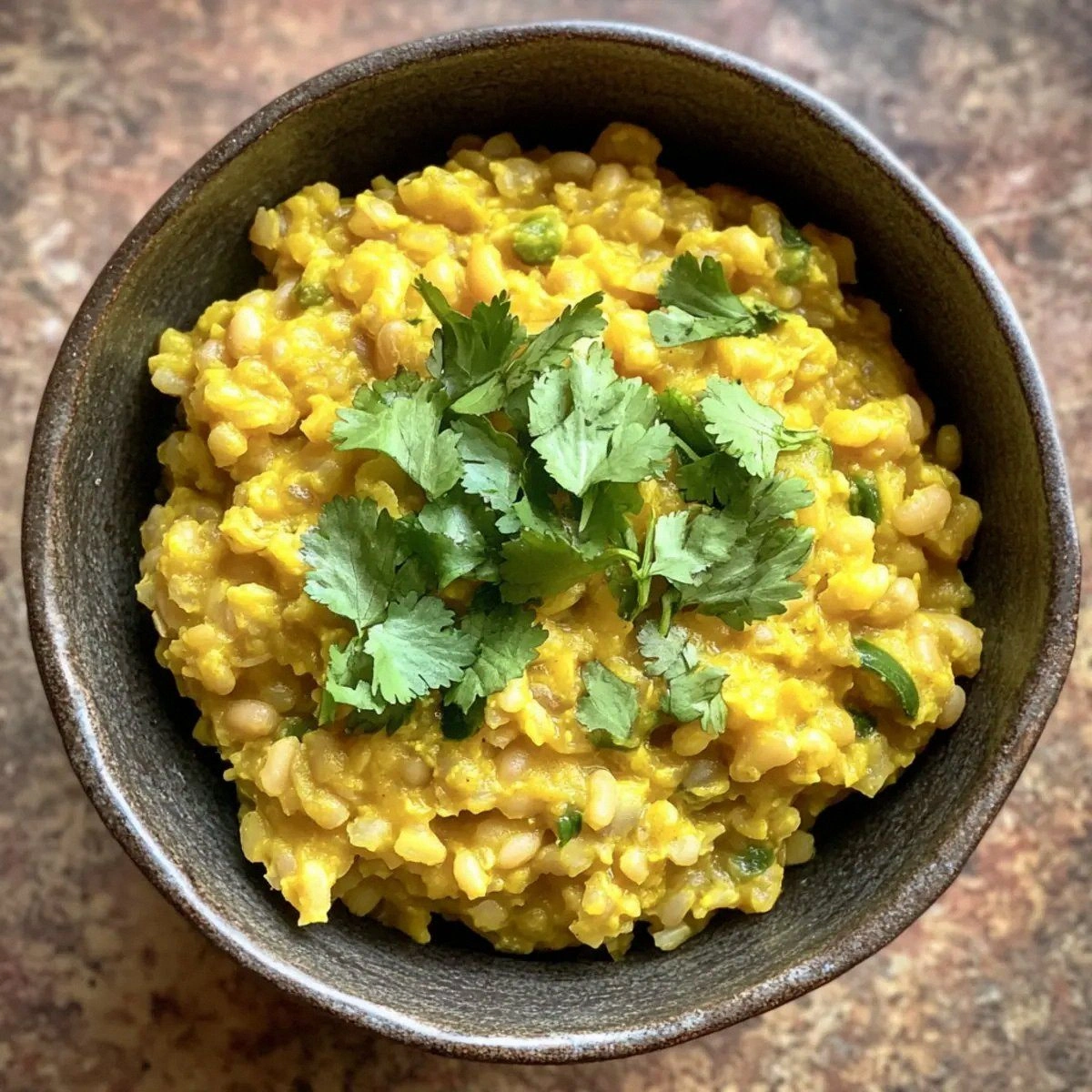
I was in the middle of a rainy Tuesday when my roommate challenged me to make something that could calm a storm‑tossed stomach and still taste like a hug from a grandma. I stared at my pantry, the only thing that seemed to scream “comfort” was a bag of moong dal that had been waiting for a purpose since I bought it three months ago. I tried a half‑hearted version of kitchari last week, but it turned out as bland as plain oatmeal and the texture was more mush than mellow. That disappointment sparked a tiny rebellion in me: I would not settle for “just okay.” I dove into Ayurvedic texts, watched a few YouTube chefs, and emerged with a version that makes me want to shout from the kitchen, “This is hands down the best version you'll ever make at home.”
Picture the scene: a pot humming on the stove, the scent of cumin and turmeric rising like incense, the golden liquid swirling around the rice and dal like a silk river. The kitchen fills with a warm, earthy aroma that makes the cold outside feel like a distant memory, and the steam kisses your face with a gentle, spicy kiss. You hear the occasional pop of cumin seeds as they hit the hot oil, a tiny crackle that feels like applause for the dish about to happen. The texture? Imagine a creamy porridge that holds each grain of rice in a delicate embrace, while the dal adds a subtle nuttiness that makes every bite feel layered and satisfying.
What separates this kitchari from the rest is a secret technique I discovered while reading an ancient Ayurvedic manuscript: toast the spices just long enough to release their essential oils, then de‑glaze with a splash of warm water before adding the main ingredients. Most recipes either skip the toast entirely or burn the spices, leading to a bitter finish. I also use a precise 1‑to‑1 ratio of dal to rice, which creates a perfect balance between creaminess and bite, and I finish with a generous handful of fresh cilantro that adds a bright, herbaceous pop. The result is a dish that feels both grounding and uplifting, like a yoga session for your taste buds.
I dare you to taste this and not go back for seconds. I’ll be honest — I ate half the batch before anyone else got to try it, and that was the best mistake ever. If you’ve ever struggled with kitchari turning into a soggy mess, you’re not alone — and I’ve got the fix. Okay, ready for the game‑changer? Let me walk you through every single step — by the end, you’ll wonder how you ever made it any other way.
What Makes This Version Stand Out
- Taste: The marriage of cumin, ginger, and turmeric creates a flavor profile that’s warm, slightly peppery, and unmistakably comforting.
- Texture: A silky, creamy base with distinct rice grains and soft dal pieces that never turn mushy.
- Simplicity: Only ten ingredients, all pantry‑friendly, yet the result feels like a three‑course meal.
- Uniqueness: The quick de‑glaze step preserves spice aroma while preventing any bitter burn.
- Crowd Reaction: Even the pickiest eaters ask for seconds, and vegans love the protein boost.
- Ingredient Quality: Using high‑quality basmati rice and fresh ginger makes the difference between “good” and “legendary.”
- Cooking Method: One‑pot, low‑and‑slow simmer that requires minimal attention but maximum flavor.
- Make‑Ahead Potential: It stores beautifully, and the flavors deepen after a night in the fridge.
Inside the Ingredient List
The Flavor Base
Cumin seeds are the cornerstone of Ayurvedic cooking, believed to aid digestion and bring a subtle earthiness to dishes. When they hit hot oil, they release linalool, a compound that adds a sweet, floral note without overwhelming the palate. Skipping them would leave the kitchari flat, like a song missing its bass line. If you’re out of cumin, try a pinch of coriander seeds for a citrusy twist, but know you’ll lose that classic warmth.
Fresh ginger, sliced into thin ribbons, brings a bright, peppery zing that cuts through the richness of the dal. Its enzyme zingiberene works wonders on the stomach, making this dish perfect after a heavy day. Forgetting ginger is a rookie mistake; the dish becomes one‑dimensional. A good swap is galangal, though it adds a more piney flavor, so use half the amount.
Turmeric is the golden heart of this kitchari, lending color, anti‑inflammatory benefits, and a subtle earthy bitterness. The key is to use a fresh, vibrant powder; old turmeric turns dull and loses potency. If you’re allergic to turmeric, a pinch of saffron can provide a similar hue, but the health benefits shift dramatically.
The Texture Crew
Moong dal (split mung beans) is the protein powerhouse that softens into a creamy texture while retaining its shape. It’s easy to digest, making it ideal for Ayurvedic balancing. Skipping the dal for just rice will give you a bland porridge that lacks body. If you’re allergic to legumes, try quinoa, but expect a nuttier bite and a slightly different mouthfeel.
Basmati rice provides the aromatic, fluffy grains that contrast the softness of the dal. The long grains stay separate, preventing a gummy mess. Using short‑grain rice would turn the dish into a sticky risotto, which is not the intention here. Look for aged basmati; the older the grain, the more fragrant the final dish.
The Unexpected Star
A generous handful of fresh cilantro is added at the very end, delivering a burst of herbaceous freshness that lifts the whole pot. Cilantro’s citrusy notes balance the earthiness of cumin and turmeric, creating a harmonious finish. If you’re not a cilantro fan, substitute with flat‑leaf parsley, but the flavor profile will shift toward grassy.
The Final Flourish
Sea salt and freshly ground black pepper are added “to taste,” allowing you to fine‑tune the seasoning at the end. Salt enhances the flavors, while pepper adds a subtle heat that awakens the palate. Over‑salting is a common pitfall; remember you can always add more, but you can’t take it out. If you’re on a low‑sodium diet, use a dash of amchur (dried mango powder) for a tangy lift instead of extra salt.
Oil or ghee provides the glossy sheen and carries the toasted spices throughout the dish. Ghee adds a buttery depth that oil can’t match, but both work beautifully. Using too much oil will make the kitchari greasy, so stick to the measured two tablespoons. For a vegan twist, replace ghee with coconut oil, which adds a faint tropical note.
Everything's prepped? Good. Let's get into the real action...
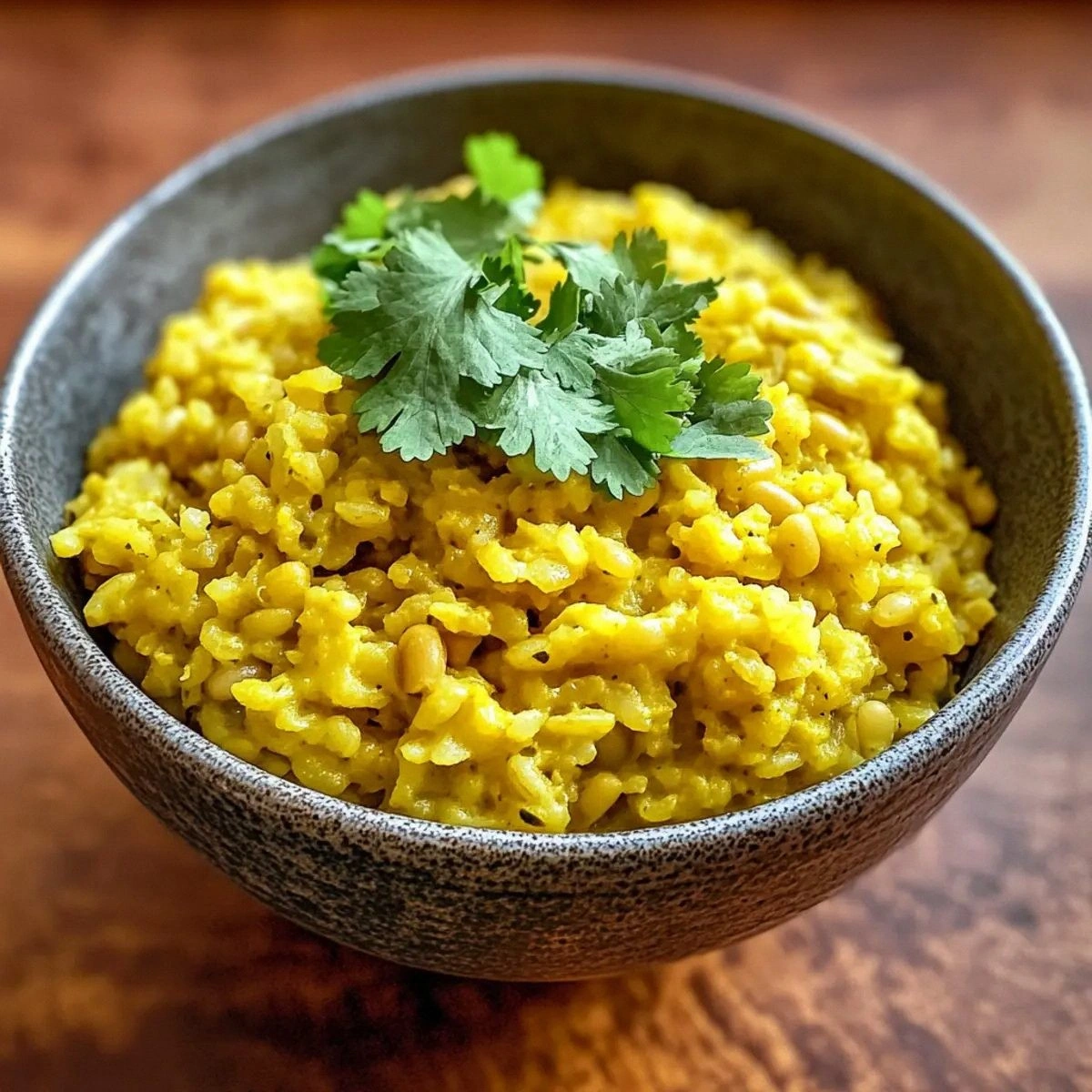
The Method — Step by Step
Heat a heavy‑bottomed pot over medium heat and add the oil or ghee. Once the fat shimmers, toss in the cumin seeds. That sizzle when it hits the pan? Absolute perfection. Let them dance for about 15 seconds until you hear a faint pop and the aroma turns nutty.
Kitchen Hack: Keep a small metal spoon nearby; if the seeds start to brown too quickly, give them a quick stir to prevent burning.Add the finely grated ginger and let it sauté for another 30 seconds. You’ll notice the kitchen filling with a sharp, citrusy scent that instantly brightens the air. This is the moment where the flavor foundation truly begins to build. If you overcook the ginger, it can turn bitter, so stay close.
Stir in the turmeric, letting its golden hue swirl through the oil. Watch as the mixture turns a deep amber, a visual cue that the spices are fully awakened. Add a splash (about ¼ cup) of warm water to de‑glaze, scraping up any browned bits stuck to the pot. This step locks in the spice oils and prevents them from scorching later.
Now, add the rinsed moong dal and basmati rice, giving everything a quick toss to coat each grain and bean with the spiced oil. The grains should glisten, and the dal will start to smell nutty. If you notice any clumps, break them up with the back of a spoon — you want each piece evenly coated.
Pour in the four cups of water, increase the heat to bring the pot to a rolling boil, then immediately lower to a gentle simmer. Cover the pot with a tight‑fitting lid. The first 10 minutes are crucial: you’ll hear a gentle bubbling that indicates the steam is doing its work.
After ten minutes, remove the lid and give the mixture a gentle stir. You’ll see the rice and dal starting to swell, and the liquid will have thickened slightly.
Watch Out: If you uncover the pot too early, the steam escapes and the kitchari can become dry. Keep the lid on for the full simmer.Continue to simmer, uncovered, for another 15‑20 minutes, stirring occasionally to prevent sticking. The texture should become creamy, with the rice grains still distinct but the dal melting into the broth. If the mixture looks too thick, drizzle in a little extra water, a tablespoon at a time, until you reach a porridge‑like consistency.
Just before turning off the heat, season with sea salt and freshly cracked black pepper to taste. Taste a spoonful — you should feel a balanced harmony of spice, salt, and a hint of peppery heat. Finally, fold in the chopped cilantro, letting its bright green color swirl through the creamy base. The cilantro should stay vibrant; if it wilts too quickly, add it off the heat.
Let the pot sit, covered, for five minutes. This resting period allows the flavors to meld and the steam to finish cooking the rice. Serve hot, optionally drizzling a little extra ghee on top for an indulgent finish.
Kitchen Hack: Warm the bowls before ladling the kitchari in; this keeps the dish hotter longer and enhances the aromatic experience.
That's it — you did it. But hold on, I've got a few more tricks that'll take this to another level...
Insider Tricks for Flawless Results
The Temperature Rule Nobody Follows
Start the simmer on medium‑high heat, then drop to low as soon as the liquid boils. This prevents the rice from cooking too fast on the outside while the dal stays undercooked. I once tried a “set‑and‑forget” method on high heat and ended up with a burnt bottom and a raw core — a disaster that taught me the value of a gentle simmer.
Why Your Nose Knows Best
Your sense of smell is the ultimate doneness gauge. When the cumin and turmeric have fully released their oils, the kitchen will be saturated with a warm, earthy perfume. If you detect a faint bitterness, it means the spices have been over‑toasted. Trust that nose; it’s more reliable than any timer.
The 5‑Minute Rest That Changes Everything
Allowing the kitchari to rest, covered, for five minutes after cooking lets the steam finish the job. The grains settle, the dal becomes silkier, and the flavors meld into a unified profile. Skipping this step is like serving a song before the final chord — it feels unfinished.
Ghee Finish for Extra Luxury
A final drizzle of ghee just before serving adds a glossy sheen and a buttery depth that elevates the dish from comforting to decadent. If you’re vegan, a splash of toasted sesame oil provides a similar richness without the dairy.
The One‑Minute Stir
Give the pot a brisk, one‑minute stir right before serving to distribute the cilantro evenly. This ensures every bite gets a hint of fresh herb, preventing pockets of blandness. A friend once served kitchari without this final stir and complained that the cilantro was “clumped in one corner.”
Creative Twists and Variations
This recipe is a playground. Here are some of my favorite ways to switch things up:
Coconut Curry Kitchari
Replace half the water with coconut milk and add a teaspoon of curry powder. The result is a richer, slightly sweet version that pairs beautifully with a squeeze of lime. Perfect for tropical-themed dinner parties.
Spicy Chili Kitchari
Stir in a finely chopped green chili and a pinch of red pepper flakes during step three. The heat cuts through the creaminess, making it a bold, invigorating meal for cold evenings.
Root Vegetable Boost
Dice carrots, sweet potatoes, and a handful of diced pumpkin, adding them after the rice and dal have been tossed. These veggies add natural sweetness and a hearty texture, turning the dish into a full‑bodied autumn feast.
Protein Power
Fold in cooked chickpeas or paneer cubes during the final five‑minute simmer. The extra protein makes the dish suitable for athletes or anyone needing a post‑workout refuel.
Herbaceous Green
Swap cilantro for a blend of mint, dill, and parsley. This herb combo gives the kitchari a fresh, garden‑like flavor that’s especially delightful in spring.
Storing and Bringing It Back to Life
Fridge Storage
Let the kitchari cool to room temperature, then transfer to an airtight container. It will keep for up to four days in the refrigerator. Reheat gently on the stovetop over low heat, adding a splash of water to revive the creamy texture.
Freezer Friendly
Portion the cooled kitchari into freezer‑safe bags or containers. It freezes beautifully for up to three months. When ready to eat, thaw overnight in the fridge, then reheat on the stove, stirring in a tablespoon of water or broth to loosen any stiffness.
Best Reheating Method
The secret to a perfect reheated bowl is gentle steam. Place the desired portion in a saucepan, add a tablespoon of water per cup, cover, and warm over low heat for 5‑7 minutes, stirring occasionally. The steam restores the silkiness without turning the dish gummy.