I’m going to start with a confession: I once tried to make a “quick” side of roasted carrots, and what came out of the oven looked like a sad, wilted orange mush. I was ready to give up on carrots forever, until a dare from my roommate—“If you can turn those sad sticks into something that makes me weep with joy, I’ll buy you a bottle of your favorite wine”—sent me spiraling into a flavor experiment that changed my entire approach to vegetable roasting. I grabbed a handful of fresh carrots, a block of Parmesan, and a few pantry staples, and the result was a dish so addictive I literally ate half the batch before anyone else could even sniff it. That moment, when the buttery garlic glaze kissed the caramelized edges, was pure culinary fireworks, and I knew I had stumbled onto something special.
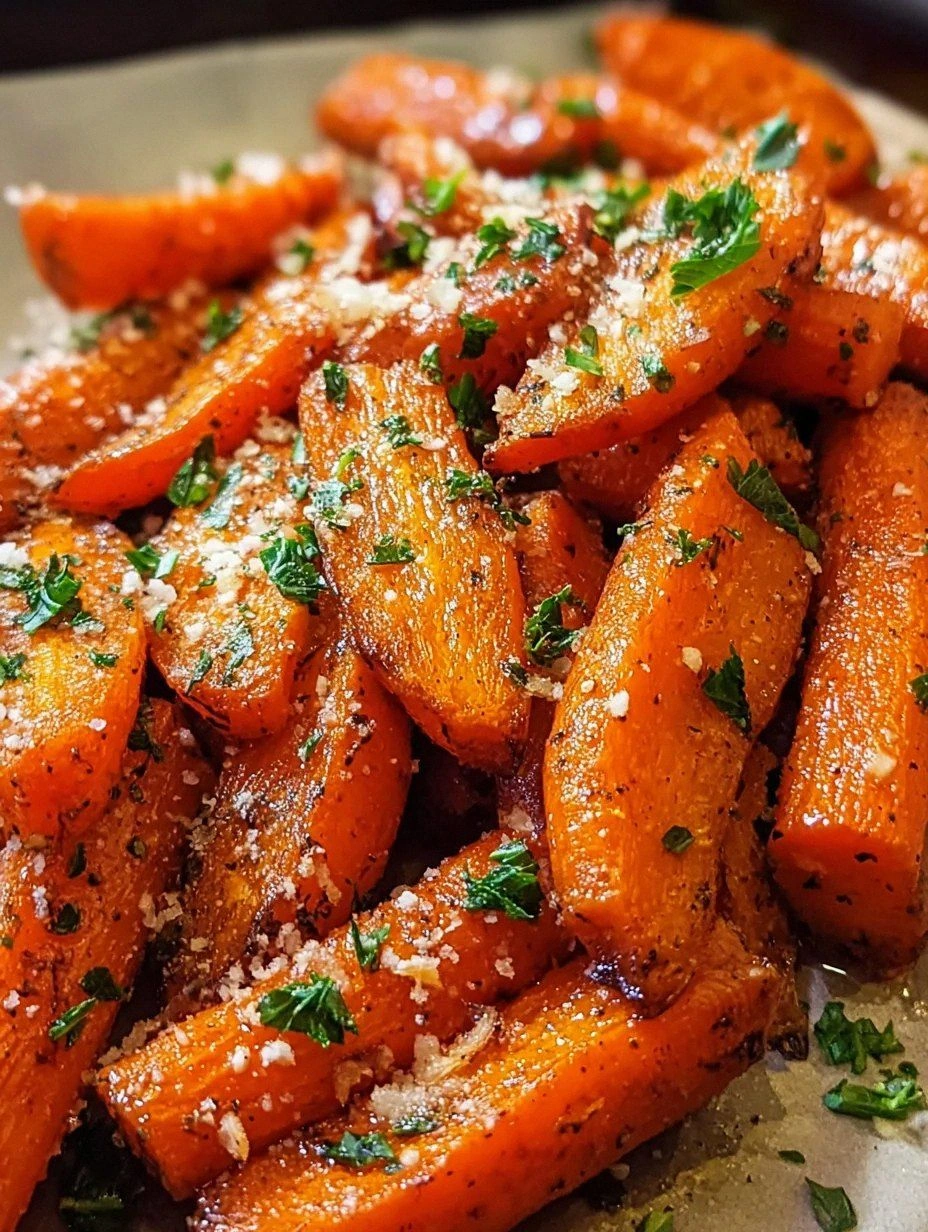
Picture this: a tray of orange spears, their skins glistening with melted butter, the air thick with the earthy perfume of roasted carrots mingling with the sharp, aromatic punch of garlic. The oven hums a low, comforting drone, and every few minutes you hear a faint sizzle that sounds like a promise. When you finally pull the pan out, the carrots are coated in a golden crust that cracks like a delicate caramelized shell, revealing a tender, sweet interior that practically melts in your mouth. A final shower of grated Parmesan creates a cheesy veil that sticks to the hot spears, while a sprinkle of fresh parsley adds a pop of green that looks like a garnish straight out of a five‑star restaurant. This isn’t just a side; it’s a flavor bomb that detonates on your palate.
Most recipes for roasted carrots either drown them in oil or sprinkle them with a vague “season to taste” that never quite lands. They miss the mark on two critical fronts: the balance between sweet and savory, and the textural contrast that makes each bite unforgettable. My version flips the script by using butter as the flavor carrier, letting the garlic infuse every nook, and finishing with Parmesan that adds a nutty crunch you won’t find in any standard oven‑roasted veggie. The result? A dish that’s hands down the best version you’ll ever make at home, and I dare you to taste this and not go back for seconds.
But wait—there’s a secret weapon hidden in this recipe that most cooks overlook: a splash of high‑quality butter combined with a precise roasting temperature that creates a caramelized edge without burning the delicate garlic. This technique is the game‑changer that turns ordinary carrots into a gourmet experience. Okay, ready for the game‑changer? Let me walk you through every single step — by the end, you’ll wonder how you ever made it any other way.
What Makes This Version Stand Out
- Taste: The buttery garlic base amplifies the natural sweetness of the carrots, while the Parmesan adds a salty, umami finish that makes each bite sing.
- Texture: A crisp, caramelized exterior gives way to a melt‑in‑your‑mouth interior—think of it as a crunchy hug for your palate.
- Simplicity: Only seven ingredients, all pantry‑friendly, yet the flavor depth rivals dishes that require a dozen more components.
- Uniqueness: The combination of butter and Parmesan creates a glossy coating that most oil‑only recipes can’t achieve.
- Crowd Reaction: Guests often ask “What’s the secret?” before I even get a chance to answer—because it’s that good.
- Ingredient Quality: Fresh carrots and real Parmesan cheese are the heroes; no pre‑grated, flavor‑less substitutes here.
- Cooking Method: High‑heat roasting at 425°F locks in moisture while caramelizing the sugars on the surface.
- Make‑Ahead Potential: This dish reheats beautifully, making it perfect for meal‑prep or a quick side on a busy weeknight.
Inside the Ingredient List
The Flavor Base
Butter is the silent hero of this recipe. When melted, it forms a rich, velvety pool that carries the garlic’s pungency straight into the carrot fibers. If you skip the butter and go straight for olive oil, you’ll lose that luxurious mouthfeel and the subtle caramel notes that butter provides. For a lighter version, you can substitute half the butter with a drizzle of extra‑virgin olive oil, but remember: the flavor profile will shift from buttery‑nutty to bright and herbaceous.
The Aromatic Crew
Garlic, minced to a fine paste, is the aromatic backbone. Its sharp, almost peppery edge balances the carrots’ natural sweetness, and when it hits the hot butter, it releases a scent that can turn any kitchen into a five‑star bistro. If you’re sensitive to raw garlic’s bite, let it sit in the butter for a minute before adding the carrots; this mellows the flavor without sacrificing the aroma.
The Unexpected Star
Italian seasoning might seem like a generic blend, but it’s the secret sauce that adds a Mediterranean flair. The dried oregano, basil, and thyme work together to give the carrots an herbaceous lift that pairs perfectly with the Parmesan’s nuttiness. No Italian seasoning? No problem—mix equal parts dried oregano, basil, and thyme, and you’ll still hit that same flavor sweet spot.
The Final Flourish
Parmesan cheese is the crowning glory. When grated over the hot carrots, it melts just enough to create a glossy, savory crust that locks in moisture while adding a salty crunch. Fresh parsley isn’t just a garnish; its bright, slightly peppery flavor cuts through the richness, giving the dish a balanced finish. If you’re out of fresh parsley, a pinch of dried parsley or even a drizzle of lemon juice can provide a similar lift.
Everything’s prepped? Good. Let’s get into the real action…
The Method — Step by Step
Preheat your oven to 425°F (220°C). This temperature is crucial because it’s hot enough to caramelize the natural sugars on the carrots without scorching the garlic. While the oven warms up, line a large rimmed baking sheet with parchment paper; this prevents sticking and makes cleanup a breeze. Pro tip: If you’re using a convection setting, reduce the heat by 25°F to avoid over‑browning.
Peel the carrots and cut them into uniform sticks—about ½‑inch thick. Uniformity ensures even cooking; you don’t want some sticks mushy while others are still firm. Place the carrot sticks in a large bowl, drizzle with the melted butter, and toss until every piece is lightly coated. The butter should coat the carrots like a silk sheet, giving them a subtle sheen.
Add the minced garlic, Italian seasoning, and a generous pinch of salt and freshly cracked black pepper to the bowl. Toss again, making sure the aromatic mixture clings to each carrot. This is the moment where the flavors start to meld, and the scent of garlic should already be making your kitchen smell like a cozy Italian trattoria.
Arrange the carrots on the prepared baking sheet, leaving a little space between each stick. Roast for 20 minutes, then pull the pan out and give the carrots a quick toss to ensure even browning. This mid‑roast flip is essential; it lets the carrots develop that beautiful golden‑brown crust on all sides.
After the 20‑minute mark, sprinkle the grated Parmesan evenly over the carrots. The cheese will melt instantly, forming a thin, cheesy crust that adheres to the caramelized surfaces. Return the pan to the oven for another 10‑12 minutes, or until the Parmesan turns a deep golden brown and the edges of the carrots start pulling away from the pan.
While the carrots finish roasting, finely chop a handful of fresh parsley. This bright green garnish not only adds visual contrast but also a fresh, peppery note that balances the richness of butter and cheese. When the carrots are done, remove them from the oven and immediately toss with the parsley; the residual heat will wilt the parsley just enough to release its aroma without losing its color.
Give the carrots a final taste test. If you feel they need a little more salt or a squeeze of lemon juice for acidity, now’s the time to adjust. Transfer the carrots to a serving platter, and watch the steam rise—this is the moment of triumph. Serve hot, and prepare for a cascade of compliments. That sizzle when it hits the pan? Absolute perfection.
That's it — you did it. But hold on, I've got a few more tricks that'll take this to another level...
Insider Tricks for Flawless Results
The Temperature Rule Nobody Follows
Most home cooks set the oven to a “safe” 400°F and wonder why their carrots turn out soggy. The secret is a brief blast at 425°F (or even 450°F if your oven tolerates it) to kick‑start caramelization. The higher heat creates a Maillard reaction that gives the carrots that coveted crispy‑outside, tender‑inside texture. I once tried a lower temperature for a whole hour, and the carrots ended up looking like boiled potatoes—no thanks!
Why Your Nose Knows Best
Don’t rely solely on a timer; use your sense of smell as a guide. When the butter‑garlic mixture starts to emit a nutty, toasted aroma, you’re on the right track. If you catch a hint of burnt garlic, it’s a signal to lower the heat or cover the pan loosely with foil. Trusting your nose saves you from a ruined batch and adds a layer of intuition to your cooking.
The 5‑Minute Rest That Changes Everything
After removing the carrots from the oven, let them sit for five minutes before serving. This short rest lets the Parmesan set, creating a slightly crunchy coating that doesn’t melt away immediately. It also allows the carrots to finish cooking through residual heat, ensuring every bite is uniformly tender. Skipping this rest is a common mistake that leads to soggy cheese and uneven texture.
Seasoning Layering Mastery
Season in stages: a pinch of salt in the butter, a dash of pepper with the garlic, and a final sprinkle of sea salt just before serving. This layered approach builds depth, preventing the dish from tasting flat. A friend once skipped the final sprinkle and swore the carrots tasted “bland”—don’t make that mistake.
The Parmesan Timing Trick
Add Parmesan halfway through the second roasting phase, not at the very end. This timing allows the cheese to melt, brown, and form a crust without burning. If you add it too early, it will scorch; too late, and it won’t adhere properly. The result is a golden, slightly crunchy cheese halo that’s the hallmark of this recipe.
Creative Twists and Variations
This recipe is a playground. Here are some of my favorite ways to switch things up:
Spicy Sriracha Glaze
Swap half the butter for a tablespoon of sriracha and add a drizzle of honey after roasting. The result is a sweet‑heat combo that pairs beautifully with the Parmesan’s nuttiness. Perfect for those who love a little kick.
Herb‑Infused Olive Oil
Replace the butter with extra‑virgin olive oil infused with rosemary and thyme. This gives the carrots a Mediterranean vibe and makes the dish lighter for a summer brunch.
Smoky Bacon Bits
Crumble cooked bacon over the carrots during the last five minutes of roasting. The smoky, salty crunch adds a new dimension that’s irresistible for brunch or a hearty dinner side.
Maple‑Glazed Carrots
Add a tablespoon of pure maple syrup to the butter‑garlic mixture before tossing the carrots. The caramelized maple notes blend with the Parmesan for a sweet‑savory harmony that’s perfect for autumn gatherings.
Vegan Version
Swap butter for coconut oil and use nutritional yeast instead of Parmesan. The yeast provides a cheesy umami flavor while keeping the dish entirely plant‑based. It’s a crowd‑pleaser for vegans and non‑vegans alike.
Storing and Bringing It Back to Life
Fridge Storage
Allow the carrots to cool completely, then transfer them to an airtight container. They’ll keep fresh for up to 4 days in the refrigerator. Reheat gently in a 350°F oven for 10 minutes, or microwave for 1‑2 minutes, adding a splash of water to revive the crispness.
Freezer Friendly
Portion the roasted carrots onto a parchment‑lined tray and freeze for 2‑hour intervals until solid. Transfer the frozen pieces to a zip‑top bag; they’ll last up to 2 months. To reheat, bake straight from frozen at 400°F for 15‑20 minutes, again adding a drizzle of butter for moisture.
Best Reheating Method
The secret to reviving that crunchy Parmesan crust is to reheat in a hot oven rather than a microwave. Place the carrots on a baking sheet, sprinkle a tiny splash of water (about a teaspoon) over them, and bake at 425°F for 8‑10 minutes. The steam generated will bring back the tender interior, while the high heat restores the golden crust.