I was halfway through a disastrous dinner last week, the kind of kitchen chaos where the shrimp you bought last night had turned into a soggy, flavorless mess that made you question your culinary destiny. The pot was boiling, the sauce was too thick, and the shrimp were practically drowning in a sea of blandness. I stared at that pot, felt the heat, and thought, “I’m going to turn this disaster into a triumph.” That night, armed with a handful of pantry staples, I cracked open a bottle of sriracha, whisked mayo, and whisked my way into what I can only describe as a flavor explosion. The result? A dish that has become my go-to for parties, date nights, and even solo midnight cravings. I’ll admit, I ate half the batch before anyone else even got a taste. I dare you to try this and not go back for seconds.
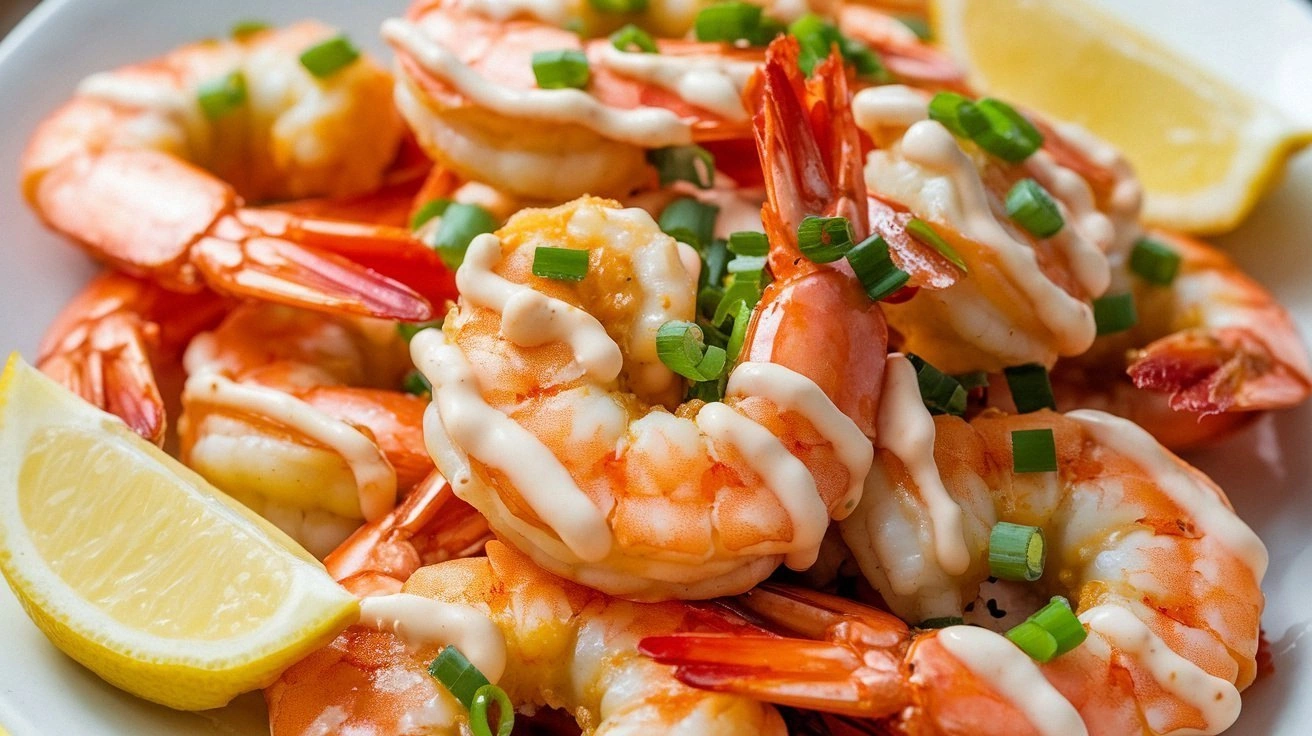
Picture yourself pulling a tray of these shrimp out of the pan, the aroma of toasted sesame, lime, and that unmistakable sriracha heat filling the kitchen. The shrimp themselves are a bright pink, their edges crisping just enough to give a satisfying snap when you bite into them. The sauce clings to every inch like a silky, spicy blanket, and the final garnish of sesame seeds and scallions gives a subtle crunch that contrasts the creamy interior. It’s not just a dish; it’s an experience that turns an ordinary evening into a memorable culinary event. I promise you, this is hands down the best version you’ll ever make at home.
What makes this version so special? It’s not just the ingredients, but the way they interact, the technique, and the subtle touches that elevate it from “shrimp” to “dynamite.” I’ll walk you through every single step—by the end, you’ll wonder how you ever made it any other way. The secret sauce, the balance of heat and creaminess, the quick sear that locks in the shrimp’s juiciness, and even the small hacks that save time and prevent common pitfalls—all are part of this recipe’s DNA.
If you’ve ever struggled with shrimp that falls apart or sauces that separate, you’re not alone. I’ve been there, flipping shrimp that turned into mush, and I’ve learned the tricks that keep everything intact and flavorful. The confidence I bring to this recipe comes from countless hours of experimentation and a few kitchen mishaps that taught me the hard way. Now, I’m excited to share the final, polished version that has become a staple in my kitchen. Let’s dive in.
What Makes This Version Stand Out
- Flavor Harmony: The sauce blends heat, tang, and creaminess in a way that coats the shrimp without overpowering them, creating a balanced bite that satisfies every palate.
- Texture Contrast: The shrimp’s exterior crisps to a golden perfection, while the interior remains succulent, giving a delightful contrast that keeps you coming back for more.
- Speed: The entire dish comes together in under 15 minutes, making it perfect for last‑minute gatherings or a quick weeknight treat.
- Ingredient Quality: Fresh shrimp, high‑quality mayo, and freshly ground chili flakes are the backbone of this recipe, ensuring that every component shines.
- Make‑Ahead Friendly: You can prep the sauce and shrimp ahead of time and reheat without losing texture or flavor, which is ideal for entertaining.
- Versatility: The base can be tweaked with different heat levels, add-ins, or substitutions to suit dietary preferences or flavor experiments.
- Crowd‑Pleaser: The dish’s bold colors and vibrant flavors make it a hit at parties, and it pairs wonderfully with a crisp white wine or a cold beer.
- Visual Appeal: The glossy sauce, the pop of green from scallions, and the toasted sesame seeds create an eye‑catching plate that looks as good as it tastes.
Alright, let's break down exactly what goes into this masterpiece...
Inside the Ingredient List
The Flavor Base
At the heart of this dish is a sauce that balances heat, tang, and creaminess. The mayonnaise provides a silky foundation that carries the sriracha’s fiery kick. Lime juice cuts through the richness, adding a bright citrus note that lifts the overall flavor profile. The garlic, finely minced, releases a subtle warmth that grounds the sauce’s intensity. If you skip the garlic, the sauce will feel flat and less complex. For a different twist, you can substitute a small amount of roasted garlic for a deeper, sweeter undertone.
The Texture Crew
Shrimp is the star, but its preparation determines the dish’s success. Fresh, high‑quality shrimp should be peeled and deveined, leaving the tails intact for an elegant presentation. The shrimp’s size should be uniform to ensure even cooking; medium‑to‑large shrimp (about 1‑2 inches) work best. If you’re using frozen shrimp, thaw them completely and pat dry to prevent excess moisture that can cause steaming instead of searing. A quick sear in a hot pan with a splash of sesame oil locks in juices and gives a desirable crisp on the edges. Skipping this step results in a mushy texture that detracts from the dish’s appeal.
The Unexpected Star
To elevate the dish, we incorporate toasted sesame seeds and fresh herbs. Sesame seeds add a nutty crunch and a subtle aroma that complements the sriracha’s heat. Toasting them lightly before adding ensures they remain crisp and release their oils, enhancing the sauce’s flavor. Fresh scallions and cilantro bring brightness and a fresh, almost citrusy note that balances the richness of the mayo. If you’re allergic to cilantro, simply replace it with extra scallions or a pinch of parsley for a milder green flavor. These ingredients are optional but highly recommended for the full experience.
The Final Flourish
A splash of soy sauce introduces umami depth, while a teaspoon of honey or a pinch of brown sugar provides a subtle sweetness that tempers the heat. The combination of savory, sweet, and spicy creates a complex profile that satisfies the palate. Salt and pepper are essential for seasoning; a pinch of each is sufficient, as the other ingredients already carry strong flavors. If you prefer a vegan version, use a plant‑based mayo and a vegan sriracha or chili paste. Remember, the goal is balance—too much salt or too much honey will tip the scales.
Everything's prepped? Good. Let's get into the real action...
The Method — Step by Step
- Heat a large skillet over medium‑high heat and add 1 tablespoon of sesame oil. Once the oil shimmers, add the shrimp in a single layer. The shrimp should sizzle immediately; this is the moment of truth. Cook each side for 1‑1½ minutes or until the edges start to turn opaque and a faint crust forms. Flip once, and you’ll see the shrimp turning a rosy pink. Don’t overcrowd the pan; if necessary, cook in batches to maintain the high heat.
- While the shrimp cooks, whisk together ½ cup mayonnaise, 2 tablespoons sriracha, 1 tablespoon lime juice, 1 minced garlic clove, 1 teaspoon sesame oil, 1 tablespoon soy sauce, and 1 teaspoon honey in a bowl until smooth. The mixture should be creamy and glossy, with the sriracha fully incorporated. If the sauce feels too thick, add a splash of water or a bit more lime juice to reach your desired consistency. Taste; it should be tangy, slightly sweet, and pleasantly spicy.
- Once the shrimp is almost cooked through, pour the sauce over the shrimp, tossing gently to coat each piece. The sauce will thicken slightly as it heats. Keep the heat medium to avoid scorching the mayo. The shrimp should be fully coated, and the sauce should cling to the shrimp like a glossy blanket. If you notice the sauce separating, reduce the heat and stir gently.
- Add 1 tablespoon chopped scallions, 1 tablespoon chopped cilantro, 1 teaspoon chili flakes, and 1 tablespoon toasted sesame seeds to the pan. Stir everything together so the flavors meld. The chili flakes add a final pop of heat, while the sesame seeds give a subtle crunch and nutty aroma. The fresh herbs will release their bright flavors, creating a vibrant, aromatic dish.
- Season with a pinch of salt and pepper to taste. Taste the sauce again; if it feels flat, a pinch more salt can bring everything together. The salt should enhance the shrimp’s natural sweetness and the sauce’s depth without making it overly salty.
- Remove the skillet from heat and let the shrimp rest for 30 seconds. This brief rest allows the flavors to settle and the sauce to thicken slightly, ensuring every bite is packed with flavor.
- Serve immediately over a bed of rice, quinoa, or a simple green salad. The shrimp’s bright pink color and glossy sauce contrast beautifully with the neutral base, making the dish visually stunning.
- If you’re serving at a party, consider arranging the shrimp on a platter with lime wedges and extra chili flakes for guests to add as desired. This interactive element encourages guests to personalize their experience.
That's it — you did it. But hold on, I've got a few more tricks that'll take this to another level...
Insider Tricks for Flawless Results
The Temperature Rule Nobody Follows
Shrimp cooks incredibly fast; a minute or two is all you need. If you cook it too long, the shrimp becomes rubbery, and the sauce starts to separate. The trick is to monitor the color change—shrimp turns from translucent to opaque and a slight pink. If you’re new to cooking shrimp, set a timer for 1 minute per side. This ensures consistency and keeps the shrimp juicy.
Why Your Nose Knows Best
Before adding the sauce, give the shrimp a quick sniff. A fresh shrimp should have a clean, oceanic scent. If it smells off or has a strong “fishy” odor, it’s time to discard it. The freshness of shrimp directly impacts the final taste; a fresh shrimp provides a sweet, buttery flavor that complements the spicy sauce.
The 5‑Minute Rest That Changes Everything
After cooking, let the shrimp rest for 30 seconds. This pause allows the juices to redistribute and the sauce to thicken. Think of it like letting a steak rest after searing; it keeps the dish from drying out and ensures the sauce adheres better. If you’re prepping ahead, cover the dish with foil and let it sit at room temperature for a short rest before serving.
The Quick Chill Hack
If you’re serving a large crowd and need to keep the shrimp chilled, place the cooked shrimp in a shallow dish and put it in the fridge for 10 minutes. Then, reheat it briefly in a hot skillet for 30 seconds. This method keeps the shrimp firm and the sauce from becoming too thin.
The Garlic‑In‑Oil Trick
Instead of adding garlic directly to the sauce, lightly sauté it in sesame oil before adding the shrimp. This releases a deeper, sweeter flavor and reduces the risk of burning. The garlic-infused oil also coats the shrimp, enhancing the overall aroma.
Creative Twists and Variations
Citrus Burst Variation
Swap lime juice for a mix of orange and lemon juice to give the dish a sweet‑tangy twist. Add a teaspoon of orange zest for an extra citrus punch. This variation is perfect for spring gatherings when citrus is at its peak.
Smoky Chipotle Version
Replace sriracha with chipotle in adobo for a smoky heat. Add a dash of adobo sauce to deepen the flavor. The smoky undertone pairs beautifully with the buttery shrimp.
Herb‑Infused Green Variation
Use a blend of fresh basil and mint instead of cilantro for a refreshing green flavor. The herbs will impart a sweet, almost minty note that contrasts the heat. This version works well with a light salad base.
Vegan Dynamite Shrimp
Replace mayonnaise with a plant‑based mayo or cashew cream. Use a vegan sriracha or a homemade chili paste. The result is a creamy, spicy dish that’s entirely plant‑based yet still packed with flavor.
Crunchy Peanut Variation
Stir in a tablespoon of creamy peanut butter and a pinch of crushed peanuts for a nutty crunch. The peanut butter adds richness and a subtle sweetness that balances the heat. This variation is ideal for a tropical-themed dinner.
Seaweed‑Enhanced Version
Add a tablespoon of finely shredded nori or kelp to the sauce for umami depth. The seaweed brings a subtle briny flavor that complements the shrimp. Sprinkle extra seaweed on top for a decorative touch.
Storing and Bringing It Back to Life
Fridge Storage
Store the cooked shrimp and sauce separately in airtight containers. The shrimp should be kept in a shallow container to prevent moisture buildup. The sauce can be stored in a sealed jar. When you’re ready to serve, combine the shrimp with the sauce and give it a quick stir. The shrimp will stay firm, and the sauce will re‑coat nicely.
Freezer Friendly
Freeze the shrimp and sauce separately. Use freezer‑safe bags or containers, and label with the date. When you want to enjoy the dish, thaw the shrimp in the fridge overnight and reheat in a skillet over low heat. Add a splash of water or broth to keep the shrimp moist. The sauce may thicken, so whisk it back to a smooth consistency before serving.
Best Reheating Method
The secret to reheating is gentle heat and moisture. Warm the shrimp in a skillet with a small splash of water or broth, covering the pan for 2 minutes. Then, drizzle the sauce over the shrimp and stir until everything is heated through. This method preserves the shrimp’s tenderness and the sauce’s silky texture.