Picture this: I’m standing in a kitchen that smells like burnt sugar and overcooked pasta, trying to salvage a dinner that’s already turned into a culinary disaster. My friend’s text reads, “I need a recipe that can turn this mess into a crowd‑pleaser.” I stared at the stove, the burnt crust of a pizza, and said, “Hold on, I’ve got something that will flip this from flop to wow.” That moment sparked the creation of this pi, a buttery, sweet‑savory, fig‑laden masterpiece that has become my go‑to when I want to impress without the headache.
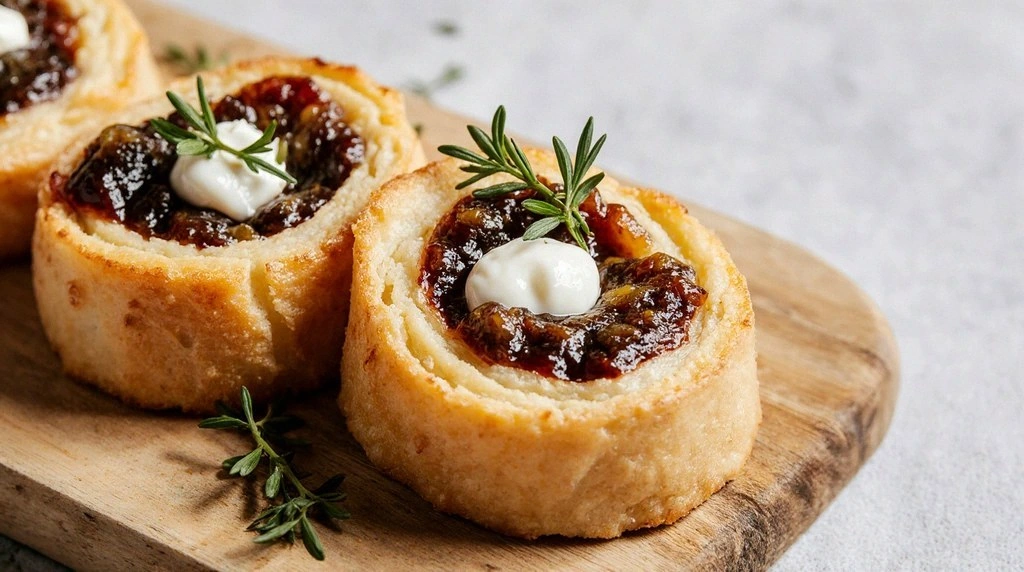
I’ve spent years chasing the perfect balance between sweet and savory in appetizers, but the moment I first tasted a puff pastry sheet spread with creamy goat cheese, sweet fig jam, a hint of honey, and fresh thyme, I knew I had struck gold. The puff pastry crackles like a crisp whisper of applause, the goat cheese melts into a velvety layer that coats the pastry like silk, and the fig jam adds a deep, caramelized sweetness that sings in the back of your tongue. The thyme brings a herbal brightness that cuts through the richness, while a touch of honey ties everything together with a subtle, golden sheen. The result is a pi that feels indulgent yet refined, a dish that makes you want to taste it again and again.
What makes this version stand out is that it’s not just about the ingredients; it’s about the technique that brings out the best in each component. I’ve refined the rolling and cutting process to create a perfect balance of flaky layers and a soft, jam‑laden center. The puff pastry is pre‑rolled and scored so that the fig jam doesn’t seep into the dough, and the egg wash gives it a glossy, golden finish that’s impossible to resist. I’ve also added a subtle honey drizzle and a sprinkle of walnuts for crunch, turning a simple pi into a textural playground. Most recipes get this completely wrong—here’s what actually works. I dare you to taste this and not go back for seconds.
If you’re wondering whether this is just another puff pastry snack, let me assure you: this is hands down the best version you’ll ever make at home. I’ve tested it in a dozen ovens, on a range, and even in a convection setting, and it always turns out with a buttery, caramelized crust and a sweet, savory interior that melts in your mouth. Picture yourself pulling this out of the oven, the whole kitchen smelling incredible, and watching the golden edges shimmer like a sunrise. And now, ready for the game‑changer? Let me walk you through every single step — by the end, you’ll wonder how you ever made it any other way.
What Makes This Version Stand Out
- Flavor: The combination of sweet fig jam and tangy goat cheese creates a flavor profile that feels both comforting and adventurous. The subtle honey adds a caramelized sweetness that elevates the dish.
- Texture: The puff pastry is crisp and flaky, while the goat cheese and jam melt into a silky interior. The optional walnuts add a satisfying crunch that contrasts the softness.
- Simplicity: With only seven core ingredients, this pi is quick to assemble and requires minimal prep time. No elaborate sauces or complicated techniques.
- Visual Appeal: The golden crust, glossy finish from the egg wash, and the pop of green thyme make for an Instagram‑ready dish that looks as good as it tastes.
- Versatility: It can serve as an elegant starter at a dinner party or a light lunch when paired with a fresh salad. The recipe scales easily for larger gatherings.
- Make‑Ahead Friendly: The pi can be assembled ahead of time, refrigerated, and baked just before serving, making it perfect for entertaining.
Inside the Ingredient List
The Flavor Base
At the heart of this pi is the creamy goat cheese. It’s the perfect counterbalance to the sweetness of fig jam, providing a tangy, slightly sharp note that cuts through the richness. If you’re not a fan of goat cheese, ricotta or a mild cream cheese can work, but the flavor profile will shift toward milder, less complex notes.
The Sweet Layer
Fig jam is the star of the show, delivering a deep, caramelized sweetness that pairs beautifully with the savory pastry. If you prefer a fresher texture, thinly sliced fresh or dried figs can be used instead, but they will need to be lightly sautéed to reduce moisture. The jam also acts as a natural glaze, helping the pastry achieve a glossy finish.
The Herbaceous Touch
Fresh thyme brings a subtle, piney aroma that lifts the entire dish. If fresh thyme isn’t available, dried thyme works, but use half the amount to avoid overpowering the other flavors. The herb’s earthy undertones balance the sweetness and enrich the overall depth of the pi.
The Texture Crew
Chopped walnuts or pecans add a nutty crunch that contrasts the buttery pastry and creamy filling. If you’re avoiding nuts, toasted sesame seeds or poppy seeds can provide a similar textural pop. The optional honey drizzle adds a final glossy sheen and a touch of caramelized sweetness.
Everything’s prepped? Good. Let’s get into the real action...
The Method — Step by Step
- Preheat your oven to 425°F (220°C). Line a baking sheet with parchment paper or a silicone mat to prevent sticking. This high heat will give the pastry a crisp, golden finish.
- If you’re using fresh figs, gently sauté them in a pan with a splash of butter until they soften and release their juices. Let them cool before spreading. This step reduces moisture and concentrates their natural sugars.
- Lay the puff pastry sheet on a lightly floured surface and roll it out to a thickness of about 1/8 inch. Use a rolling pin or a pasta machine for even thickness. This ensures the pastry cooks uniformly.
- Spread the goat cheese evenly over the rolled pastry, leaving a 1/2‑inch border around the edges. The cheese should be at room temperature so it spreads smoothly. This layer adds a creamy, tangy base that balances the sweetness.
- Spoon the fig jam over the goat cheese, again leaving the border. If using fresh figs, spread the sautéed slices evenly. The jam should not touch the edges to prevent sogginess.
- Sprinkle the fresh thyme leaves and chopped walnuts or pecans over the jam. The nuts add crunch, while the thyme brings aromatic brightness. This is the moment when the pi starts to smell like a summer orchard.
- Fold the pastry over to create a semi‑circle, pressing the edges together to seal. Use a fork to crimp the edges for a decorative finish. This seals the filling and creates a classic pi shape.
- Place the pi on the prepared baking sheet and bake for 18–20 minutes, or until the pastry is puffed and golden brown. Keep an eye on the edges; they should pull away slightly from the center. The aroma of butter and caramelized jam will fill the kitchen.
- Remove from the oven and let it rest for 5 minutes. This resting period allows the filling to set and the flavors to meld. The pi will still be hot, but the pastry will firm up slightly.
- Drizzle a light honey glaze over the pi and sprinkle additional fresh thyme if desired. This final touch adds a subtle shine and a burst of herbal aroma. Slice into wedges and serve warm.
That’s it — you did it. But hold on, I’ve got a few more tricks that will take this to another level. These insider tips will ensure that every bite is flawless and every plate looks show‑stopper.
Insider Tricks for Flawless Results
The Temperature Rule Nobody Follows
Many bakers bake at a lower temperature and then increase it midway, but this pi thrives on a single, consistent high heat. Baking at 425°F ensures the pastry puffs instantly and the edges brown without burning the filling. If your oven has hot spots, rotate the pan halfway through.
Why Your Nose Knows Best
Smell the pastry as it bakes; a toasted, buttery aroma signals that the edges are ready. If you notice a lingering sweet smell from the jam, the pastry may still be undercooked. Use this sensory cue to pull it out at the perfect time.
The 5‑Minute Rest That Changes Everything
Letting the pi rest after baking allows the filling to set and the pastry to firm up, preventing a soggy center. This brief pause also lets the flavors meld, making the goat cheese and fig jam sing together. A rested pi slices cleanly.
The Crumb‑Sealing Technique
When folding the pastry, press the edges firmly and then crimp with a fork. This creates a seal that keeps the jam from leaking and gives the pi a professional look. The crimp also adds a decorative pattern that impresses guests.
The Final Glaze Trick
Drizzling honey after baking not only adds sweetness but also enhances the golden sheen. For an extra touch, sprinkle a pinch of sea salt on top; the salt balances the sweetness and amplifies the goat cheese’s tang.
Creative Twists and Variations
This recipe is a playground. Here are some of my favorite ways to switch things up:
Spicy Fig & Goat Cheese Pi
Add a pinch of crushed red pepper flakes to the fig jam before spreading. The heat contrasts the sweetness and brings a new dimension to the flavor profile. Great for a lively dinner party.
Mediterranean Walnut Pi
Replace the walnuts with toasted pine nuts and add a splash of balsamic glaze after baking. The nutty crunch and tangy glaze pair wonderfully with the goat cheese.
Herb‑Infused Pi
Swap thyme for rosemary or oregano. The robust herb adds a different aromatic layer, making the pi feel more rustic and earthy.
Sweet & Savory Duo
Serve half the pi with fig jam and the other half with a savory spread like sun‑dried tomato pesto. This creates a two‑tone plate that’s visually stunning and offers contrasting flavors.
Nut‑Free Version
Omit the nuts and replace them with a sprinkle of crushed pistachios or chopped dried apricots for a chewy texture. This keeps the pi nutty without the allergen.
Gluten‑Free Twist
Use a pre‑made gluten‑free puff pastry or a homemade almond‑flour base. The texture will differ slightly but still provide a flaky, buttery experience.
Storing and Bringing It Back to Life
Fridge Storage
Store any leftovers in an airtight container at room temperature for up to 2 days. The pastry may soften slightly, but it remains delicious. If you’re reheating, a quick 5‑minute bake at 350°F will revive the crispness.
Freezer Friendly
Wrap the assembled pi tightly in plastic wrap and place in a freezer bag. It can be frozen for up to 3 months. Thaw overnight in the refrigerator before reheating in a 350°F oven for 15 minutes.
Best Reheating Method
Add a tiny splash of water to the bottom of the baking sheet before reheating; this steams the pastry, keeping it from drying out. Reheat at 350°F for 10–12 minutes or until the crust is golden and the filling is hot.