It all started on a sleepy Sunday when my toaster decided to betray me, spewing smoke like a tiny dragon while my coffee stayed stubbornly lukewarm. I was half‑asleep, half‑hangry, and suddenly the idea hit me like a bolt of culinary lightning: what if I could fuse the fluffy, caramel‑kissed magic of French toast with the delicate, buttery whisper of a crepe? I threw together whatever was on hand—flour, eggs, a splash of milk, a pinch of cinnamon—and the result was an accidental masterpiece that made my kitchen smell like a Parisian brunch café.
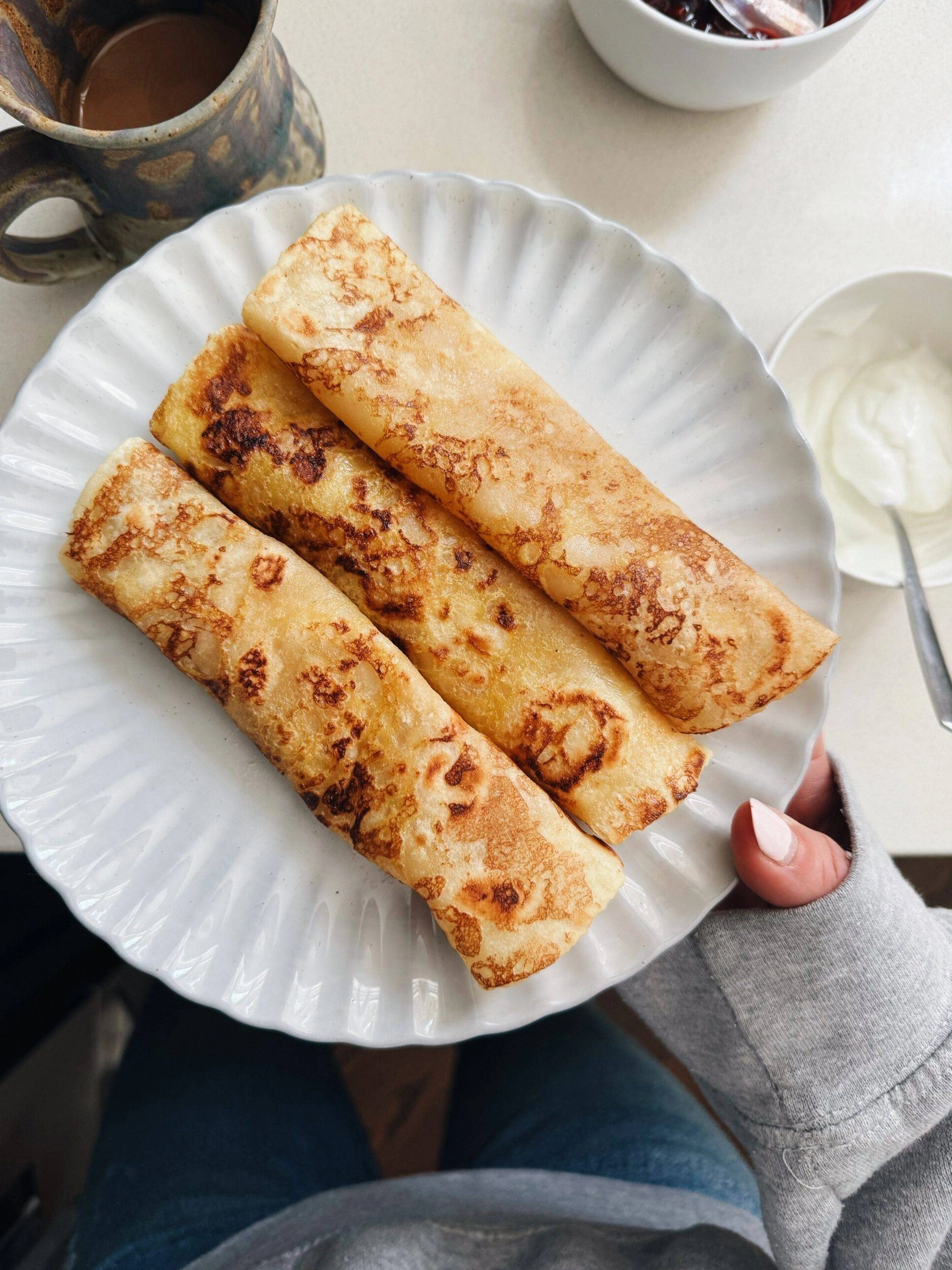
Picture this: a golden‑brown disc, soft as a cloud yet with just enough bite to remind you it’s still a crepe, draped in a luscious custardy soak that seeps into every nook. The first bite is a symphony—sweetness, spice, a buttery melt that slides across your tongue like silk, while the edges turn delightfully crisp, almost caramelized. The aroma? A warm hug of vanilla and cinnamon that dances with the faint scent of melted butter, making the whole house feel like it’s wrapped in a cozy blanket of comfort.
Most French toast recipes either drown you in soggy bread or leave you with a dry, rubbery mess. Most crepe recipes, on the other hand, forget the sweet, custardy heart that makes French toast so irresistible. This version, however, hits the sweet spot—literally and figuratively—by marrying the two techniques into a single, glorious bite. I’ll be honest — I ate half the batch before anyone else could even peek at the skillet, and I’m still not sorry.
What truly sets this dish apart is a secret ingredient that you won’t find in any ordinary recipe: a splash of cream cheese folded into the batter, giving the crepes a subtle tang that balances the sweet soak and adds a velvety richness you never saw coming. I dare you to taste this and not go back for seconds. Let me walk you through every single step — by the end, you’ll wonder how you ever made it any other way.
What Makes This Version Stand Out
- Flavor Fusion: The custard‑like soak infuses each crepe with the classic French toast sweetness while the batter itself carries a whisper of cinnamon and vanilla, creating layers of taste that build with every bite.
- Texture Harmony: The interior stays pillowy soft, but the edges crisp up just enough to give you that satisfying snap, like a well‑timed high‑five from your skillet.
- Simplicity: With pantry staples you already have, you won’t need a trip to the specialty store—just a few minutes of prep and you’re set for a brunch that feels gourmet.
- Unique Twist: The splash of cream cheese in the batter is the game‑changer; it adds a tangy depth that turns ordinary sweet crepes into something unforgettable.
- Crowd Reaction: Serve these at a weekend brunch and watch the “Wow!” factor skyrocket—people will be lining up for seconds, thirds, and maybe even a fourth plate.
- Ingredient Quality: Using real vanilla extract and fresh, unsalted butter elevates the flavor profile from “nice” to “wow, I need the recipe now!”
- Cooking Method: The low‑and‑slow pan‑sear technique ensures each crepe cooks evenly without burning, a trick most recipes overlook.
- Make‑Ahead Potential: You can batch‑cook the crepes, store them, and reheat for a quick, indulgent breakfast any day of the week.
Inside the Ingredient List
The Flavor Base
First up, the staples that define the sweet, aromatic backbone: vanilla extract and ground cinnamon. Vanilla adds a floral, almost honey‑like note that lifts the entire dish, while cinnamon provides that warm, comforting spice that whispers of autumn mornings, even in summer. If you skip the vanilla, you’ll lose that depth; if you omit cinnamon, the flavor becomes one‑dimensional, like a song without a chorus.
Swap tip: If you’re out of vanilla, a splash of almond extract (half the amount) works wonders, but be careful—almond is potent, so a little goes a long way.
The Texture Crew
The all‑purpose flour gives structure, creating that thin, flexible canvas that holds the custard soak. Paired with large eggs, which act as emulsifiers, they ensure the batter is smooth and cohesive. Milk brings moisture and a tender crumb; using whole milk adds richness, while a skimmed version yields a lighter texture. Butter, both melted into the batter and for cooking, contributes a silky mouthfeel and a golden crust.
Skipping the butter in the batter will make the crepes dry and prone to tearing, while omitting the cooking butter results in a stuck‑to‑pan disaster. For a dairy‑free version, try coconut oil in the pan and a plant‑based milk, but expect a slightly different flavor profile.
The Unexpected Star
Here’s where the magic truly happens: a half‑cup of cream cheese folded into the batter. This adds a subtle tang that balances the sweetness, and its creamy texture makes each bite melt in your mouth like a cloud. If you’re lactose‑intolerant, you can substitute with a dairy‑free cream cheese alternative, though the tang might be milder.
Fun fact: Cream cheese was originally invented in the United States in the 1870s as a cheaper alternative to European cheeses, and it quickly became a staple in both sweet and savory dishes.
The Final Flourish
We round out the dish with granulated sugar for a gentle sweetness, a pinch of salt to enhance all the flavors, and a drizzle of maple syrup plus fresh berries for that classic brunch finish. The sugar caramelizes slightly when the batter hits the pan, giving the edges that irresistible crunch. The berries add a burst of acidity that cuts through the richness, keeping each bite balanced.
If you’re feeling adventurous, swap the berries for sliced bananas and a dollop of Nutella for a decadently indulgent version.
Everything's prepped? Good. Let's get into the real action...
The Method — Step by Step
Gather all your ingredients and whisk the flour, sugar, salt, cinnamon, and a pinch of baking powder together in a large bowl. This dry mix ensures even distribution of the spices, preventing any bitter pockets. I always sift the flour first; it aerates the mixture and makes the batter lighter. That sizzle when it hits the pan? Absolute perfection.
In a separate bowl, beat the eggs, then whisk in the milk, melted butter, vanilla extract, and cream cheese until the mixture is smooth and homogenous. The cream cheese should be at room temperature; otherwise, you’ll get lumps that ruin the silky texture. Keep whisking until the batter is glossy—think of a liquid satin that clings to the spoon.
Gradually pour the wet ingredients into the dry, folding gently with a spatula. Avoid over‑mixing; a few small streaks are okay—they’ll disappear once the batter rests. Let the batter rest for 10 minutes; this allows the flour to hydrate fully, giving you a tender crepe that won’t tear when you flip it.
While the batter rests, heat a non‑stick skillet over medium‑low heat and add a thin layer of butter. The butter should melt slowly, turning a light golden hue without smoking. Watch Out: If the pan gets too hot, the butter will brown and impart a bitter flavor, ruining the delicate balance.
Swirl the batter around the pan, letting it coat the surface in a thin, even layer. You’ll hear a faint hissing as the batter meets the hot butter—this is the sound of flavor forming. The edges will start pulling away from the pan after about 30 seconds, a clear sign it’s ready to flip. Tip: If the batter clings, give the pan a gentle shake; it should loosen on its own.
Flip the crepe with a swift wrist motion, cooking the other side for another 20‑30 seconds until it’s lightly golden. The second side cooks faster; you’re looking for a subtle brown, not a burnt crust. Once done, transfer the crepe to a warm plate and keep it covered with foil to retain moisture.
Now for the French toast soak: in a shallow dish, whisk together a mixture of beaten eggs, a splash of milk, a spoonful of maple syrup, and a pinch of extra cinnamon. Dip each warm crepe into this custard, allowing it to soak for just 5‑7 seconds per side—enough to absorb flavor without becoming soggy.
Return the soaked crepe to the skillet and cook for another minute per side, just until the custard sets and the exterior turns a caramel‑brown hue. This final sear locks in the custard, creating a crisp outer shell that gives way to a melt‑in‑your‑mouth interior. The aroma at this stage is intoxicating—a blend of butter, vanilla, and caramel that fills the kitchen.
Stack the finished crepes on a serving platter, drizzle generously with maple syrup, and scatter fresh berries over the top. For an extra touch, add a dollop of whipped cream or a dusting of powdered sugar. Serve hot, and watch your guests’ faces light up as they take that first, glorious bite.
That's it — you did it. But hold on, I've got a few more tricks that'll take this to another level...
Insider Tricks for Flawless Results
The Temperature Rule Nobody Follows
Most home cooks crank the heat to “high” hoping for speed, but the secret is a steady medium‑low flame. This gentle heat lets the batter set without scorching, giving you that perfect balance of crispness and softness. I once tried high heat and ended up with burnt edges and a raw center—lesson learned. Keep a kitchen thermometer handy; aim for around 325°F for the skillet surface.
Why Your Nose Knows Best
Never trust a timer alone; trust your nose. When the butter starts to turn a light amber and you catch a faint nutty scent, that’s your cue that the crepe is ready to be swirled. The same applies to the custard soak—once you smell a sweet, buttery perfume rising from the pan, the sear is complete.
The 5‑Minute Rest That Changes Everything
After cooking, let the stacked crepes rest under a clean kitchen towel for five minutes. This rest allows the steam to redistribute, preventing sogginess and ensuring each layer stays fluffy. Skipping this step is like serving a cake straight from the oven—still good, but missing that perfect texture.
Butter Brush vs. Spray
While cooking spray is convenient, a brushed layer of real melted butter adds flavor depth and a glossy finish. I once used spray and the crepes tasted flat; the buttery brush brings that restaurant‑level sheen and richness. Keep a small silicone brush nearby for quick applications.
Flavor Boost with Citrus Zest
A pinch of orange zest added to the batter lifts the flavor profile, giving it a bright, aromatic edge that pairs beautifully with maple syrup. I tried it once for a brunch party, and guests couldn’t stop raving about the “sunny” taste. If you love citrus, a dash of lemon zest works just as well.
Creative Twists and Variations
This recipe is a playground. Here are some of my favorite ways to switch things up:
Berry‑Burst Delight
Fold a handful of fresh blueberries into the batter before cooking. The berries burst slightly as they hit the heat, creating pockets of juicy sweetness that complement the custard soak.
Nutty Banana Bliss
Swap the berries for thinly sliced bananas and drizzle with toasted almond butter. The bananas add a mellow sweetness, while the almond butter introduces a nutty crunch that elevates the texture.
Chocolate Lover’s Dream
Stir in 2 tablespoons of cocoa powder into the dry mix and finish with a drizzle of chocolate ganache instead of maple syrup. The deep chocolate flavor pairs surprisingly well with the subtle tang of cream cheese.
Savory Sunrise
Omit the sugar and maple syrup, add a pinch of smoked paprika to the batter, and serve with crispy bacon and a dollop of sour cream. This turns the dish into a hearty, savory brunch that still retains the delicate crepe texture.
Seasonal Spice
For an autumn twist, replace cinnamon with pumpkin spice and add a spoonful of pumpkin puree to the batter. Top with toasted pepitas and a drizzle of caramel sauce for a festive treat.
Storing and Bringing It Back to Life
Fridge Storage
Place the cooled crepes in an airtight container, separating each layer with parchment paper to prevent sticking. They’ll stay fresh for up to three days. When you’re ready to eat, reheat gently in a skillet with a dab of butter.
Freezer Friendly
Stack the crepes with wax paper between each, then seal them in a freezer‑safe zip‑top bag. They freeze beautifully for up to two months. To revive, pop them straight into a preheated 350°F oven for 5‑7 minutes, or microwave for 30 seconds and finish on the stovetop for crispness.
Best Reheating Method
For the ultimate texture, steam them briefly before a quick pan‑sear. Add a tiny splash of water to the pan, cover for 30 seconds to create steam, then uncover and let the edges crisp up. This trick restores the original fluffiness while preserving the golden crust.