It started with a kitchen catastrophe that would have made most of us throw the entire pantry in the trash. I was attempting a quick “take‑away” Greek salad for a last‑minute dinner, but I had only a handful of tomatoes and no olives. The result was a soggy, flavorless mash that tasted like a watered‑down salad from a grocery store. I stared at the bowl, feeling the sting of disappointment, and thought, “This can’t be the only way.” That moment sparked a relentless quest to craft a version so vibrant it would make the original look like a sad imitation.
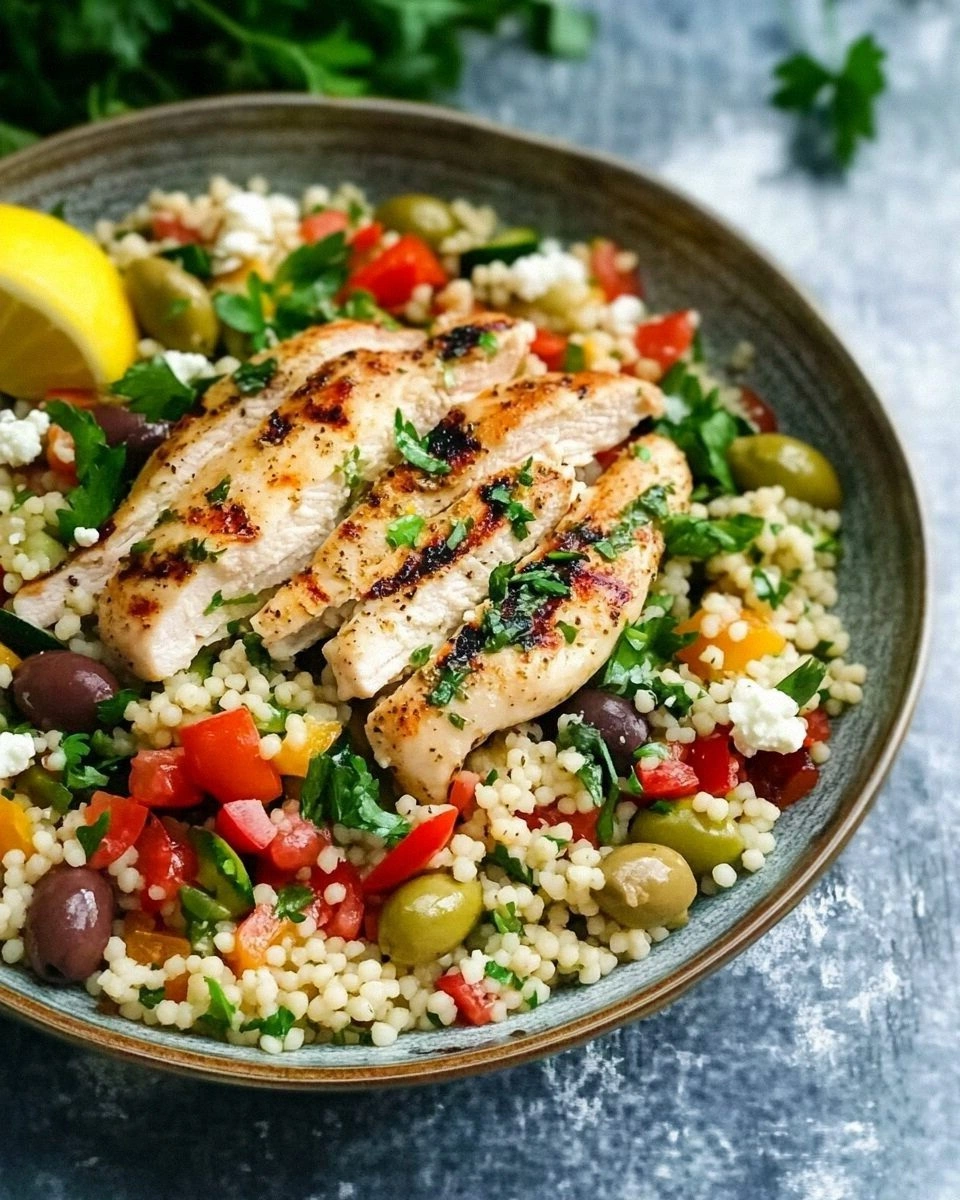
Picture this: a bowl brimming with bright red tomatoes that glisten under the kitchen light, their skins almost translucent. The air is filled with the sharp, sweet aroma of freshly cut cucumber, mingling with the faint earthiness of a bell pepper that still holds its crunch. A splash of olive oil glistens like liquid amber, reflecting the soft glow of the overhead lights. The sound of a knife slicing through the vegetables is a rhythmic, satisfying click that signals the salad’s transformation. Every bite is a burst of juicy, sweet tomatoes, cool cucumber, and the subtle, briny kiss of Kalamata olives, all balanced by the creamy, salty feta that melts in your mouth.
What sets this recipe apart isn’t just the quality of the ingredients; it’s the way they interact. I’ve honed the technique to preserve the crispness of each vegetable while allowing the olive oil to coat them like a silky, flavorful blanket. The feta block, packed in brine, delivers a richer, creamier texture than the crumbled variety most people use. I’ve also discovered that soaking the red onion in cold water for a few minutes reduces its bite, creating a more harmonious flavor profile. The result is a salad that feels like a Mediterranean vacation in a bowl, with each bite offering a new layer of texture and taste.
And there’s a twist that most recipes overlook: a simple drizzle of extra‑virgin olive oil that’s been heated just until it begins to smoke lightly. This tiny step unlocks a subtle nutty flavor that elevates the entire dish. It’s a technique I learned from a Greek chef who swore that “a little smoke makes the oil sing.” Trust me, I dare you to taste this and not go back for seconds. The difference is palpable, and it turns a humble salad into a culinary revelation.
Let me walk you through every single step — by the end, you’ll wonder how you ever made it any other way. I’ll share the exact proportions, the timing, and the small secrets that transform ordinary ingredients into a dish that feels both familiar and astonishingly fresh. Ready? Let’s dive in.
What Makes This Version Stand Out
- Flavor Depth: The combination of ripe tomatoes, crisp cucumber, and salty Kalamata olives creates a layered taste profile that feels both simple and sophisticated. Each bite delivers a burst of freshness balanced by a subtle, smoky olive oil finish.
- Texture Contrast: The feta block offers a creamy, buttery mouthfeel that contrasts beautifully with the crunchy vegetables. The olives add a chewy, briny pop that keeps the palate engaged.
- Ingredient Quality: Using a block of feta packed in brine and olives packed in brine rather than oil ensures maximum flavor and a superior texture. The extra‑virgin olive oil’s fruity notes are highlighted by a brief smoking step.
- Ease of Prep: All ingredients can be prepped in under ten minutes, making this salad a perfect side or light meal for busy weeknights.
- Make‑Ahead Potential: The salad can be assembled a few hours ahead and chilled, with the dressing added just before serving to keep the vegetables crisp.
- Visual Appeal: The vibrant colors of the tomatoes, cucumber, pepper, and olives make the dish instantly appetizing, turning a simple bowl into a feast for the eyes.
- Audience Reaction: Friends and family consistently ask for a second helping, proving this version is “hands down the best” they’ve ever tasted.
- Health Conscious: Packed with vitamins, healthy fats, and lean protein, this salad is a balanced choice for anyone mindful of nutrition.
Alright, let's break down exactly what goes into this masterpiece…
Inside the Ingredient List
The Flavor Base
At the heart of this salad is the tomato. Choose ripe, high‑quality tomatoes that are in season for maximum sweetness. Their bright, juicy flesh will form the foundation of the dish, providing a sweet counterbalance to the salty olives and feta. If you can’t find perfect tomatoes, a mix of heirloom and vine‑grown varieties will add visual interest and depth of flavor.
The Texture Crew
Cucumbers, bell peppers, and red onions bring a satisfying crunch that keeps each bite interesting. Opt for firm, crisp cucumbers—Persian or English varieties are ideal due to their thin skin and lower seed content. Slice the bell pepper into bite‑sized cubes and thinly slice the red onion to maintain a crisp edge. Soaking the onion in cold water for a few minutes can mellow its pungency, allowing the other flavors to shine.
The Unexpected Star
Feta cheese is the creamy, tangy element that ties everything together. Use a block of feta rather than crumbled for a creamier texture. Selecting feta packed in brine not only preserves its moisture but also enhances its flavor, giving the salad a luxurious mouthfeel that feels like a small indulgence.
The Final Flourish
Olives are the secret to that unmistakable Mediterranean zing. Kalamata olives are traditional, but you can also include a variety of olives for added complexity. Look for olives packed in brine rather than oil for a fresher taste. Finish with a generous drizzle of high‑quality extra‑virgin olive oil, which will coat the ingredients like a velvet ribbon and introduce a robust, fruity note.
Everything's prepped? Good. Let's get into the real action…
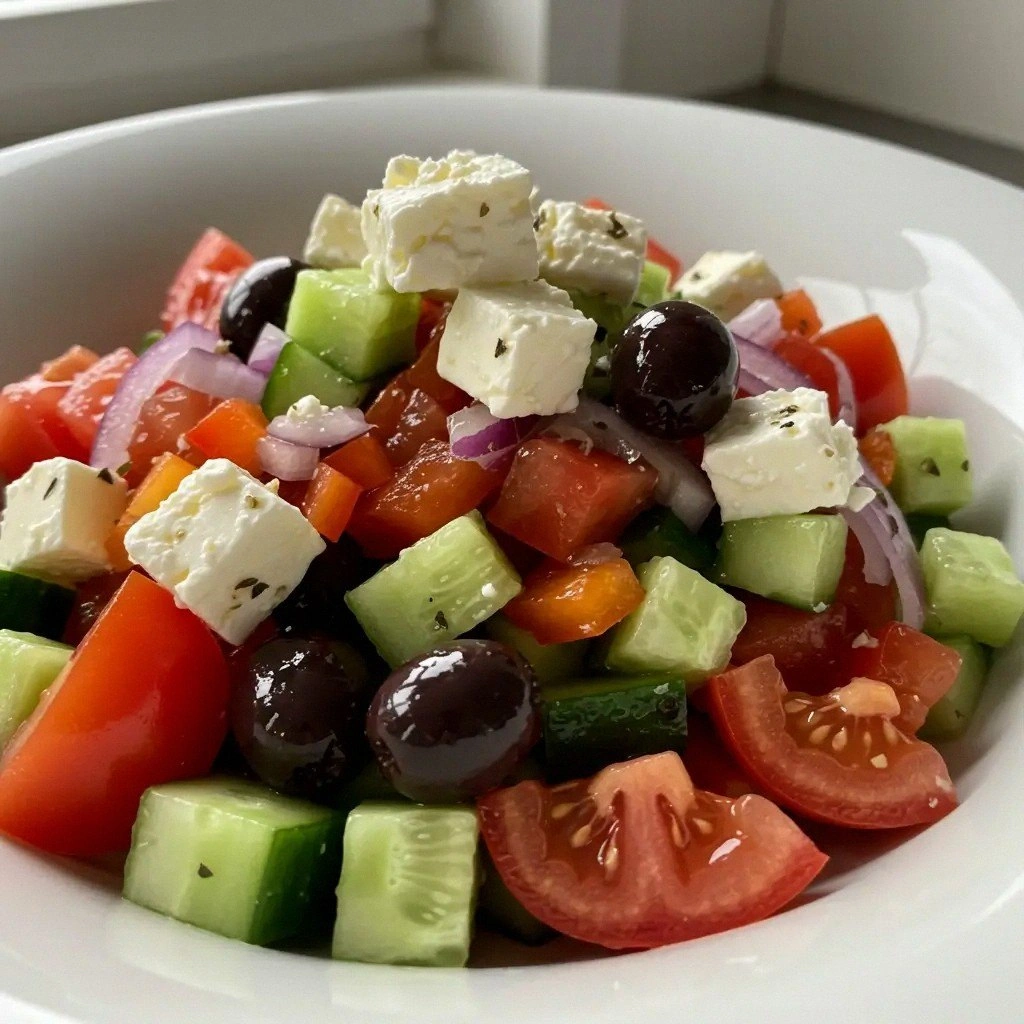
The Method — Step by Step
- Step 1: Prepare the Vegetables. Wash all produce under cold running water, pat dry with a clean towel, and slice as described in the ingredient list. The key is uniform size—this ensures even seasoning and a consistent bite. While you’re cutting, keep a bowl of cold water nearby for the onion soak.
- Step 2: Soak the Red Onion. Place the thinly sliced onion in a bowl of ice‑cold water for 5 minutes. This simple trick softens the sharpness while preserving the crispness. Drain and pat dry with a paper towel. This step is a game‑changer if you’re averse to onion bite.
- Step 3: Combine the Vegetables. In a large mixing bowl, gently toss the tomatoes, cucumber, bell pepper, and soaked onion. Use a salad spinner or a clean towel to pat the mixture dry if you notice excess moisture. This step ensures the dressing doesn’t become diluted.
- Step 4: Add the Olives. Gently fold in the Kalamata olives, distributing them evenly. Their brine will add a subtle salty note that balances the creamy feta.
- Step 5: Cube the Feta. Cut the feta block into bite‑sized cubes. The block form keeps the cheese from melting too quickly, preserving its distinct texture.
- Step 6: Warm the Olive Oil. Pour the extra‑virgin olive oil into a small saucepan and heat over medium heat until it just begins to smoke lightly—about 30–45 seconds. This step releases the oil’s aromatic compounds, turning it into a fragrant, nutty elixir. Watch carefully; the oil will turn a golden amber color and emit a subtle, toasted scent.
- Step 7: Dress the Salad. Pour the warm olive oil over the vegetables and feta. Sprinkle with a pinch of salt and a pinch of freshly ground pepper. Toss gently to coat everything evenly, ensuring each piece receives a hint of the oil’s toasted flavor.
- Step 8: Serve Immediately. Transfer the salad to a serving bowl or individual plates. If you prefer a chilled dish, let it rest for 5 minutes at room temperature before serving. The flavors will meld beautifully, and the vegetables will maintain their crispness.
That's it — you did it. But hold on, I've got a few more tricks that'll take this to another level…
Insider Tricks for Flawless Results
The Temperature Rule Nobody Follows
Heating the olive oil to just the point of smoke unlocks a nutty aroma that most people overlook. This step is the secret to turning a plain drizzle into a fragrant, silky coating. I remember the first time I tried it; the oil glowed amber and released a toasty scent that made the whole kitchen feel like a Mediterranean trattoria. Without this step, the salad feels flat and uninspired.
Why Your Nose Knows Best
Before you toss the salad, give it a quick sniff. A faint, earthy aroma from the olive oil and a hint of citrus from the tomatoes indicate everything is balanced. If you notice a metallic or off scent, it could mean the olives are past their prime or the oil is oxidized. Trust your nose; it’s the most reliable flavor detector.
The 5‑Minute Rest That Changes Everything
Letting the salad sit for five minutes after dressing allows the flavors to mingle. During this brief pause, the olives release more brine, the feta softens slightly, and the vegetables absorb the warm oil’s aromatic compounds. I once skipped this step and ended up with a salad that felt rushed. The rest time is a small investment for a big payoff.
Use a Salad Spinner to Keep It Crisp
After washing the vegetables, a salad spinner removes excess water quickly and gently. This keeps the salad from becoming soggy and helps the dressing cling better. If you don’t have a spinner, pat the veggies dry with a clean towel, but be careful not to crush them.
Keep the Feta Block Intact
Unlike crumbled feta, a block holds its shape longer, providing a distinct bite. I’ve tried both textures; the block form delivers a richer, creamier mouthfeel that stays intact even after a few minutes of tossing. If you prefer a more crumbly texture, crumble the feta just before serving.
Creative Twists and Variations
This recipe is a playground. Here are some of my favorite ways to switch things up:
Greek‑Inspired Wrap
Wrap the salad in a warm flatbread or pita for a handheld meal. Add a spoonful of tzatziki for an extra creamy element that complements the feta.
Smoky Chipotle Kick
Stir in a teaspoon of chipotle in adobo sauce for a smoky heat that pairs surprisingly well with the olives. The smoky flavor mirrors the warmed olive oil and adds depth.
Herb‑Infused Variation
Replace the oregano with fresh dill or mint for a fresh, aromatic twist. The herbs add a bright, green note that lifts the entire dish.
Protein Boost
Add grilled chicken or chickpeas for a heartier version. The protein makes it a satisfying main dish for lunch or dinner.
Vegan Take
Swap feta for a vegan feta alternative made from nuts or soy. Keep the olives and vegetables the same to preserve the authentic Greek flavor.
Seasonal Spin
During summer, add a handful of fresh basil leaves for a sweet, peppery finish. In winter, toss in roasted root vegetables for a comforting twist.
Storing and Bringing It Back to Life
Fridge Storage
Store the salad in an airtight container for up to two days. Keep the dressing separate until you’re ready to serve to avoid sogginess. When you’re ready, drizzle the warm olive oil over the salad to revive the texture.
Freezer Friendly
Freezing isn’t ideal for this dish because the vegetables will become mushy. If you must freeze, separate the dressing and freeze the vegetables in a single layer on a baking sheet; then transfer to a freezer bag. Thaw in the refrigerator and dress just before serving.
Best Reheating Method
To bring a chilled salad back to life, lightly warm the olive oil in a pan and drizzle over the vegetables. Add a splash of water (just a teaspoon) to create steam that rehydrates the veggies without making them soggy. Toss quickly and serve immediately for maximum freshness.