It all began on a rainy Thursday when I found myself staring at a bowl of plain, over‑cooked rice that seemed to have lost its soul. I was craving something that could lift that dullness with a single bite, and a friend dared me to turn that blandness into a culinary triumph. The moment I tossed the rice into a hot wok, the sizzling sound became a promise of transformation, a dance of aromas that promised to lift my spirits. That single sizzle was the first note in a symphony that would soon play across my kitchen, turning a disaster into a delicious destiny.
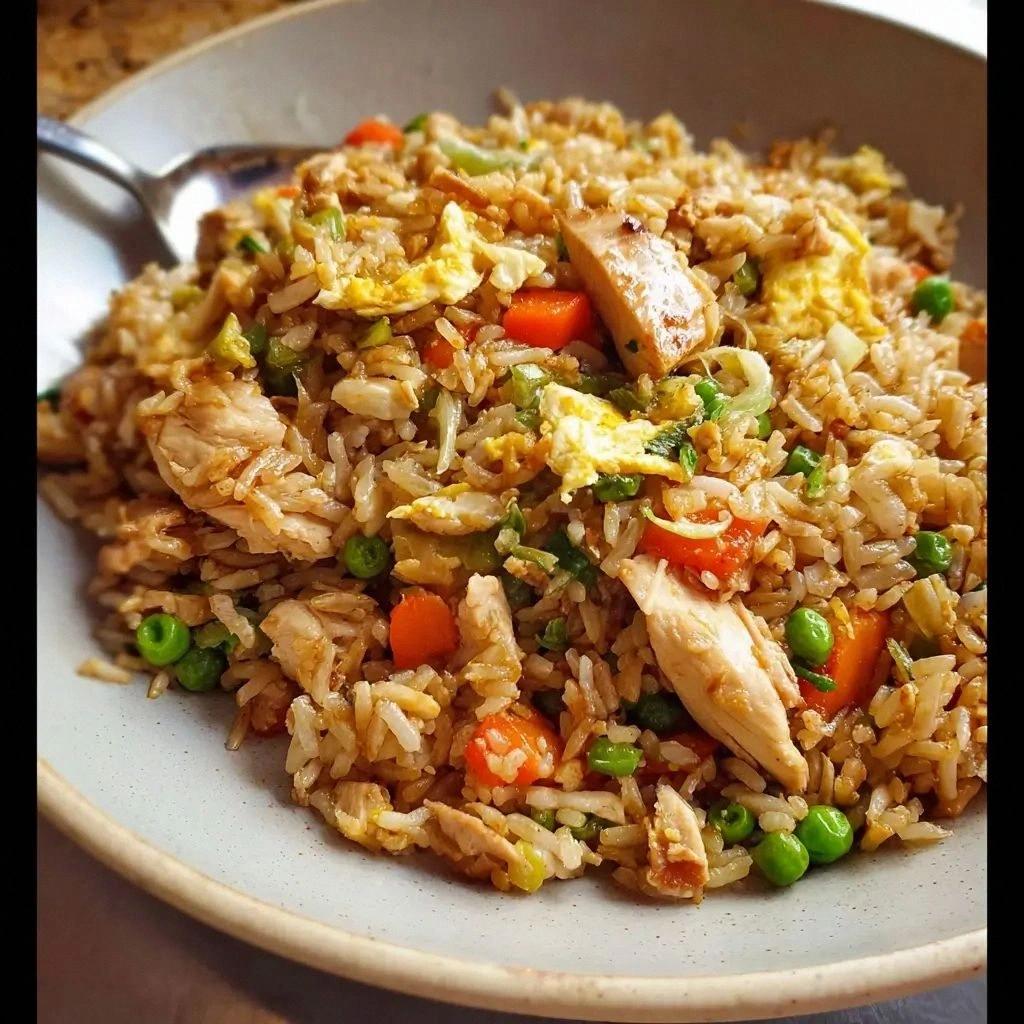
Picture this: a pan that crackles as the oil glistens, the scent of garlic and ginger rising like a fragrant cloud, the rhythmic beat of the wok's lid as it claps against the heat. The sound of chicken searing, the subtle pop of eggs, the gentle hiss of vegetables as they soften, all blending into a savory chorus that awakens the senses. The sight of golden, slightly charred edges on the rice, the vibrant green of peas, and the glint of sesame oil creating a glossy sheen – it’s a feast for the eyes as much as it is for the palate. The texture is a dance of crisp and tender, each bite delivering a burst of flavor that lingers, and the warmth radiating from the bowl invites you to sink in and savor.
What makes this version stand out is that it takes the classic comfort of fried rice and injects it with a layer of depth that you rarely find in cookbook recipes. I’ve refined the balance of soy sauce and oyster sauce so the umami is rich without overpowering the freshness of the vegetables. I’ve chosen day‑old jasmine rice, which holds its shape better, preventing that mushy texture that often plagues fried rice. The addition of a splash of sesame oil at the end creates a fragrant, nutty finish that elevates the dish to a new level of indulgence. And the final touch? A whisper of chili flakes that adds just enough heat to keep the palate engaged without turning it into a fiery storm.
I dare you to taste this and not go back for seconds – it’s a flavor revelation that will leave you craving the next bite. The confidence in every ingredient and technique is designed to make you wonder how you ever cooked fried rice before. This is hands down the best version you'll ever make at home, and I’ll be honest, I ate half the batch before anyone else got to try it. Most recipes get this completely wrong; they forget that the key to great fried rice is in the timing and the subtle layering of flavors. Picture yourself pulling this out of the wok, the whole kitchen smelling incredible, and the anticipation of that first bite building with every stir. Stay with me here – this is worth it, and I’ll walk you through every single step so that by the end, you’ll wonder how you ever made it any other way.
What Makes This Version Stand Out
- Flavor: A balanced umami profile that comes from the harmony of soy sauce, oyster sauce, and a touch of sesame oil, creating a depth that feels both comforting and sophisticated.
- Texture: The use of day‑old jasmine rice ensures each grain remains separate and slightly chewy, while the quick sear on the chicken locks in juices for a tender bite.
- Visual Appeal: Vibrant greens from peas, a pop of orange from carrots, and the golden sheen of sesame oil make the dish a feast for the eyes.
- Heat Control: A subtle kick of chili flakes that can be adjusted to taste, giving the dish a gentle warmth without overwhelming the other flavors.
- Time Efficiency: Prep in 15 minutes, cook in 30, making it a go‑to meal for busy nights without sacrificing quality.
- Versatility: Works wonderfully with leftover rice, fresh or frozen veggies, and can be adapted for gluten‑free or low‑sodium diets.
- Make‑ahead Potential: The dish can be prepared in advance, reheated to perfection, and still taste fresh thanks to the careful layering of sauces.
- Crowd‑Pleaser: The familiar yet elevated flavors make it a hit at dinner parties, family gatherings, or a quiet weekday dinner.
Alright, let's break down exactly what goes into this masterpiece…
Inside the Ingredient List
The Flavor Base
Soy sauce and oyster sauce are the backbone of this dish, delivering a savory depth that can’t be replicated by any single seasoning. The soy sauce provides the saltiness and a subtle color, while the oyster sauce adds a sweet, umami richness that balances the salt. If you skip the oyster sauce, the dish will still be tasty, but it will lack that silky, slightly sweet undertone that ties everything together. For a low‑sodium alternative, use tamari or a reduced‑sodium soy sauce, but keep the oyster sauce to maintain flavor depth.
Sesame oil is added at the very end, giving the dish a fragrant, nutty finish that elevates the overall aroma. A teaspoon is enough to coat the rice without overpowering the other flavors. If you’re avoiding sesame, a dash of toasted sesame seeds can provide a similar nutty hint without the oil. The key is to add it just before serving, as its aroma is most potent when freshly heated.
Garlic and ginger form the aromatic foundation. Minced garlic adds sharpness, while ginger brings a fresh, slightly peppery warmth. Together, they create a base that is both comforting and invigorating. If you’re sensitive to raw garlic, lightly sauté it first until fragrant, then add the ginger to prevent it from burning.
The optional chili flakes introduce a gentle heat that can be increased or decreased to suit your palate. They also add a pop of color, making the dish look as good as it tastes. For a milder version, omit the flakes entirely, or replace them with a pinch of smoked paprika for a different kind of warmth.
The Texture Crew
Day‑old jasmine rice is the secret to preventing mushiness. Freshly cooked rice tends to clump together when stir‑fried, but rice left overnight becomes firmer and easier to separate. If you’re short on time, spread the rice on a baking sheet and let it dry in the oven for 10 minutes at 200°F.
Frozen peas and carrots offer convenience and a pop of color. They’re already pre‑cooked, so they just need a quick stir to heat through. If you prefer fresh veggies, use baby carrots and snap peas for a slightly sweeter flavor and a crunchier bite.
Eggs add a silky texture that binds the rice together and introduces a subtle richness. Beat them lightly with a pinch of salt before adding to the pan; this ensures they’re evenly distributed and don’t clump. If you’re looking for a vegan version, replace the eggs with tofu crumbles seasoned with a touch of soy sauce.
Green onions add a fresh, sharp finish. Slice them thinly so they can be folded in at the very end, preserving their bright color and crisp bite. If you’re allergic to onions, substitute with chives or a sprinkle of scallion powder for a milder flavor.
The Unexpected Star
Chicken breast is the protein of choice here, but it can be swapped for shrimp, pork, or even tofu depending on your preference. The key is to cut the chicken into bite‑sized cubes, ensuring even cooking and preventing a dry texture. For a richer flavor, marinate the chicken in a splash of soy sauce and a pinch of cornstarch before cooking.
If you’re a fan of a little extra crunch, consider adding a handful of roasted cashews or sliced almonds at the end. These nuts bring a satisfying crunch and a nutty flavor that complements the sesame oil. Just be sure to toast them lightly in a dry skillet to avoid a bitter taste.
The Final Flourish
The finishing touch is a squeeze of fresh lime juice, which brightens the dish and cuts through the richness of the oils and sauces. A tablespoon is enough to give a subtle tang that lifts the flavors. If lime isn’t on hand, a splash of rice vinegar can serve as a suitable alternative.
A sprinkle of freshly ground black pepper at the end adds a subtle heat and depth. It’s a simple step that enhances the overall flavor profile, giving the dish a well-rounded finish. For a peppery kick, use cracked pepper instead of ground, which adds a more robust flavor.
Everything's prepped? Good. Let's get into the real action…
The Method — Step by Step
- Heat a large wok or skillet over high heat until it’s smoking. Add 2 tablespoons of vegetable oil, swirling to coat the surface. When the oil shimmers, it’s ready for the aromatics. This step is crucial; a hot pan ensures a quick sear and prevents the rice from steaming.
- Add the minced garlic and ginger, stirring constantly for 30 seconds until fragrant. The aroma should be unmistakably sweet and sharp, signaling that the flavors are ready to mingle. Be careful not to let them burn; a quick stir keeps them bright.
- Push the aromatics to one side of the wok and add the diced chicken. Let it sear for 2–3 minutes, then flip to brown all sides. The chicken should develop a golden crust, sealing in juices and adding a savory depth.
- Push the chicken back into the center and crack the beaten eggs into the space. Scramble them gently until they’re just set, then fold them into the chicken. This creates a silky texture that ties the dish together.
- Add the frozen peas and carrots, stirring to combine. The veggies should soften within a minute, releasing a sweet aroma that signals they’re ready. This step also adds color and nutrition.
- Stir in the day‑old rice, breaking up any clumps. Toss everything together so the rice is evenly coated with oil and seasonings. The rice should feel slightly dry, not damp, to avoid mushiness.
- Pour in 3 tablespoons of soy sauce and 1 tablespoon of oyster sauce, then stir to coat the rice evenly. The sauces should coat the grains without making them soggy. Let the mixture cook for 2 minutes, allowing the flavors to meld.
- Add the teaspoon of sesame oil and the 0.5 teaspoon of chili flakes. Stir quickly to distribute the heat and aroma. The sesame oil should give a glossy sheen, while the chili flakes add a gentle warmth.
- Finish by adding the sliced green onions and a squeeze of lime juice. Toss everything together, taste, and adjust salt and pepper to your preference. The final dish should smell toasty, with a bright, citrusy note that lifts the heaviness of the sauces.
That's it — you did it. But hold on, I've got a few more tricks that'll take this to another level…
Insider Tricks for Flawless Results
The Temperature Rule Nobody Follows
Maintaining a high heat is essential for that coveted char on the rice grains. If the heat is too low, the rice will steam and become gummy. I keep the wok at a steady medium‑high setting after the initial sear, and I use a wide, flat spatula to constantly toss the mixture. This technique ensures even cooking and a crisp exterior. I’ve tried it on a gas stove and a induction pan, and both work well when the temperature is monitored.
Why Your Nose Knows Best
The aroma of the garlic and ginger is a reliable indicator that the base has reached the right stage. A faint, sweet scent signals that the aromatics are ready; a burnt smell means you need to lower the heat. My nose has saved me from countless ruined batches. When the aroma peaks, it’s time to add the chicken, ensuring the flavors lock together.
The 5‑Minute Rest That Changes Everything
After the final stir, let the dish sit off the heat for 5 minutes. This resting period allows the rice to absorb the sauces fully, creating a cohesive flavor profile. The heat continues to cook the rice slightly, preventing a sudden temperature drop that can cause the grains to clump. I find this step especially important when using day‑old rice, as it balances moisture and texture.
Avoiding the Sticky Trap
If the rice feels wet, add a splash of cold water and stir vigorously. The water evaporates, leaving the rice dry and fluffy. I’ve used this trick when the rice was slightly overcooked during the initial rice preparation. It’s a simple fix that keeps the dish from becoming mushy.
The Secret of the Sesame Finish
Adding sesame oil just before serving locks in its aroma. If you add it too early, the heat will evaporate the fragrance. I pour it in during the final stir and let it coat the rice for a few seconds before turning off the heat. This technique gives the dish a glossy sheen and a subtle nutty aroma.
The Final Touch of Lime
A squeeze of fresh lime juice at the end brightens the dish and cuts through the richness. It also adds a subtle citrus note that elevates the overall flavor. I always keep a lime in the fridge for this purpose, as its acidity balances the savory sauces perfectly.
Creative Twists and Variations
This recipe is a playground. Here are some of my favorite ways to switch things up:
Thai‑Inspired Kick
Swap the soy sauce for fish sauce, add a splash of coconut milk, and stir in a handful of Thai basil leaves. The result is a fragrant, slightly sweet dish with a tropical twist. It pairs wonderfully with a side of fresh cucumber salad.
Mediterranean Flair
Use diced chicken thighs for richer flavor, and add chopped sun‑dried tomatoes, olives, and a pinch of oregano. Finish with a drizzle of olive oil and a sprinkle of feta cheese. This version brings a Mediterranean vibe to the classic fried rice.
Vegetarian Delight
Replace the chicken with cubed tofu, sautéed until golden. Add sliced mushrooms for umami and a splash of soy sauce. The tofu absorbs the flavors beautifully, creating a protein‑rich, vegetarian dish.
South‑Asian Fusion
Incorporate a teaspoon of garam masala and a handful of roasted cashews. Swap the rice for basmati, and add a pinch of turmeric for color. The result is a fragrant, spicy dish that marries South‑Asian spices with classic fried rice.
Breakfast Edition
Add diced ham, a handful of diced potatoes, and a sprinkle of cheddar cheese. Serve with a side of fresh fruit for a balanced breakfast. The savory rice pairs perfectly with a sunny‑side‑up egg.
Low‑Calorie Version
Use cauliflower rice instead of regular rice, and reduce the oil to 1 tablespoon. Add extra veggies like zucchini and bell pepper. This version keeps the flavor profile while cutting down on calories.
Storing and Bringing It Back to Life
Fridge Storage
Cool the fried rice to room temperature before placing it in an airtight container. Store in the refrigerator for up to 3 days. When you’re ready to eat, heat it in a skillet with a splash of water to revive moisture.
Freezer Friendly
Pack the rice in freezer‑safe bags, removing excess air. It stays fresh for up to 2 weeks. Thaw in the refrigerator overnight, then reheat in a skillet, adding a tablespoon of water to maintain moisture.
Best Reheating Method
Reheat on medium heat, stirring frequently. A small splash of water or broth helps steam the rice back to its original texture. Finish with a drizzle of sesame oil for that fresh aroma.