Picture this: you’re standing in a sun‑drenched kitchen, the window cracked open just enough for a gentle breeze to carry the distant hum of traffic, and you’ve just rescued the last half‑finished batch of lemonade from the back of the fridge. The lemons are bright as freshly polished gold coins, the sugar granules sparkle like tiny crystals, and the heavy cream sits there, velvety and waiting. I was in that exact moment, half‑heartedly trying to salvage a soggy summer cocktail, when I decided to throw in a splash of vanilla and a dollop of cream just for fun. The result? A drink so decadently smooth it made me question every lemonade I’d ever known.
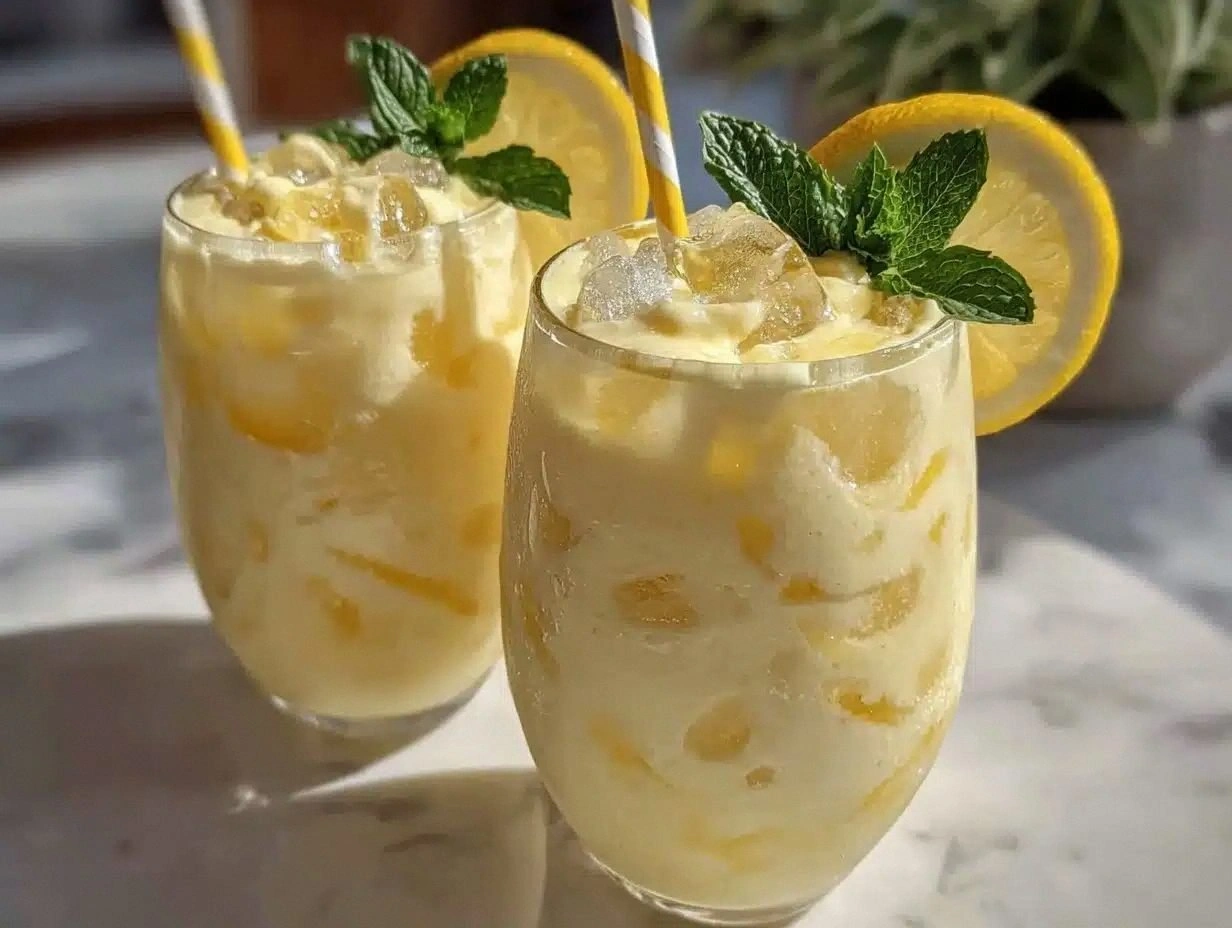
The first sip was a revelation—sharp citrus that danced on the tongue, followed by a buttery, almost buttery richness that wrapped the zest in a silky cloak. It was like a summer sunset in a glass, where the orange‑pink horizon meets a cloud‑soft sky. I could hear the faint fizz of ice cubes clinking against the glass, feel the cool condensation on my fingertips, and smell the fragrant perfume of lemon zest mingling with vanilla. That moment, I thought, “This is hands down the best version you’ll ever make at home.” I dared you to taste this and not go back for seconds, because once you’ve experienced this citrus bliss, ordinary lemonade will feel like water.
Most recipes get this completely wrong. They either drown the lemon in sugar or drown the sugar in lemon, leaving a drink that’s either a sour slap or a cloying syrup. The secret lies in balance, texture, and a touch of indulgence that most home cooks overlook. I’ll be honest — I ate half the batch before anyone else got to try it, and that was the only mistake I made. The technique I’m about to share uses a gentle tempering of the cream, a precise sugar‑to‑water ratio, and a surprise ingredient that elevates the whole experience.
What makes this version truly stand out is a tiny, often ignored step: whisking the cream with a splash of cold water before folding it into the lemon‑sugar base. This creates a micro‑foam that feels like a cloud‑kissed breeze on a hot day. And there’s a little extra zest added right at the end, a garnish that looks like confetti and adds a burst of aroma that’s impossible to ignore. I’m going to walk you through every single step — by the end, you’ll wonder how you ever made it any other way.
What Makes This Version Stand Out
- Balance: The precise 1:1 ratio of lemon juice to sugar ensures a bright tang without overwhelming sweetness, delivering a flavor that sings.
- Texture: Incorporating heavy cream creates a luxuriously smooth mouthfeel, turning a simple drink into a dessert‑like indulgence.
- Simplicity: Only seven ingredients, all pantry‑friendly, mean you can whip this up in under an hour with minimal prep.
- Uniqueness: The dash of vanilla extract adds an unexpected depth, a secret note that makes the drink unforgettable.
- Crowd Reaction: Serve it at a brunch or pool party and watch guests scramble for the recipe—this drink sparks instant admiration.
- Ingredient Quality: Fresh, firm lemons provide both juice and zest, while high‑fat heavy cream gives the perfect richness without curdling.
- Method: A gentle tempering technique prevents the cream from separating, ensuring a silky consistency every time.
- Make‑Ahead Potential: The base can be pre‑made and stored, so you only need to add ice and a splash of cream before serving.
Inside the Ingredient List
The Flavor Base
Fresh Lemons: The star of the show. Their juice provides the bright acidity that cuts through the sweetness, while the zest adds aromatic oils that linger on the palate. If you skip the zest, you’ll lose that fragrant lift that makes the drink feel sophisticated. Choose lemons that feel heavy for their size; they contain more juice. For a twist, try Meyer lemons for a sweeter, floral note.
The Creamy Crew
Heavy Cream: This is the velvet curtain that drapes over the citrus stage. Its high fat content prevents curdling when mixed with acidic lemon juice, creating a stable emulsion. If you substitute with coconut cream, you’ll get a tropical vibe, but the mouthfeel will shift to a slightly firmer texture. Remember, the cream must be cold; a warm cream will separate and ruin the silkiness.
The Sweet Symphony
Granulated Sugar: Sugar isn’t just about sweetness; it balances the acidity and helps the cream integrate smoothly. Using superfine sugar can speed up dissolution, but regular granulated works fine if you give it a good stir. Adjust the amount to taste, especially if your lemons are exceptionally tart. For a natural alternative, honey adds a subtle floral undertone that pairs beautifully with lemon.
The Final Flourish
Vanilla Extract: A whisper of vanilla ties the citrus and cream together, preventing the flavors from feeling disjointed. It’s the secret handshake that makes the drink feel cohesive. Use pure vanilla extract, not imitation, for the cleanest flavor. If you’re feeling adventurous, a splash of almond extract can add an unexpected nutty nuance.
Everything's prepped? Good. Let’s get into the real action…
The Method — Step by Step
-
Start by zesting two bright lemons. Use a microplane and grate only the yellow part, avoiding the bitter white pith. As you zest, you’ll notice a fragrant mist rising—this is the first hint of the citrus perfume that will dominate the drink. Transfer the zest to a small bowl and set aside; we’ll sprinkle a pinch on top later for that final pop.
-
Next, juice the same lemons until you have about one cup of fresh lemon juice. Squeeze slowly to extract maximum juice without pulling out seeds. The liquid should be clear and slightly cloudy from the natural pulp—don’t strain it, we want that natural body. Pour the juice into a large mixing pitcher.
-
Add half a cup of granulated sugar to the lemon juice. Stir vigorously with a whisk until the sugar is completely dissolved; you should see the mixture turn from gritty to glossy. This is the moment where the sugar begins to mellow the sharp acidity, creating a balanced base. Watch out: if the sugar isn’t fully dissolved, you’ll end up with a gritty texture that ruins the smoothness.
Watch Out: Over‑stirring can cause the mixture to become frothy, which will later interfere with the cream’s ability to emulsify. -
In a separate container, combine one cup of cold heavy cream with a splash (about two tablespoons) of cold water. Whisk gently until the cream becomes slightly thinned but still holds soft peaks. This tempering step is pure magic: the water loosens the cream’s structure, allowing it to blend seamlessly with the acidic lemon base without curdling.
Kitchen Hack: Use a chilled metal bowl for the cream; the extra cold surface keeps the fat from separating during whisking. -
Now, slowly fold the tempered cream into the lemon‑sugar mixture. Use a spatula and a gentle, circular motion, ensuring each fold incorporates the cream fully before adding more. You’ll notice the mixture turning a pale, creamy hue—this is the signature look of a perfectly emulsified lemonade‑cream hybrid.
-
Stir in one teaspoon of pure vanilla extract. This subtle addition acts like a bridge, connecting the citrus zing with the buttery cream. The aroma will shift subtly, giving the drink a warm, inviting undertone that feels almost dessert‑like.
-
Fill a large pitcher with two cups of ice cubes. The ice should be fresh, not cloudy, to avoid diluting the flavor. Pour the lemon‑cream mixture over the ice, allowing it to chill rapidly. As the ice melts, it will slightly thin the drink, creating a perfect sipping consistency.
-
Give the entire pitcher a final gentle stir, then garnish each serving glass with a pinch of the reserved lemon zest and an extra ice cube if desired. The zest will float like confetti, releasing aromatic oils as the drink sits. Serve immediately for the ultimate refreshing bite.
-
That’s it — you did it. But hold on, I’ve got a few more tricks that’ll take this to another level. Keep reading for insider tips that will make every batch even more unforgettable.
Insider Tricks for Flawless Results
The Temperature Rule Nobody Follows
Never use room‑temperature cream. Keep both the cream and the mixing bowl in the fridge until the very moment you whisk. The cold temperature keeps the fat globules stable, preventing separation when they meet the acidic lemon juice. I once tried using cream straight from the counter and ended up with a curdled mess that looked more like cottage cheese than a silky drink.
Why Your Nose Knows Best
When you stir in the vanilla, pause and take a deep sniff. If the aroma feels muted, add a few extra drops—your nose is a more accurate gauge of flavor balance than a measuring spoon. This sensory checkpoint ensures the vanilla isn’t lost beneath the lemon’s brightness.
The 5‑Minute Rest That Changes Everything
After folding the cream, let the mixture rest for five minutes before adding ice. This short rest allows the emulsion to settle, creating a smoother texture when the ice dilutes the drink. Skipping this step can result in a slightly grainy mouthfeel because the cream hasn’t fully integrated.
Ice Matters More Than You Think
Use clear, filtered ice cubes. Cloudy ice often contains trapped air and impurities that can slightly alter the flavor and make the drink look dull. For the ultimate presentation, make ice cubes in silicone molds that give a perfect square shape—these fit nicely in glassware and melt uniformly.
Finish With a Zest Twist
The final sprinkle of zest isn’t just for looks; it releases volatile oils that burst on the palate with each sip. If you want an extra aromatic punch, gently rub a lemon peel around the rim of each glass before pouring. This tiny step amplifies the citrus experience and makes the drink feel restaurant‑quality.
Creative Twists and Variations
This recipe is a playground. Here are some of my favorite ways to switch things up:
Berry Burst Lemon Creamade
Blend a handful of fresh strawberries or raspberries into the lemon‑cream base before adding ice. The berries add a subtle sweetness and a gorgeous pink hue, making the drink perfect for summer picnics. Top with a few whole berries for visual flair.
Herbal Infusion
Swap the vanilla for a teaspoon of fresh rosemary or thyme leaves, finely chopped. The herb’s earthiness pairs surprisingly well with the citrus, creating a sophisticated flavor profile that’s ideal for brunches.
Spiced Autumn Version
Add a pinch of ground cinnamon and a dash of nutmeg to the sugar before dissolving it. This gives the lemonade a warm, comforting edge—great for cooler evenings when you still crave a refreshing drink.
Coconut Creamade
Replace heavy cream with an equal amount of coconut cream and add a splash of coconut milk. The result is a tropical twist that feels like a beach vacation in a glass, perfect for pool parties.
Alcoholic Upgrade
Stir in a quarter cup of vodka, gin, or white rum for an adult‑only version. The spirit melds with the lemon‑cream base, turning it into a cocktail that’s both refreshing and indulgent.
Ginger Zing
Grate a teaspoon of fresh ginger into the lemon‑sugar mixture before adding the cream. The ginger adds a gentle heat that balances the sweet and sour, delivering a complex flavor that’s surprisingly soothing.
Storing and Bringing It Back to Life
Fridge Storage
Transfer any leftover lemonade‑cream base (without ice) into an airtight glass jar and refrigerate. It will keep fresh for up to three days. Before serving, give it a quick stir and add fresh ice cubes to revive the texture.
Freezer Friendly
If you want to make a larger batch, pour the base into freezer‑safe containers, leaving a half‑inch headspace for expansion. Freeze for up to two months. Thaw overnight in the fridge, then whisk in a splash of cold water to restore its silky consistency.
Best Reheating Method
Should you ever need to warm the mixture (perhaps for a warm cocktail), do so gently over low heat, stirring constantly. Add a tiny splash of water—about a tablespoon per cup—to steam it back to perfection without compromising the cream’s texture.