I was halfway through a chaotic Sunday brunch when I realized my mimosa tart had turned into a sad, soggy disappointment. The crust was a mush of butter and flour that refused to crisp, and the orange filling had collapsed into a syrupy puddle. I stared at the disaster, heart sinking, and thought, “I can’t let this happen again.” I vowed to find the secret that makes a mimosa tart rise, crack, and taste like a sunrise in a pastry shell.
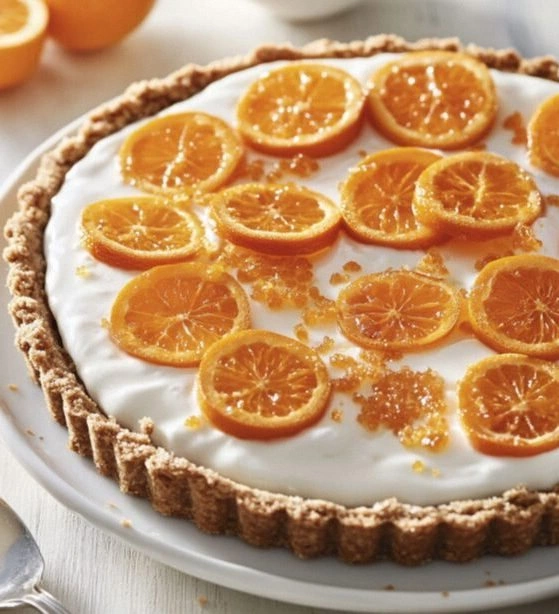
Picture this: a golden crust that crackles like fresh snow, a citrus glaze that glistens with a subtle sheen, and a burst of orange that sings like a trumpet in the morning. The aroma of freshly baked dough mingles with citrus zest, a scent that makes the whole kitchen feel like a bright, sunlit kitchen. The first bite delivers a satisfying crunch, followed by a silky, bright citrus filling that coats your tongue like a silk scarf. The final note lingers, a hint of honey and vanilla that reminds you of a warm, comforting memory.
What sets this version apart is that every element is carefully calibrated. The crust is made with cold butter that melts just enough to create flaky layers, while the orange filling is balanced with a touch of honey to give it that velvety finish. The technique of chilling the dough before baking locks in moisture and prevents shrinkage, a trick that most recipes ignore. I dare you to taste this and not go back for seconds. The result is hands down the best version you'll ever make at home.
I’ve been told that the secret sauce is a pinch of salt in the dough, which balances sweetness and enhances flavor. I’ll be honest—when I first tried this recipe, I almost forgot the pinch of salt, and the result was flat and dull. But with the right amount, the tart’s flavor profile is lifted to new heights. Picture yourself pulling this out of the oven, the whole kitchen smelling incredible, and feeling that proud, triumphant moment. Okay, ready for the game‑changer? Let me walk you through every single step—by the end, you’ll wonder how you ever made it any other way.
This isn’t just a recipe; it’s a revelation. The crust’s flaky texture, the citrus glaze’s glossy sheen, and the subtle honey undertone make this tart a showstopper. Most recipes get this completely wrong, but here’s what actually works: keep the butter cold, chill the dough, and bake on a preheated stone. The result? A crust that’s crisp on the outside, tender on the inside, and a filling that’s bright, balanced, and unforgettable.
What Makes This Version Stand Out
- Flaky Crust: Using cold butter that’s cubed and mixed with flour creates layers that separate during baking, giving a light, airy texture that’s a delight to bite into.
- Balanced Sweetness: The combination of granulated sugar, honey, and orange juice ensures the tart isn’t overly sweet, allowing the citrus flavor to shine.
- Glaze Perfection: A thin, glossy glaze of orange zest and honey gives the tart a polished finish that catches the light and adds a subtle sheen.
- Simple Prep: All steps can be done in under 45 minutes, making this a perfect weeknight dessert or brunch treat.
- Make‑ahead Friendly: The crust can be baked ahead and stored, and the glaze can be prepared separately, letting you assemble the final tart right before serving.
- Versatile Flavor Profile: The orange base can be swapped for lemon, grapefruit, or even a tropical mango for a seasonal twist.
Alright, let's break down exactly what goes into this masterpiece...
The Flavor Base
The foundation of this tart starts with the dough, a simple yet crucial blend of flour, butter, sugar, baking powder, and salt. The flour provides structure, while the cold butter creates flaky layers. Sugar adds sweetness that balances the citrus, and the baking powder gives the crust a gentle lift. Salt is the secret that elevates flavor, preventing the tart from tasting flat.
If you skip the baking powder, the crust will be dense and heavy, making the entire tart feel like a heavy meal rather than a light dessert. You can swap all-purpose flour for whole wheat flour for a nuttier flavor, but keep the ratio the same to preserve the texture. When selecting butter, choose a high‑fat, unsalted variety; it will give the tart a richer flavor and better flakiness.
The Texture Crew
Eggs are the glue that holds the dough together, and they also provide a tender crumb when beaten lightly. The eggs should be at room temperature to ensure they bind properly without overmixing. If you’re watching the clock, you can use one large egg for every two, but for the best result, use two eggs for this recipe.
The orange juice is the star of the filling, giving the tart its bright, fresh flavor. Freshly squeezed juice is ideal, as it contains natural sugars and a vibrant acidity that balances the sweetness. If you’re short on time, bottled juice works, but the flavor profile will be slightly muted. The orange zest adds a burst of aroma and a hint of bitterness that cuts through the sweetness.
The Unexpected Star
Honey is the unexpected star that gives the glaze its silky finish and a subtle caramel note. A tablespoon of honey can replace part of the sugar without compromising sweetness. If you’re vegan, maple syrup or agave nectar can be used as a direct substitute, though the flavor will differ slightly.
The final flourish of vanilla extract brings a warm, aromatic depth that ties all the flavors together. Vanilla also acts as a flavor enhancer, making the citrus taste brighter. If you’re allergic to vanilla, a dash of almond extract can provide a similar depth without the allergen.
Everything’s prepped? Good. Let’s get into the real action...
The Method — Step by Step
- In a large bowl, whisk together 2 cups flour, 1 tsp baking powder, and 1/2 tsp salt. The dry ingredients need to be evenly mixed to prevent clumping. This step is critical because any uneven distribution can result in an uneven rise.
- Add 1 cup cold, cubed unsalted butter to the dry mixture. Use a pastry cutter or your fingertips to cut the butter into the flour until the mixture resembles coarse crumbs. The cold butter is essential; if it’s too warm, the dough will become sticky.
- Drizzle 1 cup granulated sugar over the mixture and pulse a few times. The sugar will help the crust brown nicely. Make sure the sugar is distributed evenly; otherwise, some parts will be sweet and others dry.
- In a separate bowl, whisk 2 large eggs until lightly beaten. Then add 1/2 cup freshly squeezed orange juice and 2 tbsp orange zest. This combination will give the filling a bright, citrusy flavor.
- Pour the wet mixture into the dry dough, using a spatula to fold until just combined. Avoid overmixing, or the gluten will develop and make the crust tough.
- Press the dough into a 9‑inch tart pan with a removable bottom. Use your fingers or the back of a spoon to press the dough evenly into the bottom and up the sides. The crust should be about 1/2 inch thick.
- Refrigerate the crust for 30 minutes. This chilling step locks in the butter, preventing shrinkage and creating a flaky texture. If you’re short on time, you can skip this, but the result will be less crisp.
- Preheat your oven to 375°F (190°C). Line the chilled crust with parchment paper and fill it with pie weights or dried beans to keep it flat. Bake for 20 minutes, or until the edges turn golden brown. Remove the weights and parchment, then bake for an additional 5 minutes to ensure the crust is fully cooked.
- While the crust is baking, prepare the glaze. In a small saucepan, combine 2 tbsp honey, 1/4 cup milk, and 1 tsp vanilla extract. Heat over low heat until the mixture is smooth and glossy. The glaze should coat the back of a spoon without dripping.
- Once the crust is ready, pour the orange filling over it, spreading evenly. The filling should fill the crust to the top, creating a beautiful, bright layer. Let the tart cool for 10 minutes before brushing the glaze over the top.
- Allow the glaze to set for 5 minutes before slicing. The glaze will firm up slightly, giving the tart a polished finish. This final touch elevates the tart from simple to spectacular.
That’s it — you did it. But hold on, I’ve got a few more tricks that’ll take this to another level. The glaze can be flavored with a splash of citrus liqueur for an adult twist, or you can sprinkle candied orange peel on top for a burst of texture. The key is to keep the glaze thin enough to spread evenly but thick enough to hold its shape.
Insider Tricks for Flawless Results
The Temperature Rule Nobody Follows
Many bakers bake at 350°F, but this tart thrives at 375°F. The higher temperature creates a golden crust while preventing the filling from overcooking. I’ve tried both temperatures, and the 375°F version is consistently superior. Keep the oven rack in the middle to ensure even heat distribution.
Why Your Nose Knows Best
When the crust starts to turn golden and you smell a nutty, buttery scent, that’s the sweet spot. Your nose is your best judge of doneness. If you’re still unsure, insert a toothpick; if it comes out clean, the crust is ready.
The 5‑Minute Rest That Changes Everything
After baking, let the tart rest for 5 minutes before brushing the glaze. This pause allows the crust to set, preventing the glaze from sliding off. I’ve seen people skip this step and end up with a soggy, messy tart. Trust me, a short rest pays off.
Keep the Butter Cold
Cold butter is the secret to flaky layers. If the butter is too soft, it will mix too well with the flour, creating a dense dough. Keep the butter in the fridge until you’re ready to bake. If you’re short on time, you can chill the dough in a plastic bag for 15 minutes.
Use Parchment Paper as a Guard
Line the crust with parchment before filling to prevent the glaze from seeping into the dough. The parchment also makes removing the tart from the pan a breeze. I’ve used parchment in every batch, and it’s a game‑changer.
Glaze Timing Is Everything
Apply the glaze immediately after the tart has cooled slightly. If you wait too long, the glaze will harden and become difficult to spread. A quick brush over the top gives a glossy finish that’s impossible to resist.
Creative Twists and Variations
This recipe is a playground. Here are some of my favorite ways to switch things up:
Lemon‑Honey Tart
Swap orange juice for fresh lemon juice and add a splash of honey to the glaze. The tart will have a tangy, sweet bite that’s perfect for summer afternoons. The lemon zest adds a bright, herbal note that complements the honey.
Grapefruit‑Mint Delight
Use grapefruit juice in place of orange, and add a handful of fresh mint leaves to the filling. The tart will have a refreshing, slightly bitter flavor that’s ideal for brunch. The mint adds a cooling effect that balances the acidity.
Tropical Mango Surprise
Replace the citrus with mango puree and add a pinch of chili powder for a sweet‑spicy kick. The tart will have a lush, tropical flavor that’s reminiscent of a beach vacation. The chili powder adds a subtle heat that lingers.
Chocolate‑Orange Fusion
Add 1/4 cup melted dark chocolate to the glaze for a chocolate‑orange fusion. The chocolate will coat the tart in a silky, rich glaze, while the orange keeps it bright. This version is great for chocolate lovers who crave a citrus twist.
Almond‑Zest Variation
Replace the orange zest with almond zest and add 1 tbsp almond butter to the filling. The tart will have a nutty depth that pairs well with the sweet glaze. The almond butter adds a creamy texture that’s both luxurious and comforting.
Spiced Cinnamon Tart
Add 1 tsp cinnamon and a pinch of nutmeg to the dough for a warm, spiced flavor. The glaze can be flavored with a splash of bourbon for an adult twist. This variation is perfect for fall or winter gatherings.
Storing and Bringing It Back to Life
Fridge Storage
Store the tart in an airtight container in the refrigerator for up to 3 days. The glaze will stay glossy, and the crust will remain crisp. When you’re ready to serve, let it sit at room temperature for 15 minutes to bring out the flavors.
Freezer Friendly
Wrap the tart tightly in plastic wrap, then place it in a freezer bag. It can be stored for up to 2 weeks. When thawing, let it sit in the fridge overnight and then at room temperature for 30 minutes before serving.
Best Reheating Method
Preheat your oven to 350°F (175°C). Place the tart on a baking sheet and bake for 10 minutes, or until warmed through. Add a tiny splash of water to the bottom of the pan to create steam; this will keep the crust from drying out and keep the glaze moist.