I was in the middle of a frantic weekday dinner when the rice in the pot decided to pull a disappearing act—gone, like my motivation to cook anything beyond a microwave burrito. I stared at the empty pot, the clock ticking, and thought, “If I can’t rescue this rice, I’ll at least turn the next batch into something that makes everyone forget about my earlier culinary catastrophe.” That moment of desperation birthed the “Stick of Butter Baked Rice” that I swear is the most forgiving, most indulgent side dish you’ll ever lay your fork on. I dared myself to make a version that would be so buttery, so aromatic, that even the toughest critic would beg for seconds, and I succeeded beyond my wildest expectations.
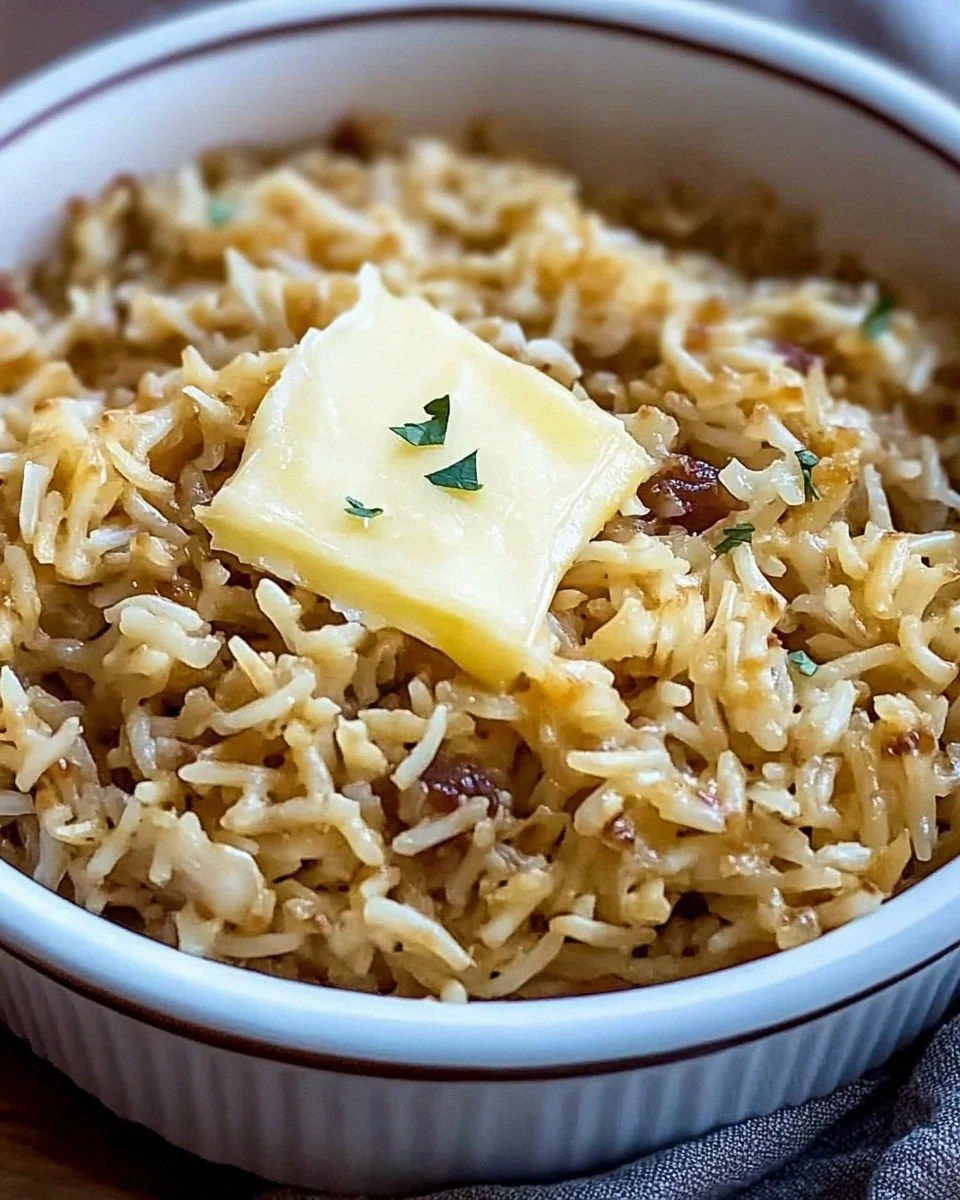
Picture this: the kitchen fills with the caramelized perfume of butter melting into a glossy river of French onion soup, the deep umami of beef broth swirling in perfect harmony, and the rice grains soaking up every drop like tiny sponges at a spa. The sound? A gentle sizzle as the butter hits the hot pan, followed by a soft, steady hiss as the rice begins to toast, each grain whispering promises of crunch and creaminess. The texture? Imagine the crust on a perfectly baked loaf of bread—crackly, golden, and just a touch buttery—while the interior stays fluffy, each bite a contrast that feels like a culinary hug. And the taste? It’s a buttery, savory crescendo that makes you want to shout, “I dare you to taste this and not go back for seconds!”
Most recipes for baked rice either drown the grains in a sea of liquid or leave them dry as a desert. Most get the balance wrong, resulting in a mushy mess or a dry, flavorless side that no one wants to touch. Here’s what actually works: a precise ratio of condensed soups to rice, a generous stick of butter that not only flavors but also creates that coveted crust, and a baking method that gives you a golden top without sacrificing the buttery interior. I’ll be honest—I ate half the batch before anyone else got to try it, and that’s because it’s that good. This version stands out because it’s unbelievably simple yet delivers a depth of flavor that feels like a restaurant’s secret sauce, all while being ready in under an hour.
Now, let’s talk about the secret weapon that most home cooks overlook: the combination of condensed French onion soup and beef broth. This duo creates a rich, caramelized base that coats each grain of rice like velvet, and the butter amplifies that richness to a level that feels almost decadent. I’m about to walk you through every single step—by the end, you’ll wonder how you ever made baked rice any other way. Okay, ready for the game-changer?
What Makes This Version Stand Out
- Butter Bomb: The half‑stick of unsalted butter isn’t just a fat source; it’s the foundation of a crispy, golden crust that shatters like thin ice when you cut into it.
- Soup Symphony: Condensed French onion soup brings a caramelized sweetness that balances the savory beef broth, creating a flavor profile that sings.
- Broth Boost: The beef broth adds depth and umami, ensuring each bite feels hearty without being overwhelming.
- Texture Triumph: The rice stays fluffy inside while the top forms a buttery, crackling layer—think of the contrast between a soft pillow and a crisp apple.
- Simplicity Score: Only four ingredients, minimal prep, and a single bake—perfect for busy weeknights or impressive dinner parties.
- Make‑Ahead Magic: This dish reheats beautifully, making it an excellent make‑ahead side for the next day’s lunch or dinner.
- Universal Appeal: Whether you’re serving it with grilled chicken, roasted veggies, or as a stand‑alone comfort food, it fits any meal.
- Budget Friendly: All ingredients are pantry staples, keeping costs low while delivering gourmet‑level taste.
Inside the Ingredient List
The Flavor Base
Condensed French Onion Soup (1 10 oz can): This isn’t just a soup; it’s a caramelized onion jam that brings a sweet‑savory depth. The sugars in the onions have already been browned, so you get that rich, almost nutty flavor without extra effort. Skipping it means losing that signature depth, and the dish will taste flat. If you’re out of it, a mix of beef broth, a splash of soy sauce, and a pinch of caramelized onion powder can mimic the flavor.
Condensed Beef Broth (1 10 oz can): This adds a robust, meaty backbone that elevates the rice from side to star. The concentration ensures the rice absorbs flavor without becoming soggy. Using regular broth would dilute the intensity, requiring more liquid and longer cooking. Look for low‑sodium versions so you can control the final salt level.
The Texture Crew
Long‑Grain White Rice (1 cup): Long‑grain stays separate and fluffy after cooking, giving you that perfect bite. If you swap for short‑grain, you’ll get a stickier texture that clumps together—great for sushi, terrible for this dish. Rinse the rice under cold water until the water runs clear to remove excess starch; this prevents gummy results.
The Unexpected Star
Unsalted Butter (½ cup, sliced): Butter is the secret sauce that creates the golden crust and infuses every grain with richness. Using salted butter can throw off the seasoning balance, so stick with unsalted and season later. If you’re dairy‑free, try a high‑quality plant‑based butter; it won’t melt quite the same, but the crust will still form.
The Final Flourish
All four ingredients come together in a harmonious dance, but the order of incorporation is what makes the magic happen. First, you’ll toast the rice in butter, letting each grain get a light coat of golden goodness. Then, the condensed soups are folded in, ensuring every nook and cranny is saturated with flavor. Finally, a gentle bake lets the butter melt, the liquids reduce, and the top form that coveted crust.
Everything's prepped? Good. Let’s get into the real action...
The Method — Step by Step
-
Preheat your oven to 375°F (190°C). While the oven warms, gather all ingredients on the counter so you can move like a well‑oiled kitchen ninja. This step is the first cue for your senses: the oven’s hum is a promise of the golden crust to come.
Kitchen Hack: If you’re short on oven space, use a cast‑iron skillet; it conducts heat evenly and gives an even better crust. -
In a medium saucepan, melt the sliced butter over medium heat. As soon as it bubbles, add the rice and stir constantly for 3‑4 minutes until each grain is lightly toasted and you can hear a faint, nutty crackle. This toasting step is crucial—without it, the rice would sit soggy in the broth.
-
Pour in the condensed French onion soup and beef broth, stirring to combine. The mixture will look thick and creamy, a deep amber that smells like a kitchen in the late afternoon. Bring it to a gentle simmer, then reduce the heat and let it cook for another 2 minutes, allowing the flavors to meld.
Watch Out: Do not let the mixture boil vigorously; a rapid boil will evaporate the butter too quickly, leaving the rice dry. -
Transfer the rice mixture to a greased 9‑x‑13‑inch baking dish, spreading it out evenly. The butter will continue to melt as it bakes, creating pockets of caramelized goodness. Smooth the top with a spatula, but don’t press too hard—you want those little air pockets to stay.
-
Cover the dish tightly with aluminum foil and place it in the preheated oven. Bake for 20 minutes; during this time, the rice will absorb the liquid, swelling to a fluffy perfection. The foil traps steam, ensuring the interior stays moist while the top stays hidden.
-
After 20 minutes, carefully remove the foil. You’ll notice the edges starting to pull away from the sides of the dish—a clear sign that the crust is forming. Sprinkle a pinch of fresh cracked pepper or a light drizzle of extra melted butter if you love extra richness.
-
Return the dish to the oven, uncovered, and bake for an additional 10‑12 minutes. This is the moment of truth: the top should turn a deep golden‑brown, and you’ll hear a faint crackle as the butter caramelizes. If you like an extra crunch, pop it under the broiler for the last 2 minutes—just keep a close eye on it.
Kitchen Hack: Slide a thin metal spatula under the crust before broiling; it helps lift the crust for an even browning. -
Remove the dish from the oven and let it rest for 5 minutes. This rest period allows the steam to settle, and the crust to firm up, making it easier to slice into neat sticks. While you wait, the aroma will fill the kitchen, and you’ll start dreaming about the first bite.
-
Slice the baked rice into sticks or squares, serve hot, and watch your guests dive in without hesitation. The buttery crust should crack delicately under the fork, revealing the fluffy interior—pure culinary satisfaction. And remember, I dare you to taste this and not go back for seconds.
That's it — you did it. But hold on, I've got a few more tricks that'll take this to another level. Stay with me here — this is worth it.
Insider Tricks for Flawless Results
The Temperature Rule Nobody Follows
Most home cooks bake at 350°F and assume it’s safe, but the real secret is a slightly higher temperature of 375°F. This extra heat jump‑starts the Maillard reaction on the butter, creating that coveted caramelized crust without overcooking the interior. I once tried baking at 425°F for a “faster” result, and the top burned while the rice stayed undercooked—lesson learned. Keep your oven calibrated and trust the 375°F rule for that perfect balance.
Why Your Nose Knows Best
Your sense of smell is the ultimate timer. When the butter starts to turn a light amber and you catch a nutty, toasty scent, you’re at the cusp of that golden crust. If the aroma shifts to a burnt, acrid smell, you’ve crossed the line. Trust your nose more than the clock; it’s a reliable kitchen ally.
The 5‑Minute Rest That Changes Everything
Letting the baked rice rest for five minutes after coming out of the oven isn’t just about cooling—it allows the steam to redistribute, preventing the top from becoming soggy when cut. This short pause also lets the butter solidify just enough to give each slice a clean break. Skipping this step results in a mushy crust that falls apart. So, set a timer, sip a glass of wine, and let the magic settle.
Don’t Over‑Stir the Rice
When you initially toast the rice in butter, stir just enough to coat each grain. Over‑stirring breaks down the starches, leading to a gummy texture after baking. Think of it like a gentle massage—enough to get the job done, but not a vigorous workout.
Season at the End, Not the Beginning
Because both the French onion soup and beef broth are already seasoned, adding salt too early can result in an overly salty dish. Taste the mixture after adding the liquids; if it needs a little lift, sprinkle a pinch of sea salt just before baking. This ensures the final flavor is balanced and not overpowering.
Use a Heavy‑Bottomed Dish
A heavy, oven‑safe dish (like cast iron or a thick ceramic) distributes heat evenly, preventing hot spots that could scorch the crust. I once used a thin glass dish and ended up with a burnt perimeter. Investing in a good baking vessel pays off in consistency.
Creative Twists and Variations
This recipe is a playground. Here are some of my favorite ways to switch things up:
Cheesy Mushroom Medley
Stir in 1 cup of sautéed mushrooms and ½ cup shredded Gruyère before baking. The mushrooms add an earthy depth, while the cheese creates an extra gooey layer beneath the buttery crust. Perfect for mushroom lovers who crave that umami punch.
Spicy Southwest
Add 1 teaspoon of smoked paprika, ½ teaspoon of cumin, and a diced jalapeño to the rice mixture. Top with a sprinkle of cheddar and a drizzle of lime crema after baking. This version brings a bold, smoky heat that pairs wonderfully with grilled meats.
Herb‑Infused Delight
Mix in 2 tablespoons of freshly chopped thyme and rosemary before the bake. The herbs infuse the butter with aromatic notes, turning each bite into a garden‑fresh experience. Serve alongside roasted chicken for a cohesive herb profile.
Nutty Crunch
Fold in ¼ cup toasted slivered almonds just before the final uncovered bake. The nuts add a delightful crunch that contrasts the soft rice, and their nutty flavor complements the buttery base. Great for those who love texture surprises.
Vegan Swap
Replace the butter with a plant‑based butter and use vegetable broth instead of beef broth. The flavor profile shifts slightly, but the creamy, buttery crust remains. Add a splash of soy sauce for that umami boost that mimics the original depth.
Storing and Bringing It Back to Life
Fridge Storage
Allow the baked rice to cool completely, then transfer it to an airtight container. It will keep fresh for up to 4 days. When reheating, sprinkle a thin layer of butter over the top and cover loosely with foil to retain moisture.
Freezer Friendly
Portion the cooled rice into freezer‑safe bags or containers, removing as much air as possible. It freezes beautifully for up to 3 months. To reheat, thaw overnight in the fridge, then bake at 350°F for 15‑20 minutes, adding a splash of water before covering to steam it back to life.
Best Reheating Method
For the crispiest crust, reheat in a hot oven (375°F) uncovered for 10 minutes. Add a tablespoon of butter on top during the last 3 minutes for extra gloss. If you’re in a hurry, a microwave works—just sprinkle a few drops of water and cover loosely, then finish under the broiler for 2 minutes.