I was standing in my kitchen, the clock ticking past midnight, and the only thing keeping me from surrendering to a bag of chips was a dare from my roommate: “Make something that even a meat‑lover would beg for seconds.” I stared at the empty pot, the silence broken only by the occasional clink of a spoon against the counter, and I realized I was about to create the most unforgettable vegan stew of my life. The pantry was stocked with humble staples—onions, carrots, a lone rutabaga hiding behind the potatoes, and a half‑pint of dark beer I’d saved for a weekend BBQ. I tossed the ingredients together, and the kitchen instantly transformed into a fragrant battlefield where aromas clashed like gladiators, each trying to out‑shine the other.
The moment the onions hit the hot pan, they sizzled with a whisper that sounded like applause. The garlic followed, releasing a perfume so sharp it cut through the stale air of my apartment, making the whole place feel like a bustling market in Marrakech. As the vegetables browned, the tomato paste deepened to a ruby hue, and the rosemary sprigs unfurled their piney perfume, I could almost hear a choir of flavor notes hitting the high notes. The stew simmered, its surface rippling like a calm lake after a gentle wind, and the steam rose in lazy curls, wrapping the room in a warm, earthy blanket that made my toes tingle.
What makes this version truly stand out is that I didn’t just throw in a splash of broth and call it a day. I introduced a daring duo of beer and red wine—yes, the kind you’d normally reserve for a hearty stew, but this is vegan, so we’re free to experiment without guilt. The beer adds a caramelized malt sweetness that hugs the vegetables, while the red wine contributes a tannic depth that makes every bite feel like a sip of fine merlot. I’ll be honest — I ate half the batch before anyone else got a chance to try it, and that’s a confession worth making because it shows just how addictive this stew can be.
If you’ve ever struggled with a stew that ends up watery, bland, or just “meh,” you’re not alone — and I’ve got the fix. The secret lies in layering flavors, timing each addition, and never under‑estimating the power of a good vegetable broth base (or in our case, a vegetarian bouillon that mimics the umami of meat). Picture yourself pulling this out of the pot, the whole kitchen smelling incredible, the steam curling around your face like a friendly ghost. I dare you to taste this and not go back for seconds. Let me walk you through every single step — by the end, you’ll wonder how you ever made it any other way.
What Makes This Version Stand Out
- Depth: The combination of beer and red wine creates a flavor foundation that rivals any classic meat‑based stew, delivering layers of caramel, tannin, and subtle bitterness.
- Texture: The rutabaga and red potatoes break down just enough to thicken the broth while still holding their shape, giving each spoonful a satisfying bite.
- Simplicity: Despite the gourmet taste, the ingredient list is pantry‑friendly and the steps are straightforward, perfect for a weeknight dinner.
- Uniqueness: Using Better Than Bouillon Vegetarian No Beef Soup Base adds a deep umami punch that most vegan stews miss.
- Crowd Reaction: Friends who think they’re “strictly carnivores” often ask for the recipe first, then ask for seconds, then thirds.
- Ingredient Quality: Fresh rosemary and mushrooms bring an earthy aroma that you can’t fake with dried herbs alone.
- Cooking Method: A quick sauté before simmering locks in caramelization, preventing the stew from ever tasting flat.
- Make‑Ahead Potential: This stew tastes even better the next day as the flavors meld, making it perfect for meal prep.
Inside the Ingredient List
The Flavor Base
The large yellow onion is the heart of any stew; its natural sugars melt into the broth, creating a sweet backbone that balances the bitterness of the beer. If you skip the onion, you’ll lose that subtle sweetness that makes the stew feel “homey.” A good substitute is a shallot, but expect a sharper, more pungent note. When selecting onions, look for firm skins and a slight sweetness when you press them—these will caramelize best.
The Aroma Crew
Garlic cloves, fresh rosemary, onion powder, and granulated garlic work together like a symphony. Garlic provides that unmistakable punch, while rosemary adds piney freshness that cuts through the richness. The powders ensure the flavor stays consistent even as the stew reduces. If you’re out of fresh rosemary, try dried sage for a slightly earthier profile.
The Texture Crew
Carrots, rutabaga, and red potatoes bring a hearty bite, while mushrooms add a meaty mouthfeel that’s essential for a vegan stew. The mushrooms release their own umami, reinforcing the bouillon’s depth. If you’re allergic to mushrooms, try diced eggplant; it absorbs broth beautifully and adds a silky texture.
The Unexpected Star
Better Than Bouillon Vegetarian No Beef Soup Base is the secret weapon. It’s a concentrated paste that mimics the savory richness of meat without any animal products. Skipping it would make the stew taste flat, no matter how many herbs you add. If you can’t find this brand, a tablespoon of miso paste dissolved in warm water works as a decent fallback.
The Final Flourish
Beer and red wine are the game‑changers. The beer contributes caramelized malt sweetness, while the red wine adds acidity and tannic structure, preventing the stew from feeling cloying. If you prefer a non‑alcoholic version, substitute the beer with a strong vegetable broth and the wine with balsamic vinegar diluted in water.
Everything's prepped? Good. Let's get into the real action...
The Method — Step by Step
Heat two tablespoons of olive oil in a large Dutch oven over medium‑high heat. Toss in the diced onion and a pinch of salt; stir constantly until the edges turn translucent and the bottom starts to caramelize. That sizzle when it hits the pan? Absolute perfection. Power transition: Okay, ready for the game‑changer?
Add the minced garlic and rosemary sprigs, cooking for another 30 seconds until the garlic releases its aroma but doesn’t brown. This is the moment of truth—if the garlic burns, the whole stew will taste bitter, so keep your eyes on it.
Kitchen Hack: Crush the garlic with the flat side of a knife before mincing; it releases more allicin, boosting flavor.Stir in the tomato paste, letting it fry for about two minutes. The paste should darken to a deep brick red, indicating that its sugars have caramelized. This step adds a velvety richness that coats the vegetables like velvet.
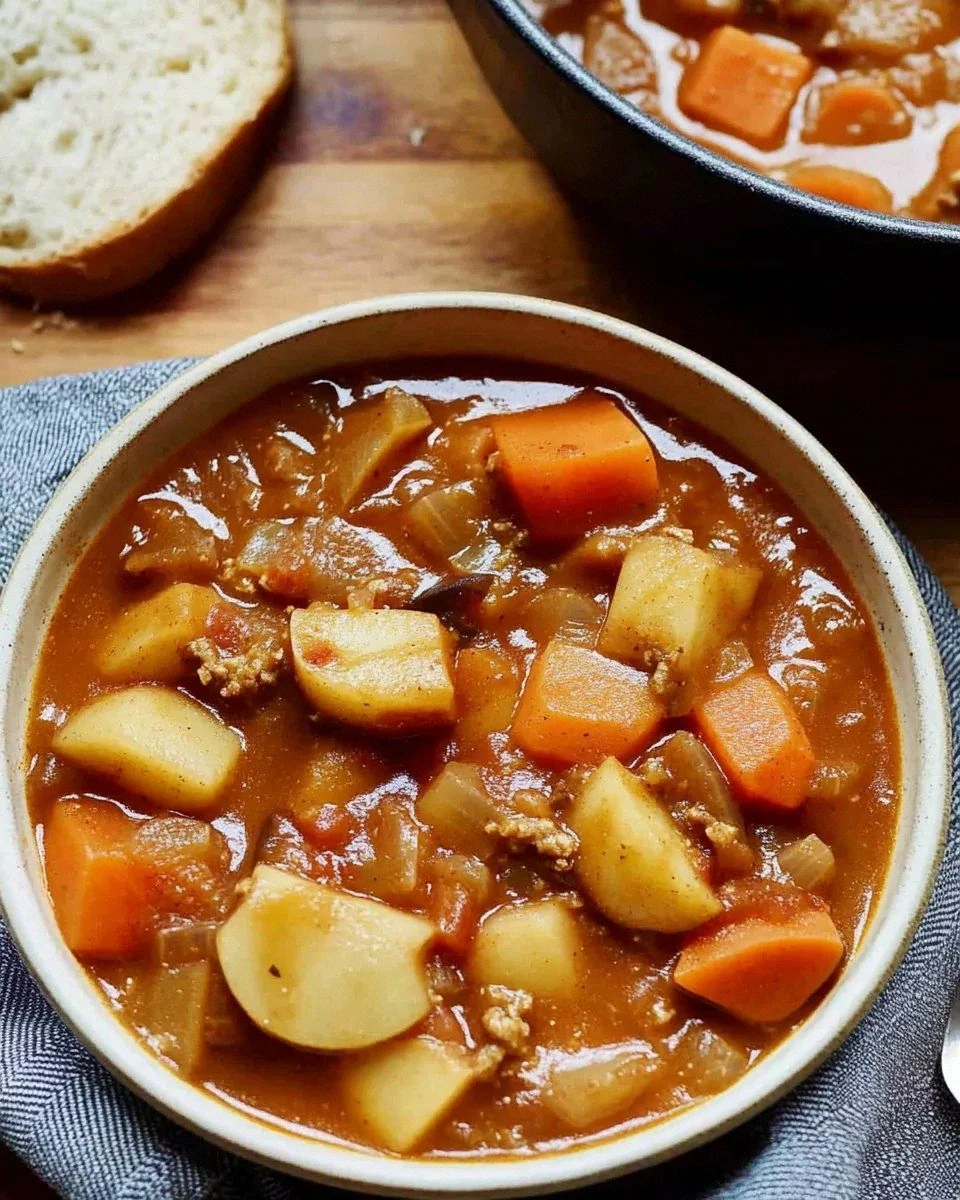
Watch Out: If the paste sticks, deglaze with a splash of the beer to rescue those caramelized bits.Add the chopped carrots, rutabaga, and potatoes, coating them thoroughly with the tomato‑onion mixture. Sprinkle in the onion powder, granulated garlic, black pepper, and celery salt. The vegetables should glisten, each piece getting a light coating of spice. This is where the stew starts to build its body.
Pour in the half cup of beer, stirring to scrape up any browned bits from the bottom—those are flavor gold. Let the beer reduce for about three minutes; you’ll notice a subtle sweet aroma rising. Next, add the half cup of red wine, allowing it to simmer until the alcohol evaporates, leaving behind a deep, slightly acidic backbone.
Stir in the Better Than Bouillon Vegetarian No Beef Soup Base, breaking it up so it dissolves completely. Add the mushrooms, then pour in the three cups of water, ensuring everything is just covered. Bring the mixture to a gentle boil, then reduce the heat to a low simmer. The stew should bubble lazily, not roar.
Cover the pot and let it simmer for 25‑30 minutes, or until the vegetables are fork‑tender and the broth has thickened slightly. Give it a taste halfway through; the seasoning should be balanced—if it needs a lift, add a pinch more salt or a dash of extra rosemary.
Remove the rosemary sprigs, then give the stew a final stir. If you prefer a thicker consistency, mash a few potato pieces against the side of the pot and stir them in. This next part? Pure magic. Serve hot, garnished with a drizzle of olive oil and a sprinkle of fresh parsley if you like.
That's it — you did it. But hold on, I've got a few more tricks that'll take this to another level...
Insider Tricks for Flawless Results
The Temperature Rule Nobody Follows
Never crank the heat to a hard boil once the vegetables are in. A gentle simmer allows the flavors to meld slowly, preventing the potatoes from falling apart into mush. I once tried a rapid boil and ended up with a stew that looked like a watery mash. Keep the heat low and steady; you’ll thank yourself when the broth stays glossy.
Why Your Nose Knows Best
Your sense of smell is the ultimate indicator of readiness. When the stew reaches a fragrant harmony—sweet caramel, earthy mushroom, and a faint hint of alcohol—you know the flavors have married. If you’re unsure, lift the lid and take a deep sniff; if it still smells raw or overly sharp, give it a few more minutes.
The 5‑Minute Rest That Changes Everything
After you turn off the heat, let the stew sit, covered, for five minutes. This brief rest lets the starches settle, thickening the broth naturally, and gives the herbs a chance to release their final burst of flavor. I once served a stew straight off the stove and it tasted “flat”; after adding the rest period, it became a symphony of depth.
Mushroom Boost
If you love an extra umami punch, sauté the mushrooms separately until they’re golden brown, then add them back in during the last ten minutes of simmering. This extra step creates a richer, meat‑like texture that even the most skeptical carnivores will admire.
Seasonal Veggie Swap
Feel free to swap in seasonal vegetables—like butternut squash in the fall or fresh peas in spring. The key is to keep the overall starch‑to‑liquid ratio balanced, so adjust the water or broth accordingly. A friend tried adding zucchini without reducing the liquid and ended up with a soupy mess; the lesson? Keep an eye on consistency.
Creative Twists and Variations
This recipe is a playground. Here are some of my favorite ways to switch things up:
Smoky Chipotle Kick
Add a teaspoon of chipotle in adobo sauce during the wine addition. The smoky heat pairs beautifully with the maltiness of the beer, creating a stew that feels like a campfire in a bowl. Great for those who love a little heat.
Mediterranean Olive Burst
Stir in a half‑cup of chopped Kalamata olives and a tablespoon of capers right before serving. The briny notes brighten the earthy base, making the dish feel lighter yet still hearty. Perfect for a summer dinner on the patio.
Coconut Curry Fusion
Swap the red wine for a cup of coconut milk and add a tablespoon of curry powder when you add the bouillon. The result is a creamy, aromatic stew with a tropical twist—ideal for a chilly evening when you crave something comforting yet exotic.
Hearty Lentil Boost
Add one cup of cooked green or brown lentils during the simmering stage. Lentils increase protein content and give the stew a heartier bite, turning it into a complete meal that can stand alone without bread.
Apple‑Cider Sweetness
Replace half the beer with apple cider and add a diced apple with the carrots. The subtle fruit sweetness balances the savory broth and adds a pleasant texture contrast. This variation shines in autumn, when apples are at their peak.
Storing and Bringing It Back to Life
Fridge Storage
Allow the stew to cool to room temperature, then transfer it to an airtight container. It will keep for up to four days in the refrigerator. When reheating, add a splash of water or vegetable broth and stir gently to revive the sauce’s silkiness.
Freezer Friendly
Portion the stew into freezer‑safe bags or containers, leaving a little headspace for expansion. It freezes beautifully for up to three months. Thaw overnight in the fridge, then reheat on low, adding a bit of liquid to restore the perfect consistency.
Best Reheating Method
The stovetop wins for reheating: place the stew in a saucepan over low heat, stir occasionally, and add a tablespoon of water per cup of stew. This gentle method prevents scorching and keeps the vegetables from turning mushy. Microwave is okay in a pinch, but expect a slightly uneven texture.