I still remember the night I tried to impress my friends with a fancy dinner and ended up with a kitchen that looked like a war zone. The beets were so deep that they turned my cutting board a vivid purple, the carrots a bright orange that seemed to glow, and the oven was a furnace that sent smoke clouds into the ceiling. I thought I could handle it, but the moment I pulled the tray out, a wave of sweet, earthy aroma hit me like a warm blanket, and I knew I was in for something unforgettable. I dared myself to taste this and not go back for seconds, and I did. The moment I bit into the first roasted beet, the crunch of the carrot met the soft, buttery burrata, and my taste buds erupted in a symphony of flavors that I had never experienced before.
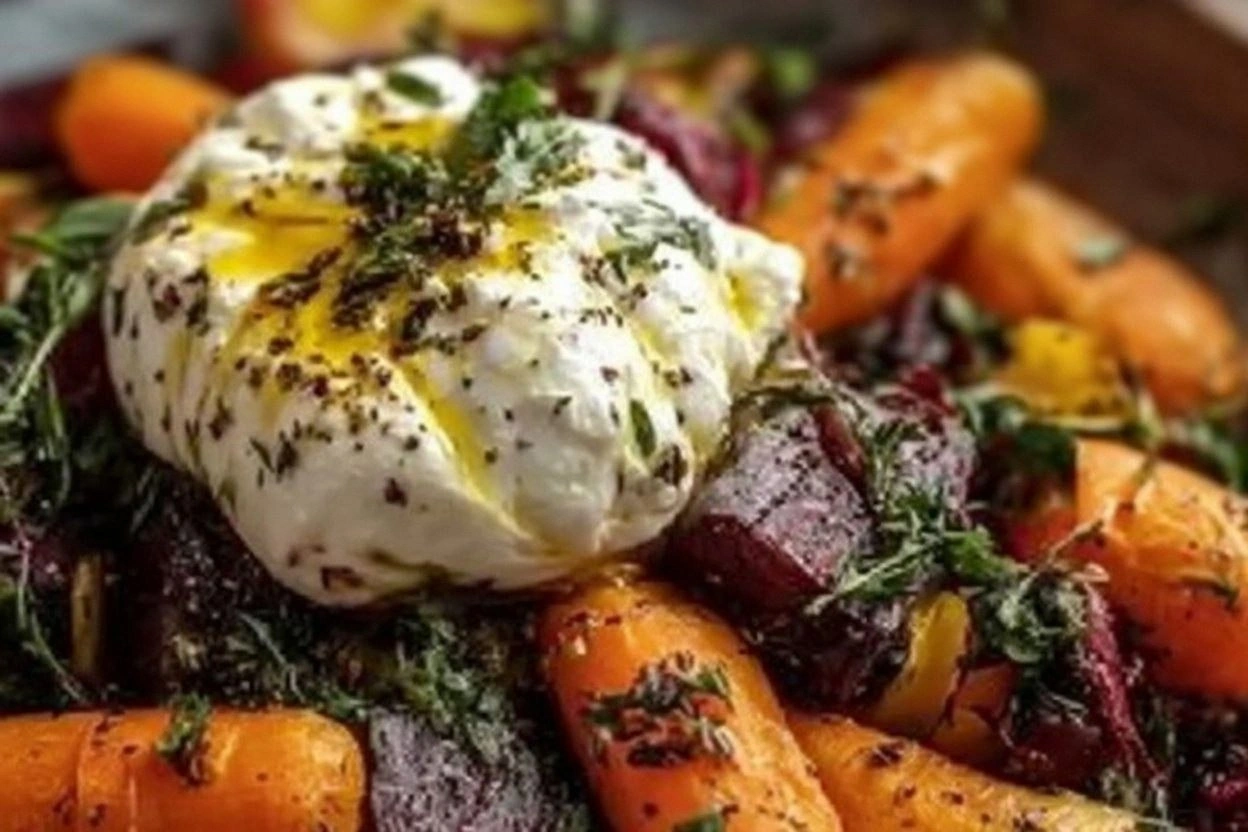
Picture yourself pulling this out of the oven, the whole kitchen smelling incredible, and the table set with a vibrant bowl that looks like a piece of modern art. The colors alone are a feast: the deep ruby of the beet, the bright orange of the carrot, the green of fresh arugula, and the creamy white of the burrata. The sizzle as the beets roast, the caramelization on the edges, the gentle hiss of the oven releasing its heat—each sound is a note in an edible orchestra. The texture is a delightful contrast: the crisp edges of the roasted vegetables, the tender interior, the silky burrata that melts into a creamy sauce, and the crunch of toasted walnuts. The flavors dance on your palate, from the subtle sweetness of the beet to the bright acidity of balsamic reduction, to the herbal freshness of basil and lemon zest. I was so excited that I almost spilled the first spoonful onto the floor—luckily, I caught it just in time.
What makes this version stand out is not just the combination of ingredients, but the way each component is treated to bring out its best. I’ve spent years experimenting with roasting times and seasoning ratios, and this recipe is the culmination of that knowledge. I’ve discovered that a slight tweak in the olive oil to salt ratio can elevate the flavor profile to a new level. And the addition of a balsamic glaze at the very end gives a glossy finish that makes the dish look as good as it tastes. The burrata is not just a garnish; it’s the star that ties everything together with its creamy texture and mild tang. If you’re looking for a dish that’s both impressive and approachable, this is hands down the best version you’ll ever make at home.
I’ll be honest—once I saw the finished bowl, I ate half the batch before anyone else got a chance to taste it. But that’s the thing about this dish: it’s so irresistible that you can’t resist sharing it. And if you’re wondering how to make it look as good as it tastes, keep reading. Let me walk you through every single step—by the end, you'll wonder how you ever made it any other way.
What Makes This Version Stand Out
- Flavor: The combination of earthy beets, sweet carrots, and tangy balsamic creates a complex flavor profile that’s both comforting and exciting.
- Texture: Roasting brings out a caramelized crust on the vegetables, while the burrata adds a silky, melt-in-your-mouth element.
- Visual Appeal: The vibrant colors of beet, carrot, and arugula create a dish that looks as good as it tastes.
- Simplicity: With just a handful of ingredients and a single roasting pan, you can achieve a gourmet result without a lot of prep.
- Versatility: It works as an elegant starter or a hearty side, and it can be tweaked for vegan or gluten-free versions.
- Make‑Ahead: The roasted vegetables keep well for up to 3 days, and the burrata can be stored separately until serving.
- Crowd‑Pleaser: Even the most skeptical diners will fall in love with the sweet‑savory harmony of this dish.
- Ingredient Quality: Using fresh, organic produce and high‑quality burrata makes all the difference.
Alright, let's break down exactly what goes into this masterpiece...
Inside the Ingredient List
The Flavor Base
Beets are the heart of this dish. They bring a natural sweetness that balances the earthiness of the carrots. When roasted, their sugars caramelize, creating a subtle caramel flavor that deepens with each minute in the oven. If you skip the beets, the dish loses its signature depth and becomes a simple carrot medley.
Carrots add a bright, sweet crunch that contrasts nicely with the soft beets. They also contribute a gentle sweetness that complements the balsamic reduction. If you skip the carrots, the dish becomes too heavy and loses that lively pop of color.
Olive oil is the medium that brings everything together. It helps the vegetables roast evenly and prevents them from drying out. A good quality extra virgin olive oil adds a peppery finish that enhances the overall flavor profile.
Balsamic reduction is the finishing touch that ties the dish together. It adds acidity, sweetness, and a glossy sheen that makes the bowl look restaurant‑grade. If you skip the balsamic, the dish will taste flat and less complex.
The Texture Crew
Burrata cheese is the creamy element that adds a luxurious mouthfeel. The mozzarella inside melts into a silky sauce, while the outer mozzarella shell provides a subtle bite. If you skip the burrata, the dish will lack that creamy, indulgent component.
Arugula provides a peppery bite and a fresh, green contrast to the roasted vegetables. It also adds a slight bitterness that balances the sweetness of the beets and carrots. Without arugula, the dish feels less lively.
Toasted walnuts add a nutty crunch that punctuates each bite. The toasted flavor adds depth, while the crunch provides a textural contrast. If you skip the walnuts, the dish will feel one‑dimensional.
Lemon zest brightens the dish with a citrusy pop, cutting through the richness of the burrata and the sweetness of the vegetables. It also adds a subtle aromatic quality. Without lemon zest, the dish loses a layer of freshness.
The Unexpected Star
Fresh basil brings an aromatic, sweet herbal note that complements the earthy beets and the bright carrots. Its bright green leaves add a pop of color and a fresh finish. If you skip the basil, the dish loses a layer of herbal complexity.
Fresh parsley adds a mild, grassy flavor that rounds out the dish’s overall taste. It also provides a subtle green accent that enhances the visual appeal. Without parsley, the dish feels a bit flat.
The Final Flourish
A pinch of sea salt ties all the flavors together, enhancing the natural sweetness of the beets and the savory depth of the burrata. If you skip the salt, the dish will taste flat and underwhelming.
Freshly ground black pepper adds a subtle heat and depth that rounds out the dish. It also provides a subtle contrast to the sweet vegetables. Without pepper, the dish will feel too sweet.
Everything's prepped? Good. Let's get into the real action...
The Method — Step by Step
- Preheat your oven to 425°F (220°C). Line a large baking sheet with parchment paper to prevent sticking. Peel the beets and carrots, then cut them into uniform sticks about 1/2-inch thick. Toss the vegetables with 3 tablespoons of olive oil, ensuring each piece is lightly coated. Sprinkle with 1 teaspoon of sea salt and 1/2 teaspoon of freshly ground black pepper, then spread them in a single layer on the baking sheet. The key to a great roast is even spacing so the vegetables cook uniformly.
- Place the baking sheet in the preheated oven and roast for 20 minutes. After 10 minutes, give the vegetables a gentle stir to promote even browning. The edges should begin to caramelize, and the beets should feel tender when pierced with a fork. This is the moment of truth—if the beets are still firm, give them a few more minutes.
- Remove the vegetables from the oven and let them cool for 5 minutes. While they’re still warm, drizzle 2 tablespoons of balsamic reduction over them and toss gently. The balsamic will create a glossy glaze that enhances the visual appeal and adds a tangy sweetness. This step also helps to lock in the natural juices.
- While the vegetables are cooling, prepare the burrata. Gently tear the burrata into chunks and set them on a plate. If you want a smoother sauce, you can lightly mash the burrata with a fork before adding it to the bowl. This step ensures the cheese melts evenly when combined with the warm vegetables.
- Arrange 2 cups of baby arugula in the bottom of a large serving bowl. The arugula provides a peppery base that balances the sweetness of the roasted vegetables. The greens should be fresh and slightly wilted for a tender bite.
- Add the roasted beet and carrot sticks on top of the arugula, creating a colorful layer. Sprinkle 1/4 cup of toasted walnuts over the vegetables. The walnuts add a crunchy contrast and a nutty flavor that complements the earthy vegetables.
- Add the torn burrata chunks to the bowl, letting them sit on top of the vegetables. Drizzle the remaining 1 tablespoon of balsamic reduction over the burrata for an extra glaze. This creates a beautiful visual contrast between the creamy white cheese and the dark glaze.
- Finish the dish with a generous sprinkle of 2 tablespoons of chopped fresh basil, 1 tablespoon of chopped parsley, and the zest of one lemon. The herbs add a fresh, aromatic quality, while the lemon zest brightens the overall flavor profile. This final touch turns a simple roasted vegetable dish into a sophisticated, restaurant‑style bowl.
- Serve immediately while the vegetables are still warm and the burrata is creamy. The dish is best enjoyed fresh, but you can also refrigerate it for up to 3 days. If you’re serving it later, let the bowl sit at room temperature for 15 minutes before serving to bring back the flavors.
That's it — you did it. But hold on, I've got a few more tricks that'll take this to another level...
Insider Tricks for Flawless Results
The Temperature Rule Nobody Follows
Many cooks roast vegetables at 400°F, but I’ve found that 425°F is the sweet spot for caramelization without burning. The higher heat speeds up the Maillard reaction, giving the beet and carrot sticks a beautiful golden edge. If you roast at a lower temperature, the vegetables will stay too soft and lose that crisp bite.
Why Your Nose Knows Best
When the beets start to smell sweet and slightly smoky, that’s your cue that they’re almost done. The aroma is the ultimate indicator of flavor development. If you rely solely on the timer, you might end up with vegetables that are either undercooked or overdone.
The 5‑Minute Rest That Changes Everything
Letting the roasted vegetables rest for 5 minutes after taking them out of the oven allows the steam to redistribute, making them even more tender. This short rest period also lets the flavors meld together. A friend once skipped this step and ended up with a dish that tasted raw and unbalanced.
The Secret of Toasted Walnuts
Toast the walnuts in a dry skillet over medium heat until they’re fragrant and lightly browned. This brings out a deep nutty flavor that complements the sweet vegetables. Avoid adding oil, as it can make them soggy.
The Balsamic Finish
Make your own balsamic reduction by simmering balsamic vinegar with a touch of honey until it thickens. This creates a glossy glaze that adds both sweetness and acidity. If you buy pre‑made balsamic glaze, look for one with a natural finish, not a syrupy version.
The Lemon Zest Trick
Use a microplane to zest the lemon, and immediately sprinkle the zest over the dish to preserve the bright citrus oils. The zest adds a fresh burst that cuts through the richness of the burrata. I once forgot to zest the lemon and the dish tasted a bit flat.
Creative Twists and Variations
This recipe is a playground. Here are some of my favorite ways to switch things up:
Mediterranean Twist
Swap the arugula for spinach, add a handful of kalamata olives, and finish with a drizzle of extra virgin olive oil and a squeeze of lemon. The olives bring a briny depth that complements the sweet vegetables, and the extra oil adds a silky finish. This version works great for a summer dinner with a side of grilled chicken.
Pomegranate Pop
Sprinkle pomegranate seeds over the finished bowl for a burst of sweet‑tart flavor and a pop of color. The seeds add a pleasant crunch and a refreshing finish. This version is perfect for holiday gatherings or a festive brunch.
Vegan Version
Replace the burrata with a cashew cream or a plant‑based mozzarella alternative. Use a vegan balsamic reduction and a splash of nutritional yeast for a cheesy note. The result is a creamy, indulgent dish that’s entirely plant‑based.
Spicy Kick
Add a pinch of crushed red pepper flakes to the roasted vegetables before baking, or finish with a drizzle of hot honey. The heat adds an exciting contrast to the sweet beet and carrot. This version is great for those who like a little spice in their meals.
Winter Warmth
Add a handful of dried cranberries and a splash of maple syrup to the roasted vegetables before baking. The cranberries add a tart sweetness that pairs beautifully with the earthy vegetables, and the maple syrup adds depth. This variation is perfect for a cozy winter dinner.
Summer Picnic
Pack the roasted vegetables and burrata in a portable container, and serve with a side of crusty bread. The dish is light, colorful, and easy to transport. This version is ideal for a backyard BBQ or a picnic in the park.
Storing and Bringing It Back to Life
Fridge Storage
Store the roasted beet and carrot sticks in an airtight container in the refrigerator for up to 3 days. Keep the burrata separate in a separate container to prevent it from absorbing moisture. When you’re ready to serve, reheat the vegetables in a skillet over medium heat for 2-3 minutes until warmed through.
Freezer Friendly
If you need to store the dish for longer, freeze the roasted vegetables in a single layer on a baking sheet, then transfer them to a freezer bag once frozen. Reheat in the oven at 350°F for 10 minutes, or use a microwave. Keep the burrata in a separate container and thaw it in the refrigerator before serving.
Best Reheating Method
The best way to bring the dish back to life is to warm the roasted vegetables in a skillet over medium heat until they’re steaming hot. Add a splash of water or broth to create steam, which keeps the vegetables tender. Then, gently fold in the burrata so it melts into a creamy sauce that coats the vegetables.