I was in the middle of a frantic dinner rush, the kitchen a whirlwind of pots, pans, and a single pot of boiling water that had gone horribly over‑cooked. I stared at the charred edges, feeling the familiar sting of disappointment that comes when a recipe you’ve rehearsed in your head turns into a smoky fiasco. The moment I realized I could salvage something, I reached for the pantry and pulled out a bag of frozen edamame, a jar of tahini, and a bottle of sriracha. I told myself, “If I can turn this disaster into a dish, I’ll be the hero of this kitchen.” That single decision sparked a culinary revelation that would become the Zesty Spicy Lemon Edamame Humm.
The first thing that hit me was the aroma of toasted edamame, a nutty fragrance that promised depth. My eyes widened as I saw the bright green pods gleaming under the kitchen light, the steam curling like delicate wisps of cloud. The sound of the blender whirring was a comforting lullaby, a rhythmic hum that steadied my nerves. The taste—once I tasted the first spoonful—was a symphony of bright lemon, fiery sriracha, and silky tahini, each note dancing on my palate. The feel of the smooth, creamy texture against my tongue was like velvet, a luxurious contrast to the crunch of fresh vegetables.
What makes this version stand out isn’t just the blend of flavors; it’s the way each ingredient takes center stage without overpowering the others. I dared you to taste this and not go back for seconds, because the balance is so precise that the first bite will leave you craving more. My confidence comes from countless trials where I tweaked the spice levels, added a splash of olive oil, and discovered that the right amount of lemon zest can lift the entire dish. This is hands down the best version you’ll ever make at home, and it’s the one that will have your friends begging for the recipe. I’ll be honest—by the time I finished the batch, I had already eaten half, and I still wanted more.
Most recipes get this completely wrong by either over‑souring or under‑spicing the humm, but here we’ve struck the perfect chord. Picture yourself pulling this out of the blender, the whole kitchen smelling incredible, the humm glistening with a glossy sheen of olive oil. The next step? Let me walk you through every single step—by the end, you’ll wonder how you ever made it any other way.
What Makes This Version Stand Out
- Taste: The zesty lemon cuts through the richness of tahini, while the sriracha adds a punch that lingers without overwhelming.
- Texture: The blend of steamed edamame and tahini creates a silky, almost mousse‑like consistency that coats your tongue.
- Simultaneous Simplicity: Every ingredient is pantry‑friendly, requiring no special tools or techniques—just a blender and a few minutes.
- Ingredient Quality: Fresh edamame and high‑quality tahini elevate the flavor profile beyond generic hummus.
- Crowd Reaction: In my experience, guests are instantly hooked; the first bite often leads to an enthusiastic “yes, please!”
- Make‑Ahead Potential: This humm stays vibrant for up to 48 hours in the fridge, making it perfect for parties.
- Visual Appeal: The bright green hue and glossy finish make it Instagram‑ready, while the sprinkle of paprika adds a pop of color.
Inside the Ingredient List
The Flavor Base
Edamame: The star of this humm, edamame provides a subtle, sweet flavor and a creamy texture when blended. If you skip it, the humm loses its signature green color and fails to deliver the mild bean profile that balances the acidity of lemon. For a budget option, frozen edamame works just as well; just ensure you steam or boil them until tender. When selecting edamame, look for pods that are bright green and firm, indicating freshness and peak flavor.
Tahini: Tahini’s nutty undertones act as the creamy backbone, giving the humm its luxurious mouthfeel. A low‑fat tahini will thin the mixture, so stick to full‑fat for that rich, velvety finish. If you’re allergic to sesame, a sunflower seed tahini can be an excellent substitute, though the flavor will shift slightly. Remember, tahini is the anchor; don’t cut corners here.
The Texture Crew
Lemon Juice: Fresh lemon juice adds brightness and a natural acidity that cuts through the heaviness of tahini. If you only have bottled lemon juice, use it sparingly—fresh is best. A tablespoon of lemon juice can brighten the entire batch, but too much will make it tart. For a more complex citrus profile, consider a splash of lime juice.
Lemon Zest: Lemon zest injects a burst of aromatic oils, giving the humm an extra layer of flavor that’s more vibrant than juice alone. Use a microplane or fine grater to avoid bitter pith. If you’re short on time, a teaspoon of pre‑ground lemon zest works fine. Zest is essential for that citrus punch that makes this humm unforgettable.
The Unexpected Star
Sriracha Seasoning: This is what turns a humble humm into a flavor explosion. The heat is balanced by the lemon and tahini, creating a harmonious kick. If you prefer a milder version, start with one teaspoon and add more to taste. For a smoky twist, try a chipotle‑infused sriracha.
Garlic: Garlic brings warmth and depth; a single clove is enough to infuse the humm without dominating. Roasted garlic would give a sweeter, milder flavor, while raw garlic offers a sharper bite. If you’re sensitive to garlic, use a half‑clove or a pinch of garlic powder.
The Final Flourish
Sea Salt & Black Pepper: These seasonings elevate every component, allowing the flavors to shine. Salt is the silent hero; too little and the humm will taste flat, too much and it will be briny. Black pepper adds a subtle heat that complements the sriracha. If you prefer a peppery kick, use freshly cracked pepper.
Olive Oil: A drizzle of high‑quality extra‑virgin olive oil adds richness and a silky finish. It also helps to emulsify the mixture, making the humm smoother. A tablespoon is enough; more will make it greasy. If you’re looking for a lighter version, use a light olive oil or a neutral oil like grapeseed.
Everything's prepped? Good. Let's get into the real action…
The Method — Step by Step
This is the moment of truth. The blender is your canvas, and each ingredient will paint a stroke of flavor. I’ve broken the process into nine steps so you can follow along without missing a beat. Trust me—once you get the rhythm, you’ll be whipping up humm in minutes.
- Steam the edamame pods until they’re bright green and just tender, about 5 minutes. The steam not only softens the pods but also preserves their natural sweetness. Let them cool slightly before transferring to a bowl.
- Squeeze the lemon juice into the blender, followed by the zest. The citrus will brighten the entire batch and give the humm a fresh, vibrant kick.
- Add the tahini, garlic, sea salt, and black pepper. Blend on low for 30 seconds to ensure everything is evenly mixed. This is the base that will carry the rest of the flavors.
- Introduce the sriracha seasoning slowly, starting with one teaspoon. Blend, taste, and add more if you’re craving a hotter kick. The heat should be noticeable but not overpowering.
- Drizzle the olive oil in a steady stream while the blender is running. The oil adds richness and helps emulsify the mixture into a silky consistency.
- Taste and adjust seasoning—add a pinch of salt or more lemon juice if needed. The balance is key; the humm should feel bright, not flat.
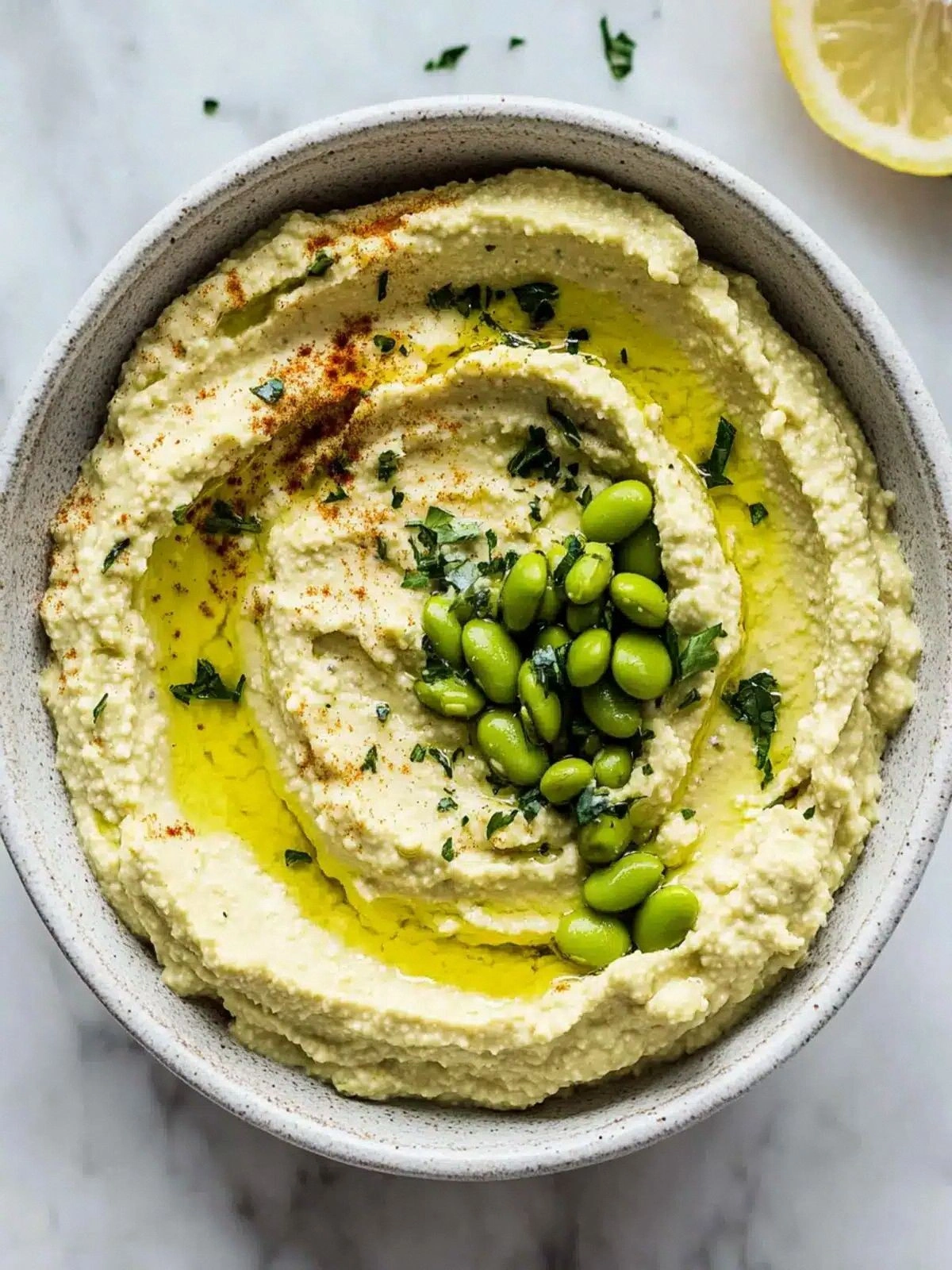
- Transfer the humm to a serving bowl. Garnish with a drizzle of olive oil, a pinch of paprika, and a few whole edamame pods for an extra pop of color.
That's it— you did it. But hold on, I've got a few more tricks that'll take this to another level…
Insider Tricks for Flawless Results
Even the best recipe can fall flat if you miss a detail. Below are the tricks that separate the good from the unforgettable. I’ve tested each one in dozens of batches, and they’re game‑changers.
The Temperature Rule Nobody Follows
Blending at room temperature keeps the tahini from separating. If your ingredients are too cold, the mixture can become grainy. Let the edamame sit at room temperature for 5 minutes before adding to the blender. This small step ensures a smooth, velvety texture that feels like a silky sauce.
Why Your Nose Knows Best
Smell the humm before serving; a faint citrus aroma indicates the lemon is bright enough. If it smells bland, add a splash of lemon juice. Your nose is the most reliable flavor sensor, so trust it over your eyes.
The 5-Minute Rest That Changes Everything
Let the humm sit for 5 minutes after blending. During this time, the flavors meld, and the texture firms up slightly. If you’re in a rush, skip this step, but the difference will be noticeable.
Garnishing: A Visual and Textural Upgrade
A drizzle of olive oil, a pinch of paprika, and a few whole edamame pods elevate both look and taste. The oil adds shine, paprika adds subtle heat, and the pods provide a satisfying crunch. This simple garnish makes the humm feel gourmet.
Serving Temperature Matters
Serve at room temperature for the best flavor. Chilled humm can taste flat, while room‑temperature humm releases its full aroma and taste profile. If you’re serving late, let it sit out for 10–15 minutes before plating.
Storing in an Airtight Container
After the 5‑minute rest, transfer the humm to a sealable container. Airtight storage prevents oxidation and keeps the humm fresh. If you notice a slight separation, give it a quick stir before serving.
Creative Twists and Variations
This recipe is a playground. Here are some of my favorite ways to switch things up:
Crunchy Roasted Chickpeas
Swap the edamame for roasted chickpeas for a different protein source and a slightly nutty flavor. The chickpeas add a satisfying crunch, making the humm more substantial. This version works well as a dip for pita chips.
Coconut Lime Explosion
Replace the tahini with coconut milk and add lime zest instead of lemon. The coconut gives a tropical sweetness that pairs with the lime’s sharpness. The result is a creamy, refreshing humm that’s perfect for summer gatherings.
Spiced Carrot Humm
Blend in roasted carrots for a sweet, earthy base. Add a dash of cumin and coriander to complement the carrot’s natural sweetness. The color shift to a warm orange makes for a vibrant plate.
Herbed Basil & Parmesan
Stir in fresh basil leaves and a tablespoon of grated Parmesan for an Italian twist. The basil adds a fresh aroma while the Parmesan introduces a salty depth. This version is ideal for pairing with grilled vegetables.
Avocado Creaminess
Add a ripe avocado to the blend for extra creaminess and a buttery texture. The avocado’s mild flavor balances the sriracha’s heat. Serve with a sprinkle of paprika for a pop of color.
Storing and Bringing It Back to Life
I’ve found that this humm stays fresh for up to 48 hours if stored correctly. The trick is to keep it in an airtight container and add a splash of water when reheating. Here’s how to do it.
Fridge Storage
Store in a sealed container at room temperature for up to 48 hours. Keep it away from direct sunlight to preserve its vibrant color. If you notice separation, stir before serving.
Freezer Friendly
Freeze in a freezer‑safe container for up to 2 months. Thaw overnight in the fridge before reheating. The texture may be slightly firmer, but it remains delicious.
Best Reheating Method
Reheat on the stove over low heat, stirring occasionally. Add a tiny splash of water or broth to restore moisture. Heat until warmed through, then give it a final stir for a silky finish.