Introduction
Picture this: I was standing in a cramped kitchen, the air thick with the scent of garlic and oregano, when my friend dared me to whip up something that could convince a picky eater that Italian cuisine is actually comforting. I stared at the stack of canned tomatoes, a bag of noodles, and a lonely sausage link, feeling the weight of culinary expectations. That night, I decided to merge the comfort of lasagna with the convenience of soup, creating a dish that feels like a hug in a bowl. The result? A steaming pot of layered flavors that melts on the tongue like a well‑told story. I dare you to taste this and not go back for seconds. And if you’re skeptical, stay tuned because this is hands down the best version you'll ever make at home.
From the first sizzle of olive oil, the kitchen turns into a theater where aromas dance and the sound of sizzling sausage is the opening act. The yellow onion breaks into translucent ribbons, releasing a sweet perfume that mingles with the earthy scent of fresh basil. As the garlic joins the fray, its sharpness mellows into a mellow, almost buttery undertone that signals the soup is about to get rich. The simmering broth, thickened by tomato sauce and marinara, creates a velvety base that coats each noodle like velvet. The result is a soup that feels both hearty and light, a paradox that makes you question whether it’s a dish or a dream. If you can smell that, you’re already halfway to a midnight snack that will leave you craving more.
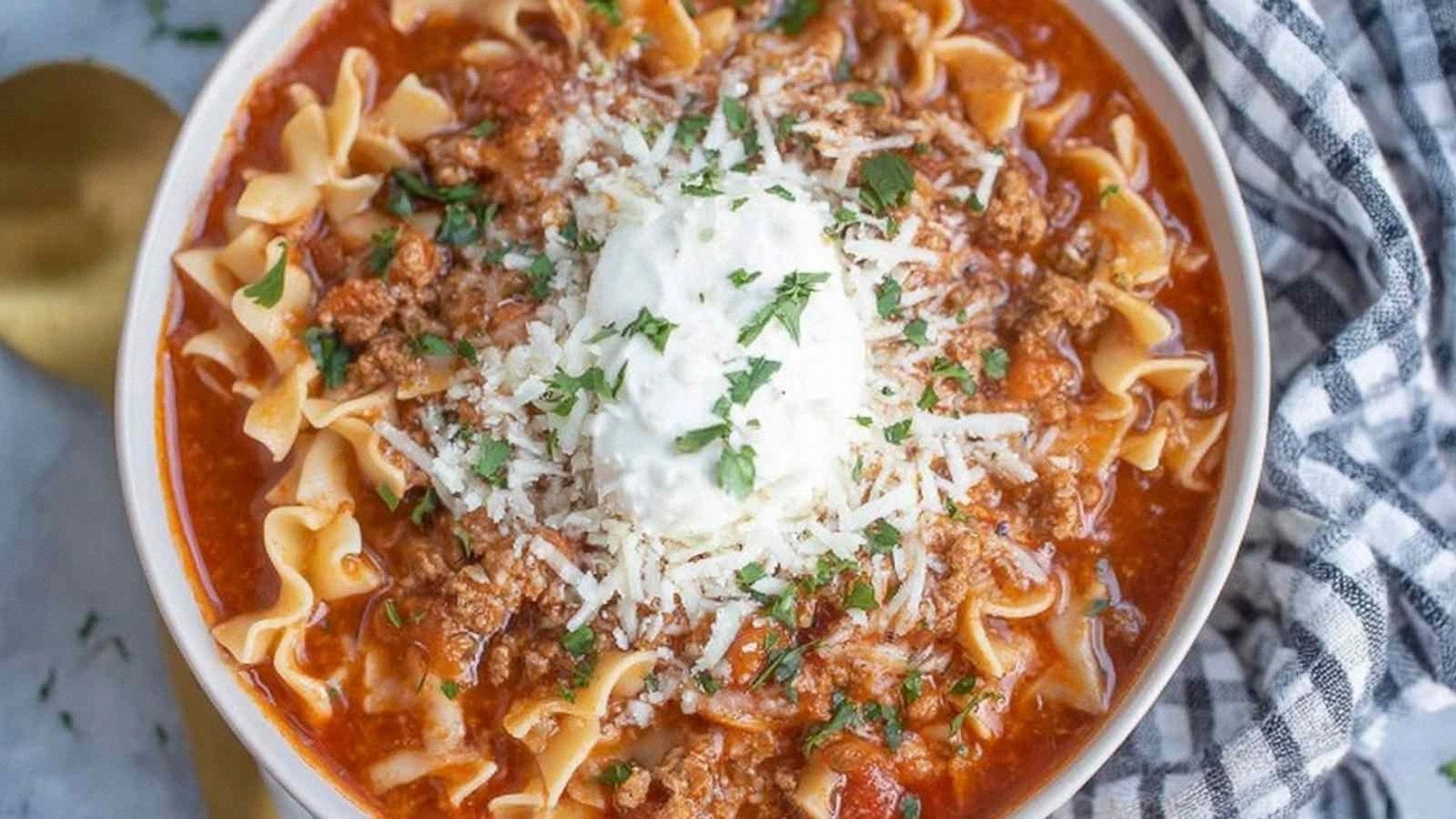
The secret to this version is a bold twist: using real lasagna noodles that break into bite‑size pieces, creating pockets of pasta that hold the sauce like a secret stash. The sausage isn’t just a protein; it’s a flavor bomb that caramelizes, releasing savory juices that mingle with the tomato base. The ricotta and parmesan create a creamy, cheesy layer that rises to the surface like a golden crown. The subtle heat from red pepper flakes gives a gentle kick that wakes up the palate without overwhelming. Most recipes get this completely wrong by overcooking the noodles or using too much cheese, but I’ve found the sweet spot where everything sings together. Picture yourself pulling this out of the pot, the whole kitchen smelling incredible, and the steam curling like a fragrant cloud.
I’ve spent countless evenings tweaking ratios, testing different sausage varieties, and experimenting with broth flavors, and the result is a dish that satisfies both comfort and sophistication. The texture is a delightful contrast: tender noodles, crisp edges that shatter like thin ice, and a silky sauce that coats every bite. The flavor profile is layered, with a savory base, a hint of sweetness from tomatoes, and a herbal finish from basil and oregano. This version stands out because it combines the best of both worlds—lasagna’s indulgence and soup’s accessibility—into a single pot that’s perfect for any occasion. I promise, by the end of this article, you’ll wonder how you ever made it any other way. Let me walk you through every single step—by the end, you’ll wonder how you ever made it any other way.
What Makes This Version Stand Out
- Flavor Depth: The combination of marinara and tomato sauce creates a rich, umami‑laden base that feels like a full‑blown lasagna without the layers. This depth is achieved by letting the tomatoes simmer until they reduce and intensify, turning the broth into a velvety canvas for the other ingredients. The result is a soup that satisfies the craving for a hearty pasta dish while remaining light enough to serve as an entrée.
- Texture Play: Real lasagna noodles break into bite‑size pieces, offering a chewy bite that contrasts with the silky sauce. The noodles absorb the broth, creating pockets of flavor that burst in your mouth. Skipping the noodles would turn this into a plain tomato soup, losing the signature lasagna feel.
- Protein Punch: Italian sausage brings a smoky, savory richness that elevates the soup beyond ordinary. Its fat content renders down, creating a glossy sheen on the surface that hints at indulgence. Replacing it with ground beef would be less flavorful and less authentic.
- Cheesy Finish: Ricotta and parmesan mingle to form a creamy, slightly tangy layer that floats on top, reminiscent of a cheese layer in traditional lasagna. This combination provides a luxurious mouthfeel and balances the acidity of the tomatoes. Omitting the cheeses would result in a thinner, less satisfying texture.
- Herb Harmony: Dried oregano and basil, combined with fresh basil added at the end, deliver a fragrant, herbal bouquet that grounds the dish. The fresh basil adds a bright, green note that cuts through the richness of the sausage. Skipping the herbs would leave the soup flat and uninspired.
- Heat Balance: A half teaspoon of red pepper flakes adds a subtle kick that wakes up the palate without overpowering the dish. The heat is just enough to give a memorable finish while keeping the soup approachable for all ages. Overdoing the heat would turn this into a fiery stew, which is not the intention.
- Convenience Factor: One pot, minimal prep, and a quick cook time make this soup ideal for weeknight dinners. The ingredients are pantry staples, so you can assemble it in under 30 minutes. This convenience makes the dish a go-to for busy families or anyone looking to avoid the hassle of a full lasagna bake.
Inside the Ingredient List
The Flavor Base
The foundation of any great soup is its broth, and here we use beef broth as the backbone. Beef broth provides a savory, meaty tone that anchors the tomato flavors. If you’re vegetarian, a high‑quality vegetable broth will work, but the depth of flavor will shift slightly toward a lighter profile.
Marinara sauce and tomato sauce are the heart of this dish, offering both acidity and sweetness. Marinara brings a rustic, chunky texture, while tomato sauce offers a smoother consistency. Together, they create a sauce that is both robust and velvety, ensuring every spoonful is flavorful.
Red pepper flakes add a whisper of heat that elevates the entire soup. A half teaspoon is enough to give a subtle kick without drowning the delicate tomato notes. If you prefer a milder version, reduce the flakes to a quarter teaspoon.
The Texture Crew
Lasagna noodles are the star of the texture department. Unlike traditional lasagna sheets, these are cut into bite‑sized pieces that break apart in the simmer, creating pockets of pasta that hold the sauce. When the noodles absorb the broth, they become tender yet still retain a slight bite.
Ricotta cheese adds creaminess and body. It melts into the soup, forming a velvety layer that floats on top and coats the noodles. If ricotta is unavailable, cottage cheese can be used, but the texture will be chunkier.
Parmesan cheese contributes a salty, nutty finish that balances the richness of the sausage. It also adds a slight crunch when sprinkled on top of each bowl. Substituting with Pecorino Romano will give a sharper, saltier flavor.
The Unexpected Star
Italian sausage is more than just protein; it’s a flavor engine that injects smoky, savory notes into the broth. The fat content of the sausage renders down during cooking, creating a glossy sheen on the surface of the soup. If you’re watching calories, opt for a leaner sausage, but be prepared for a slightly less rich flavor.
Onion and garlic are the aromatic foundation that sets the tone for the entire dish. The onion brings sweetness and depth, while garlic adds sharpness that mellows into a comforting warmth. A pinch of salt during the sauté phase helps draw out their flavors, ensuring they don’t get lost in the tomato base.
The Final Flourish
Fresh basil is the finishing touch that brightens the soup with a burst of green, herbaceous aroma. Adding it at the end preserves its delicate flavor, preventing it from wilting into a bitter residue. If fresh basil is out of season, dried basil can be used, but it won’t provide the same bright, fresh note.
Salt and pepper are the essential seasoners that tie all the components together. They’re added at the end of cooking to fine‑tune the flavor profile. Remember, seasoning is a personal touch—taste as you go and adjust accordingly.
Everything’s prepped? Good. Let’s get into the real action, where the magic happens and the kitchen transforms into a culinary laboratory.
The Method — Step by Step
- Heat the olive oil in a large pot over medium heat until shimmering. Add the diced onion and sauté until translucent, about 5 minutes, allowing the sugars to caramelize slightly. The aroma of the onions should fill the kitchen, signaling that the base is forming. Keep stirring to prevent sticking. The onions will serve as the sweet counterpoint to the savory sausage.
- Add the minced garlic to the pot, letting it sizzle for 30 seconds until fragrant. The garlic releases a sharp, almost citrusy aroma that mingles with the onions. Be careful not to burn it, as burnt garlic can impart a bitter taste. Stir continuously. This step ensures the garlic’s flavor is evenly distributed throughout the broth.
- Introduce the Italian sausage to the pot, breaking it up with a wooden spoon as it cooks. The sausage should brown on all sides, releasing its fat and creating a savory base. If you’re using a leaner sausage, you may need to add a splash of water to prevent it from drying out. Let the sausage cook until it’s fully browned, about 8 minutes. The rendered fat will coat the onions and garlic, creating a flavorful foundation.
- Pour in the beef broth, marinara sauce, and tomato sauce, stirring to combine. The mixture should come to a gentle simmer. The broth will thin the sauce slightly, creating a soupier consistency. Let it simmer for 10 minutes to allow the flavors to meld. This simmering phase is where the soup begins to develop depth.
- Stir in the oregano, basil, and red pepper flakes. The herbs will infuse the broth with their aromatic oils, while the pepper flakes add a subtle heat. Taste the soup and adjust the seasoning with salt and pepper. The herbs should be fragrant but not overpowering. This step ensures the soup has a balanced, herbaceous profile.
- Break the lasagna noodles into bite‑sized pieces and add them to the pot. Stir gently to prevent clumping. The noodles will absorb the broth, becoming tender yet still retaining a slight bite. This step transforms the soup into a comforting, noodle‑filled dish. Keep the heat low to avoid overcooking the noodles.
- Add the ricotta cheese, folding it into the soup until it’s fully incorporated. The ricotta will create a creamy layer that floats on top and coats each noodle. Stir slowly to avoid curdling. The cheese should blend smoothly, giving the soup a silky texture. This step adds richness without making it heavy.
- Reduce the heat to low and let the soup simmer for an additional 10 minutes, allowing the noodles to cook through and the flavors to meld. The soup should thicken slightly, and the ricotta should create a creamy coating. Keep an eye on the pot to prevent scorching. This final simmer ensures the soup reaches the perfect consistency.
- Stir in the fresh basil, letting the bright green leaves release their aroma. The basil adds a fresh, herbaceous note that cuts through the richness. The basil should be added at the very end to preserve its flavor. This final touch elevates the soup to a gourmet level. The aroma should be inviting and comforting.
- Finish by sprinkling grated parmesan over each bowl, adding a salty, nutty crunch. The parmesan should melt slightly, creating a golden crust on top. Taste the soup one last time and adjust salt if necessary. Serve immediately, allowing the steam to carry the flavors to your palate. This last step transforms the soup into a dish that feels like a warm hug.
That’s it — you did it. But hold on, I’ve got a few more tricks that’ll take this from great to unforgettable. Stay with me here — this is worth it.
Insider Tricks for Flawless Results
The Temperature Rule Nobody Follows
Many cooks jump straight to high heat, but keeping the soup on low to medium-low ensures even cooking and prevents the noodles from sticking. The gentle simmer allows the sausage fat to render slowly, creating a richer broth. If you’re in a hurry, you can bring to a boil, but then reduce immediately to avoid overcooking the noodles. This rule keeps the texture perfect and the flavors balanced.
Why Your Nose Knows Best
Your sense of smell is a reliable guide to seasoning. As the soup simmers, the aroma intensifies, indicating when to add salt and pepper. If the scent feels flat, add a pinch more salt. Over-salting can mask the subtle herb notes, so add gradually and taste frequently.
The 5-Minute Rest That Changes Everything
After removing the soup from heat, let it rest for five minutes before serving. This pause allows the flavors to settle and the noodles to finish cooking in their own steam. The rest also gives the ricotta a chance to thicken slightly, creating a creamier coating. Skipping this step can leave the soup feeling rushed.
Use a Lid for a Creamier Texture
Cover the pot while the soup simmers. The lid traps steam, helping the noodles absorb liquid more evenly. It also prevents the broth from evaporating too quickly, which can concentrate the flavors too much. This simple trick results in a soup that feels more cohesive.
Stir with a Wooden Spoon, Not a Whisk
Stirring with a wooden spoon reduces the risk of breaking the noodles and keeps the soup from splattering. The spoon’s smooth surface allows you to fold in the ricotta without breaking the cheese into crumbs. A whisk can overmix, causing the soup to become too thin.
Freeze for Future Meals
This soup freezes beautifully. Portion into airtight containers, leaving a little headspace to allow for expansion. Reheat on the stove or in the microwave, adding a splash of broth if needed. Freezing preserves the flavors, making it a convenient meal for busy days.
Creative Twists and Variations
Vegan Version
Swap the sausage for plant‑based Italian sausage and use a vegan ricotta or tofu. Replace the beef broth with vegetable broth for a fully plant‑based dish. The result is a hearty, cruelty‑free soup that still delivers the comforting lasagna feel.
Spicy Kick
Increase the red pepper flakes to one teaspoon or add a diced jalapeño for an extra heat layer. The spiciness will contrast beautifully with the creamy ricotta, creating a dynamic flavor profile. This variation is perfect for those who love a little fire in their meals.
Chicken Lasagna Soup
Use shredded rotisserie chicken instead of sausage for a lighter protein. The chicken’s mild flavor pairs well with the tomato base, while still providing a satisfying bite. Add a splash of chicken broth for extra depth.
Low‑Carb Twist
Replace lasagna noodles with spiralized zucchini or shirataki noodles. This keeps the dish low in carbs while maintaining the comforting noodle texture. The zucchini will absorb the broth, creating a fresh, veggie‑rich version.
Cheese Lover’s Dream
Add shredded mozzarella to the soup for an extra gooey layer. The mozzarella will melt into the ricotta, creating a molten cheese coating on every bite. This variation is ideal for those who crave a melty, cheesy experience.
Herb‑Infused Variation
Incorporate fresh thyme and rosemary during the simmer. These herbs bring an earthy, aromatic depth that complements the tomato base. The result is a soup with a more complex, herbaceous profile.
Breakfast Bowl
Serve the soup with a fried egg on top, creating a savory breakfast bowl. The runny yolk adds richness and a velvety texture that pairs with the noodles. This twist transforms the dish into a hearty morning meal.
Storing and Bringing It Back to Life
Fridge Storage
Cool the soup completely before transferring it to a shallow airtight container. Store in the refrigerator for up to 3 days. The noodles will remain tender, and the flavors will continue to develop. Reheat gently on the stove, stirring occasionally.
Freezer Friendly
Divide the soup into individual portions and freeze in freezer‑safe containers. Keep a small amount of broth in each container to preserve moisture. Thaw overnight in the refrigerator, then reheat on the stove with a splash of broth or water. The soup will taste almost as fresh as when it was first made.
Best Reheating Method
Reheat the soup on low heat, adding a splash of water or broth to maintain the right consistency. Stir frequently to prevent scorching and to ensure even heating. The result is a soup that feels freshly made, with noodles that are still tender and the ricotta creamy.