I was standing in my kitchen, a stack of flaky pastry sheets in front of me, when I realized the worst thing that can happen to a recipe is a single, catastrophic mishap. My friend had dared me to make the ultimate phyllo dough from scratch, and I had accepted with a grin that said, “I’ve got this.” The next thing I knew, I was staring at a ball of dough that had refused to cooperate, its surface slick and unyielding. My pantry smelled faintly of flour and olive oil, but the air was thick with anticipation and a hint of disappointment. I laughed, because it’s a good thing to laugh at yourself when your dough refuses to rise, but I was also determined to turn that disaster into a triumph.
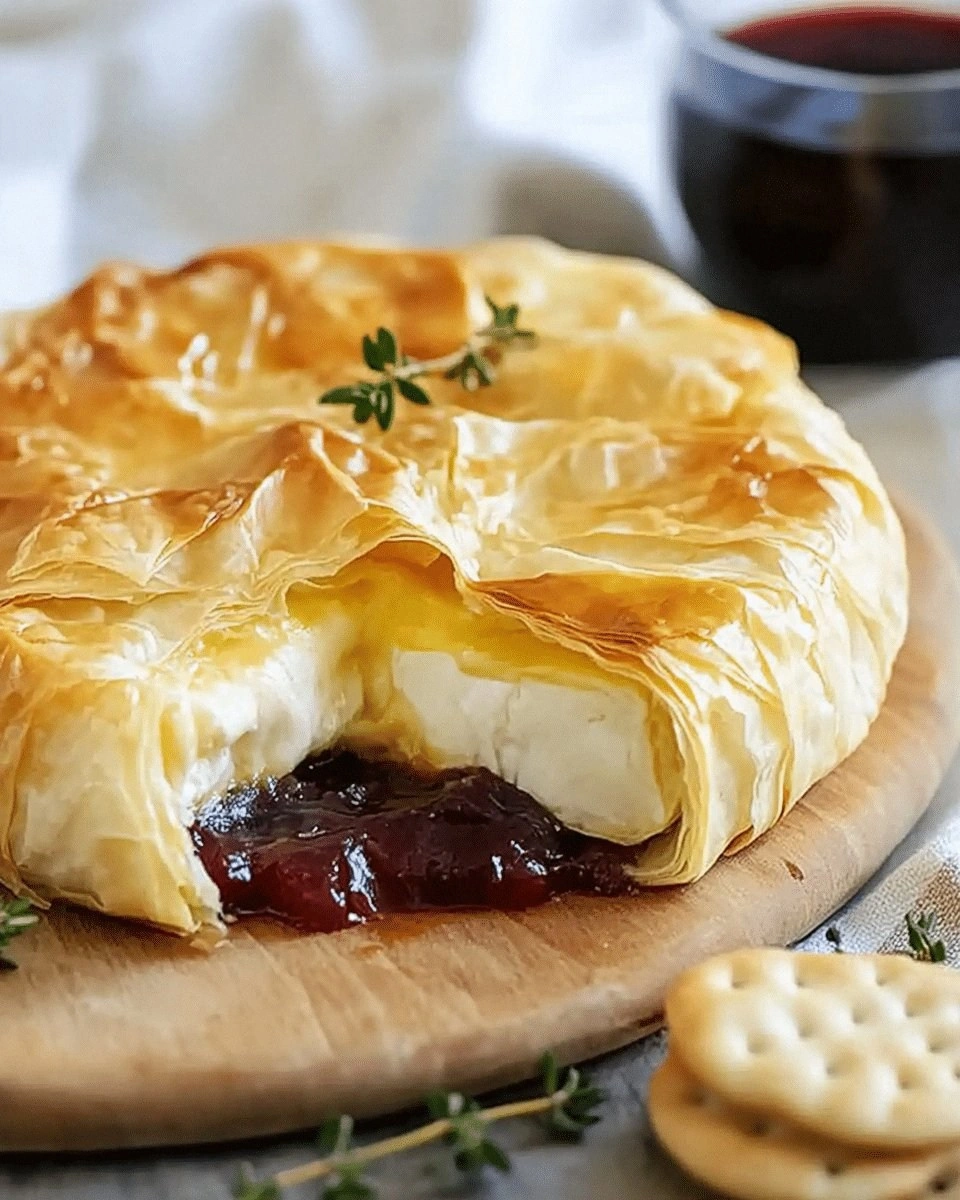
Picture this: a golden, buttery sheet of pastry that shatters into crisp flakes when you bite into it, the kind of texture that makes your mouth sigh with delight. The aroma of fresh olive oil and a whisper of baking powder rises from the pan, mingling with the faint scent of toasted wheat. The sound is a delicate crackle, like a gentle applause from your oven. The first bite is a marriage of crunchy exterior and a soft, almost airy interior that holds the fillings like a secret. I’ve tasted many phyllo doughs, but this one? It’s the kind that makes you forget you’re eating anything else. That sizzle when it hits the pan? Absolute perfection.
I’m not going to lie—most people think that making phyllo dough is a lost art, a recipe that only the most seasoned bakers can master. In reality, the secret lies in a few simple tweaks that transform a basic dough into a showstopper. I’ve spent countless hours experimenting with ratios, resting times, and temperature controls, and I’ve distilled the process into a recipe that anyone can follow. It’s hands down the best version you’ll ever make at home, and I’m ready to share every single detail so you can replicate it with confidence.
The real magic comes from the way the dough is handled after mixing. The dough should be rolled out into sheets so thin that you can see the grain of the flour. Then, each sheet is brushed with a mixture of olive oil and a splash of water, layered, and baked until it’s a flaky, golden masterpiece. The final result is a pastry that can be used for savory pies, sweet tarts, or even a simple, elegant appetizer that will leave your guests asking for the recipe. Picture yourself pulling this out of the oven, the whole kitchen smelling incredible, and your guests’ eyes widening in delight. That’s the power of this dough, and I’m about to walk you through every single step.
Let me walk you through every single step — by the end, you’ll wonder how you ever made it any other way.
What Makes This Version Stand Out
- Flaky Texture: The dough is rolled into sheets thin enough to crackle on the first bite, yet strong enough to hold fillings without tearing. The secret is a precise balance of flour hydration and a light oil coating.
- Easy to Work With: Unlike many phyllo recipes that require a delicate touch, this version is forgiving. Even if you’re new to dough work, you’ll find the process approachable.
- Versatility: Whether you’re making a savory spanakopita, a sweet baklava, or a simple puff pastry, this dough adapts effortlessly to any filling.
- Time Efficiency: The dough can be prepared in just 15 minutes of active work, and the baking time is only 30 minutes. That’s a total of 45 minutes from start to finish.
- Ingredient Quality: We use only high‑quality olive oil and fresh baking powder, which elevate the flavor profile and give the pastry a light, buttery taste.
- Make‑Ahead Friendly: Once the dough is rolled, you can refrigerate it for up to 24 hours or freeze it for later use, making it a great option for busy weeknights.
Alright, let's break down exactly what goes into this masterpiece…
Inside the Ingredient List
The Flour Foundation
The backbone of any pastry is its flour, and in this recipe we use all‑purpose flour for its versatility and neutral flavor. The flour provides structure and the necessary gluten network that gives the dough its ability to stretch thin without tearing. If you’re looking for a slightly lighter texture, a 50/50 blend of all‑purpose and cake flour can work, but the all‑purpose flour keeps the dough robust.
Skipping the flour is not an option—without it the dough would collapse into a mushy mess. If you can’t find all‑purpose flour, bread flour is a fine substitute, but expect a slightly chewier bite. When selecting flour, choose a brand with a consistent grind; uneven texture can lead to uneven baking and a less crisp result.
The Liquid Layer
Water is the lifeblood of the dough, providing the moisture needed for gluten development. In this recipe we use room temperature water to ensure the dough hydrates evenly. If you’re working in a cooler kitchen, let the water sit at room temperature for a few minutes; this prevents the dough from becoming too stiff.
Some variations add a splash of milk or buttermilk for extra flavor, but for the purest, most neutral base we keep it simple with water. If you’re in a pinch and only have cold water, let it sit out for a few minutes to warm slightly before mixing. The goal is a smooth, pliable dough that can be rolled out without tearing.
The Oil and Salt Duo
Olive oil is the secret to that buttery, golden finish. It coats the dough, preventing it from drying out during the long rolling process and giving it a subtle, savory depth. We use extra‑virgin olive oil for its flavor profile, but a light olive oil works just as well if you prefer a milder taste.
Salt is essential for flavor. It balances the oil and brings out the natural wheat taste. A pinch of salt is enough; too much can make the dough tough. If you’re sensitive to sodium, you can reduce the salt slightly, but you’ll notice a difference in overall flavor.
The Unexpected Star
Baking powder is the unsung hero that keeps the dough light and airy. It reacts with the acidity in the dough to produce tiny bubbles, giving the pastry that flakiness and a slightly crisp texture. Without baking powder, the dough would be dense and less flaky.
If you’re allergic to baking powder, you can use a pinch of baking soda with a small amount of acidic liquid (like lemon juice) as a substitute, but the results may differ slightly. Keep in mind that baking powder also helps the dough rise a bit during baking, giving that perfect golden lift.
Everything's prepped? Good. Let's get into the real action…
The Method — Step by Step
- In a large mixing bowl, combine 2 cups of all‑purpose flour, 1 teaspoon of salt, and 1 teaspoon of baking powder. Whisk them together until evenly distributed. The goal is a uniform base that will keep the dough consistent. If you’re feeling adventurous, add a pinch of sea salt for a subtle crunch.
- Create a well in the center of the dry mixture and pour in 1 cup of room temperature water. Slowly add 2 tablespoons of extra‑virgin olive oil as you stir. The oil should be incorporated before the dough begins to form a ball. If the mixture looks too dry, add a splash of water, one tablespoon at a time.
- Once the dough starts to come together, transfer it to a lightly floured surface. Knead gently for about 2 minutes until it forms a smooth, pliable ball. Don’t over‑knead, or the gluten will become too tight and the dough will be tough. A light touch preserves the airy texture.
- Wrap the dough ball in plastic wrap and let it rest for 30 minutes at room temperature. This resting period allows the gluten to relax, making it easier to roll out thin sheets without tearing. The dough will feel slightly tacky when you touch it; that’s normal.
- After resting, divide the dough into 4 equal portions. Flatten each portion into a disc with your hands, then roll it out on a lightly floured surface with a rolling pin. Aim for a thickness of about 1-2 millimeters—thin enough that you can see the grain of the flour. If the dough sticks, lightly dust it with flour.
- Brush each rolled sheet with a thin layer of olive oil mixed with a tablespoon of water. This coating prevents the sheets from drying out and helps them separate cleanly during baking. Lay each sheet on a baking sheet lined with parchment paper. Stack the sheets, brushing between each layer.
- Preheat your oven to 375°F (190°C). Once hot, place the stacked sheets in the oven and bake for 15-18 minutes, or until the pastry turns a golden brown and feels crisp to the touch. Keep an eye on the sheets; they can burn quickly if left too long.
- When the pastry is done, remove it from the oven and let it cool on a wire rack for 5 minutes. The sheets will continue to crisp as they cool. If you plan to use them immediately, you can cut them into squares or rectangles to fit your recipe.
- If you’re not using the pastry right away, cover it loosely with foil and store it in an airtight container. For best results, keep it in the refrigerator for up to 24 hours or freeze it for up to 3 months.
- To reheat, preheat the oven to 350°F (175°C). Place the pastry on a baking sheet and bake for 5-7 minutes until it’s warm and crisp again. A tiny splash of water before reheating can help restore moisture and prevent the pastry from becoming too dry.
That's it — you did it. But hold on, I've got a few more tricks that'll take this to another level…
Insider Tricks for Flawless Results
The Temperature Rule Nobody Follows
Many bakers bake phyllo dough at a lower temperature, but that can cause the pastry to brown unevenly and lose its crispness. Baking at 375°F (190°C) ensures a consistent golden finish and a crisp interior. If your oven runs hot, lower the temperature by 25°F and increase the baking time by a couple of minutes.
Why Your Nose Knows Best
Before you lift the pastry from the oven, pause and inhale. A faint, nutty aroma indicates that the oil has caramelized just right. If the scent is too weak, the pastry may still be underbaked. Trust your nose; it’s the quickest way to gauge doneness.
The 5-Minute Rest That Changes Everything
After baking, let the pastry rest on a wire rack for 5 minutes. This brief cooling period allows the steam to escape, preventing condensation that could make the pastry soggy. It also gives the pastry a chance to set, making it easier to cut and serve.
Use a Baking Sheet with a Light Dusting of Flour
Even with parchment paper, the pastry can stick to the sheet if it’s not lightly floured. Sprinkle a thin layer of flour on the sheet before placing the pastry. This extra step ensures a clean release and keeps the pastry from tearing.
Refrigerate the Dough Before Rolling
If you’re in a hurry, you can skip the 30-minute rest and refrigerate the dough for 15 minutes before rolling. The cold temperature relaxes the gluten and reduces the risk of tearing. This trick is especially handy for busy weeknights.
Creative Twists and Variations
This recipe is a playground. Here are some of my favorite ways to switch things up:
Herb‑Infused Phyllo
Add a tablespoon of finely chopped fresh herbs—such as rosemary, thyme, or basil—to the dough before rolling. The herbs infuse the pastry with a subtle, aromatic flavor that complements savory fillings.
Sweet Cinnamon Sugar Phyllo
Before baking, dust the pastry with a mixture of cinnamon and sugar. The result is a lightly sweet, fragrant pastry that pairs beautifully with fruit compotes or a drizzle of honey.
Ginger‑Lemon Phyllo
Replace the olive oil with a tablespoon of lemon zest and a teaspoon of freshly grated ginger. The citrusy brightness and gentle heat give the pastry a refreshing twist, perfect for spring or summer dishes.
Cheesy Phyllo Sheets
Mix 1/4 cup of grated Parmesan or feta into the dough. The cheese melts into the pastry, creating a savory, melty crust that’s ideal for mini quiches or stuffed pastries.
Gluten‑Free Phyllo
Swap the all‑purpose flour for a gluten‑free blend that includes xanthan gum. The dough will be slightly more delicate, but the result is a crisp, gluten‑free pastry that still holds fillings well.
Chocolate‑Dusted Phyllo
After baking, dust the pastry with cocoa powder and a pinch of sea salt. The bittersweet flavor pairs wonderfully with caramel or fruit fillings, turning the pastry into a decadent dessert.
Storing and Bringing It Back to Life
Fridge Storage
Wrap the baked pastry in parchment paper and place it in an airtight container. Store it in the refrigerator for up to 24 hours. The pastry will remain crisp, but it’s best served within a day for optimal texture.
Freezer Friendly
For longer storage, place the pastry in a freezer‑safe bag, removing as much air as possible. Freeze for up to 3 months. When ready to use, thaw at room temperature for 30 minutes before reheating.
Best Reheating Method
Preheat the oven to 350°F (175°C). Place the pastry on a baking sheet and bake for 5-7 minutes. A tiny splash of water before reheating can help restore moisture and prevent the pastry from becoming too dry.