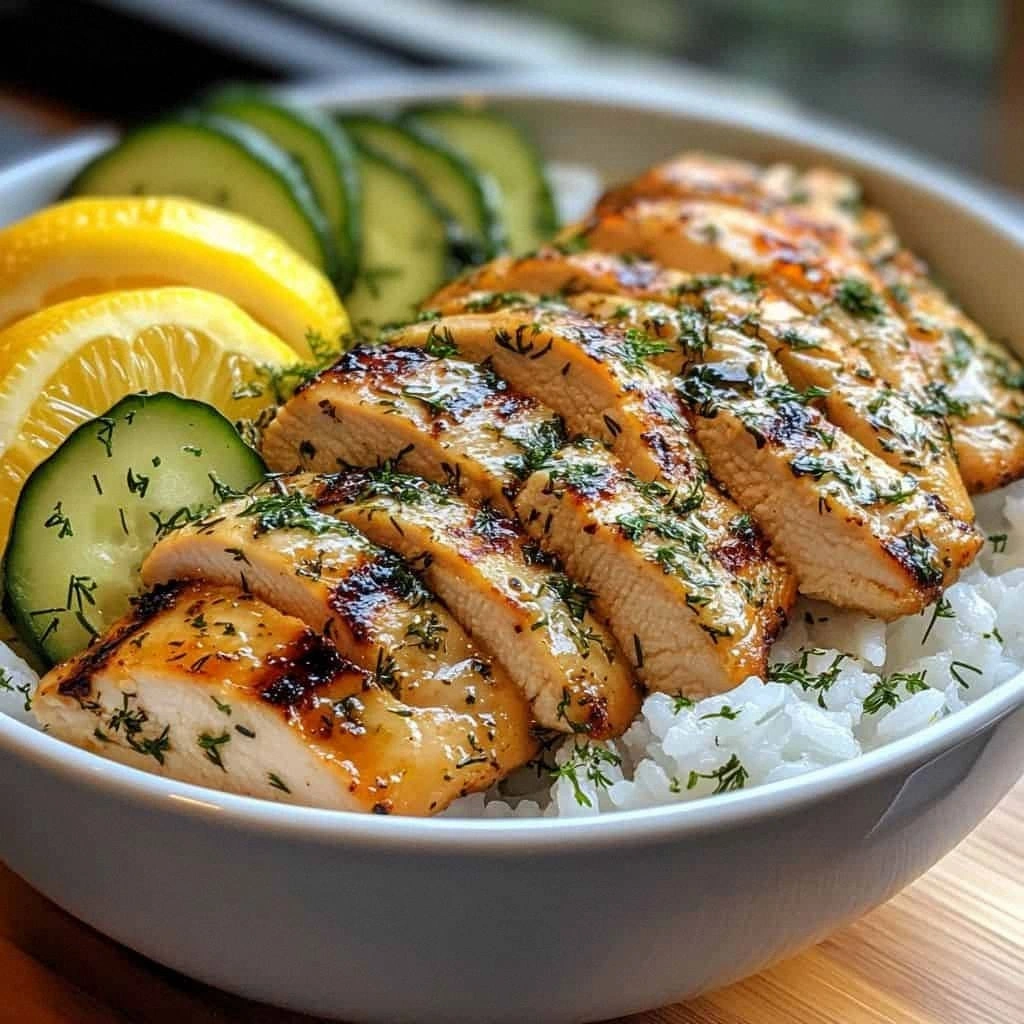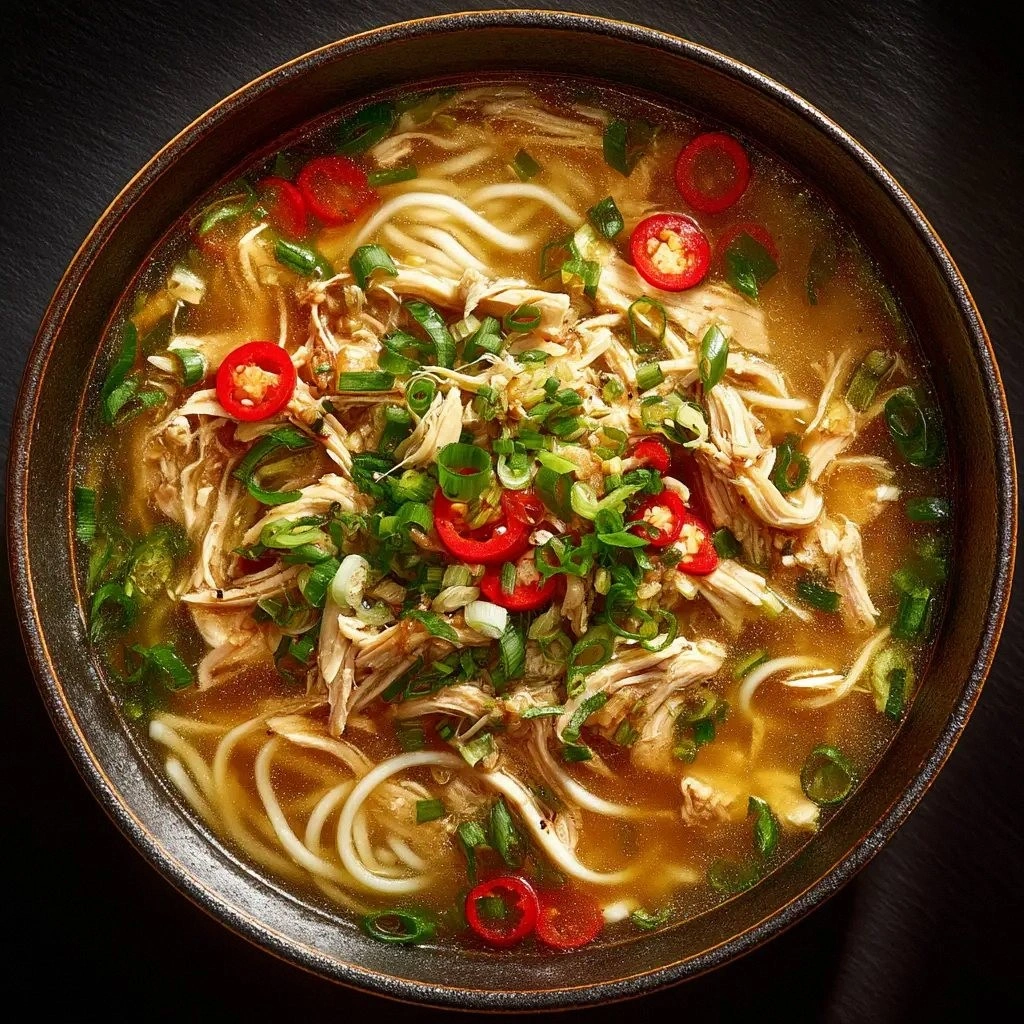
Picture this: a rainy afternoon, a stubborn pot of chicken broth that refuses to thicken, and your kitchen clock ticking toward dinner. I was halfway through a mediocre take‑out order when the idea hit me—turn that bland broth into a sizzling, fragrant bowl that feels like a hug in a mug. I grabbed a handful of fresh ginger, a few garlic cloves, and the chicken I’d been planning to grill. The result was a steaming, aromatic sauce that clung to noodles like velvet and turned the whole meal into an instant crowd‑pleaser. I dare you to taste this and not go back for seconds.
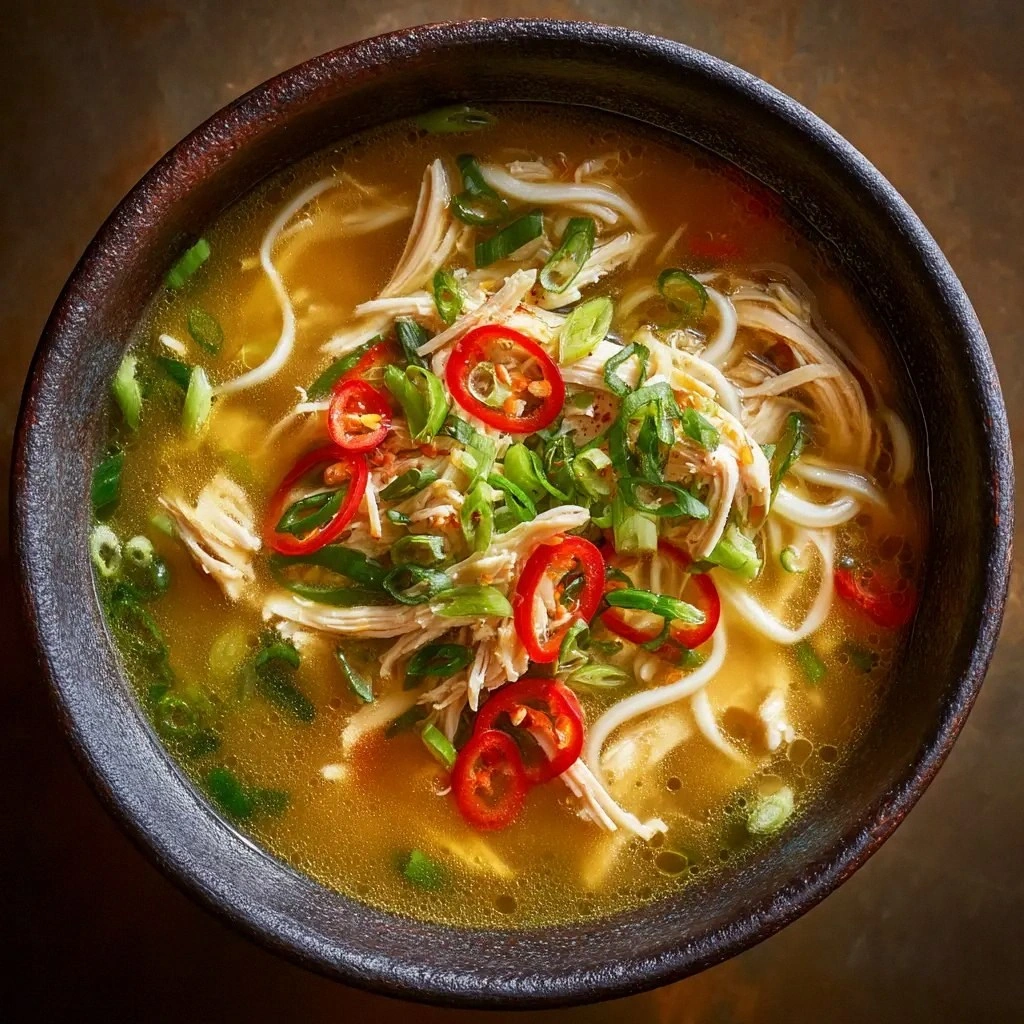
When I first tasted the first spoonful, the kitchen filled with a scent that was both sweet and peppery, the kind of aroma that makes your eyes water and your mouth water at the same time. The broth sang with the bright zing of ginger, the mellow depth of garlic, and the umami punch of soy, while the chicken was tender, juicy, and perfectly seasoned. The noodles swirled in the liquid, absorbing every nuance, and the finish was a burst of fresh parsley that added a pop of color and a hint of brightness. If you’re looking for comfort food that feels like a hug, this is the bowl that delivers.
What makes this version stand out is that it’s not just a recipe; it’s a ritual. I’ve spent years tweaking broth ratios, balancing spice, and finding the perfect noodle texture. The secret? A slow, low‑heat simmer that allows the ginger and garlic to release their oils gradually, a splash of soy that gives depth without overpowering, and a quick sear of the chicken to lock in juices. The result is a bowl that feels homemade, yet is so simple that you can whip it up on a weeknight. I’ll be honest—after the first batch, I ate half the pot before anyone else could even taste a spoon. That’s how good it is.
So if you’re tired of the same old chicken noodle soup that tastes like a textbook, this is hands down the best version you’ll ever make at home. I’ll walk you through every single step, from prepping the aromatics to the final garnish, so by the end of this post, you’ll wonder how you ever made it any other way. Let me show you how to create a bowl that’s comforting, flavorful, and so easy that it practically cooks itself.
What Makes This Version Stand Out
- Flavor Depth: The combination of fresh ginger, garlic, and soy sauce creates a broth that is simultaneously sweet, savory, and slightly spicy, a balance that most recipes miss.
- Texture Perfection: The egg noodles are cooked al dente, offering a silky bite that doesn’t get mushy in the broth.
- Ingredient Quality: Using high‑quality chicken breasts and fresh vegetables ensures the dish tastes like a gourmet meal without the price tag.
- Simple Method: With just one pot and a few basic steps, you can create a restaurant‑style bowl in under an hour.
- Make‑Ahead Friendly: The soup keeps well in the fridge for up to five days and freezes beautifully, making it a perfect meal prep option.
- Crowd‑Pleaser: Even the pickiest eaters love the bright color and the comforting warmth of this bowl.
Alright, let’s break down exactly what goes into this masterpiece…
Inside the Ingredient List
The Flavor Base
At the heart of this soup is a broth that’s been coaxed into a silky, aromatic liquid. The 8 cups of chicken broth serve as the canvas, absorbing the subtle sweetness of the ginger and the sharpness of the garlic. If you’re using store‑bought broth, look for a low‑sodium option so you can control the salt level. A small pinch of salt is all you’ll need to bring out the flavors without drowning the dish.
The Texture Crew
Egg noodles bring that satisfying chew that makes the soup feel hearty. They’re quick to cook—just a few minutes in boiling water—yet they hold their shape even after simmering in the broth. If you’re a fan of thicker noodles, you can substitute with wide wheat noodles or even ramen for a different mouthfeel.
The Unexpected Star
Fresh ginger isn’t just a garnish; it’s the star that elevates the entire dish. Grated ginger releases essential oils that give the soup its bright, almost citrusy note. A pinch of freshly ground black pepper adds a subtle heat that balances the sweetness of the soy sauce. If you’re allergic to ginger, a small amount of ginger powder can be a decent substitute, though the aroma won’t be as vibrant.
The Final Flourish
The chopped parsley isn’t just a garnish—it adds a burst of green that brightens the bowl and introduces a fresh, slightly peppery finish. It also provides a subtle contrast to the warm, golden broth. If you’re looking for a different herb, cilantro or basil can give the dish a new dimension.
Everything’s prepped? Good. Let’s get into the real action…
The Method — Step by Step
- Heat the olive oil in a large stockpot over medium heat until it shimmers. Add the chopped onion, sliced carrots, and sliced celery. Sauté for 5–6 minutes, stirring occasionally, until the vegetables soften and the onion turns translucent. This step builds the aromatic foundation of the broth. The vegetables should start to release their juices and give off a sweet aroma.
- Add the minced garlic and grated ginger to the pot. Stir constantly for 1 minute until the garlic turns fragrant but not browned. This prevents bitterness. The garlic should smell like a freshly cut onion, and the ginger should give off a bright, citrusy scent.
- Pour in the chicken broth and bring the mixture to a gentle boil. Once boiling, reduce the heat to a low simmer and add the soy sauce. Simmer for 15 minutes, allowing the flavors to meld. The broth should develop a slightly darker hue and a richer aroma.
- While the broth simmers, season the chicken breasts with salt, black pepper, and a light dusting of flour (optional, for a thicker broth). Place the chicken in the pot and let it cook for 10–12 minutes, or until it reaches an internal temperature of 165°F (74°C). The chicken should be pink in the center and juicy.
- Remove the chicken from the pot and set it aside on a cutting board. Once it’s cool enough to handle, shred it with two forks or slice it into bite‑size pieces. Returning the chicken to the pot later will keep it from overcooking.
- Add the egg noodles to the pot and cook according to the package instructions—usually 3–4 minutes. The noodles should be tender yet firm to the bite. Stir occasionally to prevent sticking.
- Return the shredded chicken to the pot, stir in the chopped parsley, and taste for seasoning. Adjust salt and pepper as needed. The final dish should have a harmonious blend of savory, sweet, and herbaceous flavors.
- Serve hot, ladled into bowls, and garnish with extra parsley if desired. The broth should be steaming, the noodles perfectly cooked, and the chicken tender. That sizzle when it hits the pan? Absolute perfection.
- That’s it—you did it. But hold on, I’ve got a few more tricks that will take this to another level, especially if you’re prepping for a crowd or want to experiment with flavors.
Insider Tricks for Flawless Results
The Temperature Rule Nobody Follows
Cooking the chicken over a steady low heat ensures it stays juicy. A quick sear on high heat might lock in moisture, but it can also toughen the meat. I’ve found that simmering the chicken in the broth for 10 minutes keeps it tender and infuses it with the same flavors as the rest of the soup.
Why Your Nose Knows Best
Before adding the soy sauce, give the broth a sniff. If it’s too bland, add a splash of soy. If it’s already rich, hold back. Your nose is a better judge than a scale. A well‑seasoned broth will taste like a symphony of umami notes.
The 5‑Minute Rest That Changes Everything
After simmering, let the soup rest for 5 minutes before serving. This allows the flavors to marry and the noodles to absorb the broth fully. A quick rest also makes the soup easier to ladle, preventing the noodles from clumping together.
The Quick Shred Hack
Instead of shredding the chicken after cooking, try using a food processor. Pulse the cooked chicken a few times to create shredded strands. It’s faster and gives a uniform texture that mixes better with the noodles.
The Ginger‑Garlic Balance
If you’re new to ginger, start with 1 tablespoon instead of 2 and taste as you go. The ginger’s heat can be overwhelming if you’re not used to it. Add it gradually; the broth will absorb it slowly, giving you a gentle warmth that’s not too spicy.
Creative Twists and Variations
This recipe is a playground. Here are some of my favorite ways to switch things up:
Spicy Sriracha Kick
Add a tablespoon of sriracha to the broth for a fiery twist. The heat pairs beautifully with the ginger and balances the soy’s saltiness. Perfect for those who love a bit of spice.
Mushroom Medley
Sauté sliced shiitake or cremini mushrooms with the onions and carrots. The earthy flavor adds depth, making the soup feel more rustic and hearty.
Thai‑Inspired Lime
Finish the soup with a squeeze of fresh lime juice and a sprinkle of chopped cilantro. The citrus brightens the broth and gives it a distinctly Thai flair.
Vegetarian Swap
Replace chicken with tofu or tempeh. Marinate the protein in soy sauce, ginger, and garlic before adding to the broth. The result is a protein‑rich, plant‑based version that still delivers on flavor.
Lentil Layer
Add a cup of cooked lentils for extra protein and fiber. Lentils absorb the broth’s flavors and add a pleasant bite, making the soup even more filling.
Coconut Cream Finish
Stir in a splash of coconut milk at the end for a creamy, tropical twist. The coconut adds a subtle sweetness that balances the savory broth.
Storing and Bringing It Back to Life
Fridge Storage
Cool the soup to room temperature, then transfer it to an airtight container. It will keep in the fridge for up to five days. The broth’s flavors will deepen over time, making it even more delicious.
Freezer Friendly
For longer storage, freeze the soup in freezer‑safe containers or freezer bags. Label with the date and use within three months. When thawing, let it sit in the fridge overnight or use the defrost setting on your microwave.
Best Reheating Method
Reheat the soup on the stovetop over low heat, stirring occasionally. Add a splash of water or broth if it looks too thick. This gentle reheating preserves the noodles’ texture and the broth’s aroma. If you’re in a hurry, microwave on medium power for two minutes, then stir and heat for an additional minute.