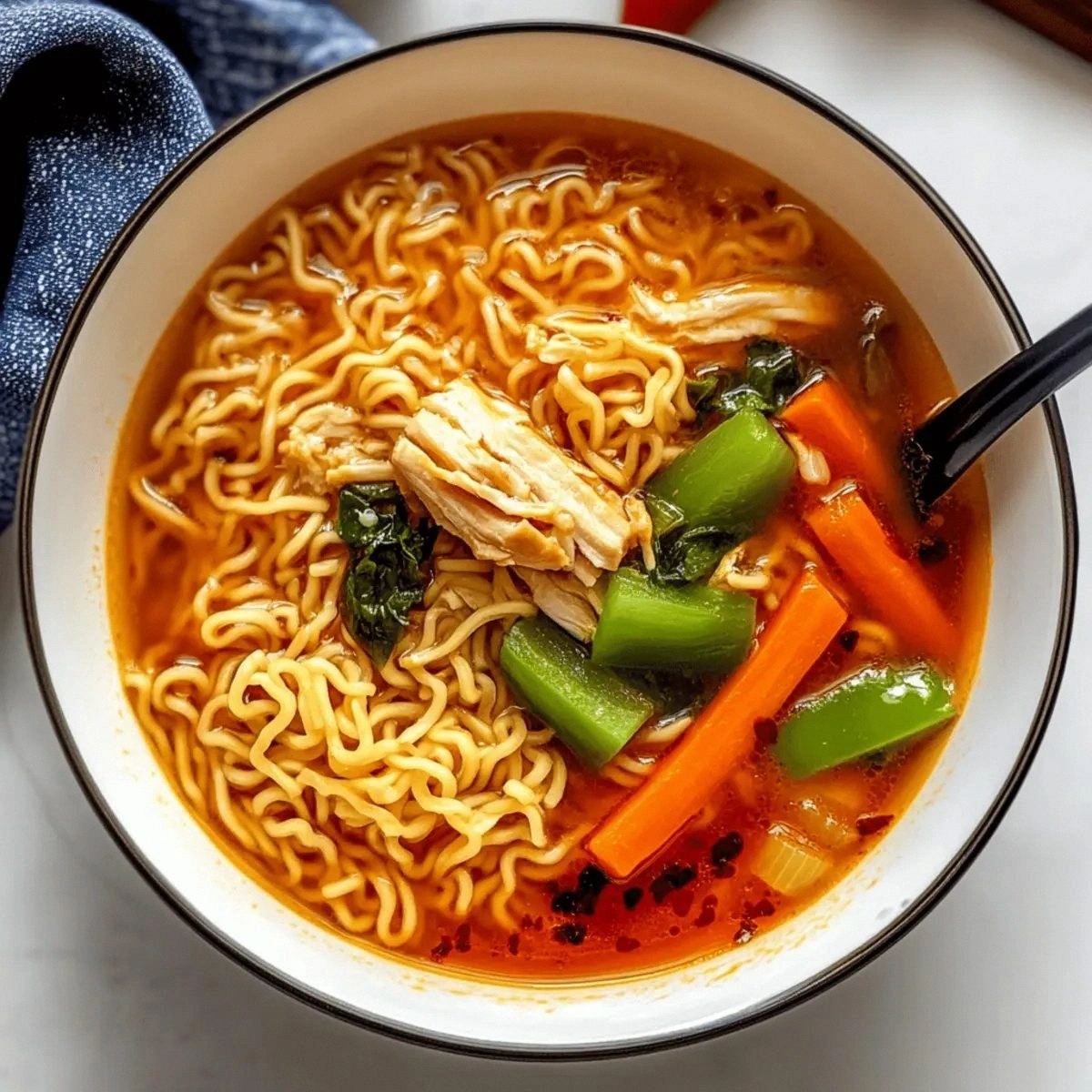
I was in the middle of a rainy Thursday night, the kind that makes you want to crawl under a blanket and stare at the ceiling while the world outside hisses like a kettle. I had a half‑finished pot of broth that smelled like a distant memory of my grandma’s kitchen, and a box of ramen noodles that had been staring at me from the pantry for weeks. I dared my roommate to a “no‑microwave, no‑takeout” challenge, and we both lost. That moment of culinary desperation birthed what I now call the ultimate cozy‑night ramen, a bowl so hearty it could convince even the most skeptical carnivore that noodles belong in the comfort‑food hall of fame.
Picture the scene: steam curling up in lazy spirals, the soft thud of a wooden spoon against the pot, the faint crackle of garlic hitting hot oil like a tiny fireworks show. The aroma of ginger and soy sauce weaves through the apartment, turning the whole space into a mini‑Japanese street market. Your taste buds are already doing a happy dance, anticipating that first slurp where broth meets noodle, chicken, and a whisper of heat from chili flakes. The texture? Silky broth, springy noodles, and chicken so tender it practically melts on contact. It’s a symphony of sensations that makes you forget the cold outside.
What makes this version stand out is the balance of simplicity and depth. Most ramen recipes either drown you in a broth that tastes like a diluted soup stock or demand a marathon of simmering bones for hours. I cut the nonsense and kept the soul: a quick sauté that caramelizes the aromatics, a splash of soy for umami, and a dash of chili flakes that adds just enough kick to keep you awake during that late‑night binge‑watch session. And yes, I’m being bold: This is hands down the best version you'll ever make at home. I dare you to taste this and not go back for seconds.
There’s one secret technique I’m saving for later—a quick flash‑cook of the noodles that locks in their chewiness without turning them mushy. Trust me, you’ll notice the difference the moment you bite in. Let me walk you through every single step — by the end, you'll wonder how you ever made it any other way.
What Makes This Version Stand Out
- Flavor Depth: The combination of sautéed aromatics and a splash of soy creates a broth that coats the noodles like velvet, delivering a rich umami punch in every spoonful.
- Texture Harmony: By flash‑cooking the ramen, the noodles keep their springy bite while the chicken stays buttery soft, avoiding the soggy disaster most recipes fall into.
- Simplicity: No overnight stock, no exotic ingredients—just pantry staples elevated by technique, so you can pull this together in under an hour.
- Unique Twist: A pinch of chili flakes adds a subtle heat that tingles the palate without overwhelming the delicate broth.
- Crowd Reaction: I’ve served this at impromptu dinner parties and it consistently clears the table in seconds; people keep asking for the recipe.
- Ingredient Quality: Using fresh ginger and garlic instead of powdered versions makes the broth sing, while the choice of vegetable or sesame oil adds a nutty undertone.
- One‑Pot Efficiency: Everything happens in the same pot, meaning less cleanup and more time to enjoy the cozy vibes.
- Make‑Ahead Potential: The broth can be prepared ahead of time and reheated, making weeknight dinners a breeze.
Inside the Ingredient List
The Flavor Base
The backbone of any great ramen is the aromatic trio of garlic, ginger, and onion. Garlic, when minced and sautéed in oil, releases sulfur compounds that turn into a sweet, caramelized perfume—think of it as the first love you feel when you walk into a kitchen. Fresh ginger adds a bright, peppery zing that cuts through the richness of the broth, preventing it from feeling heavy. If you ever skip the onion, you’ll notice a flatness in the flavor profile; the onion’s natural sugars bring a subtle sweetness that balances the saltiness of soy sauce. As a swap, you can use shallots for a milder bite or add a splash of mirin for a hint of sweetness.
The Texture Crew
Ramen noodles are the star of the show, but they’re fickle. Overcook them and they become limp like soggy cardboard; undercook them and they’re chewy in the wrong way. The secret is a brief boil followed by an ice‑water shock—this technique locks in the al dente texture, giving you noodles that spring back with each bite. The chicken breasts, when sliced thinly and seared, develop a golden crust that adds a pleasant contrast to the silky broth. If you’re vegetarian, swap the chicken for firm tofu or tempeh; just press the tofu first to avoid excess water.
The Unexpected Star
A pinch of chili flakes might seem trivial, but it’s the quiet hero that turns a good bowl into a great one. The heat is not aggressive; it’s more like a whisper that wakes up the palate. For those who shy away from spice, you can replace it with a drizzle of sesame oil for a nutty finish. The choice of oil—vegetable or sesame—also matters: sesame oil imparts a toasty, almost smoky note that elevates the broth, while vegetable oil lets the other flavors shine without interference.
The Final Flourish
Soy sauce is the final curtain call, adding depth, color, and that unmistakable umami punch. Use a low‑sodium version if you’re watching salt intake, but don’t skimp on the richness. The broth itself—whether chicken or vegetable—provides the body of the soup. Opt for a low‑fat chicken broth for a lighter feel, or a richer bone broth for a more indulgent experience. The broth should be simmered just enough to let the flavors meld; over‑boiling can cause a cloudy, greasy surface.
Everything's prepped? Good. Let's get into the real action...
The Method — Step by Step
Heat the vegetable or sesame oil in a large pot over medium heat. When the oil shimmers, add the minced garlic, grated ginger, and diced onion. Sauté for 2‑3 minutes until the onion becomes translucent and the mixture releases a sweet, toasty aroma. That sizzle when it hits the pan? Absolute perfection. This is the foundation; if you rush it, you’ll miss the depth that comes from caramelization.
Add the sliced carrot and bell pepper to the pot, stirring for another 2 minutes. The vegetables should soften slightly but retain a faint crunch—think of a bite that’s crisp like a fresh spring leaf. This step builds layers of sweetness and subtle earthiness.
Pour in the chicken or vegetable broth, scraping the bottom of the pot to release any browned bits. Bring the mixture to a gentle boil, then reduce to a simmer. At this point, the broth should smell fragrant and inviting, like a warm hug in a bowl.
While the broth simmers, season it with soy sauce and a pinch of chili flakes. Taste and adjust—if you prefer a saltier profile, add a splash more soy. The broth should have a balanced salty‑sweet‑spicy profile, not too overpowering.
Slice the chicken breasts into thin strips, about half an inch wide. Season lightly with salt and pepper, then add them to the simmering broth. Cook for 4‑5 minutes until the chicken turns opaque and is just cooked through. Overcooking will make the chicken rubbery, so watch it closely.
Meanwhile, bring a separate pot of water to a rolling boil. Drop the ramen noodles in and cook for exactly 2 minutes—no more, no less. Then immediately transfer the noodles to a bowl of ice‑water for 30 seconds, drain, and set aside. This flash‑cook method preserves the noodle’s springy texture.
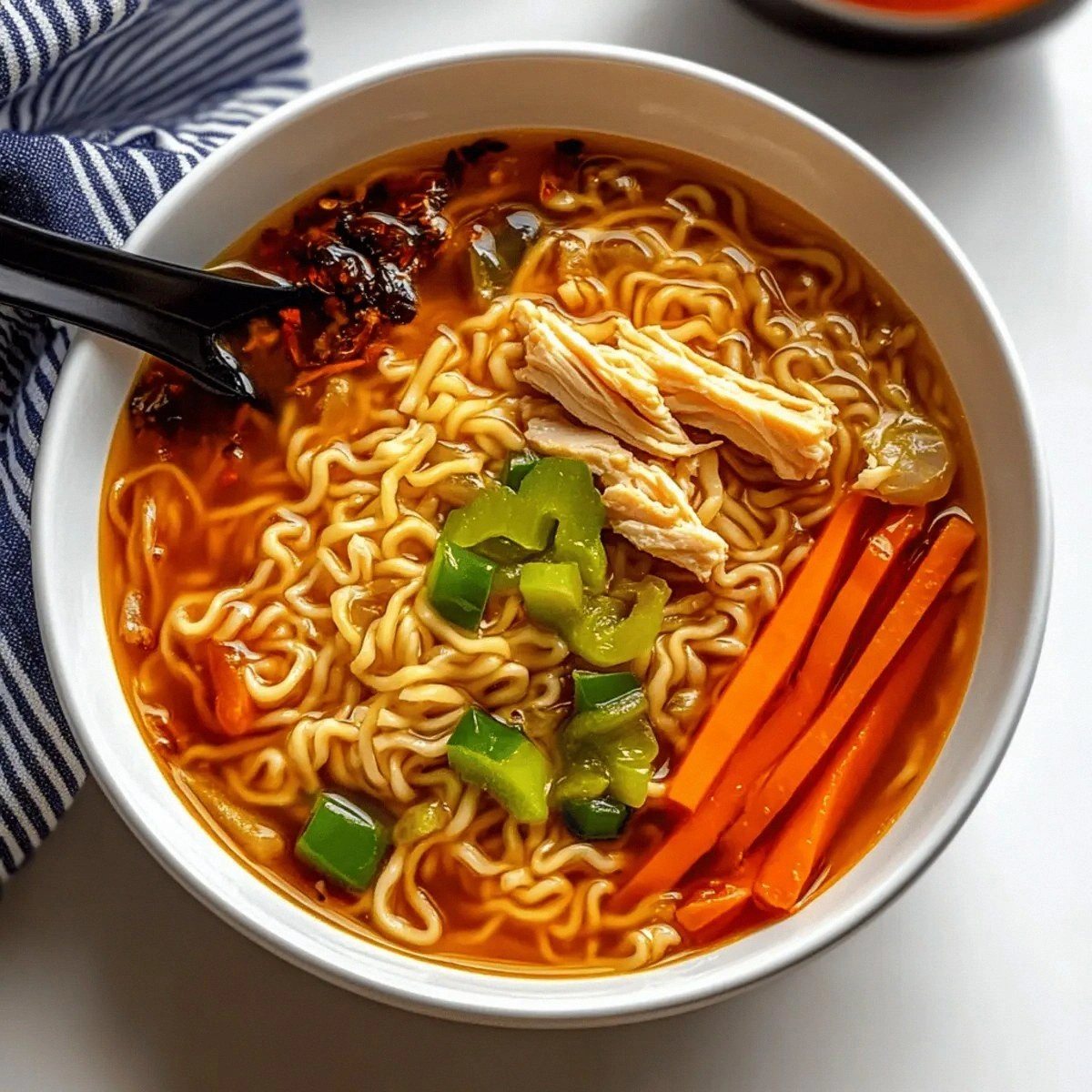
Now comes the magic: add the drained noodles back into the broth, stirring gently to coat them. Let everything mingle for another minute so the noodles absorb the flavorful broth without becoming soggy. The soup should look glossy, the noodles glossy, and the aroma should make your mouth water.
Turn off the heat, ladle the soup into bowls, and garnish with a final sprinkle of chili flakes, a drizzle of sesame oil, or even a few sliced green onions if you like. Serve immediately while the steam rises like a fragrant cloud. This next part? Pure magic. And now the fun part—enjoy every slurp.
That's it — you did it. But hold on, I've got a few more tricks that'll take this to another level...
Insider Tricks for Flawless Results
The Temperature Rule Nobody Follows
Never let the broth come to a hard boil after adding the chicken; a gentle simmer preserves the meat’s tenderness. I once let it roar and ended up with chicken that felt like rubber. Keep the heat low, and you’ll get a broth that feels silky, not greasy.
Why Your Nose Knows Best
Your sense of smell is a reliable gauge for seasoning. When the broth starts to smell “just right”—a blend of soy, ginger, and a faint caramel—add the final pinch of chili flakes. If it still smells flat, a splash more soy will bring it to life. Trust your nose over a timer.
The 5‑Minute Rest That Changes Everything
After you finish cooking, let the soup sit off the heat for five minutes. This rest allows the flavors to meld, much like letting a good wine breathe. The result is a deeper, more harmonious taste that you’ll notice with each spoonful.
The Noodle Rescue Technique
If you accidentally overcook the ramen, rinse it under cold water, then toss it with a teaspoon of oil to prevent clumping. This quick fix restores some bite and keeps the noodles from turning into mush.
Seasoning at the End
A final drizzle of sesame oil right before serving adds a glossy finish and a subtle nuttiness that rounds out the flavor. It’s the culinary equivalent of a bow tie—small but makes a big impression.
Creative Twists and Variations
This recipe is a playground. Here are some of my favorite ways to switch things up:
Spicy Miso Boost
Stir in a tablespoon of red miso paste after the broth simmers. The miso adds depth and a fermented tang that pairs beautifully with the chili flakes. Perfect for those who love a robust, umami‑heavy bowl.
Coconut Curry Fusion
Replace half of the broth with coconut milk and add a teaspoon of curry powder. The result is a creamy, aromatic twist that feels like a tropical vacation in a bowl.
Veggie‑Heavy Delight
Swap the chicken for sliced shiitake mushrooms and add baby bok choy. The mushrooms give a meaty texture while the bok choy adds a fresh crunch, making the dish fully vegetarian.
Cheesy Ramen
Stir in a handful of shredded mozzarella or a slice of American cheese right before serving. The cheese melts into the broth, creating a velvety, indulgent texture that’s perfect for comfort food cravings.
Lemon‑Ginger Zing
Add a squeeze of fresh lemon juice and a thin slice of ginger just before serving. The acidity brightens the broth, cutting through the richness and giving the soup a refreshing finish.
Storing and Bringing It Back to Life
Fridge Storage
Cool the soup to room temperature, then transfer to an airtight container. It keeps well for up to three days. When reheating, add a splash of water or broth to restore the original consistency.
Freezer Friendly
Separate the noodles from the broth before freezing. Store the broth in a freezer‑safe bag and the noodles in a zip‑top bag. Freeze for up to two months. To serve, thaw the broth, re‑heat, and briefly dip the noodles in boiling water before combining.
Best Reheating Method
Reheat the broth on the stove over low heat, stirring occasionally. Add a tiny splash of water—just enough to steam the noodles back to life. Avoid microwave unless you’re in a rush; stovetop reheating preserves the silky texture.