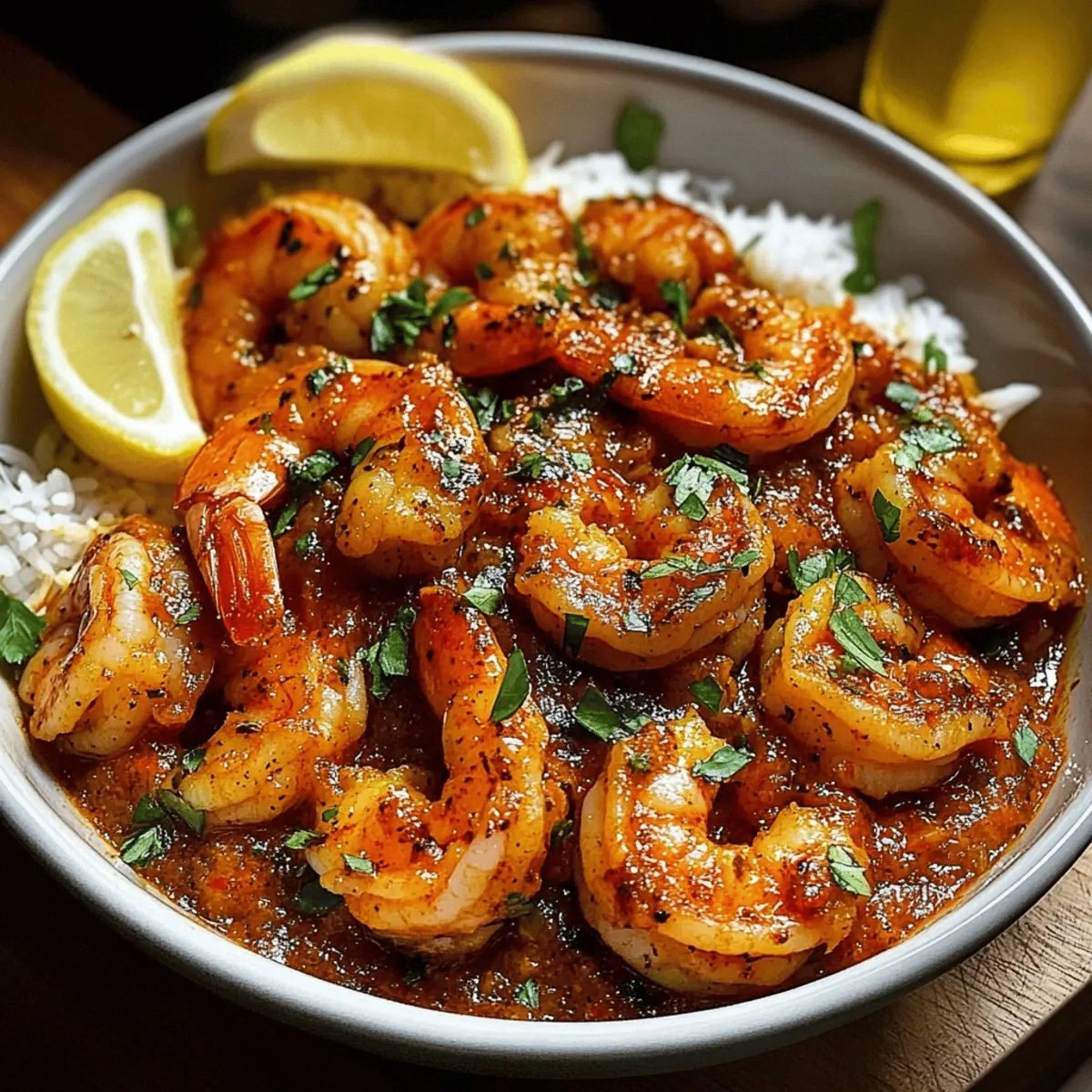
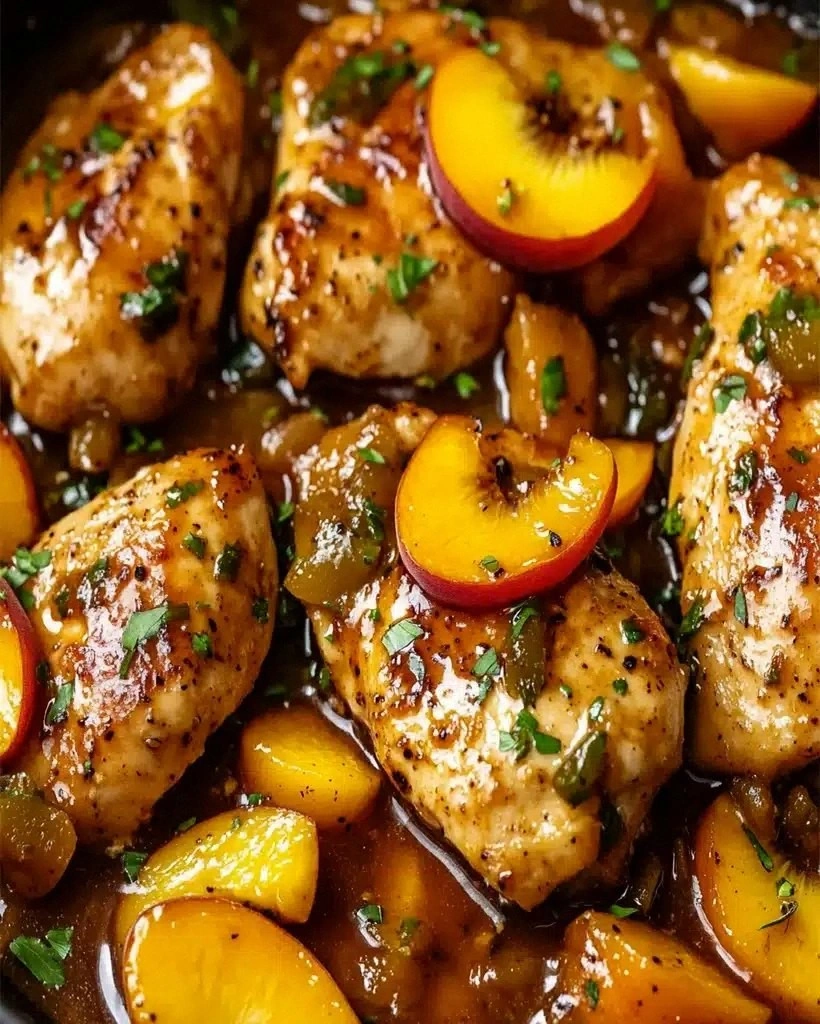
Picture this: golden chicken thighs that crackle at the edges like thin ice under your boot, then give way to meat so juicy it practically apologizes for every dry bird you’ve ever suffered. The sauce? Oh, the sauce is where the mischief lives—peach preserves melt into a glossy lava that coats each piece like lacquer, while whisper-thin jalapeño wheels swim through, sneaking heat into every crevice. The first bite is a bait-and-switch: you taste summer orchard, all honeysuckle and lazy afternoons, and then the slow burn creeps in, polite at first, until suddenly you’re reaching for your water and grinning like a maniac because you already know you’re going back for round two. I dare you to taste this and not go back for seconds. Seriously, I double-dog dare you.
Most recipes get this completely wrong. They either dump in so much sugar the dish tastes like dessert with identity issues, or they fire-bomb the sauce with peppers until your taste buds file for worker’s comp. The balance lives in the details: layering heat at three different moments, coaxing natural pectin out of fresh peaches so the glaze clings like velvet, and—here’s the kicker—using a teaspoon of Dijon to sharpen the fruit the way lemon elevates berries. Stay with me here—this is worth it. If you’ve ever struggled with cloying fruit sauces or chicken that tastes vaguely like peach candle, you’re not alone—and I’ve got the fix.
Okay, ready for the game-changer? We’re going to sear the chicken in a ripping-hot skillet, then let the peaches ride those browned-bit coattails so they soak up every last umami scrap. The glaze builds in the same pan, one ingredient at a time, each addition timed like a drumroll. Future pacing moment: imagine pulling this out of the oven, the whole kitchen smelling like a beach vacation that took a wrong turn into a salsa bar, and your friends hovering like seagulls over a French fry. Let me walk you through every single step—by the end, you’ll wonder how you ever made it any other way.
What Makes This Version Stand Out
- Sweet-Heat Harmony: Instead of a one-note blast, you get three waves—fruit-forward, then savory, then a gentle throat-warm that lingers just long enough to keep things interesting. Think of it as a conversation rather than a shouting match.
- One-Pan Brilliance: Chicken, sauce, and finishing glaze all happen in the same skillet, which means fewer dishes and more flavor because those browned fond bits become the secret backbone of the peachy elixir.
- Texture That Shatters: Skinless thighs stay tender inside, but we leave them untouched for a solid five-minute sear so the exterior turns into a caramelized shell that cracks under your fork like crème-brûlée sugar.
- Preserves ≠ Pure Sugar: Peach preserves bring concentrated fruit and built-in pectin, thickening the glaze without cornstarch slurries that turn gummy when they hit the fridge.
- Make-Ahead Magic: The glaze can be prepped two days early; the chicken can be seared earlier and rewarmed gently without turning into shoe leather. Translation: perfect for impressing guests while pretending you casually whipped it up.
- Crowd Reaction Guarantee: I’ve served this to chili-heads who keep ghost-pepper hot sauce in their glove box and to toddlers who think ketchup is spicy—every single plate comes back wiped clean. That never happens.
Alright, let's break down exactly what goes into this masterpiece...
Inside the Ingredient List
The Flavor Base
Yellow peaches are the star, but not just any peaches—go for the ones that smell like a florist’s cooler and feel heavy for their size. Underripe fruit tastes like crunchy water and overripe fruit collapses into baby-food mush, so aim for a gentle give when pressed. The natural sugars concentrate as they cook, creating a built-in glaze that commercial sauces try to mimic with high-fructose corn syrup. If you absolutely must substitute, nectarines work, but they’re tarter, so bump up the preserves by a tablespoon. And please, for the love of summer, do not use canned peaches unless you want your dinner to taste like the syrupy graveyard of a school cafeteria.
The Heat Index
One medium jalapeño, sliced whisper-thin so it looks like confetti, disperses heat evenly without landing nuclear pods on random bites. Keep the seeds if you live dangerously; remove them if you want a gentle glow. Red-pepper flakes join the party later, blooming in oil for fifteen seconds to release their citrusy oils without the vegetal bite. If you’ve ever bitten into a stir-fry and hit a peppercorn grenade, you already know why we layer heat rather than carpet-bomb.
The Preserves Power Move
Peach preserves aren’t just jam in a tuxedo; they’re cooked-down fruit with pectin already activated, meaning they thicken sauces without turning them into candy. Look for jars with visible chunks of fruit—those bits will caramelize and add jammy pockets to the final dish. In a pinch, apricot jam works, but you’ll lose the floral perfume that makes people close their eyes on first bite. If you’re watching sugar, low-sugar preserves work, yet the glaze will be looser, so simmer an extra two minutes.
The Unexpected Star
Dijon mustard is the pinch hitter nobody expects. It sharpens the fruit the way a squeeze of lemon wakes up seafood, plus the emulsifiers help the glaze cling to chicken like static-charged socks. Apple-cider vinegar adds back the tang that cooking burns off, while soy sauce sneaks in umami so the dish tastes mysteriously deeper than “fruity chicken.” Skip either and the sauce flirts with one-dimensionality; keep both and you’ll get the culinary equivalent of a plot twist.
Everything's prepped? Good. Let's get into the real action...
The Method — Step by Step
- Pat the chicken thighs bone-dry with paper towels—moisture is the arch-nemesis of browning. Season both sides with salt, pepper, and chili powder at least ten minutes before cooking; this dry-brine window lets the salt migrate inward so the meat is seasoned to the core. Heat your largest skillet over medium-high until a drop of water skitters like a scared beetle. Add olive oil, swirl to coat, and lay the thighs in away from you so they don’t splash hot oil up your forearm. Now—and this is critical—do not touch them for five full minutes. Yes, they’ll stick at first; yes, they’ll release when the crust forms. Peek too early and you’ll rip off the golden jacket you just worked for.
- While the chicken sears, whisk together preserves, vinegar, soy, Dijon, minced garlic, red-pepper flakes, salt, and pepper in a glass measuring cup. The mixture will look like sunset in liquid form—taste it now and you’ll get a bright, almost too-sweet punch. Don’t panic; heat will mellow the sugar and the vinegar will sharpen the edges. This next part? Pure magic.
- Flip the thighs once the bottoms are the color of antique mahogany, about five to six minutes. Reduce heat to medium and cook the second side four minutes. Transfer chicken to a plate; they’ll finish later in the sauce so don’t worry if they’re shy of 165°F. The pan should sport a constellation of browned bits—fond—which is culinary gold. If the skillet looks dry, add another teaspoon of oil; if it’s swimming in fat, pour some off. We want a thin slick, not a lake.
- Toss in sliced jalapeños and stir for thirty seconds; you’re just sweating them so they release grassy aroma without turning army-green. Pour the peach mixture into the pan; it will hiss and bubble like a teenage science experiment. Scrape the bottom with a wooden spoon to dissolve every last bit of fond—that’s free flavor you paid for with high heat. Simmer two minutes; the glaze will thicken slightly and turn glossy like a sports-car finish.
- Nestle the chicken back into the pan, spooning sauce over each piece so they wear it like a candy apple coat. Add peach slices around the edges, skin-side down so they caramelize without dissolving. Cover, reduce heat to low, and simmer eight minutes. The peaches should soften but hold their shape; poke one with a fork—it should slide in with gentle resistance. If you walk away here, the sugar can scorch faster than Netflix asks if you’re still watching, so stay close.
- Uncover, crank heat to medium-high, and cook three more minutes to reduce the sauce to a syrupy consistency. You’re looking for bubbles that look like lava pits—thick, slow, and shiny. Spoon glaze over chicken twice during this final blast; gravity will do the rest. Internal temperature should read 175°F for thighs (they forgive overcooking better than breasts). If you only have breasts, pull at 160°F and let carry-over heat finish the job.
- Rest the skillet off heat for five minutes. I know, the aroma is stalking you, but resting lets juices reabsorb so they don’t sprint out at first cut. Scatter fresh cilantro or basil if you’re feeling fancy; I skip herbs when peaches are peak-season because they already smell like perfume. Serve directly from the pan, ideally with crusty bread to swipe the sauce, or over coconut rice that drinks up the sweet heat like a vacation.
- Leftover game plan: cool completely, refrigerate in shallow containers, and dream of tomorrow’s lunch. The flavors meld overnight into a deeper, more cohesive riot, and the chicken slices beautifully cold for sandwiches with crunchy slaw. Microwave gently with a splash of water to steam without rubberizing, or pop into a 300°F oven covered with foil for ten minutes.
That's it—you did it. But hold on, I've got a few more tricks that'll take this to another level...
Insider Tricks for Flawless Results
The Temperature Rule Nobody Follows
Most home cooks under-heat the pan at the start and over-heat it at the end. You want medium-high for the sear to drive off moisture quickly, then medium-low for the glaze simmer so sugar doesn’t seize. Use an infrared thermometer if you’re gadget-obsessed; 400°F surface temp is your sweet spot for the initial sizzle. Drop to 325°F once the sauce goes in. A friend tried skipping this step once—let’s just say her smoke alarm now doubles as a dinner bell.
Why Your Nose Knows Best
When the peaches hit peak caramelization, they’ll smell like toasted marshmallows at summer camp. That’s your cue to flip them. If you wait for visual browning alone, you’ll miss the window and end up with peach jerky. Trust the aroma; it’s faster than your eyes and definitely faster than your timer.
The 5-Minute Rest That Changes Everything
Resting meat isn’t polite fiction—it’s science. Proteins tighten under heat, squeezing moisture to the center. A five-minute pause lets fibers relax and reabsorb juices, so when you slice, the sauce stays put instead of flooding the plate. Tent loosely with foil; too tight and you steam off that gorgeous crust you slaved over.
Creative Twists and Variations
This recipe is a playground. Here are some of my favorite ways to switch things up:
Grilled Summer Version
Char the chicken on the grill, then brush with the peach glaze during the last two minutes so the sugar caramelizes without burning. Grill peach halves alongside until they sport tiger stripes, slice, and pile on top. Smoky undertones turn the whole dish into a backyard luau.
Tropical Thunder
Swap peach preserves for mango jam and replace jalapeño with habanero for a Caribbean punch. Add a splash of dark rum to the sauce and flame it for drama. Serve over coconut rice with a squeeze of lime; your guests will swear they hear steel drums.
Autumn Harvest
Use apple butter and chipotle in adobo for a harvest spin. Sage replaces cilantro, and a handful of toasted pecans adds crunch. It’s like Thanksgiving collided with game day, and everyone won.
Low-Spice Family Style
Skip fresh jalapeño and use just a pinch of red-pepper flakes. Add a knob of fresh ginger for brightness without heat. Kids inhale it, and you can always pass hot sauce at the table for the pyromaniacs.
Storing and Bringing It Back to Life
Fridge Storage
Cool completely, then refrigerate in airtight containers up to four days. Keep sauce and chicken together; the glaze acts as a protective blanket against dryness. Reheat gently—microwave at 60% power with a damp paper towel over the top, or oven at 300°F covered with foil until just warmed through.
Freezer Friendly
Freeze individual portions in zip bags, pressed flat so they thaw quickly. Use within two months for best texture. Thaw overnight in the fridge, not on the counter—sugar makes it a bacteria playground if left warm too long.
Best Reheating Method
Add a tiny splash of water before reheating—it steams back to perfection. Warm low and slow; high heat tightens proteins and wrings out moisture faster than a gossip column.