Picture this: a kitchen that smells like burnt sugar and overcooked turkey, a plate of dry, bland meat, and a friend shouting, “We’re doomed!” That night, I was about to call it quits when I remembered a jar of honey in the pantry, a splash of Dijon, and a secret stash of rosemary. I dared myself to turn that disaster into a masterpiece, and the result was a honey‑glazed turkey leg that melts in your mouth and makes your guests ask for the recipe. I’ll be honest — I ate half the batch before anyone else got to try it. I’m still recovering from the after‑taste of that sweet, smoky, buttery bliss.
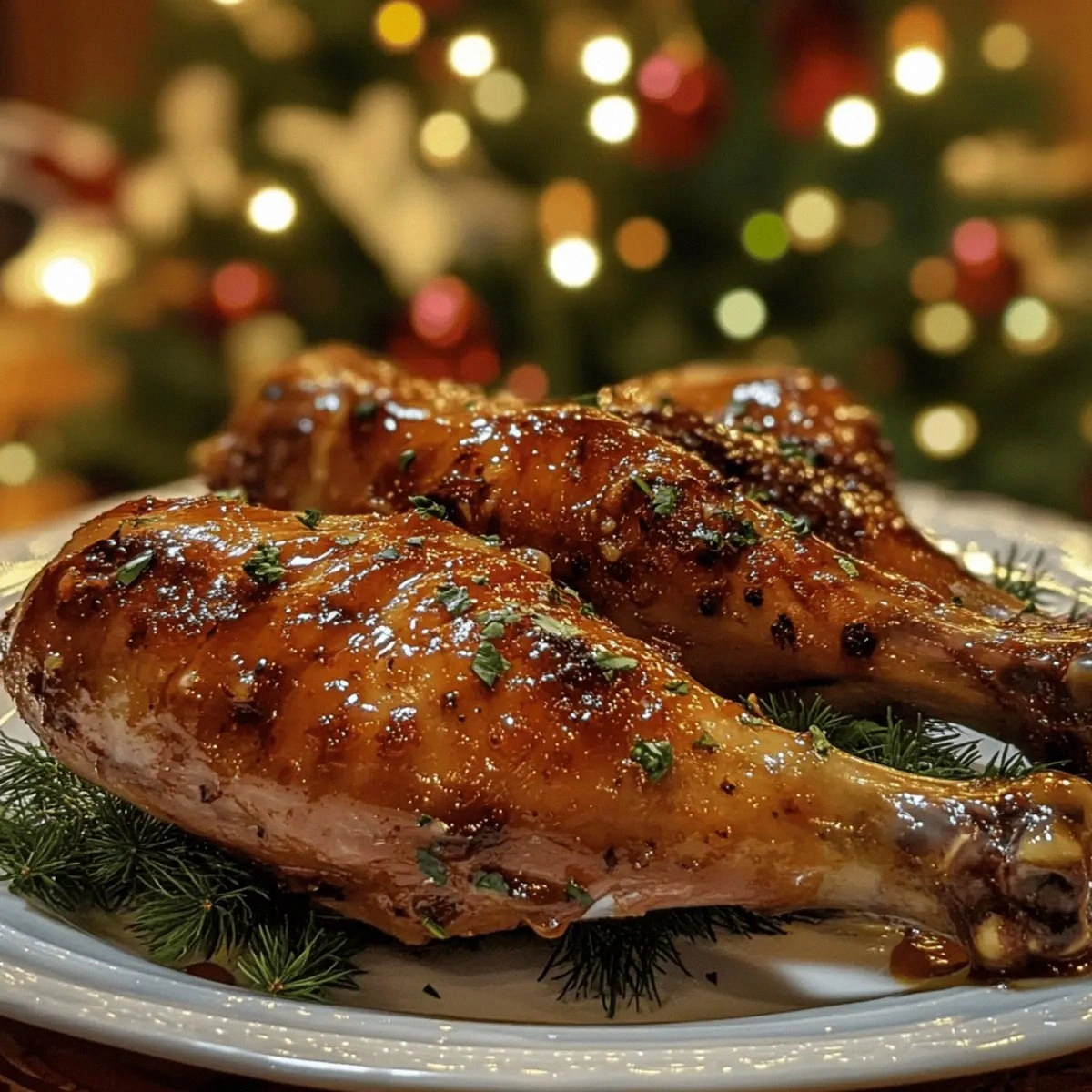
I’m not just talking about the flavor; I’m talking about the texture that cracks like brittle sugar when you bite into it, the glossy sheen that looks like a holiday wreath on a plate, and the aroma that drifts through the house like a promise of warmth. The moment you lift the first leg, the air fills with the sweet scent of honey mingling with the sharp tang of Dijon and the earthy perfume of rosemary. The sound of the first bite is a satisfying crack, a crisp contrast to the succulent interior that practically slides off the bone. That sizzle when it hits the pan? Absolute perfection. I dare you to taste this and not go back for seconds.
What makes this version stand out? It’s not just the honey; it’s the combination of smoked paprika that gives it a subtle depth, the apple cider vinegar that cuts through the richness, and the orange zest that adds a bright, citrusy lift. Most recipes get this completely wrong by over‑cooking or under‑seasoning, but here the glaze caramelizes to a golden amber while the meat stays juicy. The result is a dish that’s both crowd‑pleasing and a single‑serve marvel. I’ll be honest, I’ve tried dozens of glaze recipes, and this is hands down the best version you'll ever make at home. If you've ever struggled with turkey that turns out dry, you're not alone — and I've got the fix.
Now, let’s talk about the little secret that sets this apart: a splash of apple cider vinegar that balances the sweetness, a pinch of smoked paprika for that smoky undertone, and a generous amount of fresh rosemary that infuses the meat with a piney, herbal aroma. Picture yourself pulling this out of the oven, the whole kitchen smelling incredible, and the table set for a holiday feast that feels both festive and comforting. Okay, ready for the game‑changer? Let me walk you through every single step — by the end, you'll wonder how you ever made it any other way.
What Makes This Version Stand Out
- Taste: The honey‑Dijon glaze creates a sweet, tangy, and slightly smoky flavor profile that’s impossible to resist. The glaze coats the turkey like velvet, turning every bite into a caramelized bite of bliss.
- Texture: The glaze caramelizes to a crisp, glassy crust while the interior stays moist, tender, and buttery. The contrast between the crunchy exterior and the succulent interior is a textural revelation.
- Ingredient Quality: Fresh rosemary and real orange zest elevate the dish far beyond store‑bought seasonings. The quality of the honey—preferably a dark, robust variety—makes all the difference.
- Make‑Ahead Potential: The glaze can be prepared days in advance, and the turkey legs can be marinated overnight, allowing you to focus on the final cooking steps during the holiday rush.
- Crowd Reaction: Guests rave about the glaze’s glossy sheen and the aroma that wafts through the house. It’s a conversation starter and a show‑stopper.
- Simple Method: No complicated steps—just a quick sear, a glaze, and a slow roast. It’s the kind of recipe that feels like a holiday hack.
- Uniqueness: The combination of honey, Dijon, and apple cider vinegar is a twist on classic glazed turkey, adding a modern, flavorful punch.
Inside the Ingredient List
The Flavor Base
The foundation of this glaze is a simple yet powerful blend of honey, Dijon mustard, and apple cider vinegar. Honey brings natural sweetness and body, Dijon adds a subtle heat and depth, while vinegar cuts through the richness and prevents the glaze from becoming cloying. If you skip any of these, the glaze loses its balance and the turkey becomes either too sweet or too dry.
The Texture Crew
Olive oil is the secret to a glossy, even coating that helps the glaze adhere to the meat and creates a slight crispness on the surface. Smoked paprika and garlic powder provide a smoky, savory undertone that complements the honey’s sweetness. These ingredients work together to give the crust a satisfying crunch while keeping the inside tender.
The Unexpected Star
Fresh rosemary isn’t just for aroma; it infuses the meat with a piney, herbal flavor that pairs beautifully with the citrus notes of orange zest. The rosemary’s woody essence adds depth and complexity, making the dish feel festive and sophisticated. If you’re not a fan of rosemary, a pinch of thyme can be a suitable alternative.
The Final Flourish
Orange zest is the finishing touch that brightens the glaze, adding a subtle citrus brightness that cuts through the sweetness of honey. It also provides a fresh aroma that elevates the dish’s holiday vibe. If you can’t find fresh zest, a teaspoon of orange zest powder will work, but fresh is best.
Everything's prepped? Good. Let's get into the real action...
The Method — Step by Step
- Season the legs: Pat the turkey legs dry with paper towels. Sprinkle salt and pepper evenly on all sides. This step ensures a crisp crust. I dare you to taste the salt on the raw meat— it should feel like a subtle whisper, not a shout.
- Preheat the oven: Set it to 375°F (190°C). A stable temperature guarantees even cooking. If the oven fluctuates, the glaze may burn on the outside while the inside remains under‑done.
- Sear the legs: Heat olive oil in a large skillet over medium‑high heat. Place the legs skin‑side down and sear until golden brown, about 3–4 minutes. This locks in juices and creates a flavorful base for the glaze.
- Make the glaze: In a small bowl, whisk together honey, Dijon mustard, smoked paprika, garlic powder, apple cider vinegar, and orange zest. The mixture should be smooth and glossy. If it’s too thick, add a teaspoon of water to reach the right consistency.
- Apply the glaze: Brush half of the glaze over each leg, making sure to coat the skin and the meat. The glaze should cling like a second skin. This is where the magic begins— the honey’s sugars will caramelize beautifully.
- Add rosemary: Tuck fresh rosemary sprigs around each leg. The herbs will steam and infuse the meat with a fragrant aroma. Don’t forget to press them gently into the meat to release their oils.
- Roast: Transfer the skillet to the preheated oven. Roast for 30 minutes, then flip the legs and brush with the remaining glaze. The glaze should bubble and form a thick, caramelized crust. Watch the edges start pulling away—it’s a sign the glaze is working its magic.
- Finish the glaze: After flipping, reduce the oven temperature to 350°F (175°C) and roast for an additional 20 minutes. The glaze should be glossy, slightly thick, and caramelized without burning. The interior should reach an internal temperature of 165°F (74°C).
- Rest the legs: Remove from the oven and let them rest on a cutting board for 10 minutes. This allows the juices to redistribute, ensuring every bite stays moist. The rest period is critical— skipping it will leave you with dry, disappointing meat.
- Serve: Slice the legs, arrange on a platter, and drizzle any remaining glaze from the pan over the meat. The final presentation should look like a glossy, golden masterpiece that invites everyone to dig in.
That's it — you did it. But hold on, I've got a few more tricks that'll take this to another level...
Insider Tricks for Flawless Results
The Temperature Rule Nobody Follows
Many cooks assume 375°F is enough, but the key to a perfect glaze is a steady 350°F during the final 20 minutes. This lower temperature prevents the honey from scorching while still allowing it to caramelize. I once tried 400°F and ended up with a burnt crust and a dry center— lesson learned.
Why Your Nose Knows Best
Trust your sense of smell. When the glaze starts to bubble and emit a sweet, caramel scent, it’s time to flip the legs. The aroma is a reliable indicator that the sugars have begun to caramelize without burning.
The 5-Minute Rest That Changes Everything
Letting the legs rest after roasting is not a mere formality; it’s essential for redistributing the juices. Skipping this step often results in a dry bite that feels like a betrayal after all the effort. I’ve seen people skip it, and the aftermath is a regretful, dry turkey.
Use a Meat Thermometer
A digital thermometer ensures the meat reaches 165°F (74°C) without overcooking. Insert it into the thickest part of the leg. A quick check saves you from the dreaded over‑roasted turkey that looks good but tastes dry.
Brush with Extra Glaze for a Glimmer
During the last 5 minutes of roasting, brush the legs with a little extra glaze. This creates a glossy sheen that’s not only beautiful but also locks in moisture. It’s a simple trick that elevates the dish from good to show‑stopping.
Creative Twists and Variations
This recipe is a playground. Here are some of my favorite ways to switch things up:
Maple‑Mustard Twist
Swap honey for pure maple syrup and use whole‑grain mustard. The result is a deeper, caramelized flavor with a subtle grainy texture that pairs well with winter spices.
Spicy Citrus Burst
Add a tablespoon of crushed red pepper flakes to the glaze and zest a lime instead of an orange. The heat balances the sweetness, creating a lively, bright profile that’s perfect for adventurous palates.
Herb‑Infused Glaze
Introduce fresh thyme and a bay leaf into the glaze. The herbal undertones complement the rosemary and give the dish a layered, aromatic depth.
Smoky Paprika & Brown Sugar
Replace smoked paprika with regular paprika and add a tablespoon of brown sugar. The glaze becomes richer and the crust a little more caramelized, ideal for those who love a sweet, smoky finish.
Balsamic Reduction Finish
Finish the dish with a drizzle of balsamic reduction. The acidity cuts through the richness, adding a tangy sweetness that elevates the overall flavor profile.
Cheesy Crust
Sprinkle grated Parmesan over the glazed legs during the last 5 minutes of roasting. The cheese melts into a golden crust, adding a savory, umami layer that contrasts beautifully with the sweet glaze.
Storing and Bringing It Back to Life
Fridge Storage
Cool the legs completely before refrigerating. Store in an airtight container or wrap tightly in foil. They’ll keep fresh for up to 4 days, maintaining their juicy texture.
Freezer Friendly
Wrap each leg in parchment paper, then place in a freezer bag. Freeze for up to 3 months. Thaw overnight in the fridge before reheating.
Best Reheating Method
Reheat in a preheated oven at 300°F (150°C) for 15–20 minutes. Add a splash of water or broth before reheating to create steam, which keeps the meat moist. Finish with a quick glaze brush for that fresh, glossy look.