I remember the night I tried to impress my in‑laws with a homemade apple pie. The crust was a sad, soggy mess that collapsed in the oven, and the family’s disappointed sighs echoed through the kitchen. That disaster became my obsession: I was determined to create a crust that was flaky, buttery, and absolutely effortless. I spent days scouring forums, watching videos, and testing variations until I finally hit the sweet spot.
Picture this: you’re in your kitchen, the air thick with the scent of cold butter melting in the fridge, the gentle hum of your mixer, and the rhythmic click of a rolling pin. The dough feels like a cloud of flour, the butter cubes are crisp against your fingertips, and the first bite of the crust is a buttery explosion that melts in your mouth. It’s that kind of sensory perfection that makes you want to share the recipe with everyone you know, because you’re not just making a crust—you’re creating a moment of pure joy.
What sets this version apart is that it eliminates the usual fuss of measuring water, chilling for hours, or using a pastry cutter that leaves crumbs everywhere. I’ve distilled the process into a few simple steps that still produce a crust with a crisp edge that shatters like thin ice and a tender interior that holds fillings without turning soggy. I’ll walk you through each step, from the first flour scoop to the final golden brown, so you’ll wonder how you ever made it any other way.
And there’s a twist you won’t expect: a splash of cold sparkling water instead of plain ice water gives the crust a subtle lift and a hint of effervescence that makes it feel almost celebratory. Trust me, that tiny change transforms the whole experience. Let’s dive in—by the end of this post, you’ll have a crust that’s so simple and reliable, you’ll be tempted to bake it for every occasion.
What Makes This Version Stand Out
- Flaky Finish: The cold butter cubes are cut into perfect ½‑inch pieces, ensuring each bite releases a buttery burst while the flour creates a light, airy structure.
- Zero Mess: No need for a pastry cutter or a stand mixer—just your fingers and a quick pinch of ice water. The dough comes together in seconds.
- Time Saver: Prep time is just 15 minutes, and the crust is ready to bake in 30. No long chilling periods or pre‑bake steps.
- Versatile Base: Works for sweet pies, savory quiches, and even mini tarts. The crust holds fillings without becoming soggy.
- Crowd‑Pleaser: Guests rave about the buttery crunch and the fact that they can’t stop asking for the recipe.
- Ingredient Quality: Using high‑grade all‑purpose flour and cold, unsalted butter guarantees a superior flavor profile.
- Make‑Ahead Friendly: Chill the dough for up to 24 hours or freeze it for future use without compromising texture.
- Minimal Waste: The dough can be divided into portions and stored separately, reducing leftovers and simplifying prep.
Alright, let’s break down exactly what goes into this masterpiece…
Inside the Ingredient List
The Flour Foundation
All‑purpose flour is the backbone of any pie crust. It provides the structure needed to hold the filling while remaining tender when baked. If you’re craving a lighter feel, you can replace ¼ cup of the flour with cornstarch—this adds a subtle crispness that’s almost invisible to the palate.
The Butter Brigade
Cold, unsalted butter is the star of the show. Cutting it into ½‑inch cubes and chilling it until it’s almost solid ensures that it melts slowly in the oven, creating steam pockets that lift the crust. If you prefer a shorter prep time, you can use chilled shortening or a mix of butter and shortening for an even flakier result.
The Water Whisperer
Ice water is the secret agent that brings the dough together without overworking it. The cold temperature keeps the butter from melting prematurely, preserving the flaky layers. A splash of sparkling water gives the crust a subtle lift and a hint of effervescence—just a trick I learned from a pastry chef who swears by it.
The Sweet Touch
A teaspoon of sugar balances the buttery richness and adds a slight caramel note that enhances the overall flavor. If you’re making a savory crust, you can omit the sugar or replace it with a pinch of dried herbs for an aromatic twist.
Everything’s prepped? Good. Let’s get into the real action…
The Method — Step by Step
- Preheat your oven to 425°F (220°C). Line a baking sheet with parchment paper for easy cleanup. The high heat is crucial for that crisp edge.
- In a large mixing bowl, whisk together 2 cups of all‑purpose flour, 1 tsp salt, and 1 tsp sugar until evenly distributed. This ensures the flavor is balanced throughout the crust.
- Add 1 cup of cold, cubed butter to the flour mixture. Use a pastry cutter or your fingertips to cut the butter into the flour until the mixture resembles coarse crumbs with some pea‑size pieces. The goal is to keep the butter in small, distinct pockets.
- Pour in ¼ cup of ice water, a tablespoon at a time, and gently fold the mixture with a fork until it just comes together. If the dough feels dry, add a little more water—no more than 2 tbsp. The dough should be moist but not sticky.
- Gather the dough into a ball, flatten it into a disk, and wrap it tightly in plastic wrap. Chill in the refrigerator for at least 30 minutes; this step relaxes the gluten and keeps the crust flaky.
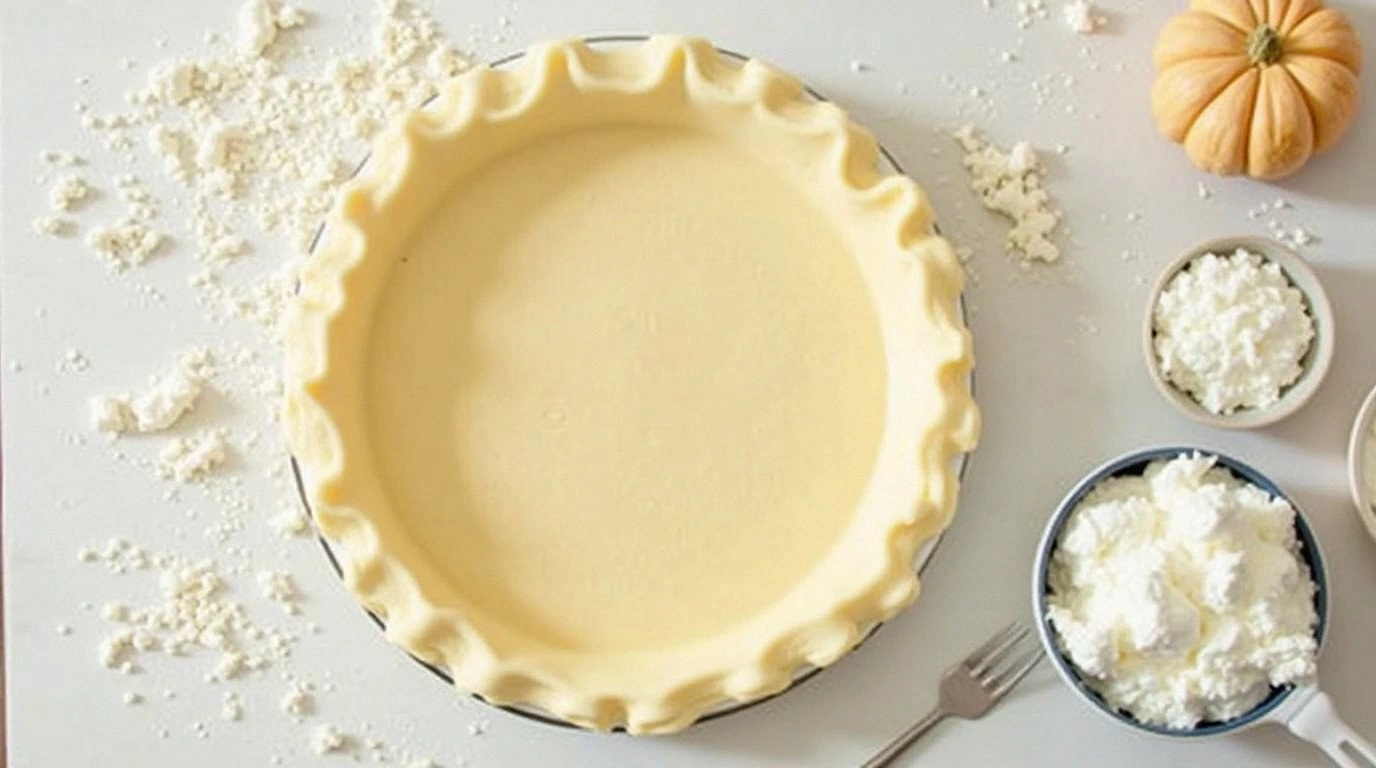
- On a lightly floured surface, roll the chilled dough out into a circle that’s 2 inches larger than your pie dish. Keep the surface lightly floured to prevent sticking.
- Transfer the rolled dough to a 9‑inch pie dish, gently pressing it into the corners. Trim any excess dough hanging over the edge with a sharp knife.
- Prick the bottom of the crust with a fork to prevent bubbling. If you’re blind‑baking, line the crust with parchment and fill it with pie weights or dried beans.
- Bake at 425°F for 10 minutes, then reduce the temperature to 375°F (190°C) and bake for an additional 10‑12 minutes until the edges are golden brown and the bottom is firm. The crust should have a pleasant, toasty aroma.
- Remove from the oven and let it cool on a wire rack for 10 minutes before filling. This cooling period allows the crust to set, preventing a soggy bottom.
That’s it— you did it. But hold on, I’ve got a few more tricks that will take this to another level…
Insider Tricks for Flawless Results
The Temperature Rule Nobody Follows
Many bakers assume room‑temperature butter works fine, but cold butter is essential for flakiness. Keep the butter in the fridge until the last minute. If it’s too warm, it will melt into the dough, creating a greasy texture.
Why Your Nose Knows Best
The aroma of a crust in the oven is a reliable indicator of doneness. When you smell a nutty, buttery scent, the crust is ready. If you only see color, you might be baking it too long or too short.
The 5‑Minute Rest That Changes Everything
After you roll out the dough, let it rest on the counter for 5 minutes. This rest period allows the gluten to relax, making the crust easier to cut and less likely to crack.
The Secret to a Crack‑Free Bottom
Press the crust into the dish with a light tap on the counter. This removes any air pockets and ensures an even base. It also helps the crust adhere better to the pan, preventing it from lifting during baking.
How to Keep It Moist When Storing
Wrap the chilled dough in plastic wrap and store it in an airtight container. If you plan to bake within 24 hours, keep it in the fridge; for longer storage, freeze it. When thawing, let it sit at room temperature for 20 minutes before rolling.
Creative Twists and Variations
This recipe is a playground. Here are some of my favorite ways to switch things up:
Herb‑Infused Crust
Add 1 tsp dried rosemary and ½ tsp dried thyme to the flour mixture. The herbs mingle with the buttery base, creating a savory crust perfect for chicken pot pies.
Chocolate‑Dusted Crust
Replace 1 tsp sugar with 1 tbsp cocoa powder. The result is a slightly bitter, chocolatey crust that pairs beautifully with pecan pie or chocolate mousse.
Lemon‑Zest Crunch
Grate the zest of one lemon into the flour. The citrus aroma brightens the crust and adds a subtle zing that complements fruit fillings.
Whole‑Grain Upgrade
Use half all‑purpose flour and half whole‑wheat flour. The crust gains a nutty flavor and a denser texture, ideal for hearty pies.
Sicilian‑Style Shortbread
Replace the butter with an equal amount of cold olive oil. The result is a chewy, golden crust that works wonderfully for savory calzones or sweet baklava.
Salted Caramel Twist
Drizzle a thin layer of salted caramel over the crust before baking. The caramel melts into the dough, creating a sweet‑salty glaze that’s irresistible.
Storing and Bringing It Back to Life
Fridge Storage
Wrap the dough tightly in plastic and store in the refrigerator for up to 24 hours. The cold environment keeps the butter solid, preserving flakiness. When ready, let it sit at room temperature for 10 minutes before rolling.
Freezer Friendly
Place the dough in a freezer‑safe bag and press out excess air. Freeze for up to 3 months. Thaw overnight in the fridge, then let it sit at room temperature for 20 minutes before using.
Best Reheating Method
To reheat a pre‑baked crust, preheat the oven to 350°F (175°C). Place the crust on a baking sheet and bake for 5–7 minutes. Add a splash of water to the bottom of the pan; the steam will revive the crust’s crispness.