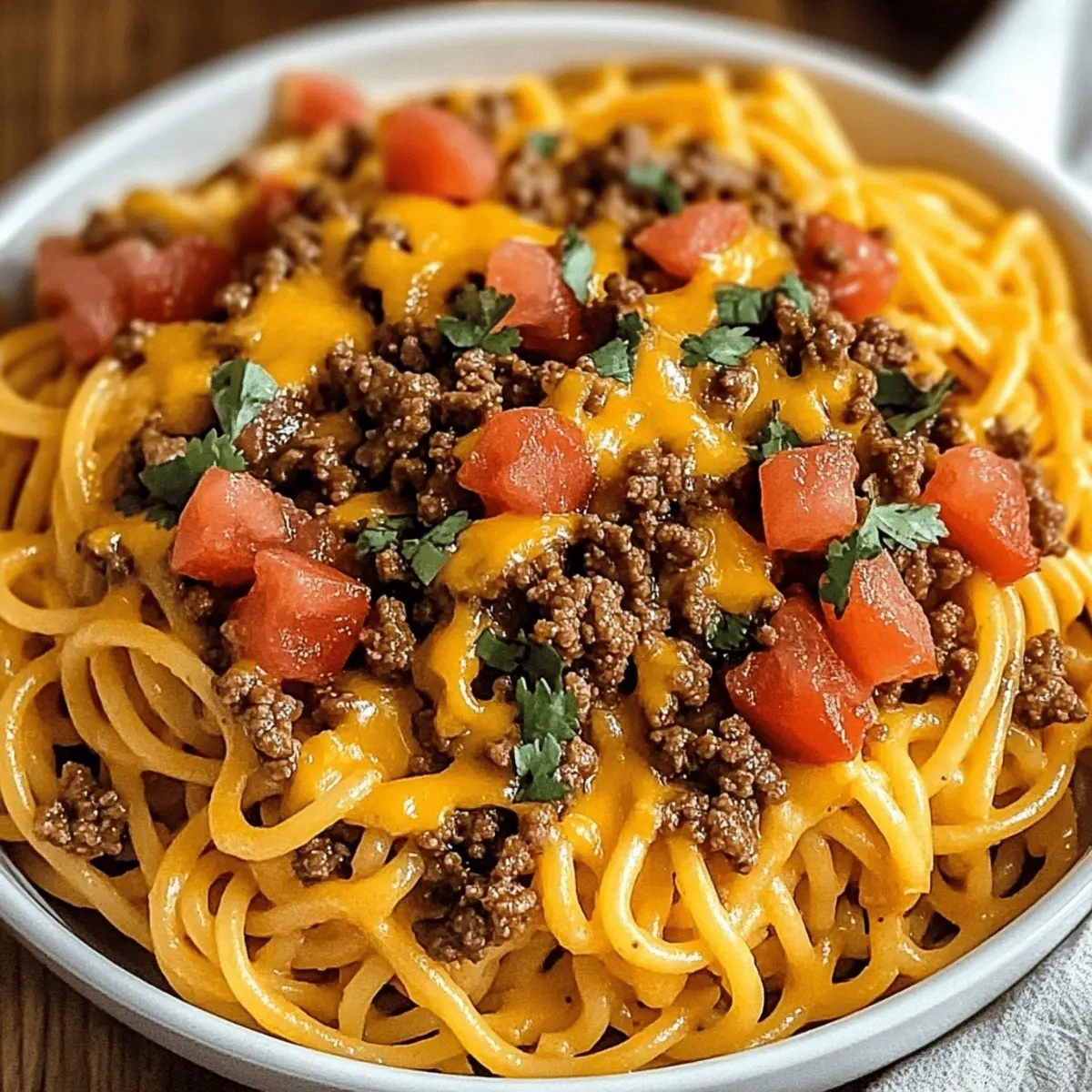
I still remember the Tuesday night I accidentally created the most addictive pasta dish my kitchen has ever seen. I was staring down a pantry that looked like a college student's last resort — half a box of spaghetti, a lone packet of taco seasoning, and ground beef that needed to be used before it staged a rebellion in my fridge. My stomach was growling louder than my neighbor's neglected beagle, and ordering takeout felt like admitting culinary defeat. Thirty minutes later, I was standing over my stove, fork suspended mid-air, wondering how I'd just made something so ridiculously good from such humble beginnings. The spaghetti had somehow absorbed every ounce of that smoky, spicy taco flavor while staying perfectly al dente, and the cheese had melted into this velvety blanket that made me forget every pasta dish I'd ever made before.
Picture this: it's been one of those days where your boss scheduled a "quick" meeting that somehow devoured three hours of your life, and the only thing standing between you and complete starvation is whatever you can throw together before you eat your own arm. You want comfort food, but not the kind that requires every pot in your kitchen and a dishwasher that you'll definitely "get to tomorrow." You want something that tastes like it took hours of careful tending, but secretly came together while you were still processing your work emails. This one-pot taco spaghetti is that magical unicorn recipe that somehow manages to be easier than ordering pizza while tasting like you spent all day building layers of flavor in some fancy cooking class.
Here's the thing that'll make you fall head over heels: everything cooks in one pot. Not the "one-pot except for the separate pan for the sauce" kind of false advertising, but truly, genuinely one single pot that does all the heavy lifting. The spaghetti doesn't just cook in the sauce — it releases its starch into the liquid, creating this naturally creamy, almost luxurious coating that makes you wonder why you've been dirtying colanders your entire life. And when that cheddar hits the hot pasta? It melts into every nook and cranny, creating these pockets of cheesy perfection that'll make you question every relationship you've ever had with food.
Let me walk you through every single step — by the end, you'll wonder how you ever made it any other way.
What Makes This Version Stand Out
One-Pot Wonder: This isn't marketing fluff — everything from browning the meat to the final melty cheese moment happens in a single vessel. No colanders, no separate saucepans, no juggling multiple timers like you're conducting a culinary orchestra. Just one pot, one spoon, and thirty minutes standing between you and dinner glory.
Taco Tuesday Reinvented: We've all been stuck in that ground beef + taco seasoning + tortillas rut that feels about as exciting as plain oatmeal. This recipe takes everything you love about tacos — the spices, the satisfaction, the way it makes your whole kitchen smell like a fiesta — and transforms it into something that feels brand new while staying comfortingly familiar.
Cheese Distribution Magic: Instead of just sprinkling cheese on top like some amateur hour operation, we stir it directly into the hot pasta where it melts into every crevice. The result is a cohesive, creamy sauce that coats each strand like velvet, rather than a sad, congealed layer that separates from the pasta like oil and water.
Weeknight Warrior: From fridge to table in thirty minutes flat, this dish respects your time like no other. While other recipes demand your full attention and constant stirring, this one practically cooks itself, giving you time to change into comfortable clothes, pour a glass of wine, or just stare blankly at your phone without the guilt of neglecting dinner.
Crowd-Pleasing Power: I've served this to picky toddlers, skeptical teenagers, and adults who claim they "don't do fusion food," and every single one of them has asked for seconds. It's got that magical combination of familiar flavors in an unexpected format that makes people feel adventurous while staying safely in their comfort zone.
Leftover Legend: If you somehow manage to have leftovers, this dish transforms into an entirely different beast the next day. The flavors meld and deepen overnight, creating something that tastes like you planned it that way all along. Cold for breakfast? Absolutely. Reheated for lunch? Even better.
Pantry-Friendly Hero: No exotic ingredients that require a special trip to three different stores. Everything in this recipe is probably sitting in your kitchen right now, judging you for not using it sooner. It's the kind of recipe that makes you feel like a resourceful kitchen genius instead of someone who forgot to go grocery shopping.
Alright, let's break down exactly what goes into this masterpiece...
Inside the Ingredient List
The Foundation Players
Ground beef forms the hearty backbone of this dish, but here's where most recipes get it wrong — they use lean beef and end up with dry, crumbly sadness swimming in a pool of separated fat. You want ground beef with enough fat to carry flavor but not so much that you're essentially making meat soup. An 80/20 blend hits that sweet spot where the fat renders and flavors everything else without turning your dinner into an oil slick. If you're feeling virtuous, ground turkey works too, but accept that you'll need to compensate with an extra pat of butter or glug of olive oil because turkey's about as naturally flavorful as cardboard.
Spaghetti might seem like an odd choice for a taco-inspired dish, but hear me out — those long strands grab onto the sauce like they were designed for each other. The key is breaking them in half, which feels like pasta sacrilege until you realize it allows them to fit perfectly in your pot and absorb every drop of that spicy, tomato-rich liquid. Plus, there's something deeply satisfying about twirling perfectly portioned forkfuls instead of wrestling with a plate of pasta that's longer than your arm.
The Flavor Amplifiers
Taco seasoning is where this dish gets its personality, but not all seasoning packets are created equal. That ancient packet that's been sitting in your spice drawer since the Obama administration? It's lost its mojo and will leave you wondering why your dinner tastes like dusty disappointment. Fresh seasoning makes all the difference — the oregano should still smell like oregano, not like forgotten potpourri. If you're using a fresh packet, you'll get that vibrant blend of chili powder, cumin, garlic powder, and paprika that actually tastes like something instead of vaguely brown dust.
Diced tomatoes bring acidity and sweetness that balance the richness of the meat and cheese. Don't you dare drain them — that tomato juice is liquid gold that helps cook the pasta while adding layers of flavor. Fire-roasted diced tomatoes take this from good to "why am I not making this every night" territory, adding a subtle smokiness that plays beautifully with the taco spices. Regular diced tomatoes work fine, but if you spot the fire-roasted version, grab it like it's the last roll of toilet paper during a pandemic.
The Game-Changers
Cheddar cheese might seem basic, but it's the secret weapon that transforms this from "huh, that's interesting" to "I need to make this every week for the rest of my life." Sharp cheddar brings that tangy bite that cuts through the richness, while mild cheddar melts into silk-smooth submission. Pre-shredded cheese includes cellulose to prevent clumping, which also prevents it from melting into that glossy, cohesive sauce you're after. Buy a block and shred it yourself — your forearms get a workout and your sauce gets the texture it deserves. If you're feeling fancy, a mix of cheddar and pepper jack creates this spicy, melty masterpiece that'll make your taste buds do a happy dance.
The pasta water that forms as everything cooks together is actually your best friend. As the spaghetti releases its starch, it creates this naturally thick, glossy sauce that makes you wonder why you've been dumping pasta water down the drain your entire life. This starchy liquid is the difference between a sauce that coats every strand and one that puddles sadly at the bottom of your bowl like it forgot what it was supposed to be doing.
The Unexpected Heroes
Salt and pepper seem like afterthoughts, but they're the difference between a dish that tastes flat and one that makes people close their eyes in appreciation. Season the beef as it browns, then taste and adjust at the end. The tomatoes and taco seasoning bring sodium to the party, so wait until everything comes together before you go crazy with the salt shaker. A few cracks of fresh black pepper at the end brightens all the flavors and makes you seem like you know what you're doing, even if you're just winging it.
Everything's prepped? Good. Let's get into the real action...
The Method — Step by Step
- Heat your largest, widest pot over medium-high heat until it's hot enough that a drop of water sizzles like it's auditioning for a cooking show. Add your ground beef, breaking it up with a wooden spoon into pieces roughly the size of your thumb — not too small or they'll dry out, not too large or they'll feel like you're eating hamburger steaks. Let it sit undisturbed for about two minutes, because this is where the magic happens. Those brown, crispy edges that develop when meat meets hot metal? That's flavor country, and moving the meat around too much is like canceling your own party before it starts.
- Season the beef with a generous pinch of salt and pepper while it's still pink, because seasoning early helps the flavor penetrate rather than just coating the exterior like an afterthought. Continue breaking it up and stirring until it's mostly browned with just a hint of pink remaining — it'll finish cooking with the pasta, so don't worry about it being perfectly done. Drain off excess fat if you're dealing with particularly greasy beef, but leave about a tablespoon behind because that's pure flavor gold that'll carry the taco seasoning to every corner of your dish. If you're using lean turkey, add a splash of olive oil here because nobody wants to eat meat that tastes like it was cooked in a desert.
- Sprinkle the taco seasoning over the browned meat like you're dusting it with edible confetti. Stir constantly for about thirty seconds — this brief toasting time wakes up all those spices and releases their essential oils, creating a fragrance that'll make your neighbors wonder what restaurant opened in your kitchen. The seasoning should coat every piece of meat and start smelling toasty and aromatic, like the best taco truck just parked in your kitchen. This is where most recipes rush ahead and miss out on building that deep, complex flavor that makes people ask for your secret.
- Pour in the diced tomatoes with all their juice, then add enough water to make the liquid level reach about an inch above where the pasta will sit — usually about 2 cups total liquid. Add your broken spaghetti, pushing it down with your spoon until it's mostly submerged like nervous swimmers at the pool's edge. The pasta will absorb most of this liquid as it cooks, creating that starchy, flavorful sauce that makes this dish legendary. If you're feeling fancy, swap some of the water for chicken broth, but honestly, with all the flavor we're building, plain water works perfectly fine.
- Bring everything to a lively simmer — you want gentle bubbles breaking the surface, not a rolling boil that'll turn your pasta to mush and splatter tomato sauce all over your stove like a crime scene. Reduce heat to medium and set a timer for ten minutes, stirring occasionally to ensure nothing sticks to the bottom and forms that dreaded pasta pancake. The liquid should gradually thicken as the pasta releases its starch, transforming from watery tomato juice to a glossy, coating sauce that clings to your spoon like it never wants to let go. If it looks too dry before the pasta is done, add hot water a splash at a time — you can always thin it, but you can't un-drown overcooked pasta.
- After ten minutes, start testing your pasta by fishing out a strand and taking a cautious bite. It should be almost but not quite al dente, with just a tiny firmness in the center because it'll continue cooking off the heat. The sauce should coat the pasta but still look a bit loose — it'll tighten up when we add the cheese, so resist the urge to cook it down to perfect consistency right now. Taste and adjust seasoning here, keeping in mind that the cheese will add saltiness, so err on the side of slightly under-seasoned rather than turning this into a salt lick.
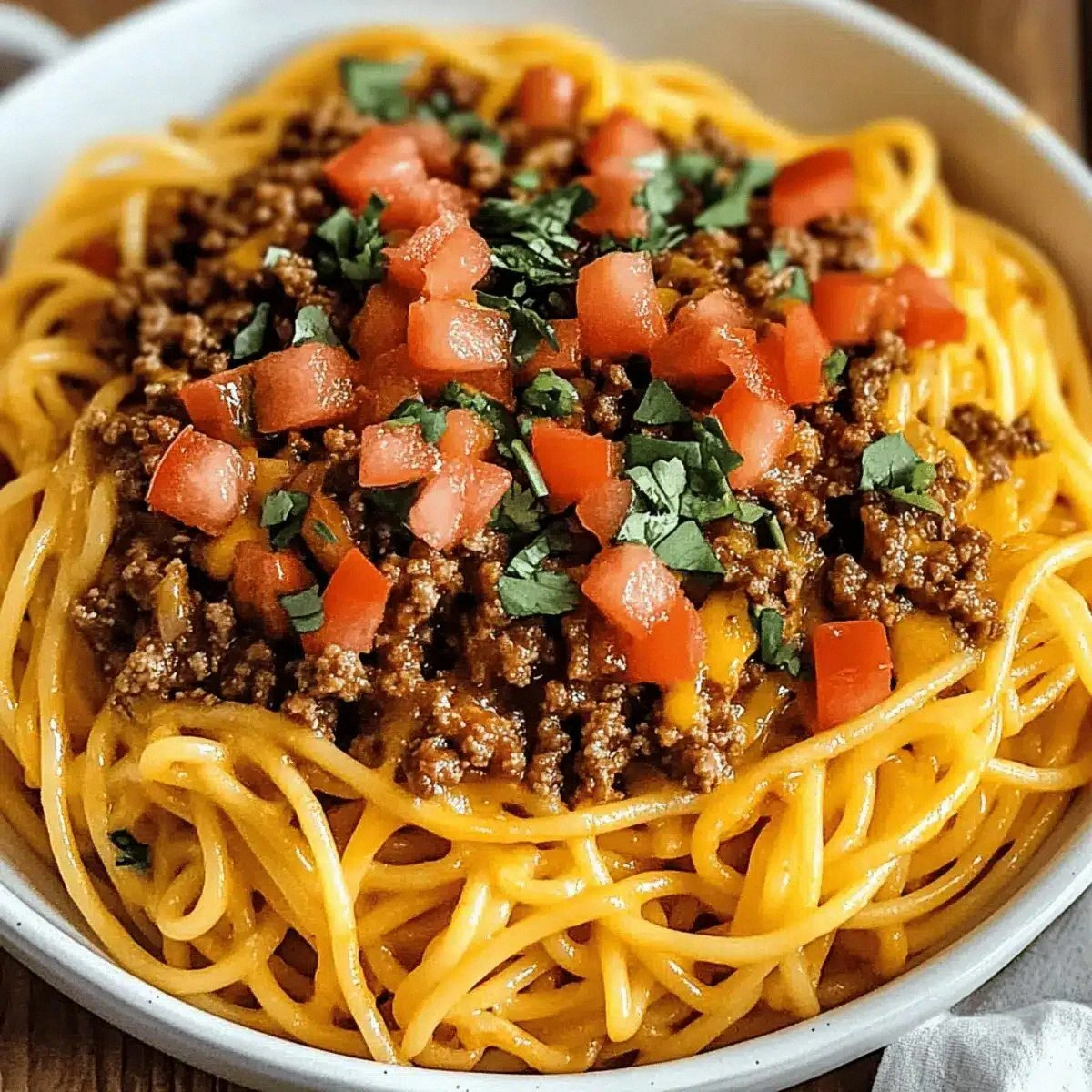
- Remove the pot from heat and immediately sprinkle the shredded cheese over the top in an even layer that looks like a golden blanket of dairy goodness. Let it sit undisturbed for about thirty seconds — this brief moment allows the cheese to start melting from the residual heat without seizing up from direct flame contact. Now stir gently, watching as the cheese melts into the sauce and creates this cohesive, glossy coating that makes every strand look like it was individually painted with liquid gold. The sauce should be creamy and coating, not stringy or clumpy — if it's too thick, loosen with a splash of hot water until it flows like lava from your spoon.
- Garnish with whatever makes you happy — chopped cilantro if you're feeling fresh, extra cheese if you're living your best life, or a dollop of sour cream if you want to gild the lily. Let it rest for exactly two minutes, which is just long enough for the sauce to settle and the cheese to achieve that perfect melty consistency, but not so long that it starts congealing into a solid mass. Serve directly from the pot because this is comfort food, not fine dining, and sometimes the best presentation is no presentation at all. Watch as people take their first bite and their eyes go wide with that look of pleasant surprise that says, "Wait, this is actually really good."
That's it — you did it. But hold on, I've got a few more tricks that'll take this to another level...
Insider Tricks for Flawless Results
The Temperature Rule Nobody Follows
Here's where most home cooks sabotage themselves without even knowing it — they're cooking everything over heat that's either too high or too low, leading to either scorched sauce or pasta that takes forever and turns mushy. You want a steady, medium heat that maintains a gentle simmer, creating tiny bubbles that break the surface like a relaxing hot spring, not a furious boil that looks like a jacuzzi cranked up to eleven. If your sauce is reducing too quickly before the pasta cooks, lower the heat and add a splash of hot water instead of cranking it up and ending up with burnt tomato paste welded to your pot. Conversely, if it's been fifteen minutes and your pasta still crunches like raw noodles, bump up the heat slightly and stir more frequently to distribute the heat evenly.
Why Your Nose Knows Best
Trust your sense of smell more than your eyes when making this dish — when the taco seasoning hits the hot fat from the beef, you should immediately smell warm spices and toasty aromatics that make your mouth water like one of Pavlov's dogs. If all you smell is hot metal and raw spices, you haven't let the seasoning cook long enough, and your final dish will taste dusty and flat like old potpourri. When the tomatoes go in, the scent should shift to something bright and tangy that makes you think of summer, even if it's the dead of winter and you haven't seen the sun in weeks. That final moment when everything comes together should smell like the best taco truck and your favorite Italian restaurant decided to collaborate on your dinner.
The 5-Minute Rest That Changes Everything
After you stir in the cheese and everything looks perfect, walk away for exactly five minutes — set a timer, resist the urge to peek, and let the sauce relax and come together like it's been meditating. This brief rest allows the starch from the pasta to fully hydrate and create that luxurious, cohesive sauce that restaurant chefs spend years learning to perfect. The cheese will finish melting from residual heat without seizing up or turning grainy, creating this glossy coating that makes every bite taste like it was crafted by someone who went to culinary school instead of someone who just got home from work and was too tired to order takeout. Those five minutes are also perfect for setting the table, pouring yourself a drink, or just standing in front of the fridge eating cheese directly from the block like the cooking animal you are.
The Cheese Melting Secret
Pre-shredded cheese contains cellulose — basically tiny wood fibers that prevent clumping in the bag but also prevent smooth melting in your sauce. It's like trying to make velvet out of sandpaper; technically possible, but why would you want to? Shred your own cheese and you'll get a sauce so smooth and glossy it looks like it came from a restaurant kitchen where they spend hours crafting mother sauces and tempering eggs. If you absolutely must use pre-shredded, toss it with a teaspoon of cornstarch first — this helps absorb some of the cellulose coating and gives you a fighting chance at creamy success instead of stringy, separated disappointment that looks like your cheese curdled and gave up on life.
The Leftover Transformation
Here's where this recipe reveals its true superpower — leftovers taste completely different and arguably better than the fresh version, like your pasta went to finishing school overnight and came back sophisticated. The flavors meld and deepen, creating something that tastes like you planned it that way all along instead of throwing together whatever was in your pantry. Reheat it gently with a splash of water or milk, stirring until it returns to that creamy, dreamy state instead of microwaving it into a rubbery cheese puck that could double as a hockey puck. Cold leftovers straight from the fridge at 2 AM might be one of life's greatest guilty pleasures, tasting like spicy, cheesy pasta salad that makes you question why you ever bothered with proper dinner parties and matching plates.
Creative Twists and Variations
This recipe is a playground. Here are some of my favorite ways to switch things up:
The Green Chile Monster
Swap the diced tomatoes for a can of Rotel with green chiles, add a chopped jalapeño when you add the taco seasoning, and use pepper jack instead of cheddar for a version that'll make spice lovers weep tears of joy. The green chiles bring this bright, grassy heat that plays beautifully with the creamy cheese, while the jalapeño adds fresh heat that blooms as you eat instead of hitting you all at once like a freight train. Top with fresh cilantro and a squeeze of lime for a Southwestern version that tastes like New Mexico and Italy had a beautiful, spicy baby that you'll want to adopt into your regular dinner rotation.
The Breakfast-for-Dinner Remix
Add a can of drained black beans with the tomatoes, use chorizo instead of ground beef, and crack two eggs directly into the pot during the last three minutes of cooking for a breakfast-inspired version that works any time of day. The chorizo's paprika and garlic flavors infuse everything with this smoky, porky goodness that makes regular ground beef seem boring by comparison. When those eggs poach in the spicy tomato sauce, they create these perfect pockets of runny yolk that mix with the cheese to create the most luxurious sauce you've ever spooned into your mouth at 7 PM while claiming it's totally normal to eat breakfast food for dinner.
The Mediterranean Mash-Up
Replace taco seasoning with Italian seasoning, swap cheddar for feta, add a handful of chopped olives and sun-dried tomatoes, and finish with fresh basil for a Mediterranean version that sounds weird but tastes like you're dining on a Greek island. The briny olives and tangy sun-dried tomatoes bring this sophisticated edge that makes you feel like you're eating something from a fancy fusion restaurant instead of throwing together pantry staples. Crumble the feta on top after cooking instead of stirring it in — this way you get creamy melted bits and tangy fresh bits in every bite, creating a texture party that keeps things interesting from first bite to last.
The Vegetarian Victory
Use plant-based ground meat or substitute two cans of drained lentils, add a diced bell pepper and zucchini when you add the tomatoes, and use a combination of cheddar and smoked gouda for a vegetarian version that'll make even dedicated carnivores ask for the recipe. The lentils provide that same hearty texture as ground beef while absorbing all the taco flavors like tiny, protein-packed sponges. Bell peppers and zucchini add vegetables without making it taste like health food, creating these little pockets of sweetness that balance the spicy, cheesy richness and make you feel slightly virtuous about eating what is essentially pasta covered in cheese.
The Deluxe Edition
Use ground short rib instead of regular ground beef, swap water for half-and-half during the last five minutes of cooking, add a cup of frozen corn with the tomatoes, and top with crushed tortilla chips for a version that tastes like someone took your favorite taco and your favorite pasta and combined them into something that costs twenty dollars at a trendy restaurant. Short rib brings this incredible richness that makes regular ground beef taste like it was raised on sadness and water instead of grass and happiness. The half-and-half creates this luxurious, creamy sauce that clings to the pasta like it never wants to let go, while the corn adds pops of sweetness that make every bite slightly different and completely addictive.
The Pantry Raid Version
Use whatever ground meat you have — pork, chicken, even ground sausage works — substitute a can of tomato soup for diced tomatoes if that's all you've got, and use whatever cheese is lurking in your fridge for a version that proves this recipe is basically indestructible. I've made this with everything from bison to turkey breakfast sausage, and it always works because the technique is foolproof even when the ingredients are whatever you grabbed on sale at the grocery store. Mixed cheese ends, that random quarter cup of parmesan, even cream cheese stirred in at the end — they all create different but delicious results that make this the ultimate clean-out-the-fridge recipe that prevents food waste while preventing you from having to put on real clothes to go grocery shopping.
Storing and Bringing It Back to Life
Fridge Storage
Transfer leftovers to an airtight container — glass works best because it doesn't absorb odors like plastic, though honestly, this tastes so good it'll be gone long before it has a chance to make your fridge smell like a Mexican-Italian fusion restaurant. It keeps beautifully for up to four days, though I've never personally witnessed it surviving longer than two because people keep sneaking spoonfuls directly from the container like raccoons raiding a trash can. Press plastic wrap directly against the surface before sealing the container — this prevents that weird skin that forms when dairy meets air and creates a texture like pudding that's been left out too long at a potluck nobody wanted to attend.
Freezer Friendly
This dish freezes like a champion, though honestly, it's so quick to make fresh that freezing it seems like planning ahead in a way that organized people do, and I'm not sure we have that kind of relationship. If you must freeze it, undercook the pasta by two minutes so it doesn't turn to mush when you reheat it later, and freeze in portion-sized containers because nobody wants to defrost a gallon of pasta when they just want a quick lunch. Thaw overnight in the fridge rather than using the microwave's defrost setting, which has a personal vendetta against pasta and will turn your beautiful dinner into a rubbery science experiment that even the dog won't eat.
Best Reheating Method
Add a splash of water or milk to the cold pasta in a saucepan over medium-low heat, stirring gently until it returns to its former creamy glory instead of microwaving it into a dry, separated mess that looks like it came from a vending machine. The gentle heat allows the cheese to re-melt smoothly instead of seizing up into grainy clumps that taste like disappointment and broken dreams. Stir frequently and add liquid gradually — you can always add more, but you can't remove it once you've created pasta soup that tastes like someone watered down your dinner. In a pinch, the microwave works with a damp paper towel over the top and 30-second bursts, stirring between each round like you're performing surgery on something very delicate that could die at any moment.