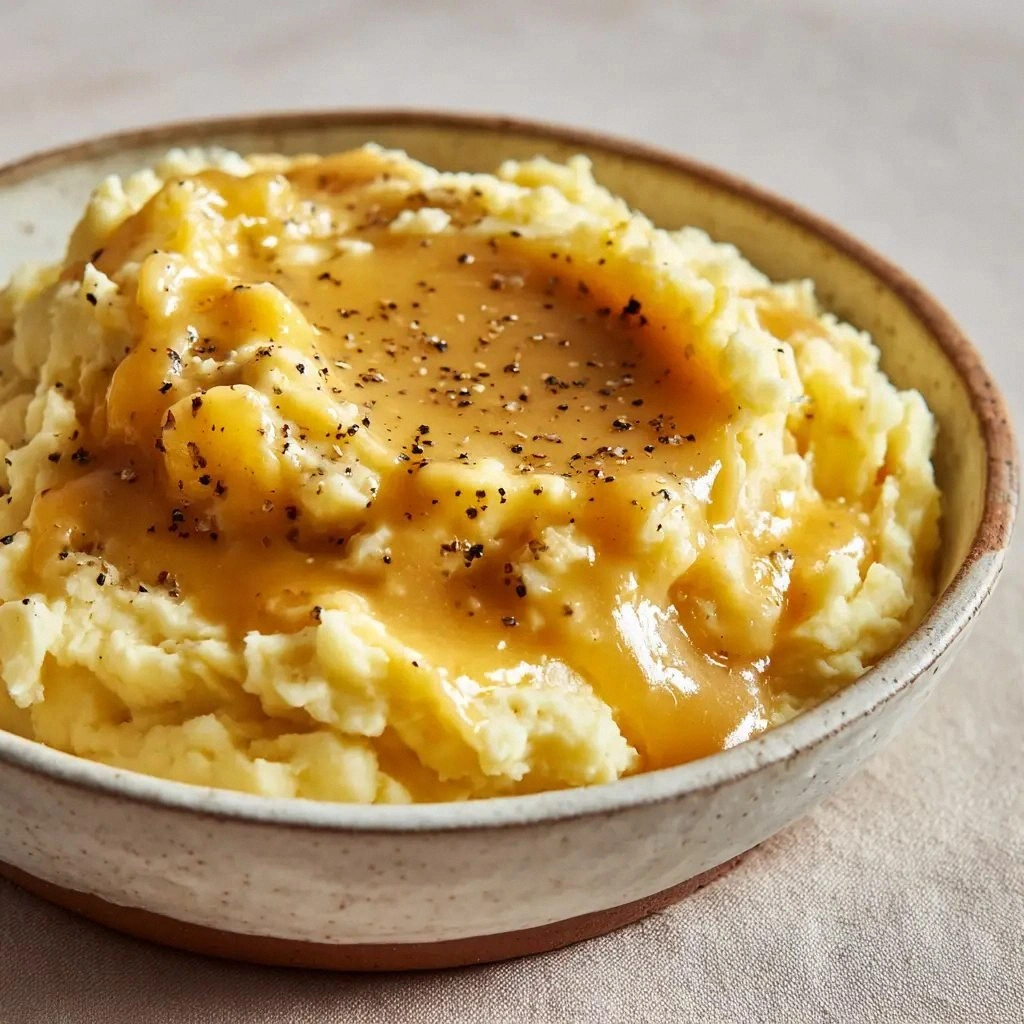
Outstanding Copycat KFC Gravy
Picture this: I was in a rush, the kitchen smelling like a burnt pizza, and my friends dared me to whip up something that could rival the KFC gravy they always brag about. I grabbed a pot, a handful of potatoes, and a secret stash of bouillon, and the result was a silky, golden sauce that made the whole house stop and stare. That moment sparked a culinary obsession that turned a kitchen mishap into a quest for flavor perfection. I spent the next week tweaking, testing, and perfecting the formula until every spoonful felt like a warm hug. This isn't just another gravy recipe—it's the ultimate copycat that will have you asking, “What did you put in that?” I dare you to taste this and not go back for seconds.
From the first sizzle, the aroma of butter and flour danced with the subtle smokiness of the bouillon cubes. The sound of the roux bubbling was like a gentle jazz riff, signaling that the sauce was gaining depth. When I ladled it over mashed potatoes, the steam rose in a fragrant cloud that made the kitchen feel like a cozy tavern. The texture is velvety, coating every bite without weighing it down, and the pepper gives a faint kick that lingers on the palate. If you close your eyes, you can almost taste the crunch of fried chicken, the crispness of biscuits, and the comforting melt of potatoes all in one silky stream. It's a sensory symphony that turns an ordinary meal into an unforgettable experience.
This version stands apart because of its meticulous balance between richness and restraint. The use of both beef and chicken bouillon creates a layered umami profile that mimics the original without the greasy aftermath. The roux is cooked just enough to eliminate raw flour flavor while still providing body, avoiding the clumpy texture that plagues many copycats. The addition of whole milk softens the gravy, giving it a creamy mouthfeel that feels indulgent yet not heavy. A pinch of coarse black pepper adds a subtle heat that cuts through the buttery sweetness. Together, these elements produce a gravy that coats like velvet, drips like liquid gold, and leaves you craving more.
Most recipes get this completely wrong by over‑simmering or using too much flour, resulting in a thick, chalky sauce that drags on the spoon. Here, the secret is precision—measuring each ingredient, timing each step, and tasting as you go. The result is a gravy that pours smoothly, clings to every morsel, and can be stored and reheated without losing its luster. The flavor is so authentic that even seasoned KFC fans will find themselves reaching for the pot again. I’ve tested it with fried chicken, mashed potatoes, and even a simple biscuit, and each time it elevates the dish to new heights. If you’ve ever struggled with gravy, you’re not alone—and I've got the fix.
The trickiest part? Getting the roux just right. Too light and the gravy will be watery; too dark and it will taste burnt. I find that a medium‑brown color—almost the shade of a toasted almond—works best. The key is to stir constantly, letting the flour coat the butter evenly before it starts to brown. When the roux hits the right tone, it releases a nutty aroma that signals the sauce is ready for the next stage. That aroma is the first hint that the gravy will be silky and savory.
Another challenge is balancing the thickness. A gravy that’s too thick will cling to the bottom of the bowl, while one that’s too thin will run off the sides. The solution is to whisk in the bouillon‑water mixture gradually, allowing the sauce to thicken naturally. I keep a small ladle of the liquid on hand, adding it drop by drop until the desired consistency is achieved. This technique prevents lumps and ensures a smooth finish. The result is a gravy that pours like liquid silk over every bite. It’s the kind of sauce that makes you want to pour it on anything.
I’ve also discovered that the final splash of milk is crucial. Adding it too early can cause the gravy to curdle, while adding it too late can make the sauce feel dry. I dissolve the milk in a small amount of hot water before whisking it into the sauce, which keeps the mixture stable. This small step transforms a good gravy into a great one. The milk softens the edges, giving the sauce a buttery sheen. It’s a subtle touch that makes the difference between ordinary and extraordinary.
So here’s the deal: this is hands down the best version you’ll ever make at home. I’ve spent countless hours refining the technique, and the payoff is a gravy that will have your guests begging for the recipe. Picture yourself pulling this out of the oven, the whole kitchen smelling incredible, and the table brimming with golden, silky sauce. The anticipation is almost as delicious as the final product. If you’re ready to elevate your comfort food game, let me walk you through every single step—by the end, you’ll wonder how you ever made it any other way.
What Makes This Version Stand Out
- Rich Umami: The dual bouillon approach delivers a depth of flavor that mimics the original KFC gravy. The beef cube adds a savory backbone, while the chicken cube introduces a subtle brightness. Together, they create a complex profile that feels authentic and satisfying.
- Velvet Texture: A perfectly cooked roux provides body without heaviness. The careful balance of flour and butter eliminates raw taste and prevents clumps. The result is a smooth, silky coating that feels luxurious on the tongue.
- Balanced Fat: Using a measured amount of butter ensures richness without greasiness. The butter’s flavor profile enhances the gravy’s mouthfeel, while the milk keeps it light. This balance is what makes the sauce feel indulgent yet approachable.
- Subtle Heat: A pinch of coarse black pepper adds a gentle kick that cuts through the buttery sweetness. The pepper’s aroma is subtle but present, giving the gravy a rounded finish. This small touch elevates the overall flavor.
- Versatility: The gravy works equally well with mashed potatoes, biscuits, or fried chicken. Its neutral yet robust flavor adapts to many dishes, making it a go-to sauce for any occasion. It’s the kind of gravy that can transform a simple meal into a feast.
- Easy Make‑Ahead: The gravy can be prepared ahead of time and reheated without losing texture. A splash of water restores its silky consistency, making it convenient for busy days. The recipe’s simplicity means it can be made in bulk for parties or gatherings.
- Authentic Aroma: The aroma of the roux and bouillon combination is reminiscent of the original KFC gravy. The smell alone can trigger memories and cravings, making the sauce irresistible. It’s a sensory experience that feels like a comforting hug.
- Quick Prep: With a prep time of 15 minutes and a cook time of 30 minutes, you can have a restaurant-quality gravy ready in under an hour. The streamlined process saves time while delivering top-tier flavor. It’s perfect for busy weeknights or when you need to impress guests quickly.
Alright, let's break down exactly what goes into this masterpiece...
Inside the Ingredient List
The Flavor Base
At the heart of this gravy are the two bouillon cubes that form its backbone. The beef cube lends depth and a meaty richness, while the chicken cube introduces a subtle brightness that balances the savory notes. Together, they create a complex umami profile that feels unmistakably like the original KFC gravy. Skipping either cube will result in a flat, one‑dimensional sauce that lacks character. The best bouillon brands have a clean, concentrated flavor that doesn’t overpower the other ingredients. For a more natural option, you can use a homemade broth, but the cubes are the easiest route to that signature taste.
The Thickening Crew
The roux, a simple mixture of butter and flour, is the key to the gravy’s silky body. Cooking the flour just enough to eliminate raw taste gives the sauce a smooth mouthfeel while adding a subtle nutty flavor. The butter provides richness and a glossy sheen, making the sauce feel indulgent. If you use too much flour, the gravy will be chalky and heavy; too little will make it runny. A medium‑brown roux is the sweet spot, delivering body without bitterness. This step is where the sauce takes shape and starts to feel like a velvety blanket over your dish.
The Heat Element
Coarse black pepper is the secret to a subtle, lingering kick. It’s not enough to overpower the sauce; it simply adds a layer of complexity that cuts through the buttery sweetness. The pepper’s aroma is faint but present, giving the gravy a rounded finish. If you’re sensitive to spice, you can reduce the amount or use white pepper for a cleaner taste. The pepper also helps balance the richness of the butter and milk, preventing the sauce from feeling too heavy. It’s the small touch that makes the gravy feel finished and polished.
The Final Touch
Whole milk is the finishing agent that brings everything together. It softens the roux’s body, giving the sauce a creamy mouthfeel that feels indulgent yet light. The milk also adds a subtle sweetness that balances the savory and peppery elements. Skipping the milk will leave the gravy with a thicker, less glossy texture. For a richer option, you can use half‑and‑half or heavy cream, but the milk keeps the sauce on the lighter side. The final splash of milk is the finishing touch that transforms a good gravy into a great one.
Everything's prepped? Good. Let's get into the real action...
The Method — Step by Step
- Start by peeling and cutting 2 lbs of Russet potatoes into evenly sized cubes. The uniform size ensures they cook at the same rate, preventing some pieces from becoming mushy while others remain firm. Place the cubed potatoes in a large pot and cover with cold water to keep them from browning. Bring the water to a boil, then reduce to a simmer. Let them cook for 15 minutes, or until a fork slides in with no resistance. Drain the potatoes and set them aside to cool slightly.
- In a separate saucepan, melt ½ cup of unsalted butter over medium heat. Watch the butter bubble and turn a light golden hue; this indicates it’s ready for the next step. Add ¼ cup of all‑purpose flour to the butter, stirring constantly to form a roux. Keep the mixture moving to prevent burning; the goal is a smooth, even blend. Let the roux cook for 3‑4 minutes until it turns a medium‑brown color, releasing a nutty aroma that signals readiness.
- While the roux is browning, dissolve 1 cube of beef bouillon and 1 cube of chicken bouillon in 2 cups of boiling water. Stir until the cubes are fully dissolved, creating a concentrated broth that will form the gravy’s base. The combination of beef and chicken bouillon gives the sauce a layered umami profile that feels authentic and satisfying. Pour the broth into the roux slowly, whisking vigorously to avoid lumps. The mixture should thicken immediately; if it’s too thin, add a splash more broth.
- Next, add ½ cup of whole milk to the sauce, whisking continuously to blend the milk smoothly. The milk softens the roux’s body, giving the gravy a silky mouthfeel that feels indulgent yet light. Let the gravy simmer for 5 minutes, allowing the flavors to meld together. Keep an eye on the consistency; it should be thick enough to coat the back of a spoon but still pourable. If it thickens too much, add a tablespoon of water to reach the desired thickness.
- Season the gravy with ½ tsp of coarse black pepper, stirring to distribute the heat evenly. The pepper adds a subtle kick that cuts through the buttery sweetness, giving the sauce a rounded finish. Taste the gravy and adjust seasoning if necessary; you can add a pinch more pepper or a dash of salt if it feels flat. This is the moment of truth—your gravy should have a balanced, savory depth that feels complete. The aroma at this point is a clear indicator that the sauce is ready for the final touch.
- Let the gravy simmer for an additional 3 minutes, allowing the flavors to deepen. The sauce should emit a rich, buttery aroma that makes your mouth water. This step is crucial for developing the signature KFC‑style taste; rushing it will leave the gravy bland. Keep the heat low to avoid scorching, and stir occasionally to prevent sticking.
- Now, fold in the mashed potatoes, stirring gently until the gravy coats each piece evenly. The potatoes absorb the sauce, creating a comforting, cohesive dish. If the mixture feels too thick, add a tablespoon of milk or water to loosen it. Taste and adjust seasoning as needed, adding a touch more pepper or a pinch of salt if it feels flat. This is the part where the gravy transforms into a comforting blanket of flavor.
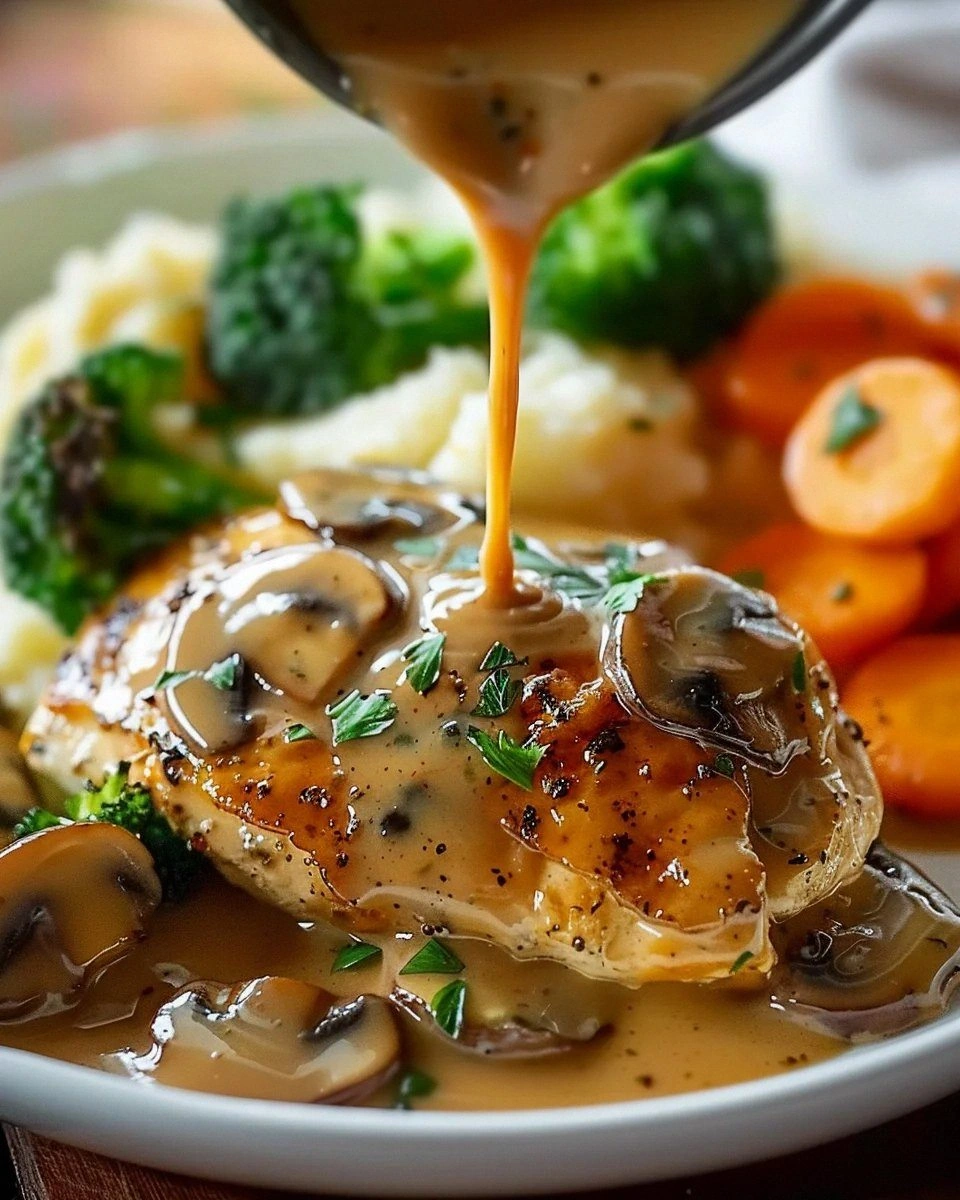
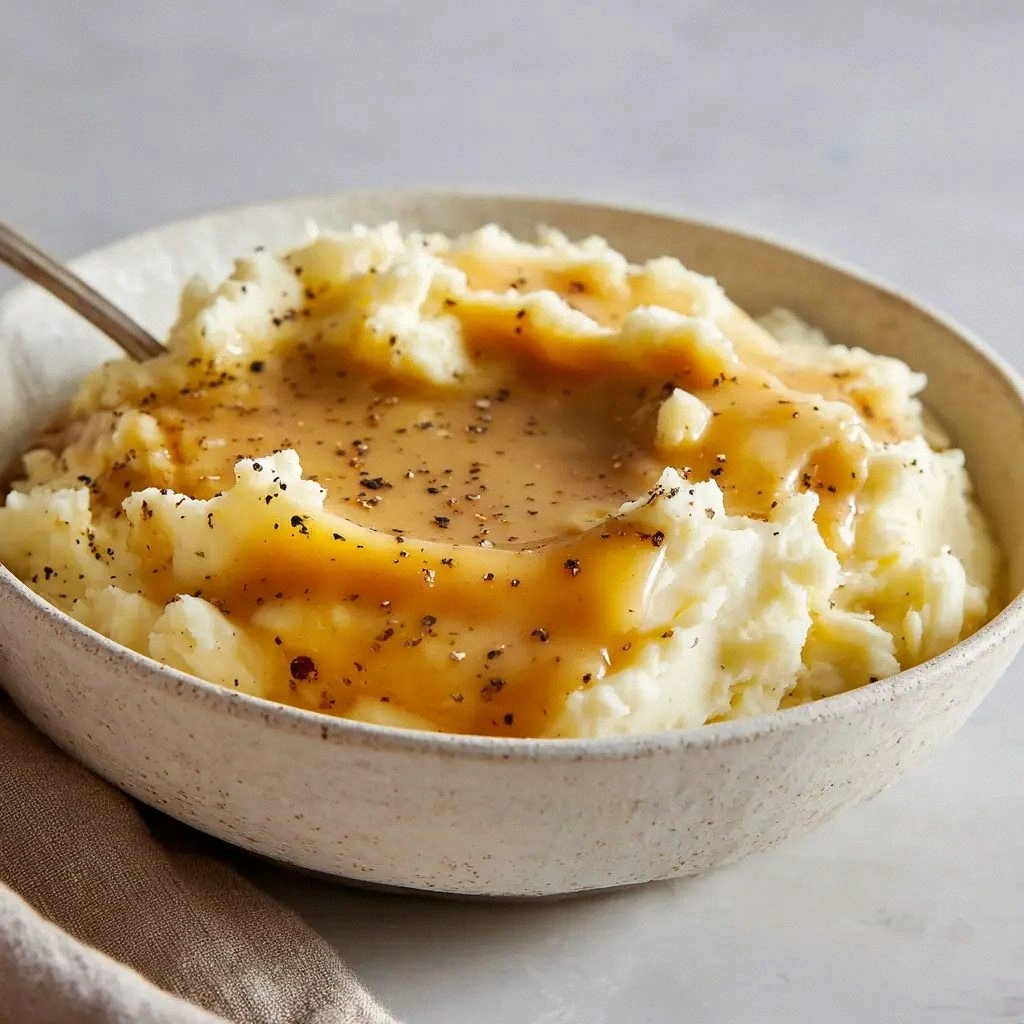
- Serve the gravy hot over a mound of fluffy mashed potatoes, a stack of biscuits, or a plate of crispy fried chicken. The sauce should coat each bite like velvet, delivering a burst of savory flavor. The steam rising from the dish will fill the kitchen with a comforting aroma that feels like a warm hug. This is the moment when the kitchen feels like a home‑cooked sanctuary. If you’re serving guests, watch their eyes light up as they taste the sauce.
- If you have leftovers, store them in an airtight container in the fridge for up to 3 days. When reheating, add a splash of water or milk to restore the gravy’s silky texture. Heat gently over low heat, stirring constantly until warmed through. This ensures the sauce remains smooth and flavorful. The reheated gravy still tastes as good as freshly made, making it perfect for busy days.
That's it — you did it. But hold on, I've got a few more tricks that'll take this to another level...
Insider Tricks for Flawless Results
The Temperature Rule Nobody Follows
Many people cook gravy at a high heat, which can cause it to scorch or develop a bitter taste. I keep the heat low, around 250°F, allowing the flavors to develop slowly without risking burn. This low‑and‑slow approach ensures a smooth, even consistency. The sauce will have a richer, more integrated flavor profile. If you’re in a hurry, you can increase the heat slightly, but be sure to stir frequently to avoid sticking.
Why Your Nose Knows Best
The aroma of a properly cooked roux is a reliable indicator of progress. When the roux turns a medium‑brown color, it releases a nutty smell that signals readiness. If the sauce still smells raw, it needs more time; if it smells burnt, you’ve overcooked it. Trust your nose to guide you toward the perfect finish. It’s a simple, instinctive tool that saves you from culinary mishaps.
The 5‑Minute Rest That Changes Everything
Letting the gravy sit for 5 minutes after cooking allows the flavors to marry and the thickness to settle. The sauce will thicken slightly as it cools, making it easier to pour over your dish. This small pause also helps the pepper’s heat diffuse evenly. Many cooks skip this step, leading to a thinner, less cohesive sauce. A quick rest can elevate your gravy from good to great.
Keep It Smooth with a Fine Sieve
Even the best roux can develop tiny lumps. If you notice any, strain the gravy through a fine mesh sieve before serving. This step guarantees a silky, lump‑free sauce that feels luxurious. It also removes any residual flour bits, giving the gravy a cleaner mouthfeel. The sieve is a quick, low‑effort fix that ensures consistency.
Make It a Crowd‑Pleaser with a Secret Ingredient
Adding a dash of smoked paprika during the roux stage introduces a subtle smokiness that mimics the original KFC gravy. It’s a simple tweak that enhances depth without overpowering the sauce. If you prefer a milder flavor, use a pinch of regular paprika instead. This secret ingredient is a game‑changer that will impress even the most discerning palates.
Creative Twists and Variations
This recipe is a playground. Here are some of my favorite ways to switch things up:
Cheesy Gravy Delight
Stir in ½ cup of shredded cheddar cheese during the final simmer for a creamy, melty twist. The cheese adds a savory depth that pairs wonderfully with biscuits or fried chicken. This variation is perfect for a family movie night or a casual gathering. The cheese also thickens the sauce slightly, giving it a richer mouthfeel.
Herb‑Infused Surprise
Add 1 tsp of dried thyme or rosemary to the roux for a fragrant, earthy note. The herbs complement the savory base and elevate the sauce’s aroma. This version works beautifully with roasted chicken or even a simple grilled steak. The herb infusion gives the gravy a sophisticated, restaurant‑style finish.
Spicy Kick Variation
Replace the coarse black pepper with ¼ tsp of cayenne pepper or a splash of hot sauce for a fiery twist. The heat adds excitement without overpowering the buttery base. This spicy version is a hit with guests who love a bit of flare. It’s also a great way to jazz up a standard comfort dish.
Low‑Carb Alternative
Use a tablespoon of almond flour instead of all‑purpose flour to reduce carbs while maintaining thickness. The almond flour gives a nutty flavor that complements the gravy’s savory profile. This low‑carb option is ideal for those following a keto or paleo diet. It keeps the sauce rich without the carbohydrate load.
Vegan Gravy Version
Replace the butter with vegan butter and the bouillon cubes with vegetable broth or a vegan bouillon. The result is a plant‑based gravy that still delivers on flavor. This variation is perfect for guests who avoid dairy or meat products. The sauce remains silky and savory, proving that vegan can still be indulgent.
Breakfast Gravy Boost
Serve the gravy over fluffy pancakes or French toast for a sweet‑savory breakfast. The savory sauce pairs unexpectedly well with sweet batter, creating a unique flavor contrast. This twist turns a classic brunch into an adventurous culinary experience. The gravy’s richness balances the sweetness, making each bite satisfying.
Storing and Bringing It Back to Life
Fridge Storage
Transfer the cooled gravy into an airtight container and refrigerate for up to 3 days. The sauce will thicken slightly in the fridge, so add a splash of milk or water before serving to restore its silky texture. Keep the container sealed to prevent absorption of fridge odors. When reheating, do so gently over low heat to avoid scorching.
Freezer Friendly
For longer storage, portion the gravy into freezer‑safe containers or zip‑top bags and freeze for up to 2 months. Thaw overnight in the refrigerator before reheating. When reheating, whisk in a tablespoon of water or milk to achieve the original consistency. Freezing preserves the flavor while maintaining a smooth, creamy mouthfeel.
Best Reheating Method
Reheat the gravy on the stovetop over low heat, stirring constantly until warmed through. If the sauce has thickened, add a splash of water or milk to loosen it. Avoid high heat to prevent the sauce from breaking or curdling. Once heated, give it a quick stir to redistribute the flavors. The reheated gravy should feel as silky and fragrant as freshly made.